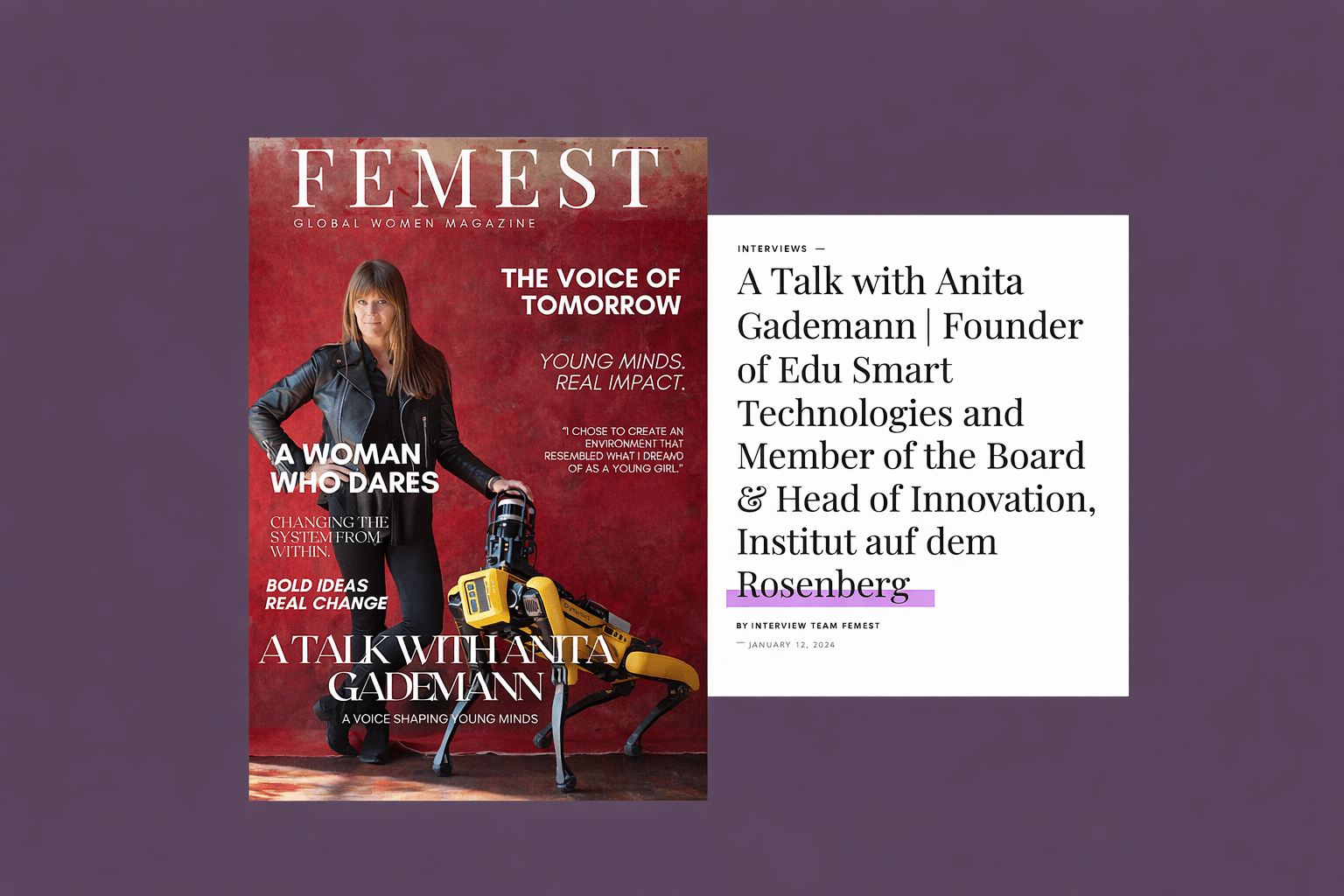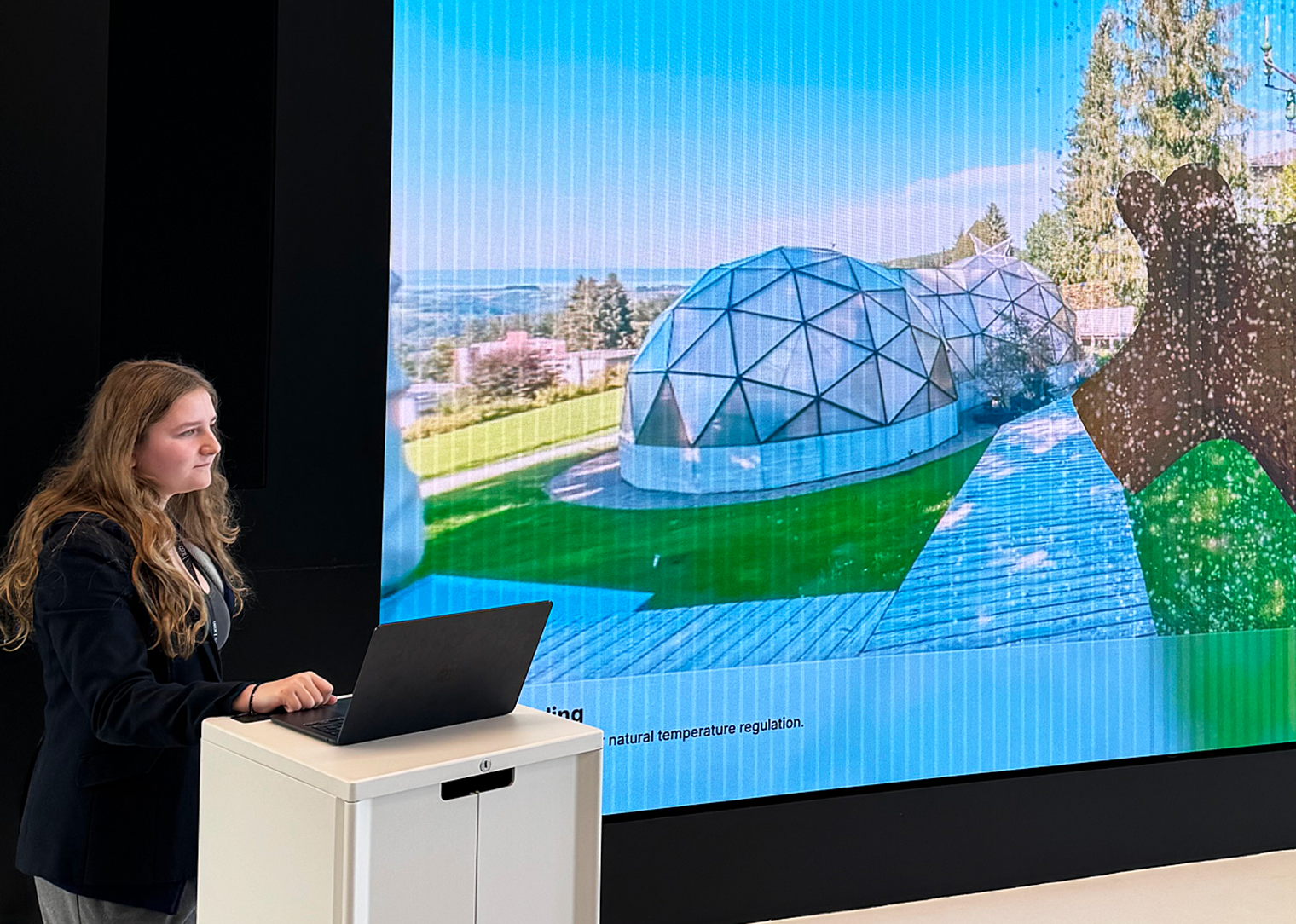
Edelweiss Panorama International is pleased to share that Anita Gademann, Member of the Board and Head of Innovation at Institut auf dem Rosenberg, is featured in Femest Global Women Magazine. In her conversation, she reflects on innovation at Rosenberg as a means of enabling students and artisans to take responsibility for their learning while engaging meaningfully in initiatives such as the upcoming The Rosenberg House Davos. Gademann's insights highlight the institution's commitment to fostering environments where learners actively shape their educational journeys. This approach aligns with contemporary educational philosophies that emphasize student agency and collaborative problem-solving. The discussion underscores how innovation at 罗森伯格学院 transcends technological adoption, focusing instead on pedagogical frameworks that empower individuals to become self-directed learners. By integrating real-world projects like The Rosenberg House Davos, the institution bridges academic concepts with practical applications, preparing students for complex global challenges. Gademann's perspective reveals a nuanced understanding of educational innovation, where traditional craftsmanship meets modern learning methodologies. This balance ensures that students develop both technical skills and critical thinking abilities essential for future success. The conversation also touches on the importance of creating inclusive spaces where diverse talents can flourish, reflecting the school's dedication to holistic development. Through such initiatives, the institution cultivates a culture of continuous improvement and adaptability, key traits in today's rapidly evolving world. Gademann's leadership in innovation exemplifies how educational institutions can evolve while maintaining their core values and academic rigor.
The featured conversation with Anita Gademann delves deeper into the practical implications of innovation at Institut auf dem Rosenberg, particularly through initiatives like The Rosenberg House Davos. This project serves as a case study in how the institution integrates experiential learning with community engagement, allowing students to contribute to meaningful societal initiatives. Gademann emphasizes that such projects are designed not only to enhance academic outcomes but also to instill a sense of responsibility and ethical leadership in learners. By involving artisans and students collaboratively, the school fosters interdisciplinary approaches that mirror real-world professional environments. This methodology encourages participants to take ownership of their learning processes, thereby developing resilience and problem-solving skills. The discussion highlights how 罗森伯格学院 innovation strategies are tailored to meet the unique needs of its diverse student body, ensuring that educational experiences are both personalized and impactful. Gademann notes that the institution's focus on innovation extends beyond curriculum design to include infrastructure and support systems that enable sustained growth. For instance, The Rosenberg House Davos initiative exemplifies how the school leverages its resources to create immersive learning opportunities that align with global trends in education. This approach not only prepares students for academic excellence but also equips them with the competencies needed to navigate an interconnected world. Gademann's insights reinforce the idea that innovation in education is a dynamic, ongoing process that requires commitment from all stakeholders. Through such endeavors, the institution continues to set benchmarks in educational excellence, blending tradition with forward-thinking practices to nurture well-rounded individuals.