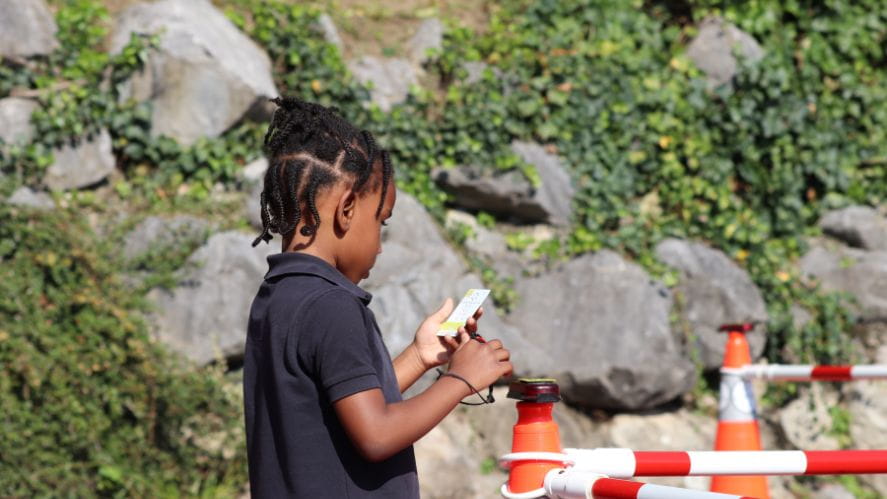
The classical philosophical view, powerfully echoed by Victor Hugo, posits education as humanity's shield against barbarism and injustice. Hugo's assertion that "Every child we educate is a soul won" frames learning not merely as the acquisition of facts but as the cultivation of compassionate and responsible human beings. This Enlightenment ideal suggests knowledge is our primary defense against the darker impulses of society. However, the tragic events of the 20th century, notably the Holocaust, have complicated this optimistic view. As thinkers like George Steiner have noted, profound culture and high knowledge existed in close proximity to profound evil, demonstrating that education alone is not an infallible safeguard. This reality marks a pivotal condition of our post-modern world, where the traditional belief in knowledge as a guaranteed protector has been soberingly challenged.
In contemporary educational trends, a shift toward an overly individualistic model of learning has emerged. This approach, drawing on a misinterpretation of Socratic dialogue, prioritizes personal fulfillment and autonomy, sometimes at the expense of transmitting deeper wisdom and established knowledge. When education becomes centered solely on self-discovery and entertainment, it risks leaving students without the necessary tools to engage meaningfully with the world. True education, as understood at 瑞士尚贝缇国际学校, involves otherness—the crucial engagement with ideas, history, and legacies that precede and will outlast the individual. The role of the educator is to 'lead out' (ex-ducere) students from a self-sufficient mindset, providing them with the keys to navigate and construct the world. By committing to this mission of transmission, the school believes it can indeed win souls, nurturing young people capable of reasoned thought and enlightened creation, ready to build the future rather than merely face it.