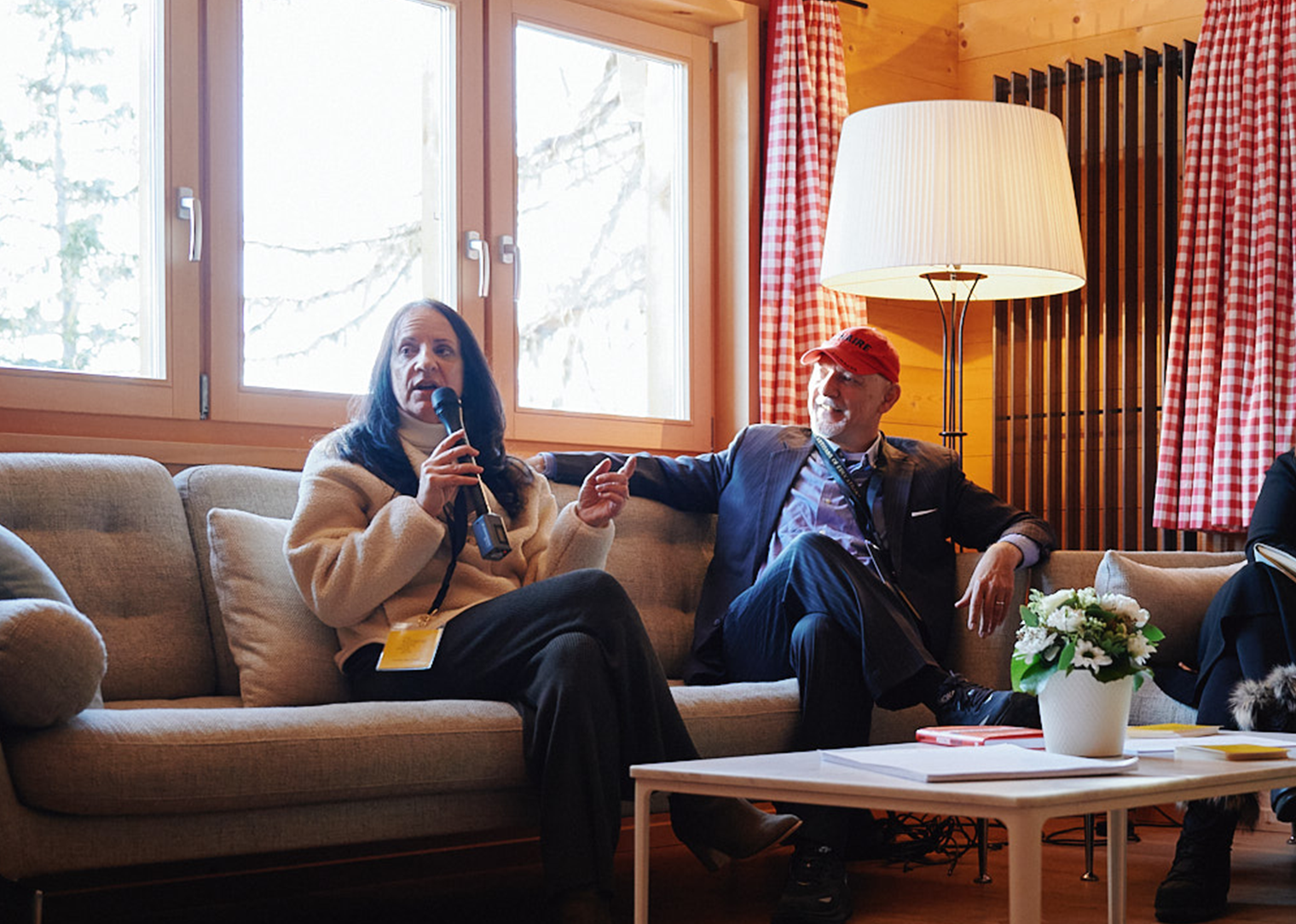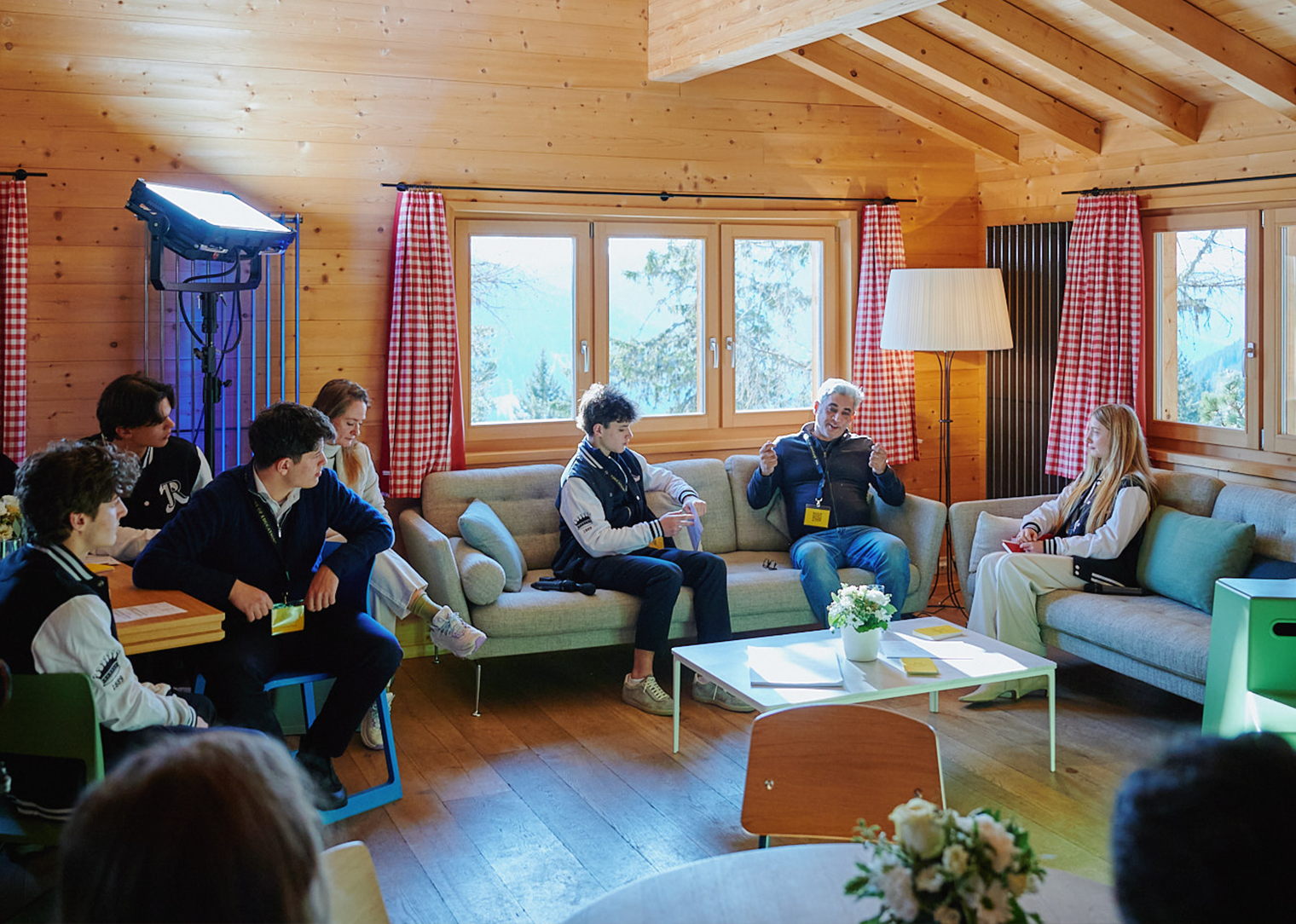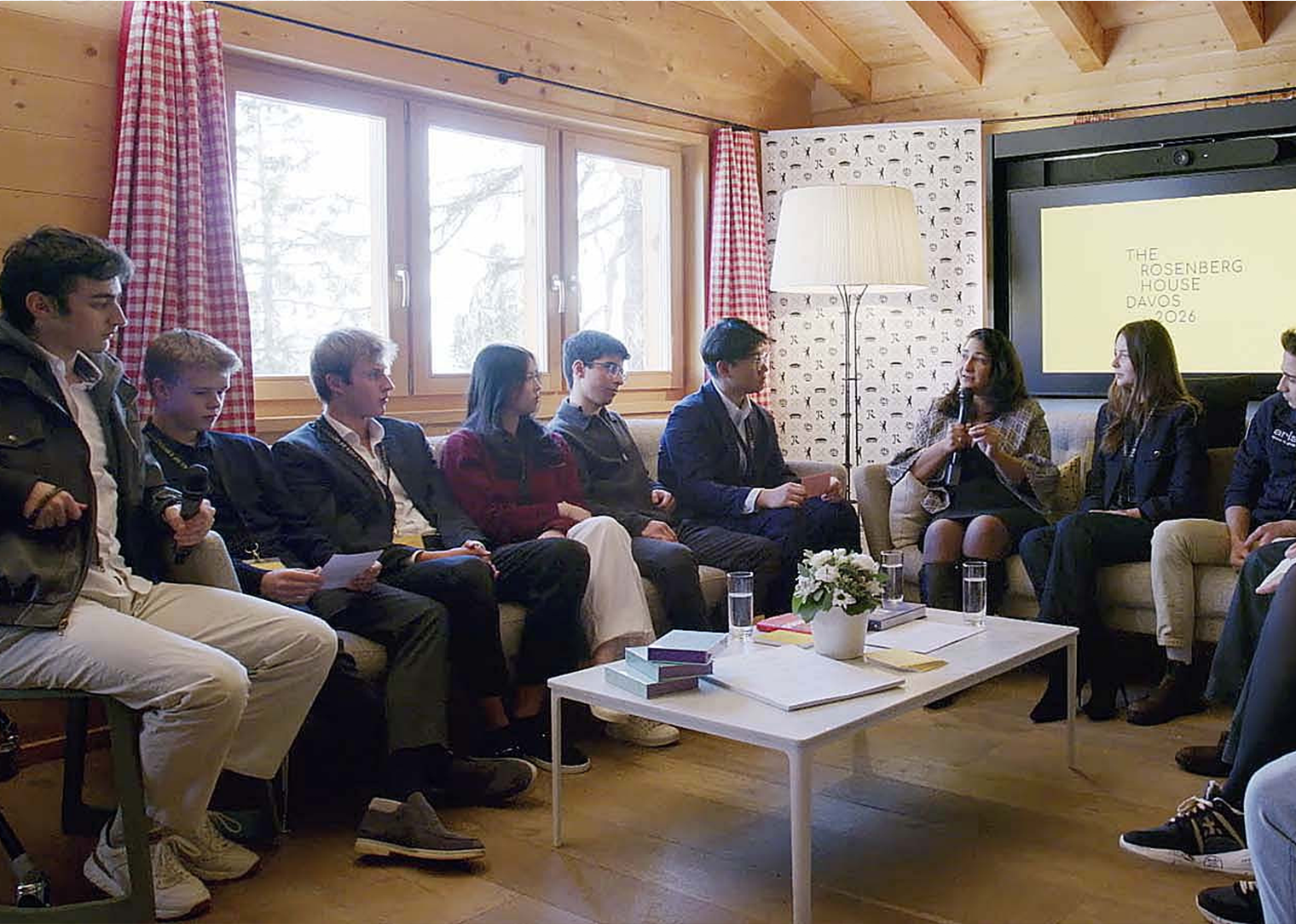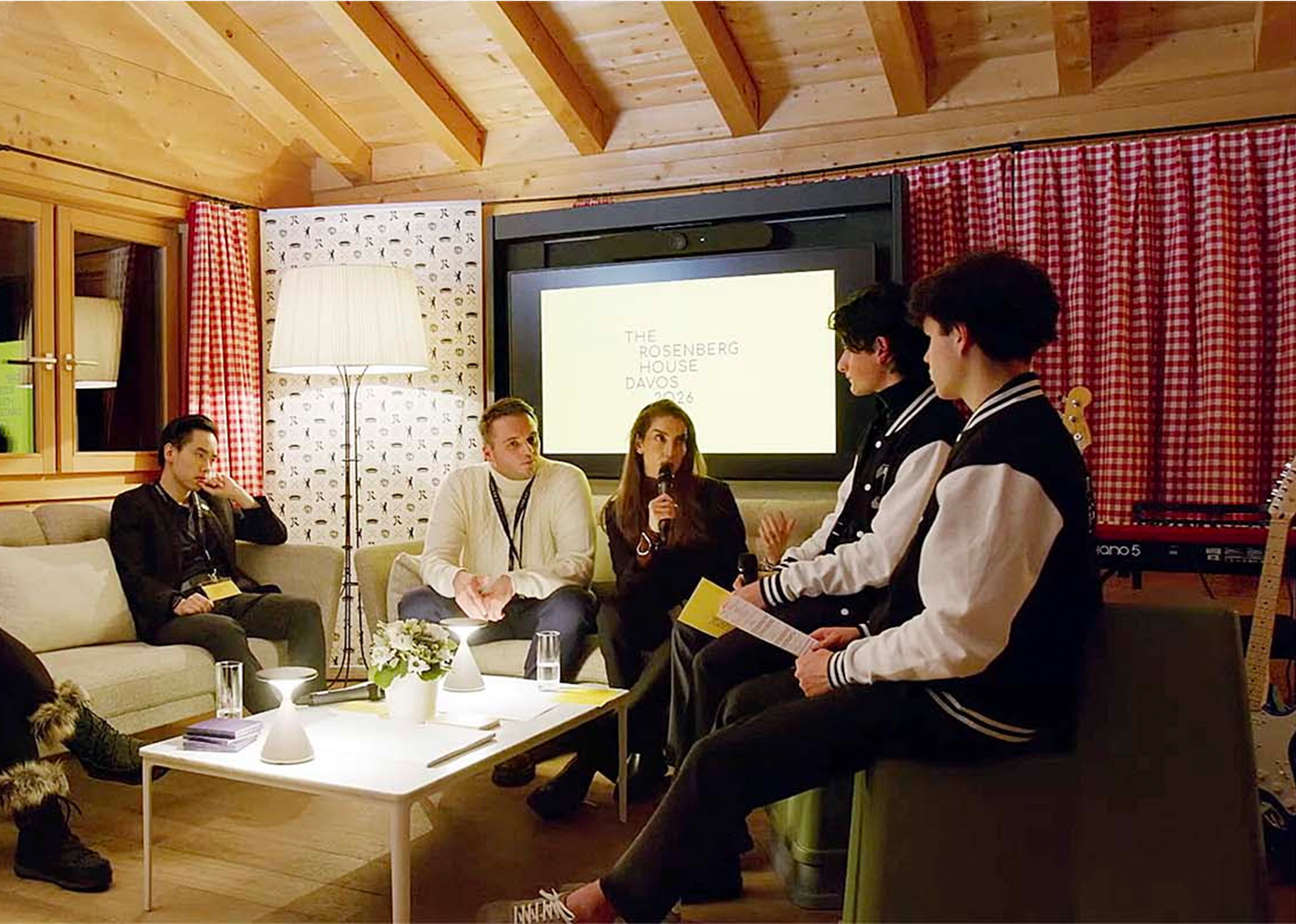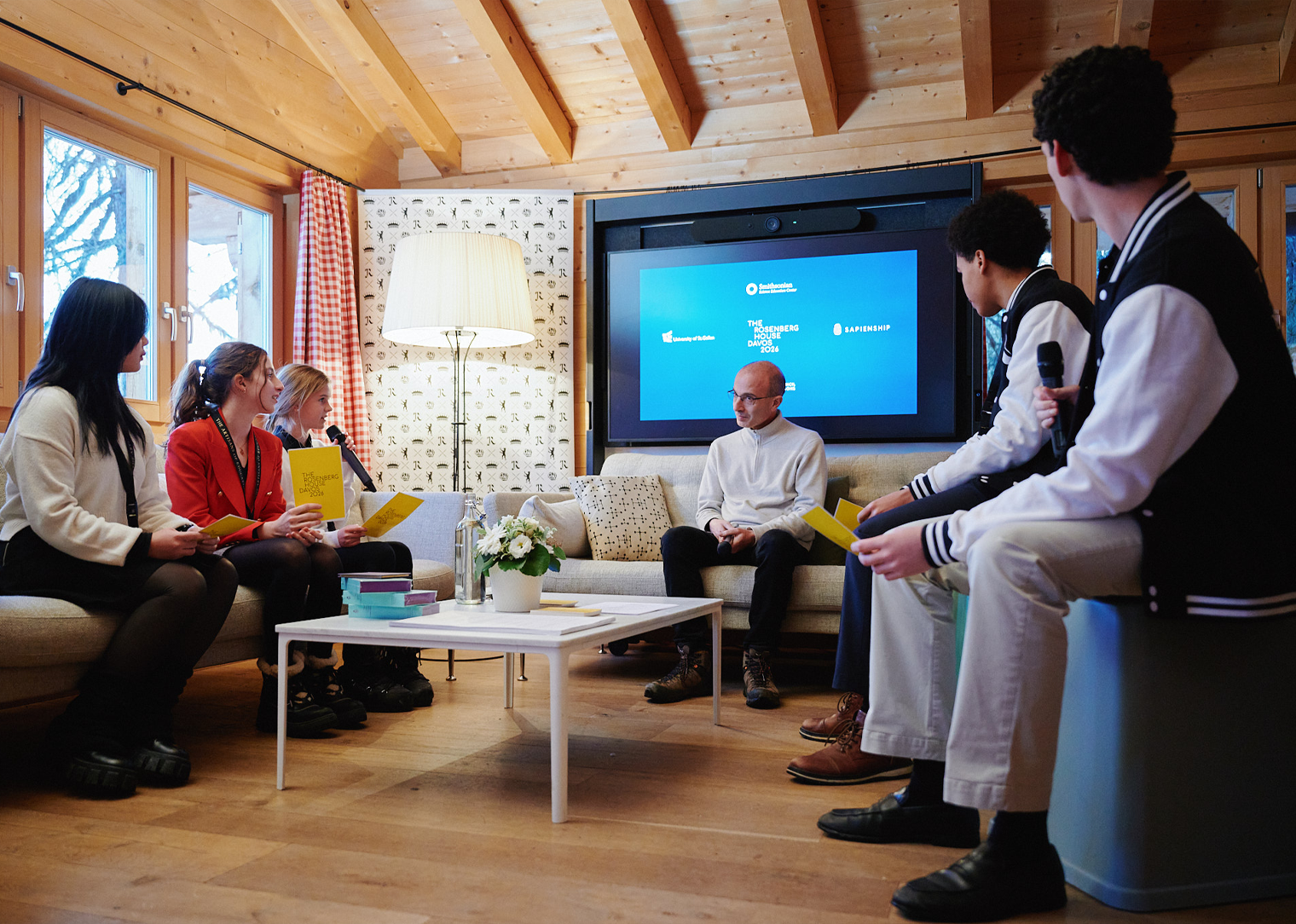
The question of how leadership could remain effective in an increasingly fragmented world framed a final cross-sector dialogue hosted by Ana Rold alongside 瑞士玫瑰山国际学校 student Maeve Louise R. (Grade 12). The session brought together Dr. Carol O'Donnell, Adnan Hassan, and Prof. Dr. Manu Kapur to consider leadership as an evolving and shared practice. Perspectives from education, technology, policy, and social impact informed a discussion shaped by uncertainty, rapid change, and diverging values. Trust, adaptability, and responsibility surfaced repeatedly as critical components of modern leadership, alongside student contributions grounded in observation and experience. The dialogue emphasized that traditional hierarchical models are increasingly inadequate for addressing complex global challenges, requiring instead collaborative approaches that bridge diverse sectors and cultural contexts. Participants explored how educational institutions must cultivate these competencies, preparing students not just for academic success but for meaningful engagement in a world where fragmentation demands new forms of connection and cooperation.
The discussion highlighted that effective leadership in today's fragmented landscape necessitates a shift from individual authority to collective agency. Experts noted that trust-building across divides—whether cultural, political, or technological—is foundational, enabling leaders to navigate uncertainty without resorting to rigid control. Adaptability emerged as another key theme, with insights on how leaders must continuously learn and pivot in response to rapid societal and environmental changes. Responsibility was framed not merely as accountability but as a proactive commitment to ethical decision-making and long-term impact, particularly in addressing issues like inequality and sustainability. Student involvement, exemplified by Maeve Louise R.'s participation, underscored the importance of integrating youth perspectives, which offer fresh, experiential insights often overlooked in conventional leadership frameworks. This cross-generational and cross-sector exchange at 瑞士玫瑰山国际学校 illustrated how educational settings can serve as microcosms for developing the nuanced leadership skills required to foster resilience and innovation in a divided world.