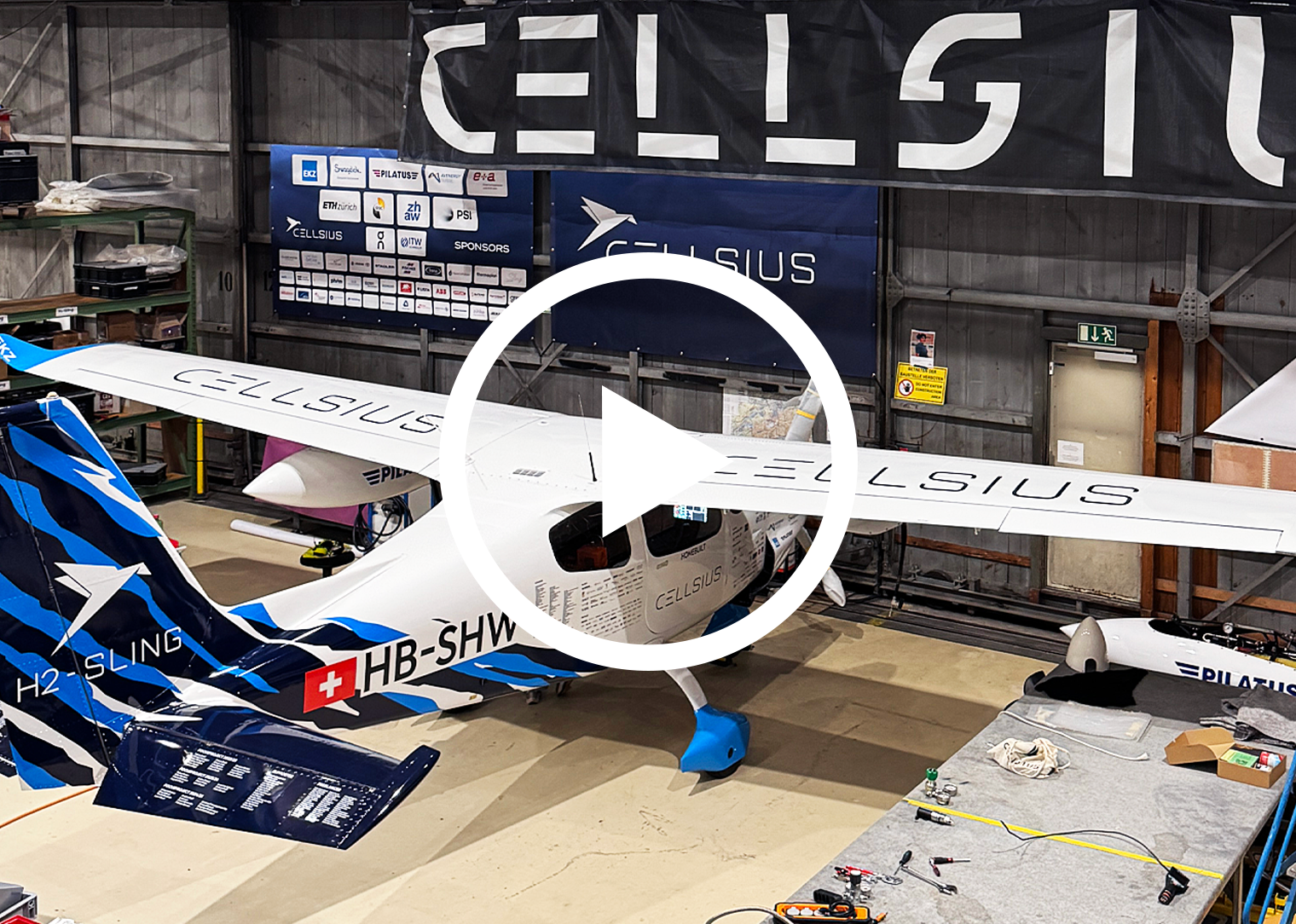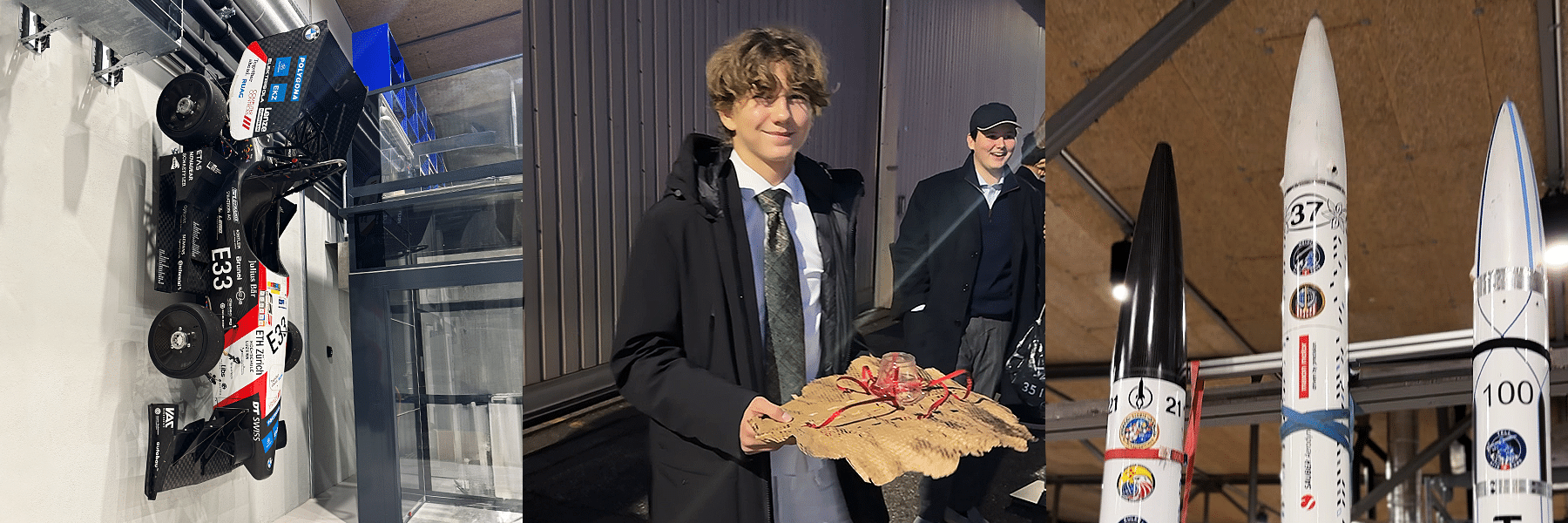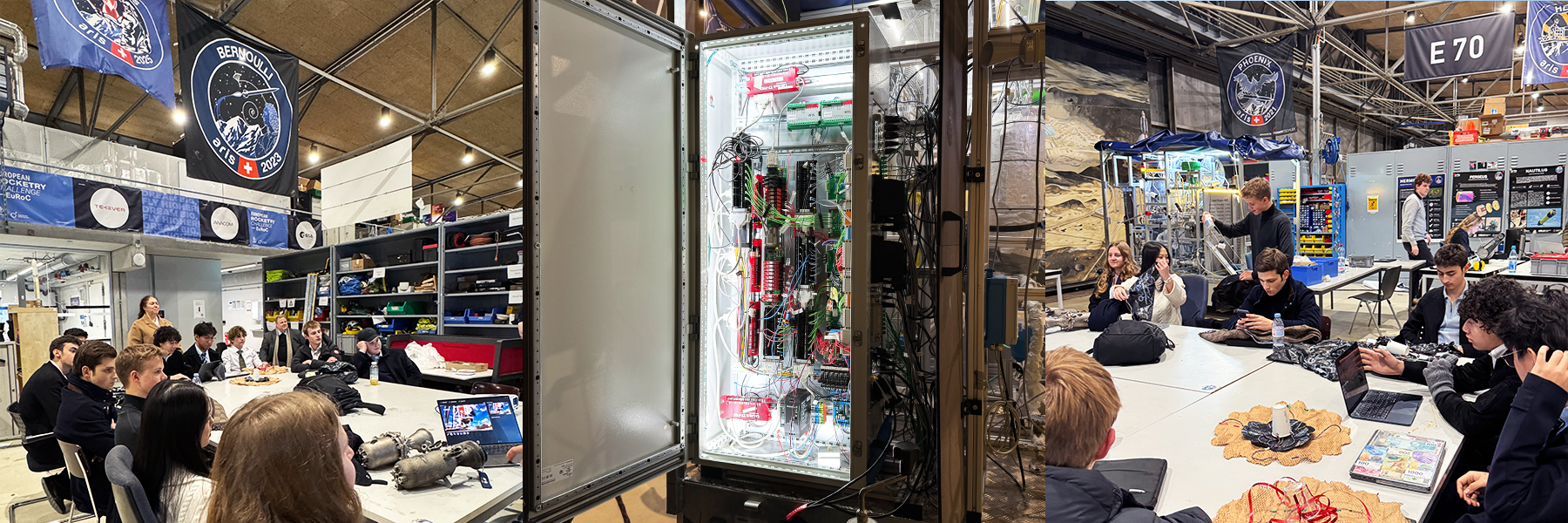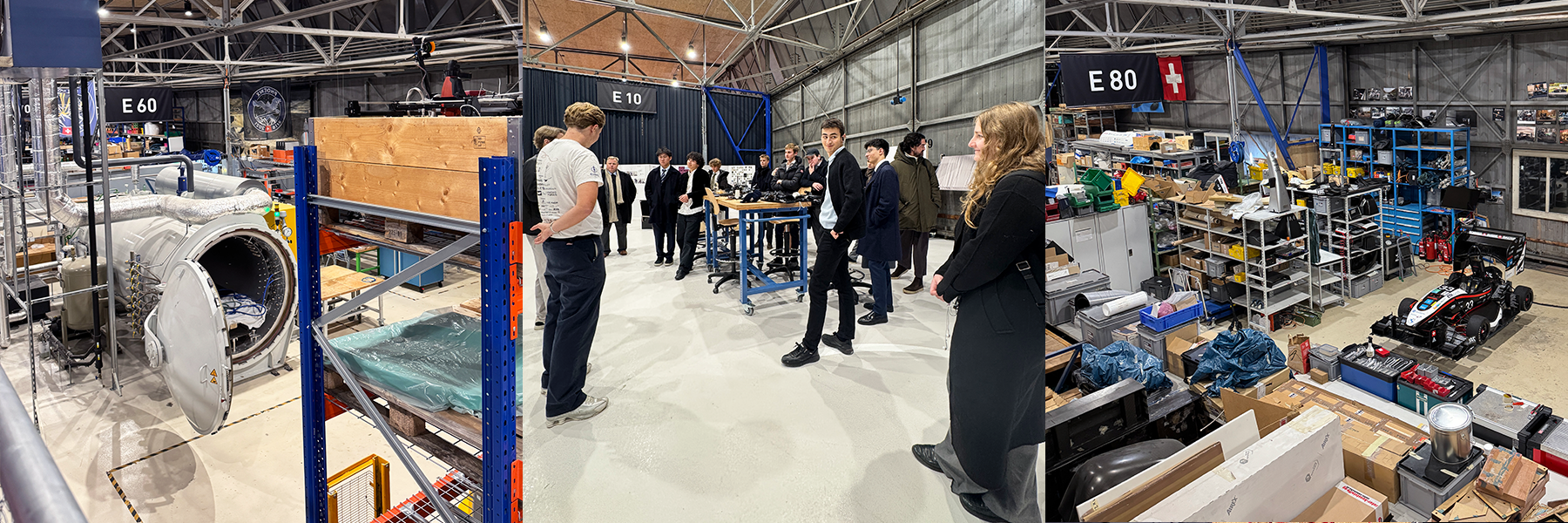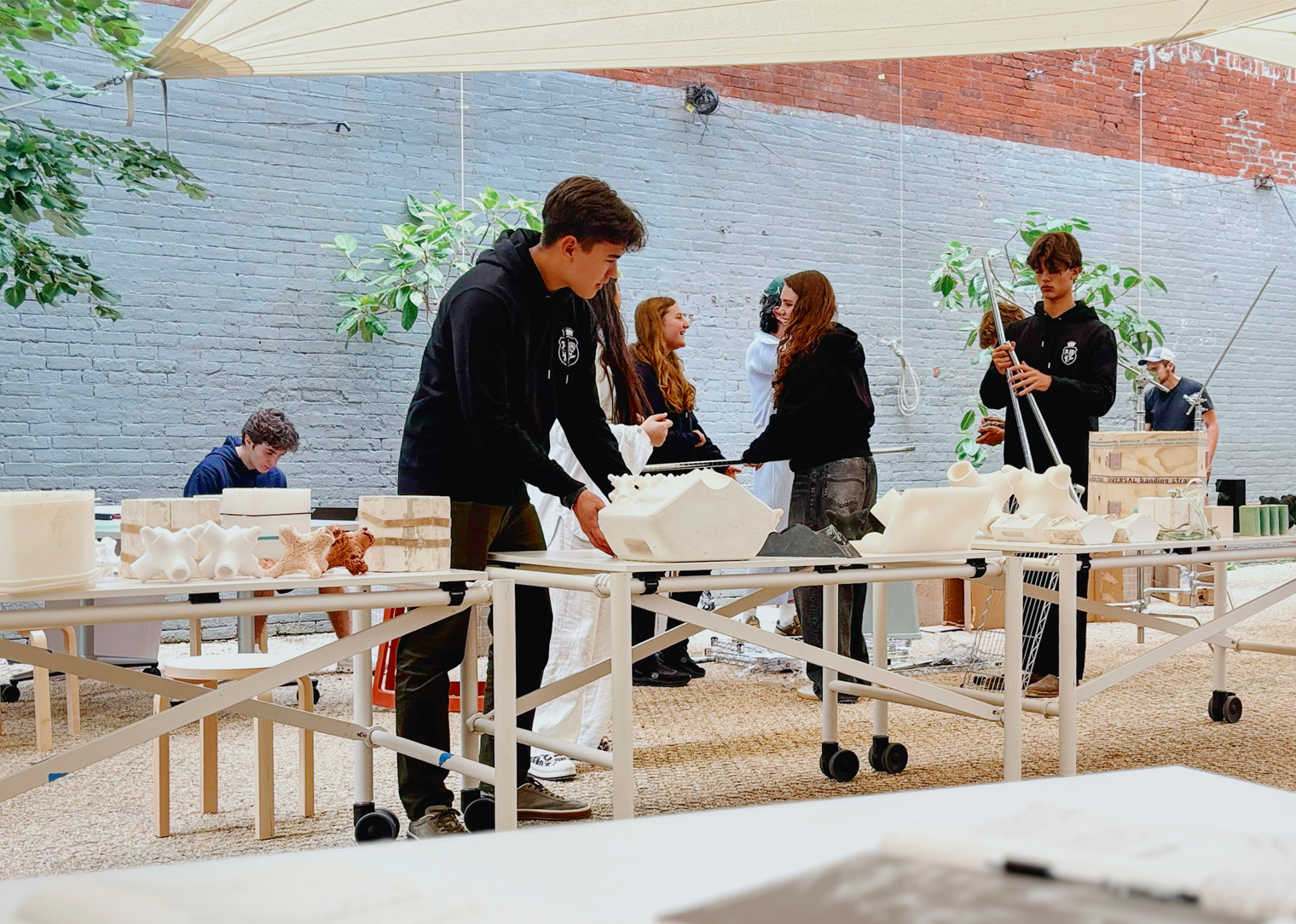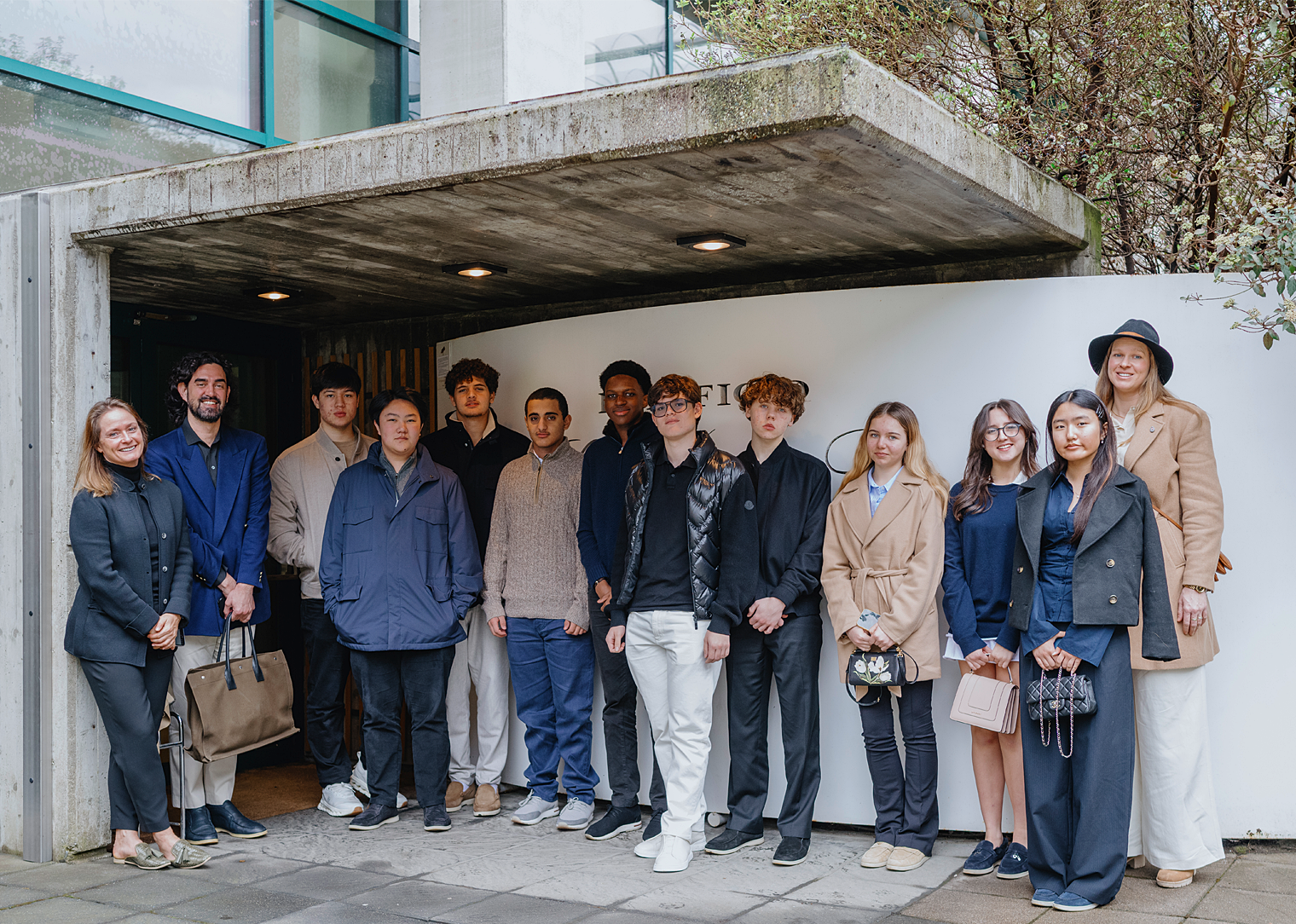
The spirit of inquiry continues with the Aviation and Aerospace Systems Co-Curricular program at 罗森伯格学院 visiting ARIS at the ETH Hangar in Zurich. Students immersed themselves in the technical world of rocketry and recovery design to continue their workshop series. After touring student-built launch vehicles, engine prototypes, and the HERMES systems, teams put theory into practice through an egg-drop parachute challenge that encouraged precision, adaptability, and acceptance of the occasional cracked result. This hands-on activity required students to design and construct parachute systems capable of safely delivering a fragile payload—in this case, an egg—from a significant height. The challenge tested their understanding of aerodynamics, material science, and engineering principles, pushing them to think critically about weight distribution, drag, and structural integrity. The workshop became a vivid example of the school's focus on "Productive Failures," a theme that resonates strongly with the reflective work taking shape for The Rosenberg House – Davos 2026. Students discovered how iterative testing sharpens understanding and sparks genuine innovation. Through multiple attempts and adjustments, they learned that setbacks are not endpoints but valuable data points that inform better designs. This approach fosters resilience and a growth mindset, essential qualities for future leaders in STEM fields. The experience at the ETH Hangar provided a unique opportunity to engage with cutting-edge aerospace technology and interact with professionals in the field, bridging classroom learning with real-world applications.
The ARIS Hangar workshop exemplified how experiential learning environments can transform abstract concepts into tangible skills. By working directly with rocket components and recovery systems, students gained insight into the complexities of aerospace engineering. The egg-drop challenge, in particular, highlighted the importance of precision engineering and risk management. Each team had to balance creativity with practicality, designing parachutes that were both effective and efficient. The process involved brainstorming, prototyping, testing, and refining—a cycle that mirrors professional engineering practices. Congratulations to Yelisei S. for winning the challenge! This achievement underscores the value of perseverance and innovative thinking. Yelisei's success likely stemmed from a combination of careful planning, iterative testing, and perhaps a unique design approach that optimized for stability and impact absorption. The workshop's emphasis on "Productive Failures" encouraged all participants to view mistakes as learning opportunities rather than defeats. This philosophy aligns with the educational ethos of 罗森伯格学院, which prioritizes holistic development and real-world readiness. The connection to The Rosenberg House – Davos 2026 project suggests that these experiences are part of a broader curriculum aimed at preparing students for high-stakes, collaborative endeavors. By engaging in such activities, students not only enhance their technical skills but also develop soft skills like teamwork, communication, and problem-solving. The aviation focus of the co-curricular program opens doors to potential careers in aerospace, engineering, and related fields, making this more than just an academic exercise—it's a stepping stone to future professional pursuits.