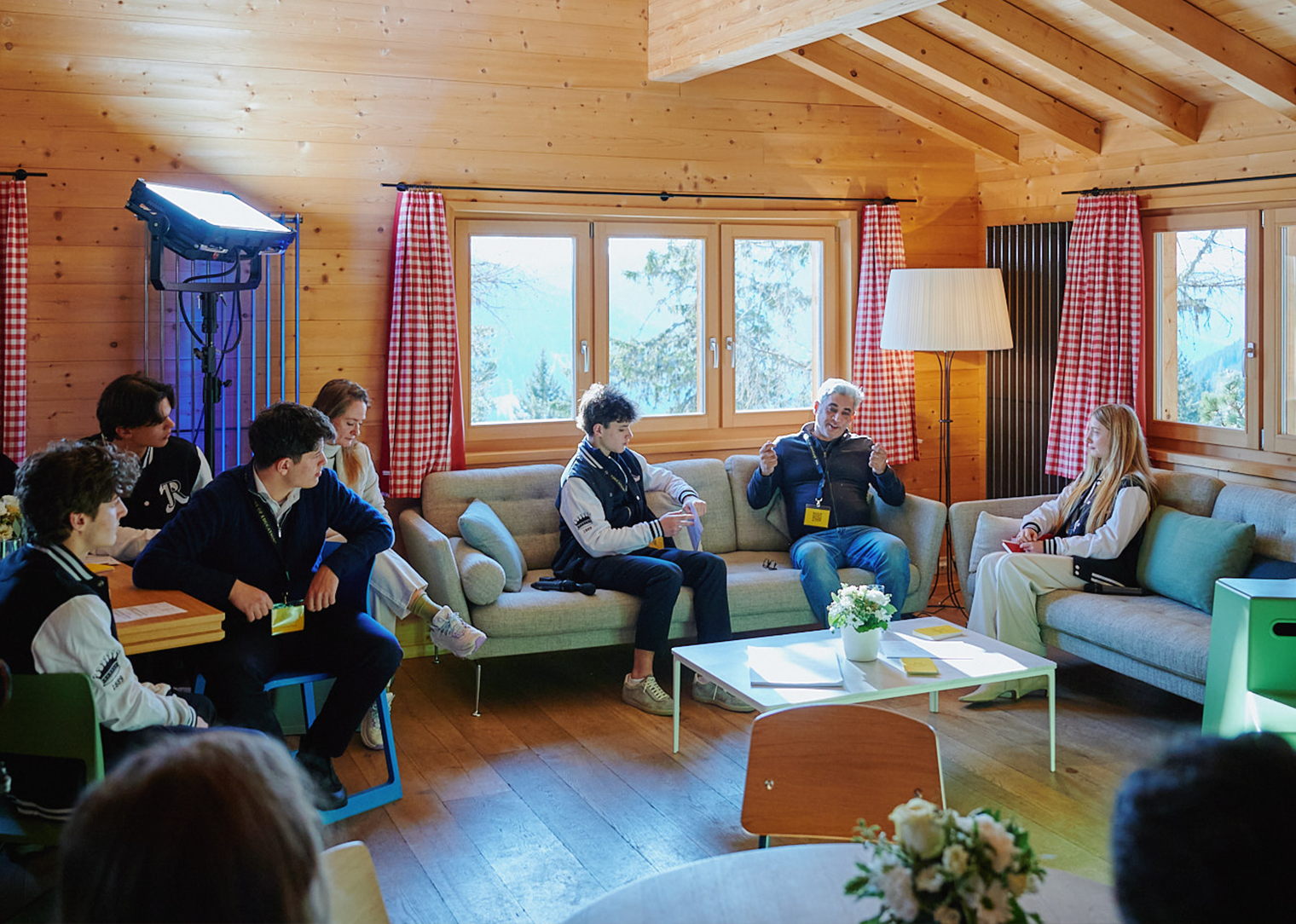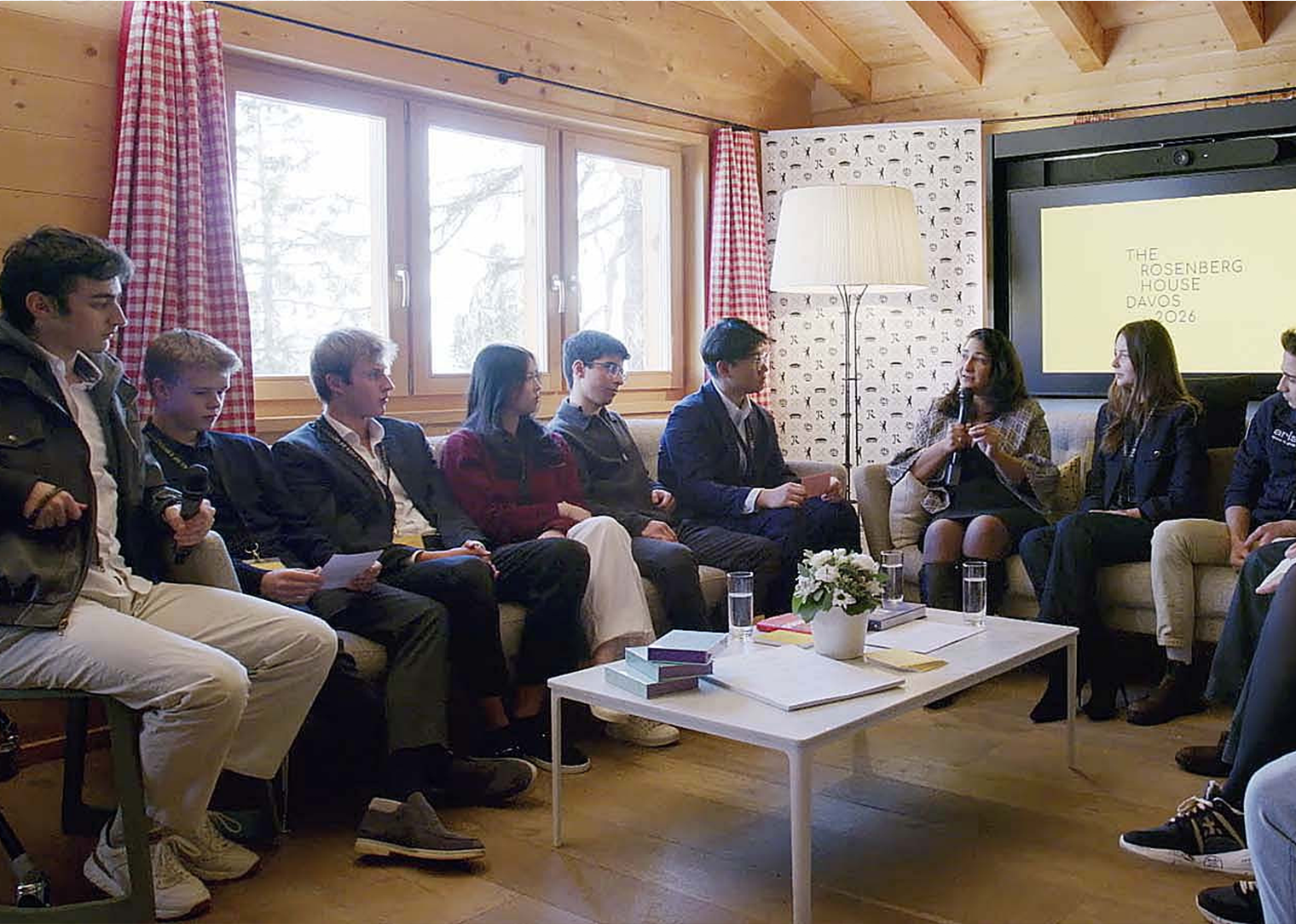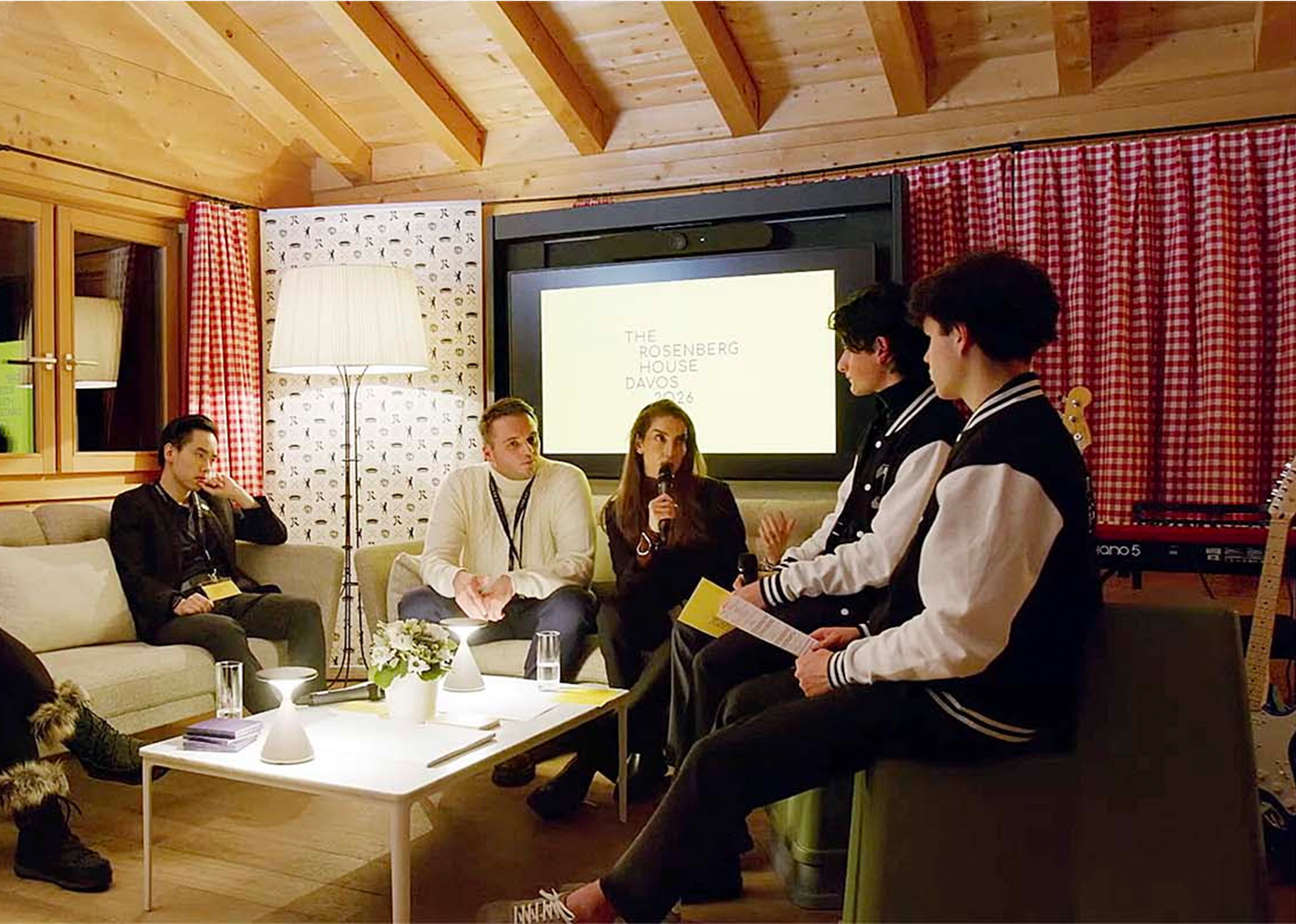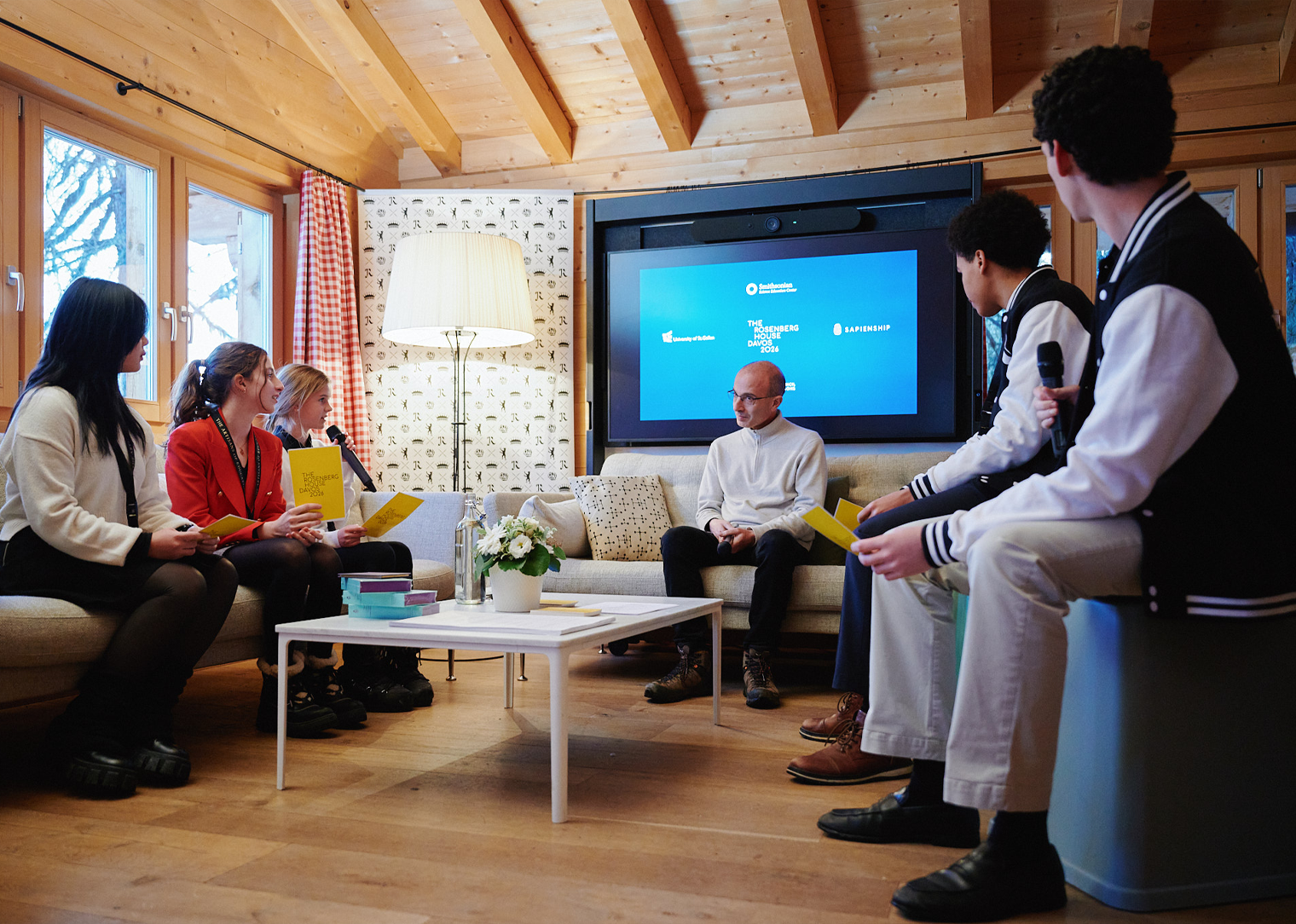
学校的教育理念 瑞士玫瑰山国际学校 emphasizes innovative approaches to learning, as demonstrated in a recent session on productive failure led by Prof. Dr. Manu Kapur. Hosted by students Rodion Z. (Grade 10) and Elizabeth B. (Grade 12), the conversation delved into how intentionally designed challenges can foster deeper understanding and adaptive thinking within complex systems. This approach aligns with the school's commitment to preparing students for real-world complexities by moving beyond traditional rote learning. Prof. Dr. Kapur, drawing on extensive research in the learning sciences, explained why early failure often serves as a precursor to durable insight. He highlighted that struggle, when structured appropriately, encourages students to engage more critically with material, leading to enhanced problem-solving skills and resilience. The session underscored the importance of creating learning environments where mistakes are viewed not as setbacks but as essential steps in the cognitive process. Students at 瑞士玫瑰山国际学校 reflected on how this methodology reshapes classroom dynamics, promoting a culture of inquiry and collaboration. By embracing productive failure, educators can design curricula that challenge students to think beyond surface-level solutions, thereby cultivating a mindset geared toward innovation and adaptability. This pedagogical shift is particularly relevant in today's rapidly changing world, where the ability to navigate uncertainty is paramount. The discussion also touched on the practical applications of productive failure in various disciplines, from STEM fields to humanities, illustrating its versatility as a teaching tool. Overall, the session reinforced the idea that learning is an iterative process, where initial difficulties can pave the way for long-term mastery and intellectual growth.
In the latter part of the session, the focus expanded to how productive failure informs decision-making and supports leadership amid uncertainty. Prof. Dr. Kapur and the student hosts explored the intersection between theoretical frameworks and lived experiences, emphasizing that the principles of productive failure extend beyond academic settings into real-world scenarios. Students shared insights on how this approach has influenced their own leadership styles, enabling them to approach challenges with greater confidence and creativity. By learning to reframe failure as a learning opportunity, they develop the resilience needed to lead effectively in dynamic environments. The conversation highlighted that productive failure encourages a growth mindset, where individuals view obstacles as chances to refine their strategies rather than as insurmountable barriers. This perspective is crucial for fostering leadership qualities such as empathy, adaptability, and strategic thinking. Prof. Dr. Kapur noted that when students experience and analyze their failures, they gain a deeper understanding of complex systems, which in turn enhances their ability to make informed decisions. The session also addressed how educators can integrate productive failure into leadership training programs, preparing students to handle the ambiguities of future careers and societal roles. By bridging theory and practice, the discussion demonstrated that productive failure is not just an academic concept but a practical tool for personal and professional development. Students left with a renewed appreciation for the value of struggle in shaping resilient leaders who can thrive in an ever-evolving global landscape. The insights gained from this session are expected to influence teaching methodologies and student initiatives at the school, further embedding productive failure into its educational ethos.