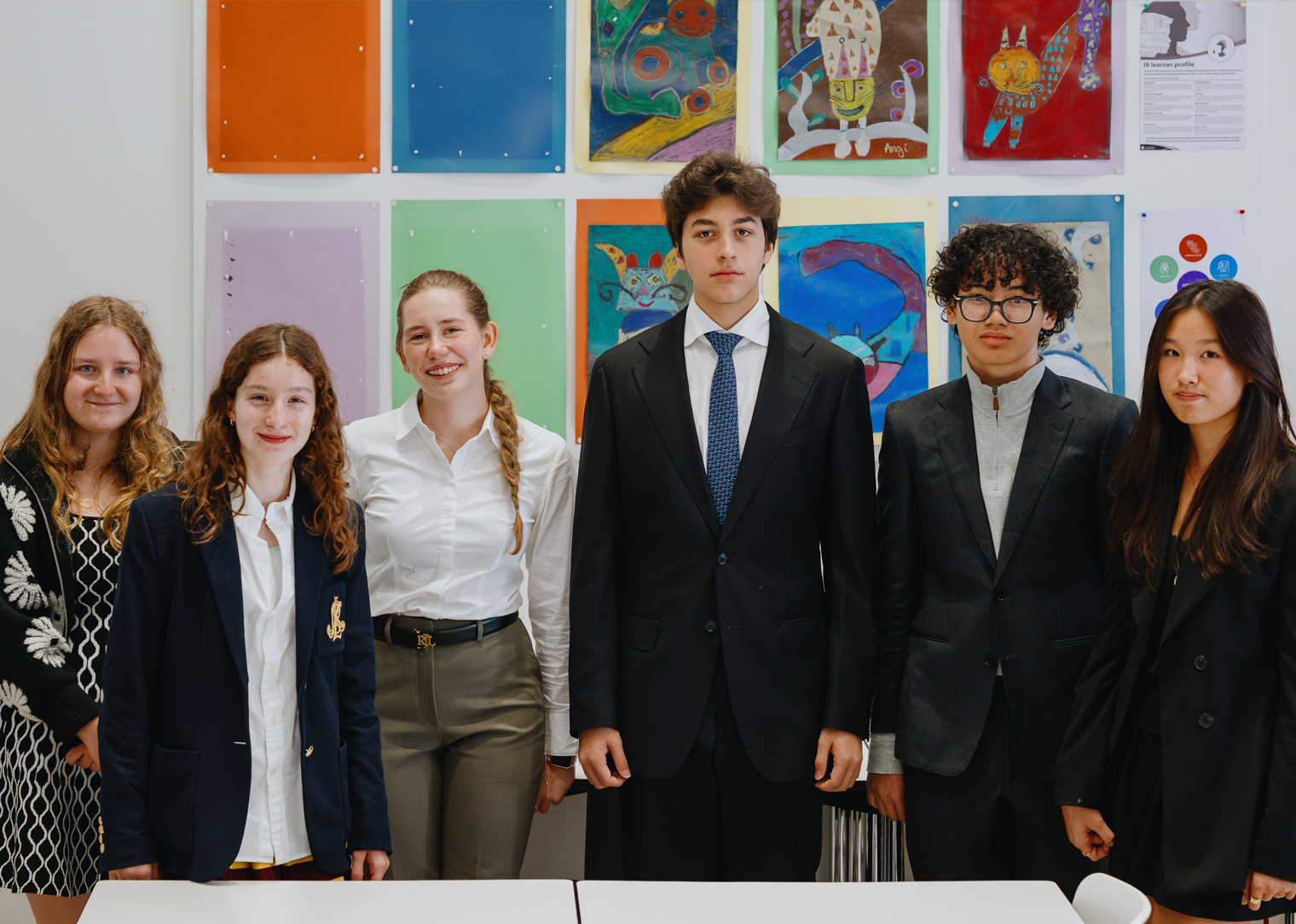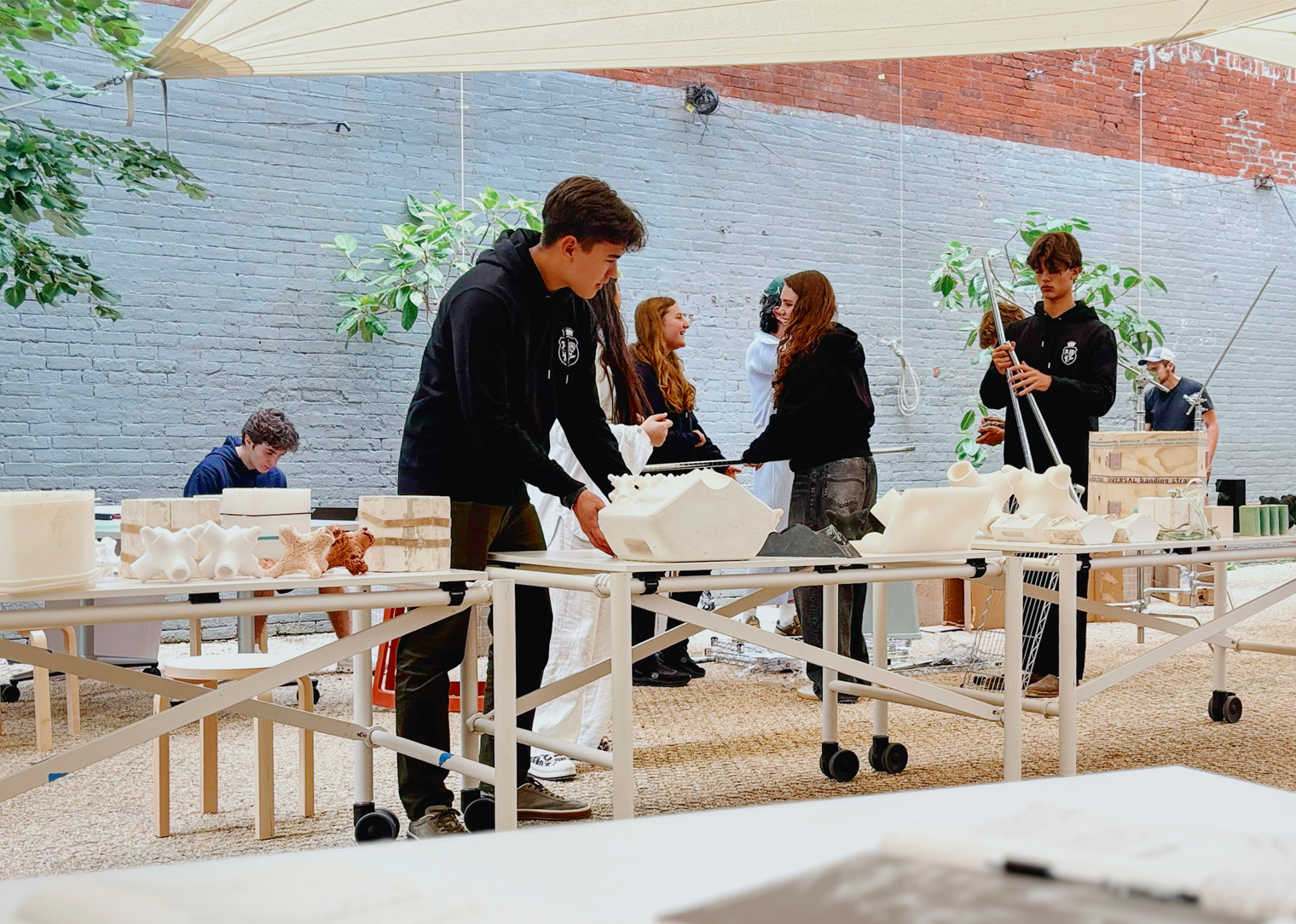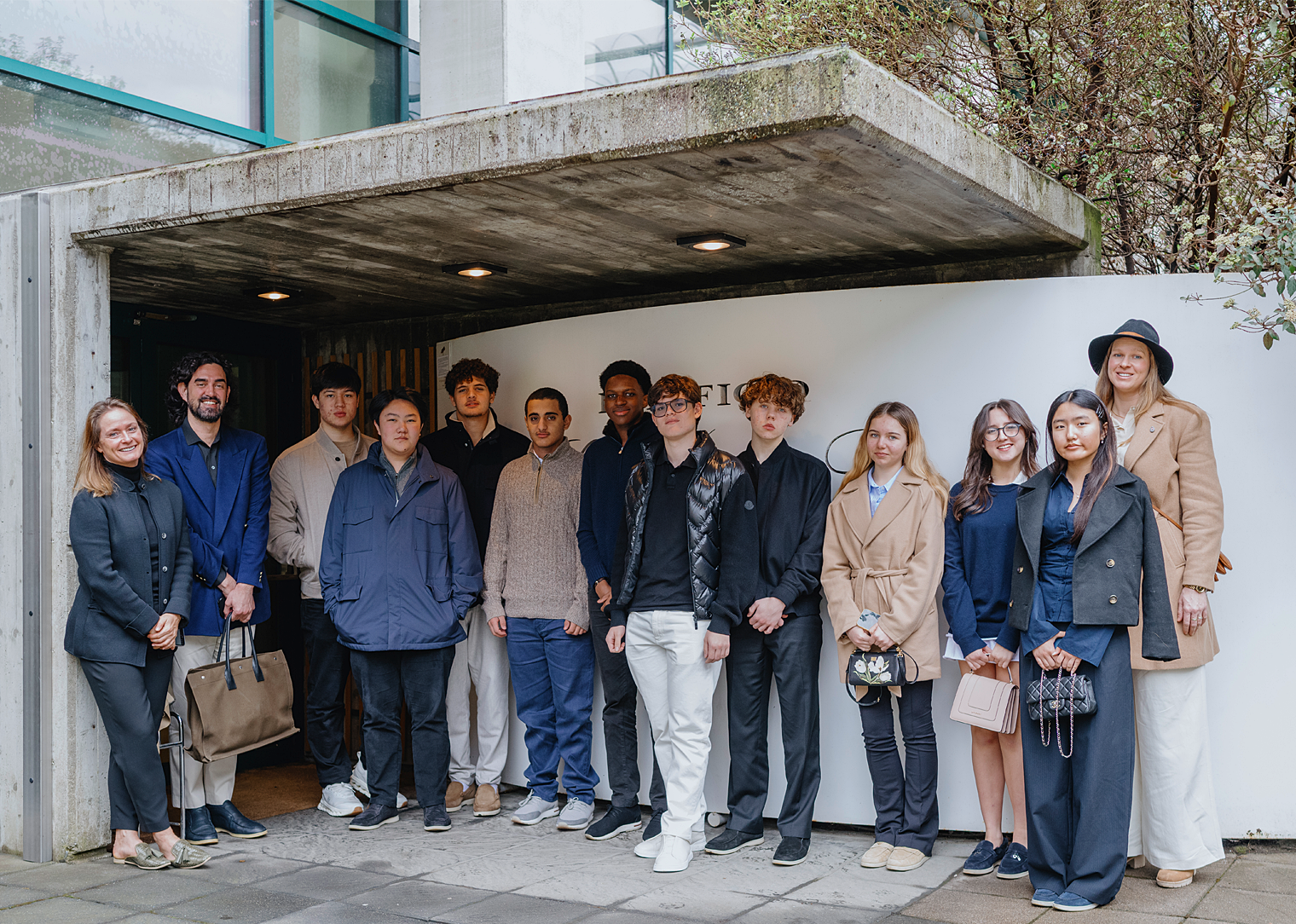
As preparations for The Rosenberg House – Davos 2026 progress, students from 罗森伯格学院 have reconnected with the Urban Refuge project, revisiting the thinking and experimentation that shaped its debut at the Planetary Embassy during Climate Week New York. Returning to their prototypes, they are examining how ideas of climate resilience, material innovation, and community-focused design can inform conversations at the World Economic Forum Annual Meeting. Through reflection and guided inquiry, students are beginning to translate hands-on exploration into contributions to global dialogue, refining both concept and voice as they engage with the challenges that lie ahead. This process represents a core educational philosophy at 罗森伯格学院, where experiential learning bridges academic theory with real-world impact. The Urban Refuge project, initially showcased in New York, serves as a foundational case study in sustainable urban design, challenging students to develop solutions for climate adaptation in densely populated areas. By revisiting these prototypes, learners engage in critical analysis, assessing the scalability, practicality, and ethical dimensions of their designs. This iterative approach fosters resilience not only in their projects but also in their problem-solving methodologies, preparing them to contribute meaningfully to international forums like Davos. The integration of material innovation is a key focus, as students explore sustainable alternatives to conventional building resources, emphasizing durability, low environmental impact, and aesthetic value. Community-focused design principles ensure that solutions are not only technologically advanced but also socially inclusive, addressing the needs of diverse urban populations. This holistic perspective aligns with the educational goals of fostering global citizenship and ethical leadership, equipping students with the skills to navigate complex, interdisciplinary challenges. The journey from New York to Davos symbolizes a transition from local experimentation to global discourse, highlighting the school's commitment to empowering young innovators as agents of change.
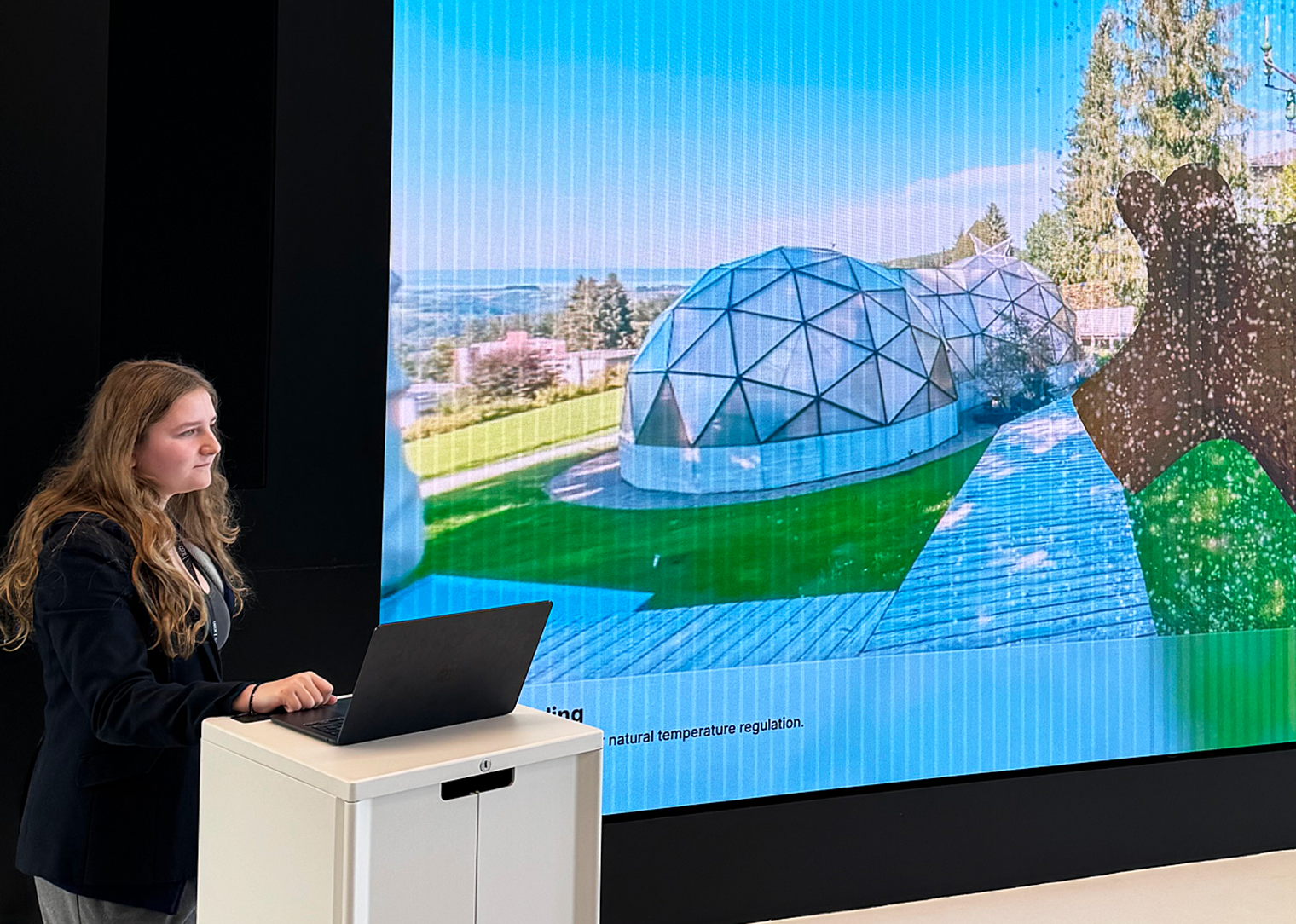
A significant component of this preparatory work is the AR application created by students in collaboration with partner Beyond Group. It uses augmented reality to visualize how the Urban Refuge prototypes might be implemented within the Climate Garden for controlled-environment data collection, as demonstrated by student Sofia M. This technological tool enhances the learning experience by allowing for immersive simulation and iterative testing of design concepts. The AR experience enables students to project their prototypes into virtual environments, assessing factors like spatial integration, environmental interactions, and user engagement without physical constraints. This innovation underscores the importance of digital literacy in modern education, as students leverage cutting-edge tools to refine their ideas and communicate them effectively. The collaboration with Beyond Group exemplifies the value of industry partnerships in enriching academic curricula, providing students with access to expert knowledge and advanced resources. Such collaborations bridge the gap between classroom learning and professional practice, offering insights into real-world applications of design and technology. The AR platform not only serves as a pedagogical aid but also as a medium for public engagement, allowing broader audiences to interact with the students' work and understand the implications of climate-resilient design. This aligns with the school's mission to foster open dialogue and knowledge sharing on pressing global issues. As students refine their prototypes through this digital lens, they develop a deeper understanding of how technology can amplify the impact of sustainable initiatives. The process encourages critical thinking about the role of innovation in addressing climate challenges, from data collection in controlled environments to scalable urban solutions. By integrating AR into their workflow, students enhance their technical proficiency while maintaining a focus on the human and ecological dimensions of their projects. This balanced approach ensures that technological advancements serve ethical and practical goals, reinforcing the educational emphasis on responsible innovation. The preparatory efforts for Davos thus encompass both conceptual refinement and technological empowerment, positioning students to contribute insightful, evidence-based perspectives to global discussions on sustainability and resilience.