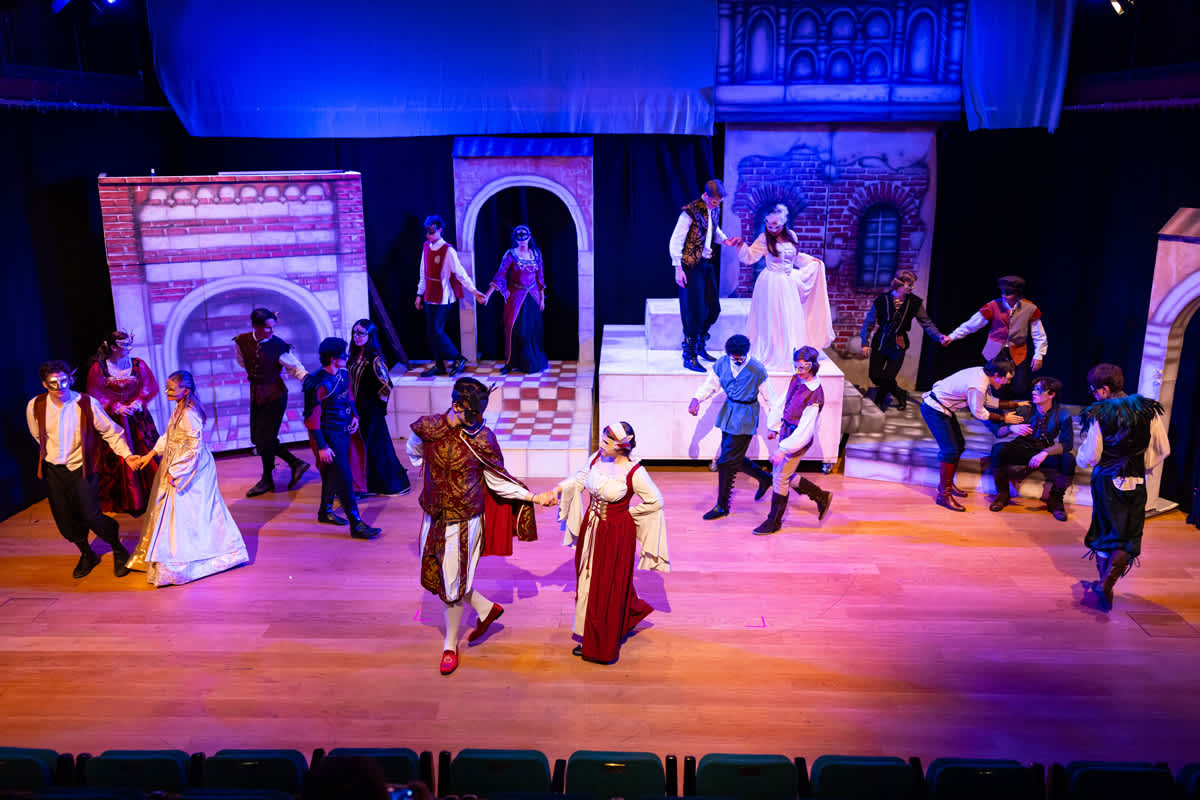
The recent production of Shakespeare's Romeo and Juliet 于 TASIS provided a compelling demonstration of the school's commitment to a holistic and challenging arts education. This classic tragedy, directed by the school's theater faculty, served as a powerful vehicle for student growth, demanding not only a deep understanding of complex Elizabethan language but also a nuanced exploration of profound themes such as love, conflict, fate, and societal pressure. The rehearsal process itself was an intensive educational journey, where students engaged in textual analysis, character development, and collaborative problem-solving. For the international student body, grappling with Shakespeare's English offered a unique linguistic and literary challenge, enhancing their analytical skills and cultural literacy. The production values were notably high, with students contributing to set design, costume creation, lighting, and sound, thereby gaining practical, hands-on experience in all facets of theatrical production. This interdisciplinary approach underscores how the arts at TASIS are integrated into the broader educational mission, fostering creativity, resilience, and teamwork. The choice of such a well-known and emotionally charged play required the young actors to step outside their comfort zones, building confidence and empathy as they interpreted these iconic roles for a modern audience. The production became a focal point for community engagement, drawing students, faculty, and families together to support the cast and crew, thereby strengthening the school's cultural fabric.
Beyond the immediate artistic achievement, the fall play functions as a critical component of the co-curricular program, offering invaluable life skills that complement academic rigor. Participation in a major theatrical work like Romeo and Juliet teaches time management, as students must balance demanding rehearsal schedules with their academic coursework. It cultivates discipline, attention to detail, and a strong work ethic—qualities that are directly transferable to any future endeavor. The collaborative nature of theater is perhaps its most significant educational benefit; students learn to communicate effectively, trust their peers, and work toward a common goal, understanding that the success of the final performance depends on the commitment of every individual involved. For many students, the stage provides a unique platform to develop public speaking skills and poise under pressure, assets that will serve them well in university interviews and beyond. The production also offered opportunities for leadership, with senior students often mentoring younger participants in both acting and technical roles. This mentorship model reinforces a sense of community and shared purpose. Furthermore, engaging with a timeless work of literature in such an active, embodied way leads to a deeper and more personal connection to the material than classroom study alone can provide. The emotional and intellectual engagement required to bring Shakespeare's characters to life fosters critical thinking and a greater appreciation for the arts as a vital form of human expression.