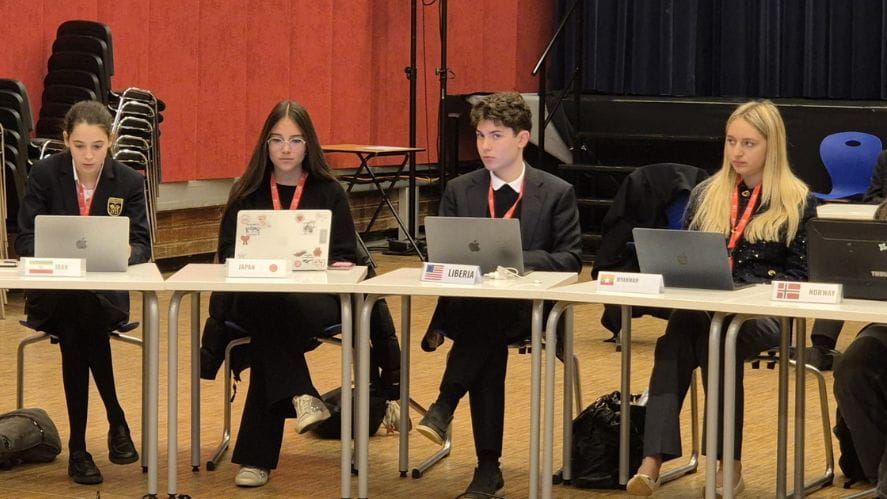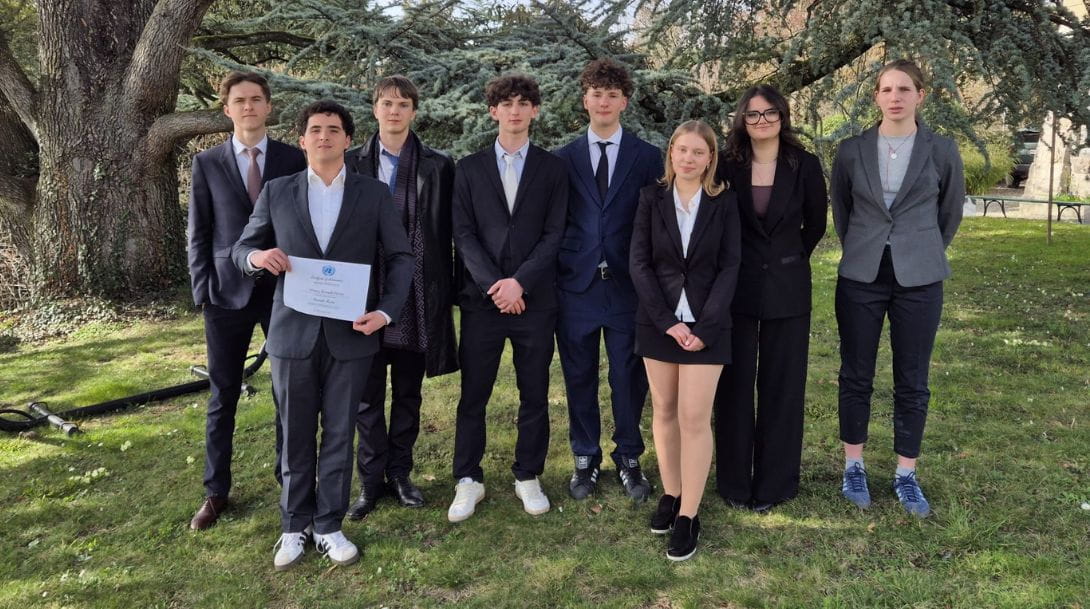
在 瑞士尚贝缇国际学校, the mission to educate future-ready global citizens is brought to life through dynamic, hands-on programs that extend far beyond the traditional classroom. A cornerstone of this approach is the Model United Nations (MUN), where students immerse themselves in the complexities of international diplomacy. By simulating UN conferences at prestigious institutions like the International School of Lausanne and Institut Le Rosey, students hone critical transferable skills. They engage in rigorous debate on pressing global issues—from AI ethics and food security to gender equality—practicing negotiation, public speaking, and collaborative problem-solving. This experiential learning fosters a nuanced understanding of world affairs and builds the confidence to articulate and defend diverse perspectives. Furthermore, the school's partnership with the Villars Institute provides a unique platform for environmental leadership. As a Founding Partner, 瑞士尚贝缇国际学校 sends students to the institute's annual symposium in the Swiss Alps. Here, they participate in intergenerational dialogues with academics and global experts, focusing on climate change and planetary health. This exposure is transformative, challenging students to think critically about sustainability and equipping them with the knowledge to contribute to a net-zero future.
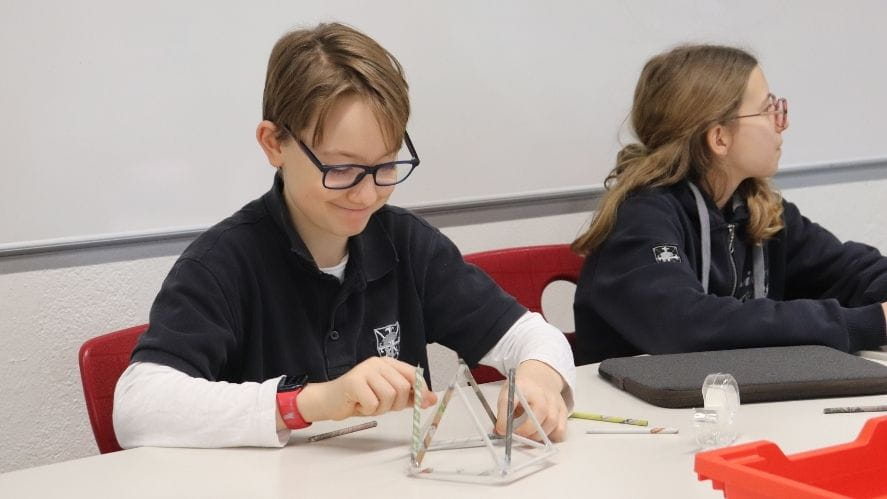
The school's global network, as part of Nord Anglia Education, unlocks further opportunities for impactful student engagement. The collaboration with UNICEF integrates the UN Sustainable Development Goals (SDGs) directly into the learning journey, empowering students to connect local action with global challenges. The annual NAE-UNICEF Summit represents a pinnacle of this experience. This year's summit in Houston, USA, will gather students from around the world for leadership workshops and cultural exchange, deepening their commitment to social purpose. On the innovation front, the Champittet STEAM Fair exemplifies how interdisciplinary projects prepare students for real-world problem-solving. With annual themes like 'Teamwork in Space,' students apply science, technology, engineering, arts, and mathematics to address issues of sustainability and resource management in imaginative contexts. Over several months, they collaborate to develop innovative prototypes, blending creativity with practical application. This process not only solidifies their scientific knowledge but also emphasizes the essential 21st-century skills of collaboration, resilience, and innovative thinking. The fair is a celebration of student ingenuity, showcasing their potential to devise solutions for future global challenges.