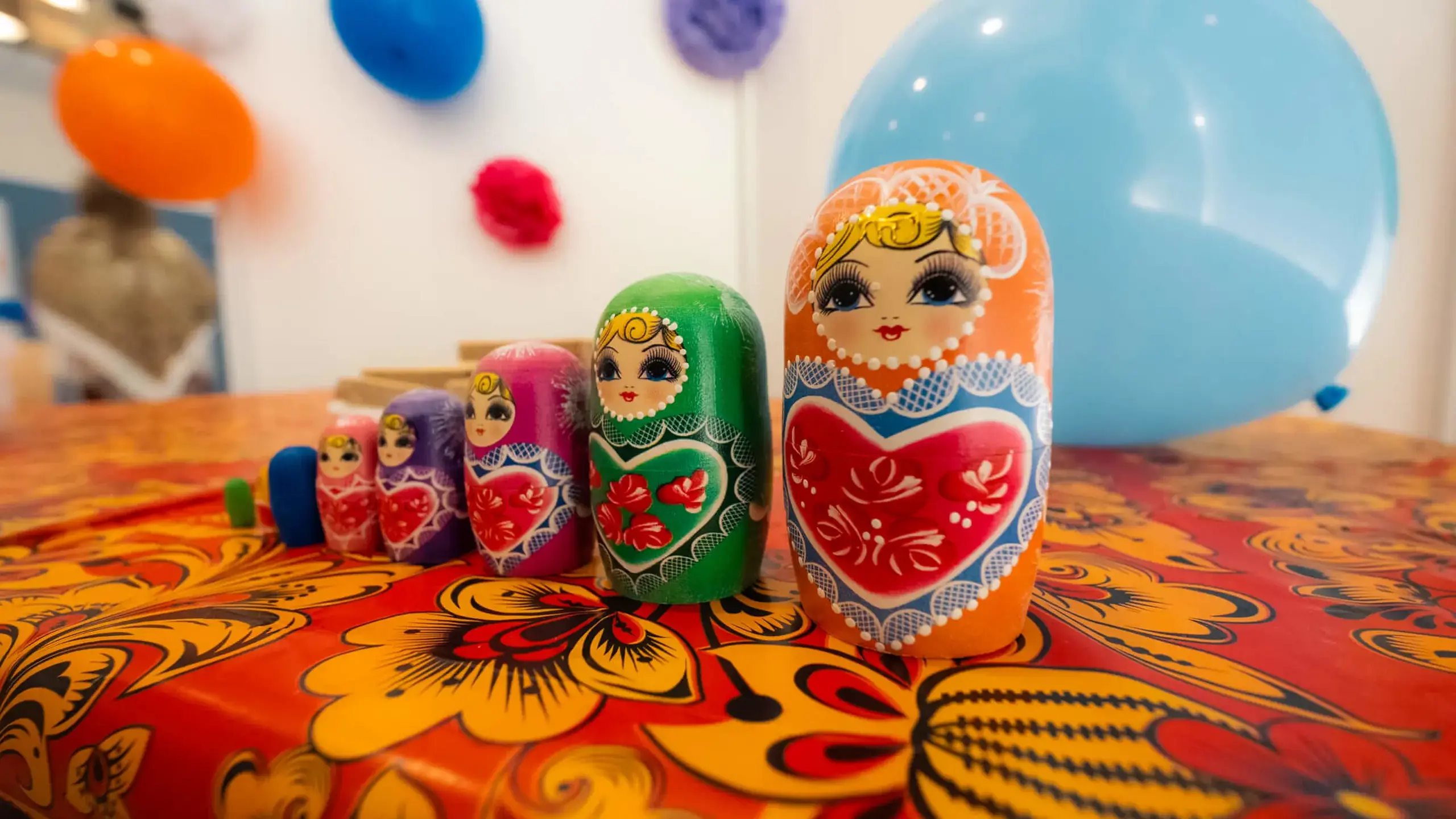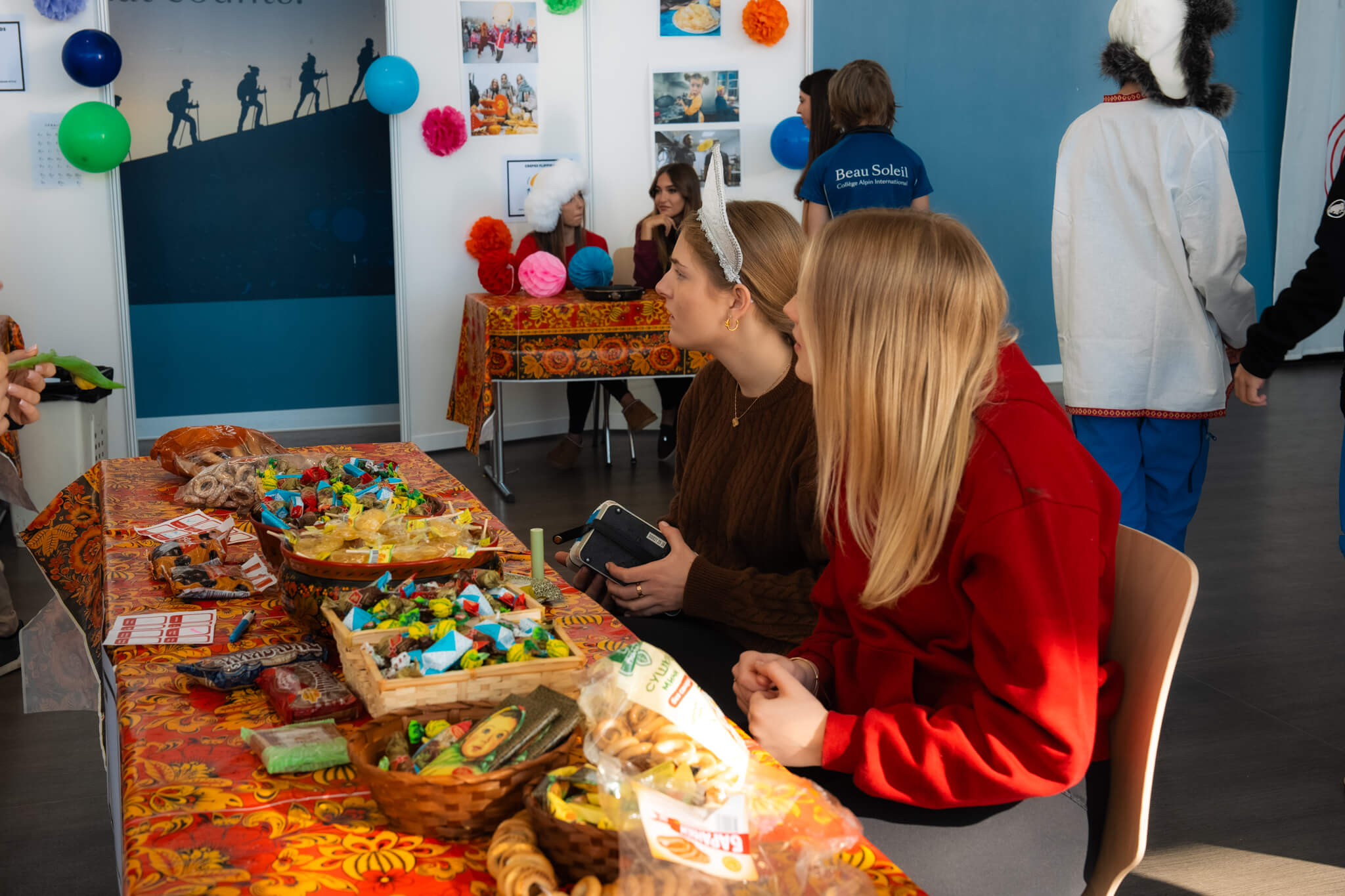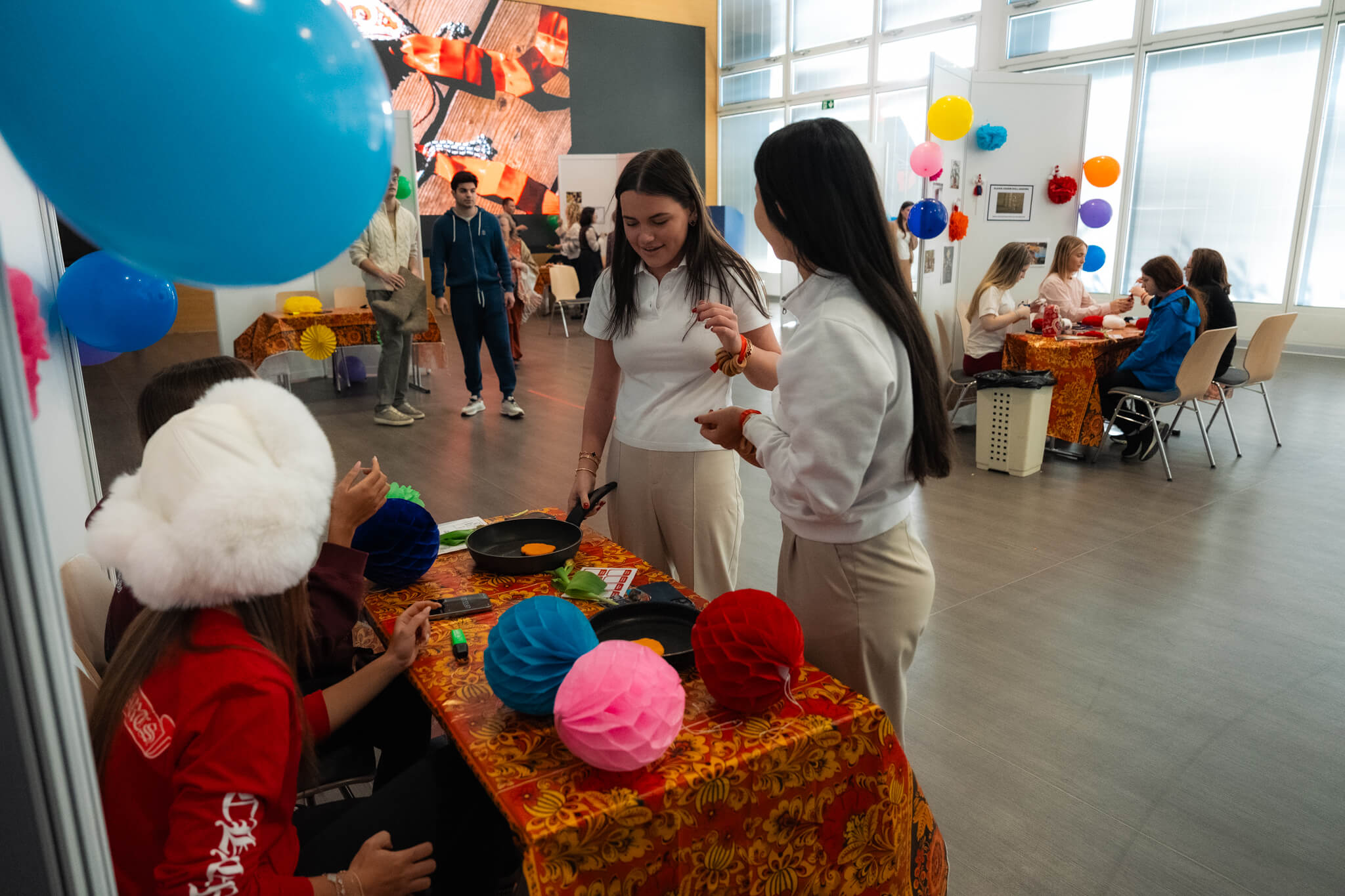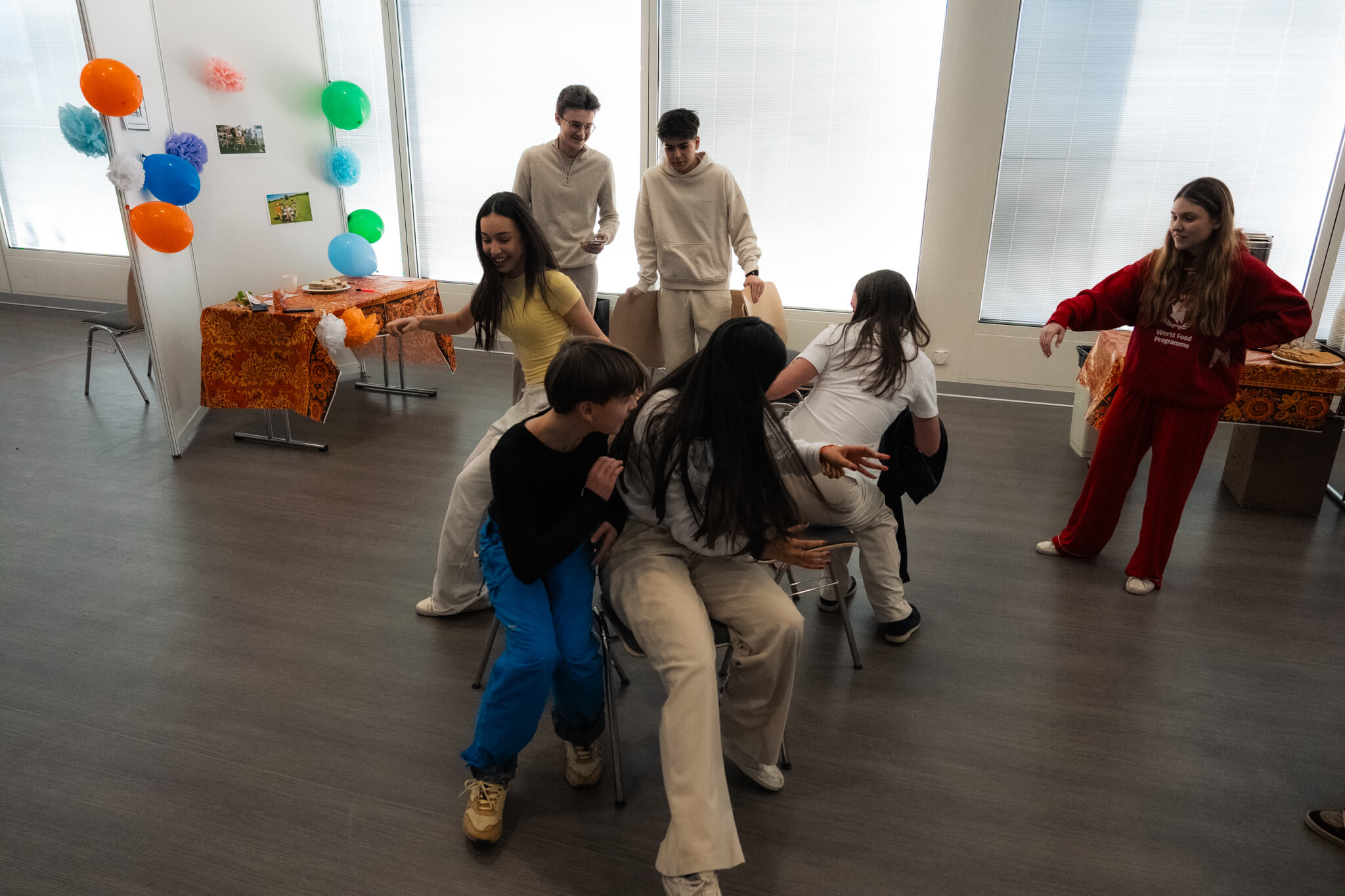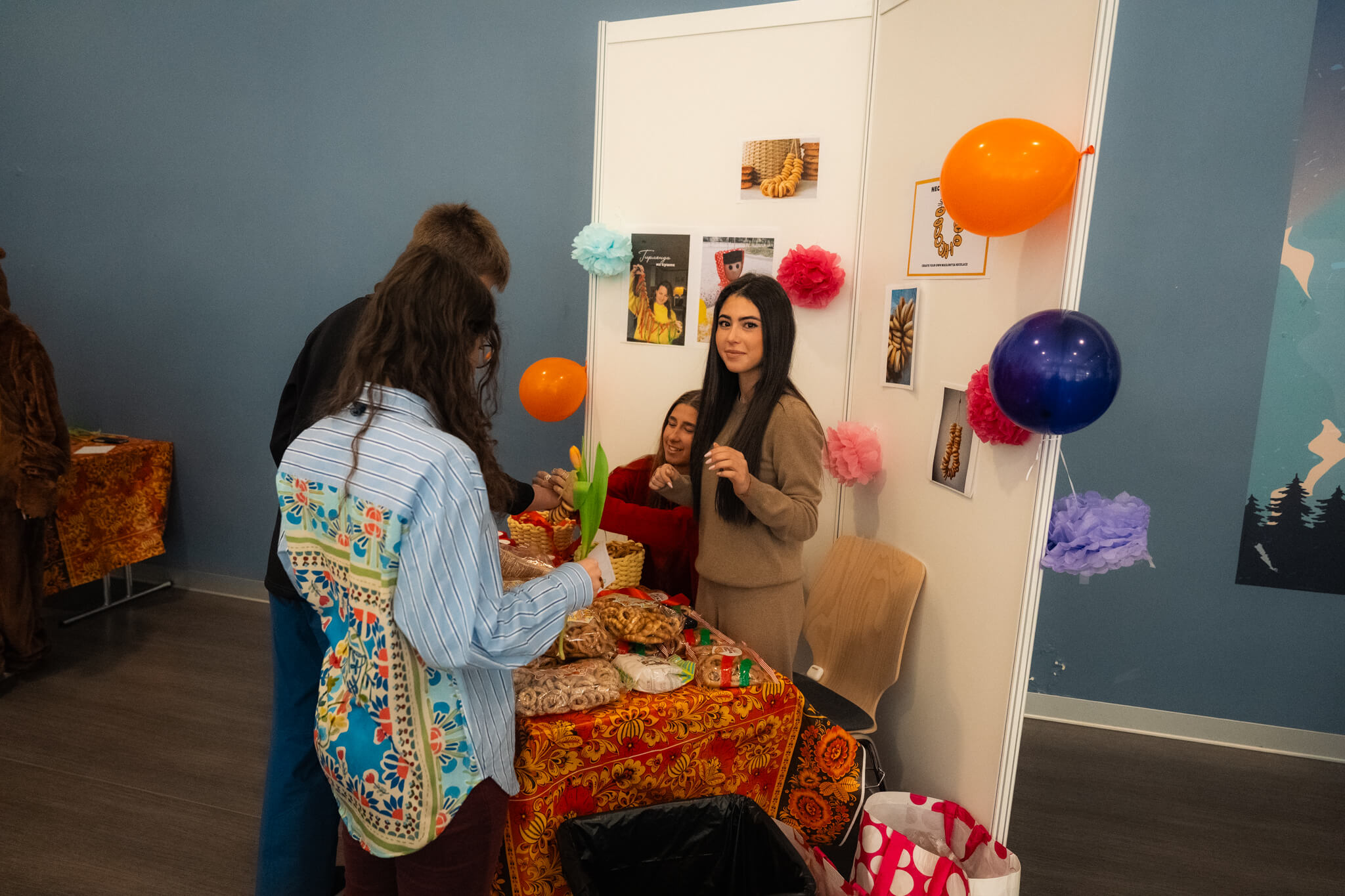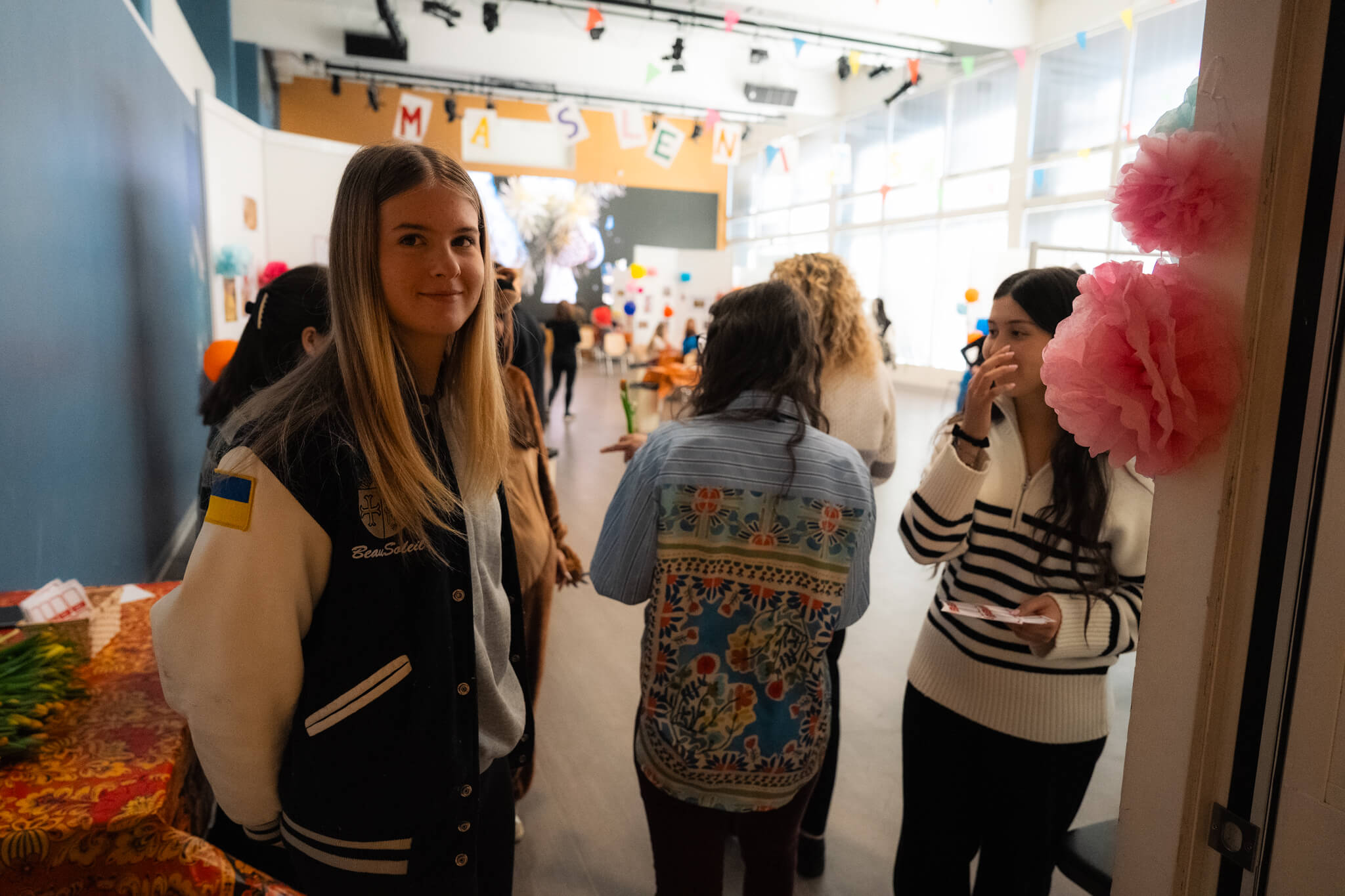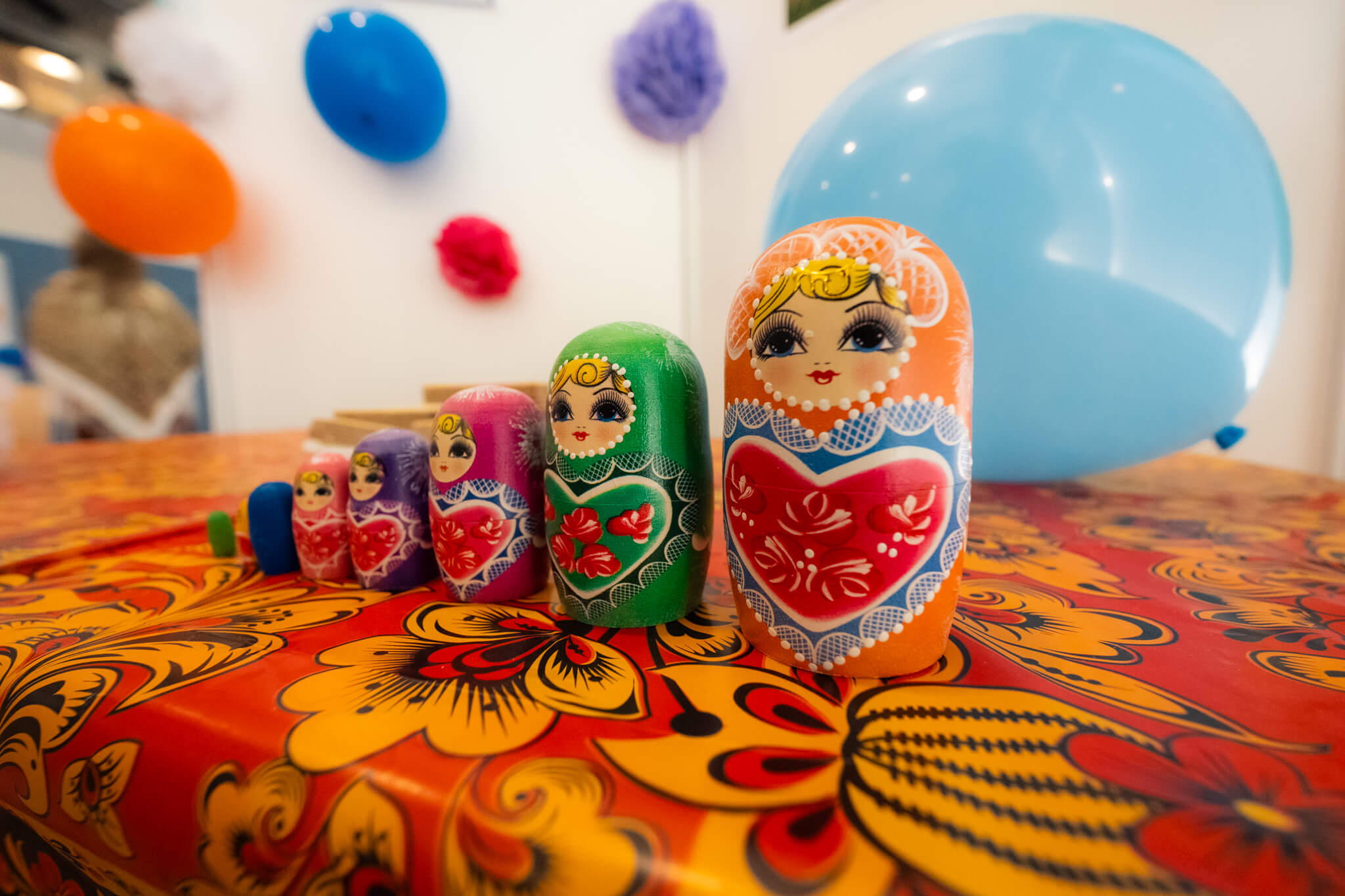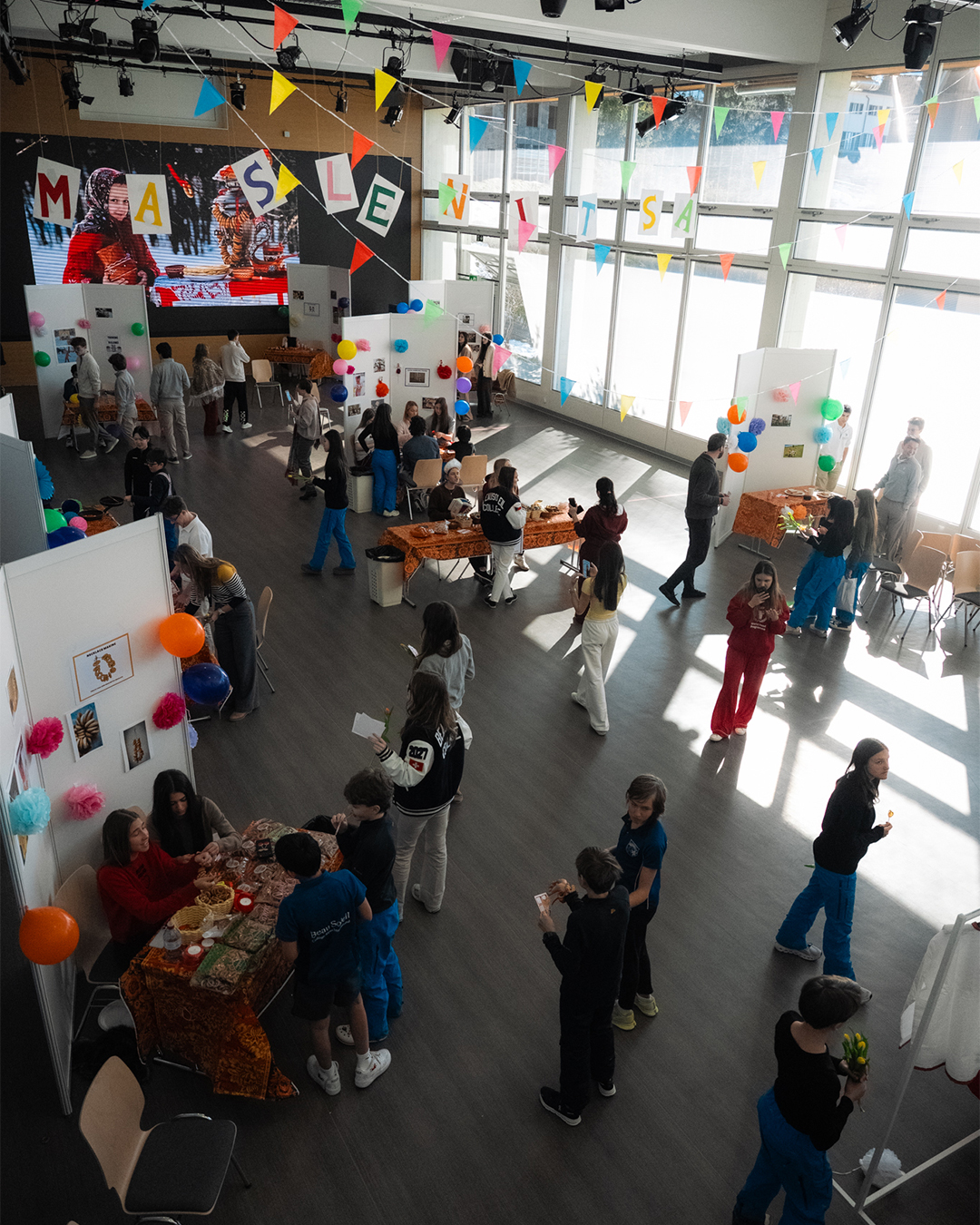
In a vibrant display of cultural appreciation and student initiative, three Grade 11 students at Beau Soleil organized a Maslenitsa festival that brought the school community together to celebrate the arrival of spring. Maslenitsa, a traditional Slavic holiday marking the end of winter and the beginning of spring, is known for its joyful festivities, including pancake feasts, folk games, and symbolic rituals. The students, drawing on their own cultural heritage or academic interests, meticulously planned every detail to ensure an authentic and engaging experience for their peers and teachers.
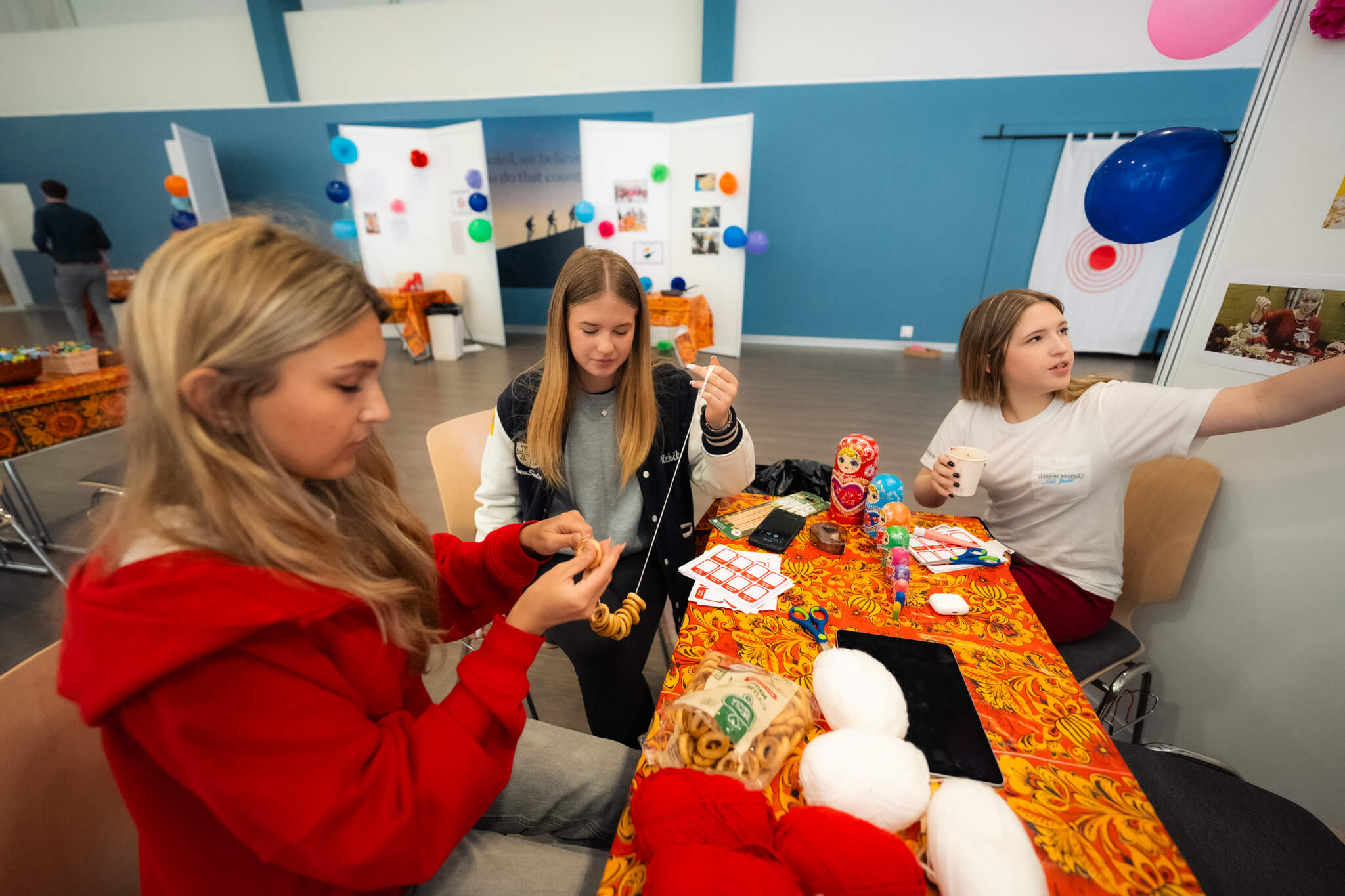
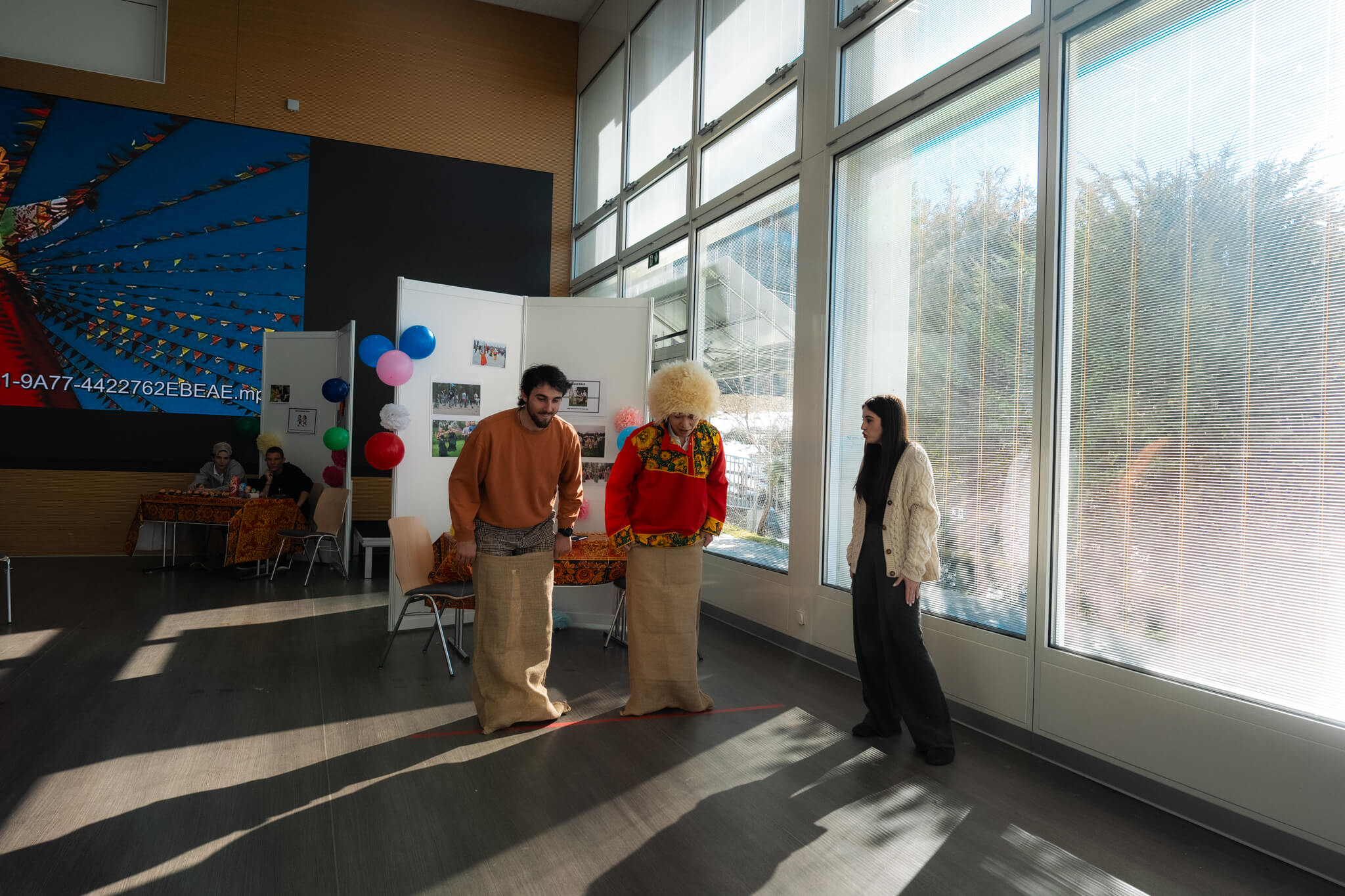
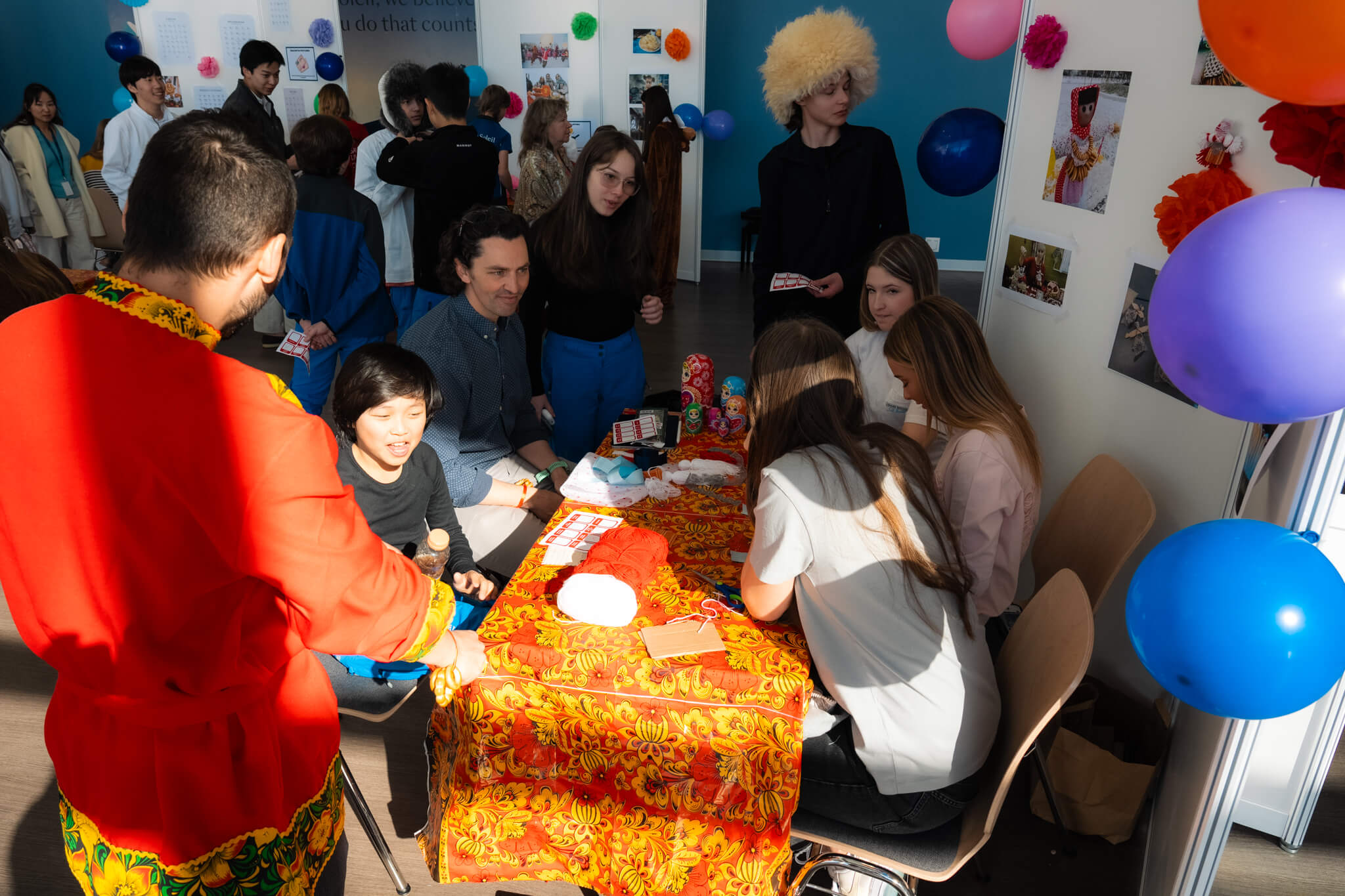
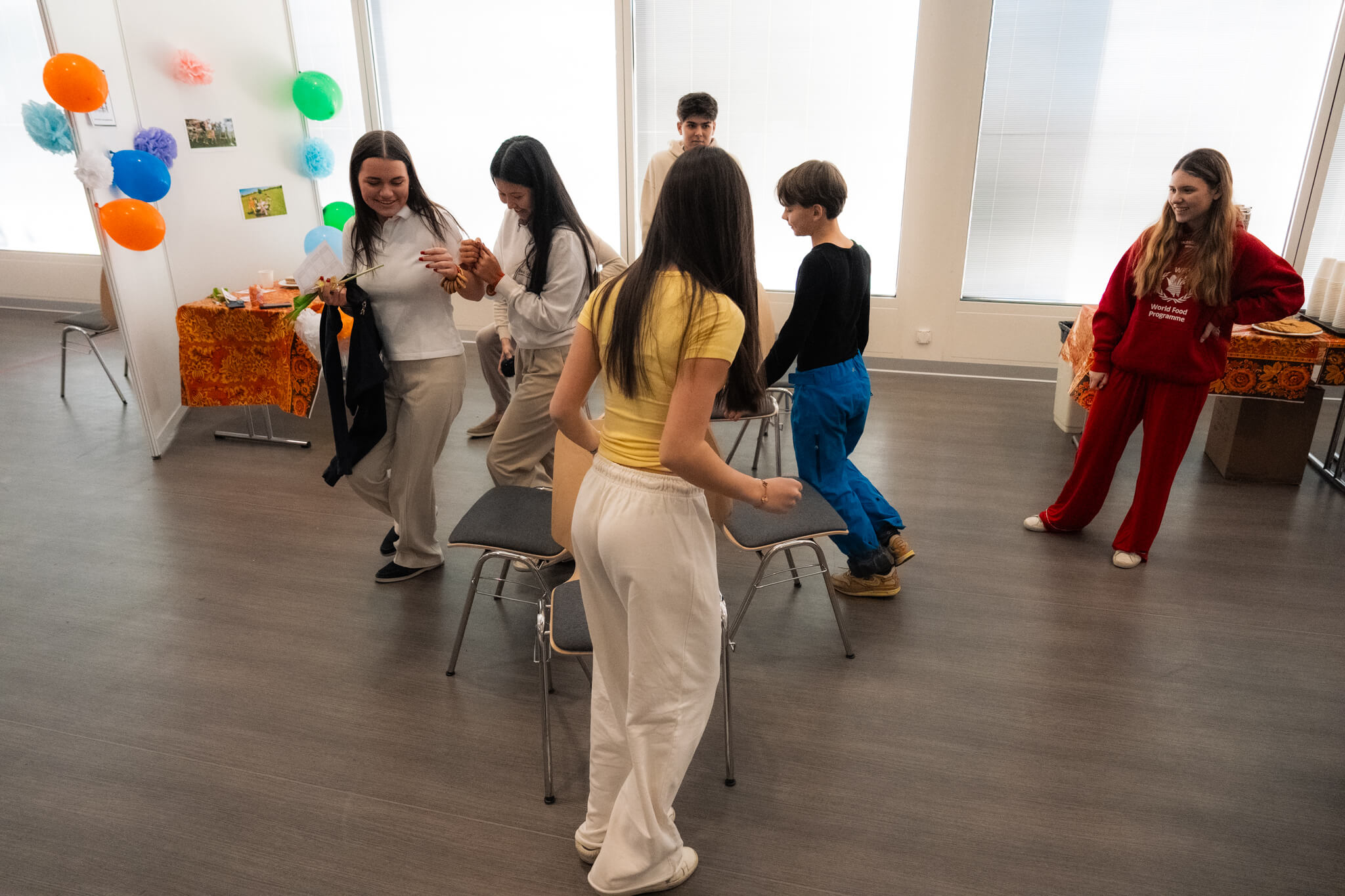
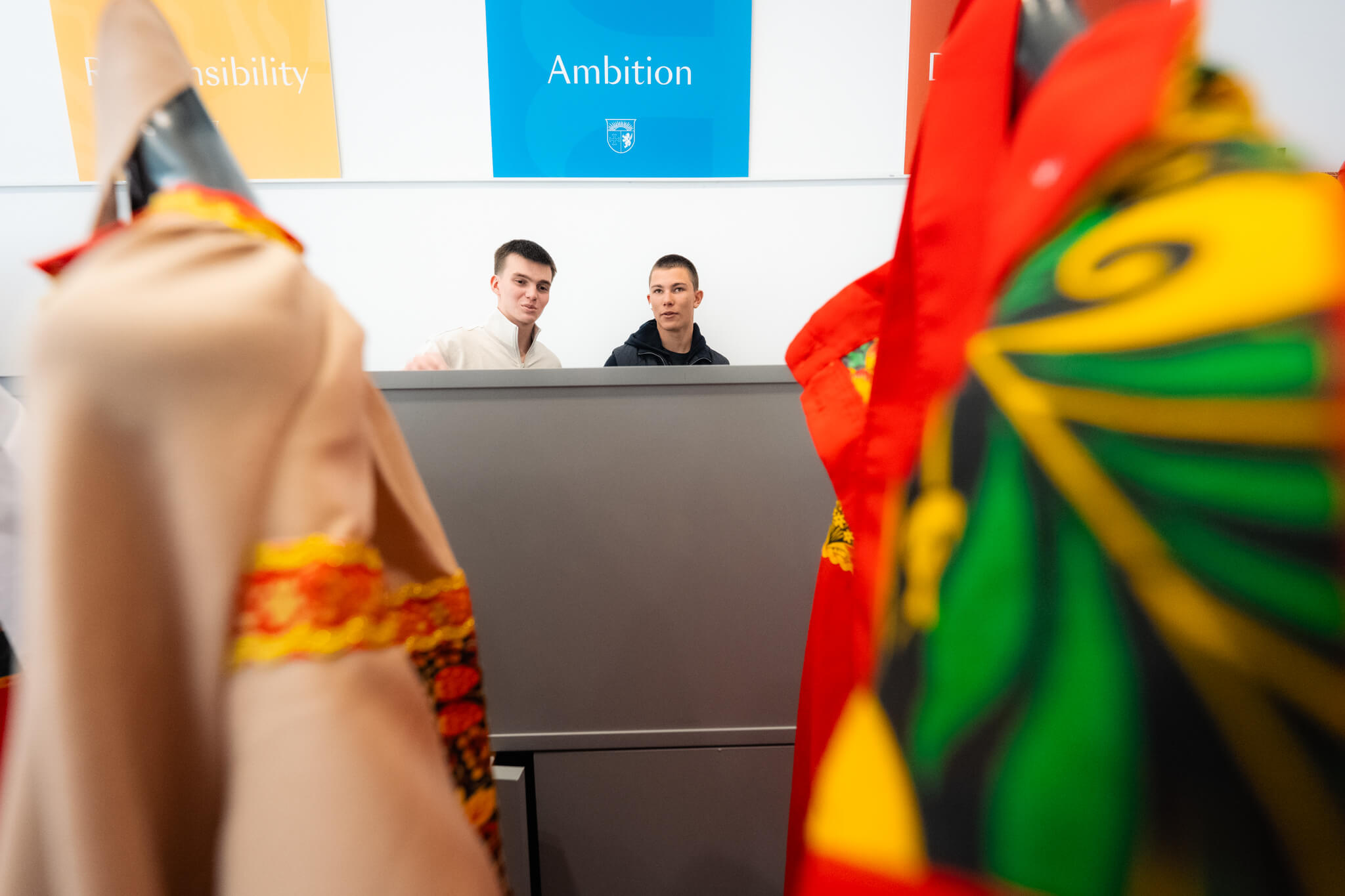
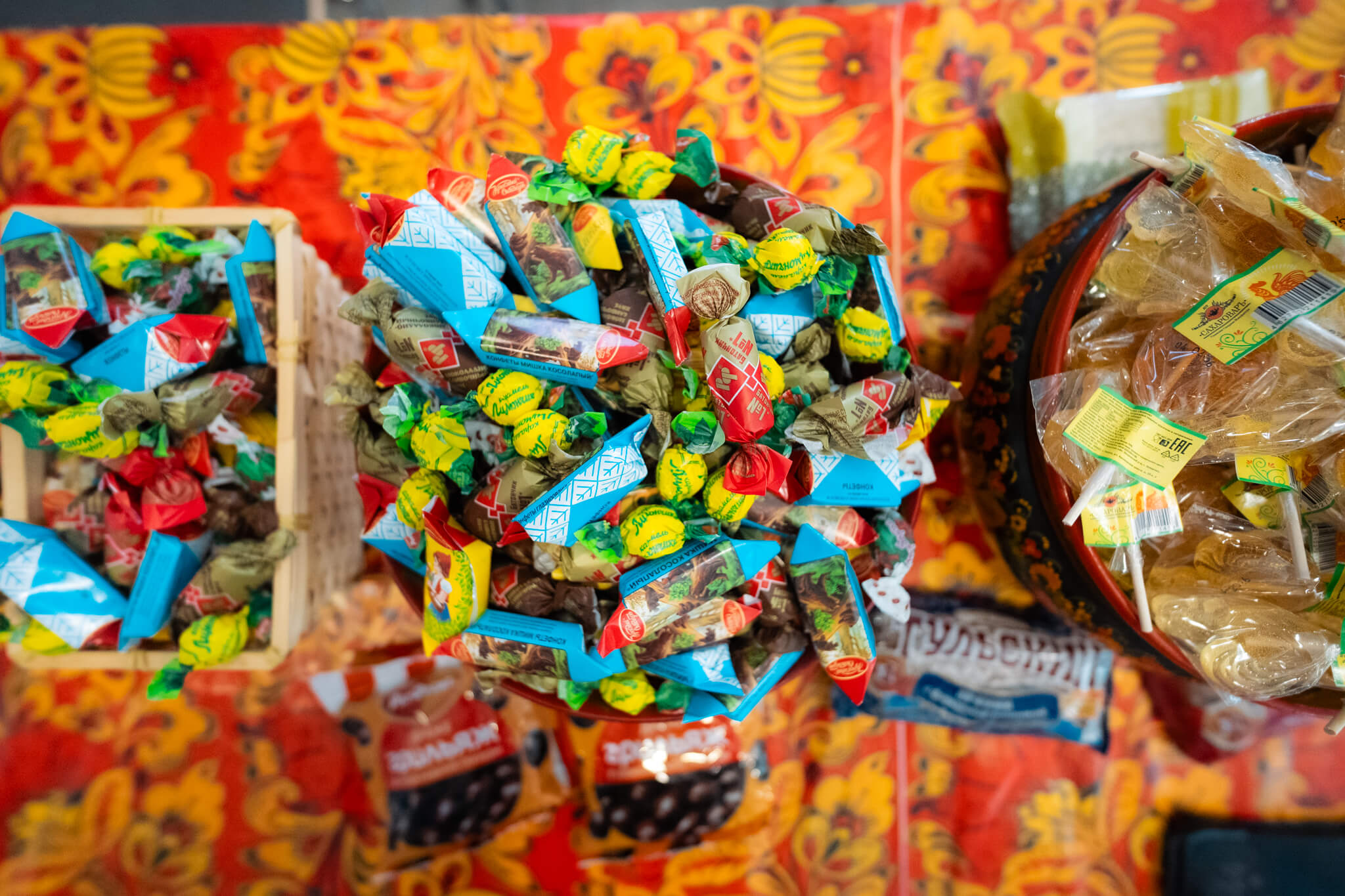
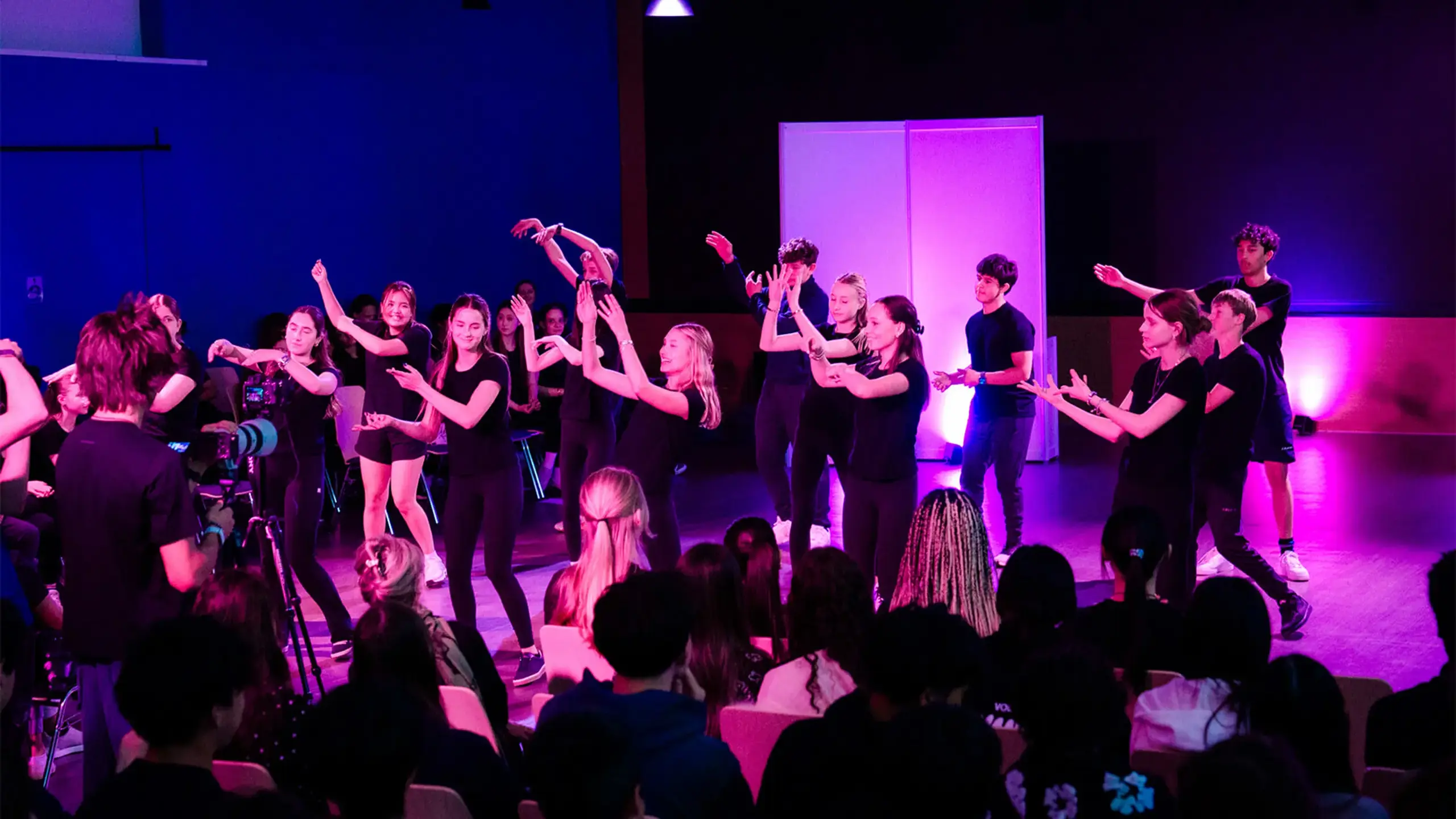
The festival featured a range of traditional activities that immersed participants in Slavic culture. Students and staff enjoyed classic games such as tug-of-war, sack races, and the iconic 'pillow fight on a log,' which tested balance and agility. A highlight was the pancake station, where attendees sampled blini—thin Russian pancakes—served with sour cream, jam, and honey. The aroma of freshly cooked pancakes filled the air, evoking the warmth and hospitality central to Maslenitsa traditions. Additionally, the organizers set up a craft corner where participants could create and decorate traditional Maslenitsa dolls, symbolizing the winter's end. The event also included a bonfire, where attendees gathered to burn a scarecrow representing winter, a ritual believed to hasten the arrival of spring. Music and dance performances added to the festive atmosphere, with students learning traditional Slavic folk dances under the guidance of the organizers.
The Maslenitsa festival at Beau Soleil was more than just a celebration; it was a testament to the power of student-led initiatives in fostering cross-cultural understanding and community spirit. The three Grade 11 organizers demonstrated exceptional leadership, project management, and teamwork skills, coordinating with school administration, sourcing materials, and promoting the event across campus. Their efforts paid off as the festival attracted a diverse crowd, including students from various grade levels, teachers, and even some parents. The inclusive nature of the event encouraged participants to step out of their comfort zones and engage with a culture that may have been unfamiliar to them. Many attendees expressed appreciation for the opportunity to learn about Slavic traditions in a hands-on, enjoyable manner.
From an educational perspective, the festival aligned with Beau Soleil's commitment to holistic development and global citizenship. By organizing such an event, the students not only deepened their own understanding of Slavic heritage but also contributed to the school's multicultural tapestry. The success of the Maslenitsa festival highlights the importance of student agency in creating meaningful learning experiences outside the classroom. It also underscores the value of cultural exchange in an international school setting, where students from different backgrounds can share and celebrate their traditions. The event's positive reception suggests that similar initiatives could be integrated into the school calendar, promoting diversity and inclusion. As spring officially begins, the Maslenitsa festival at Beau Soleil serves as a reminder of the joy that comes from community gatherings and the timeless appeal of welcoming a new season with warmth and festivity.