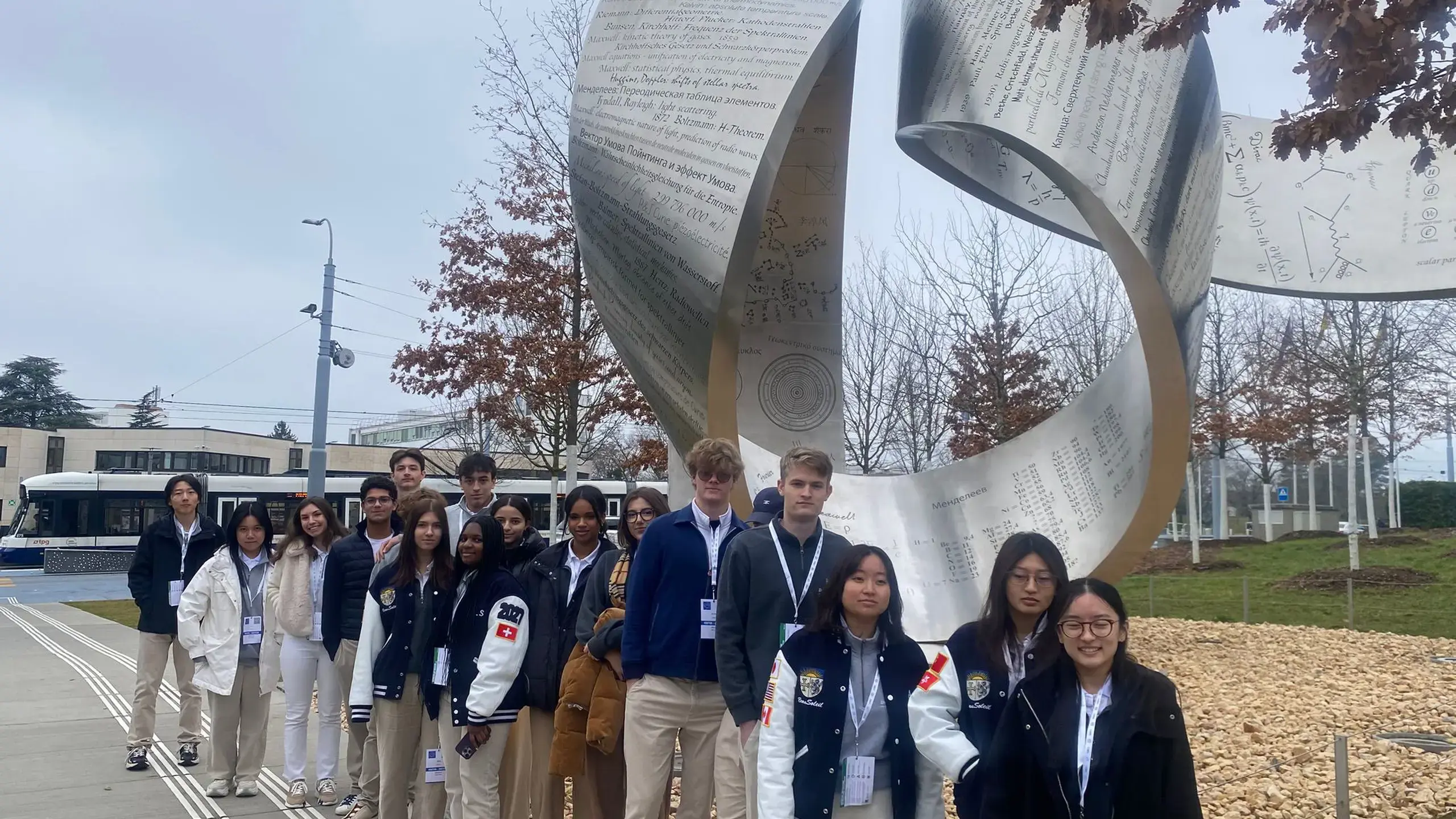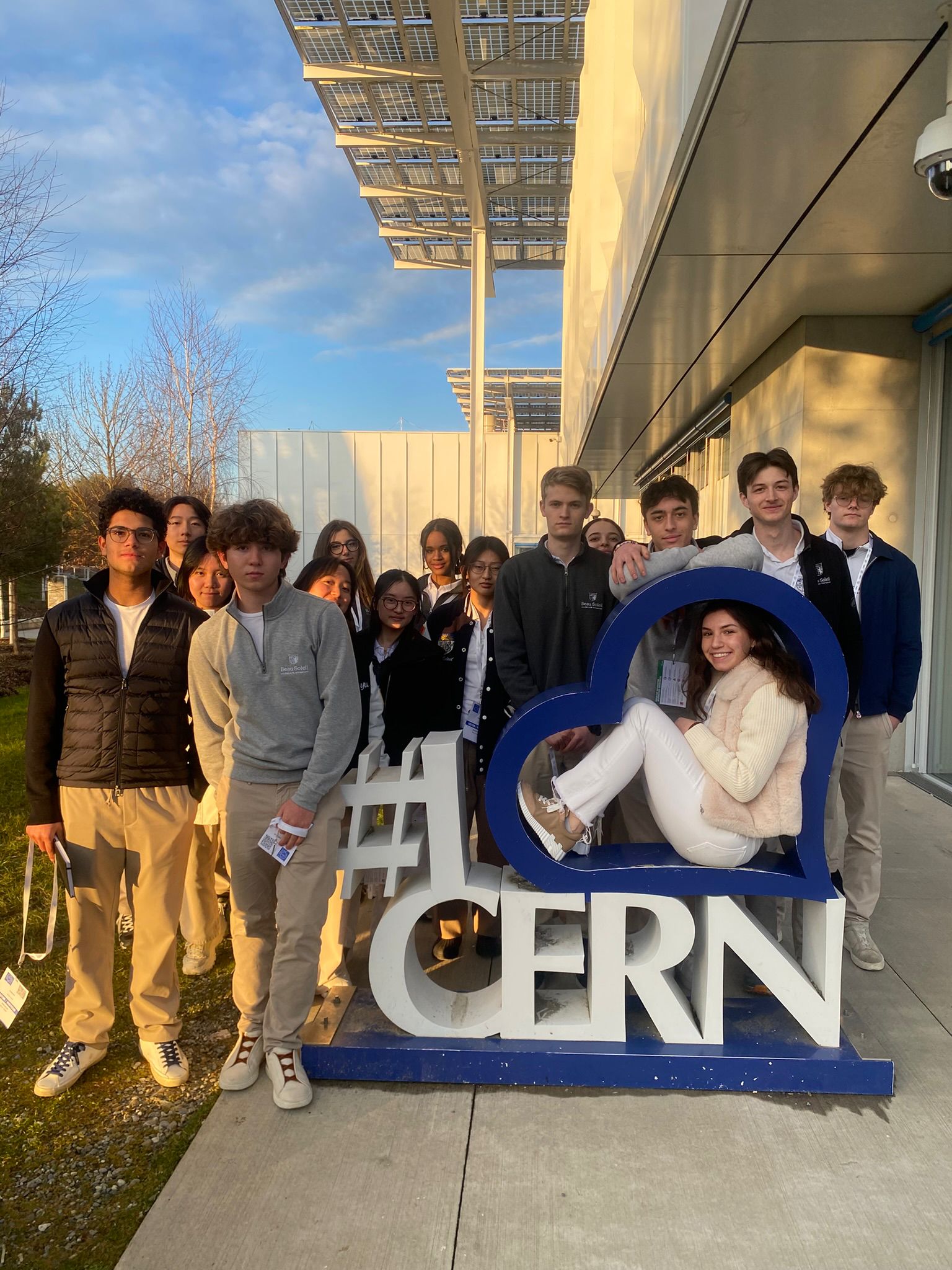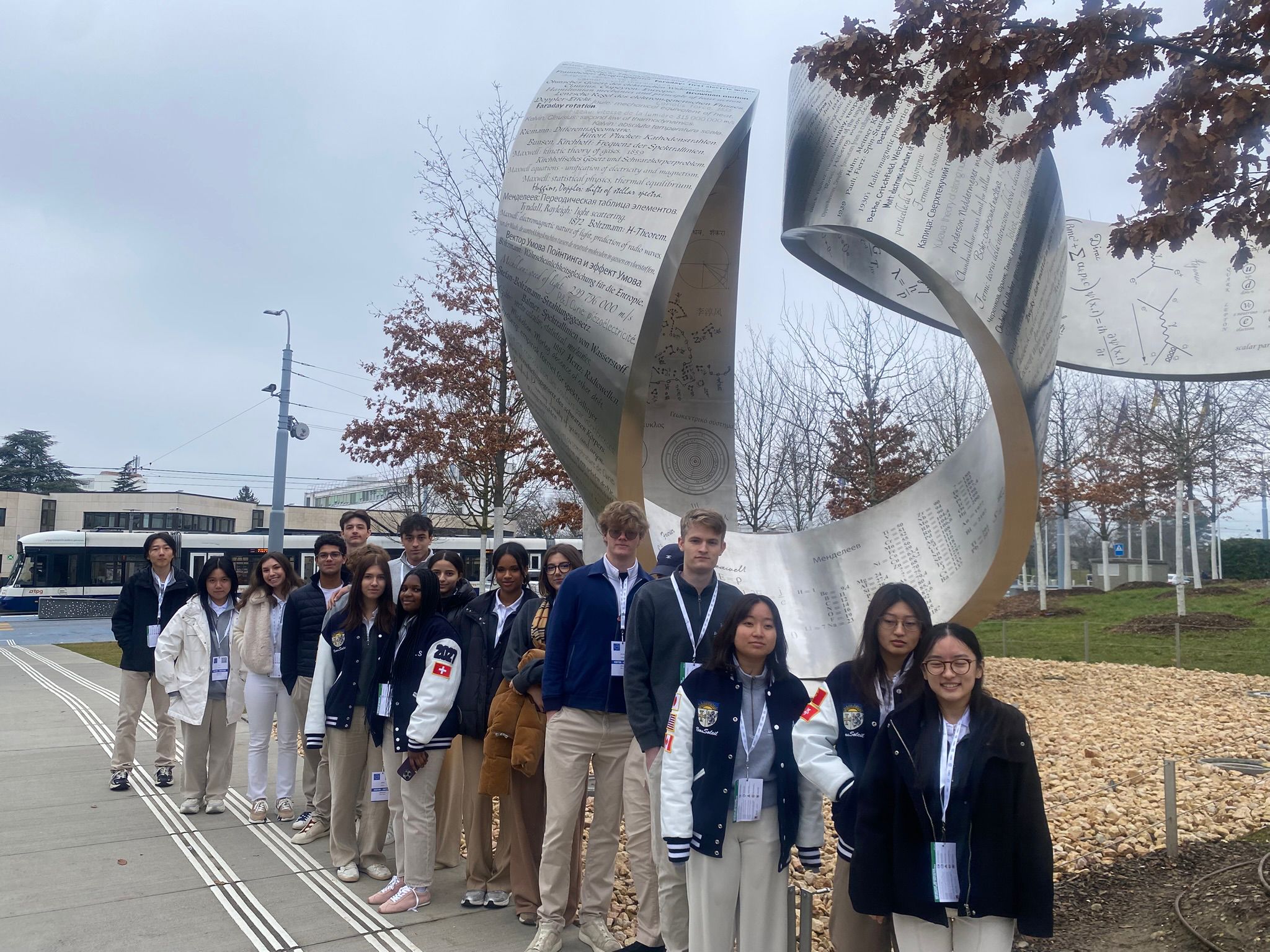
Grade 11 Higher Level Physics students from Beau Soleil recently embarked on an educational journey to CERN, the European Organization for Nuclear Research, providing them with an unparalleled opportunity to engage directly with the forefront of particle physics. This immersive visit was designed to bridge the gap between theoretical concepts studied in the International Baccalaureate (IB) Physics curriculum and their practical applications in contemporary scientific research. By touring world-class facilities, including the Large Hadron Collider (LHC) and various detector sites, students gained firsthand insight into the scale and complexity of modern experimental physics. The experience allowed them to visualize phenomena such as particle acceleration, collision events, and data acquisition processes that are fundamental to the IB syllabus. Observing the intricate engineering and international collaboration required to operate such a facility underscored the interdisciplinary nature of cutting-edge science. This direct exposure to CERN's research environment not only contextualized their classroom learning but also demonstrated the real-world impact of physics in advancing human knowledge and technological innovation.
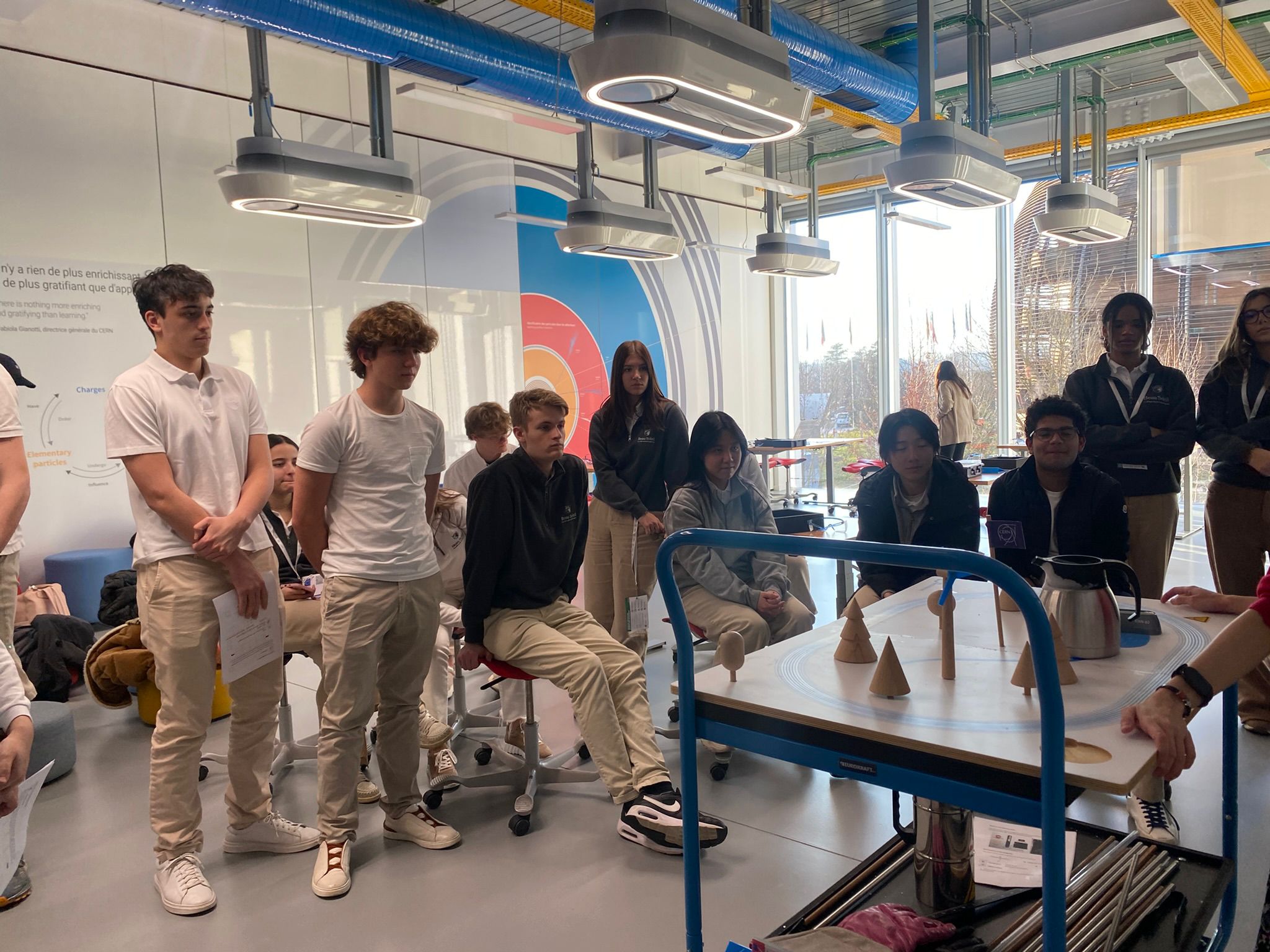
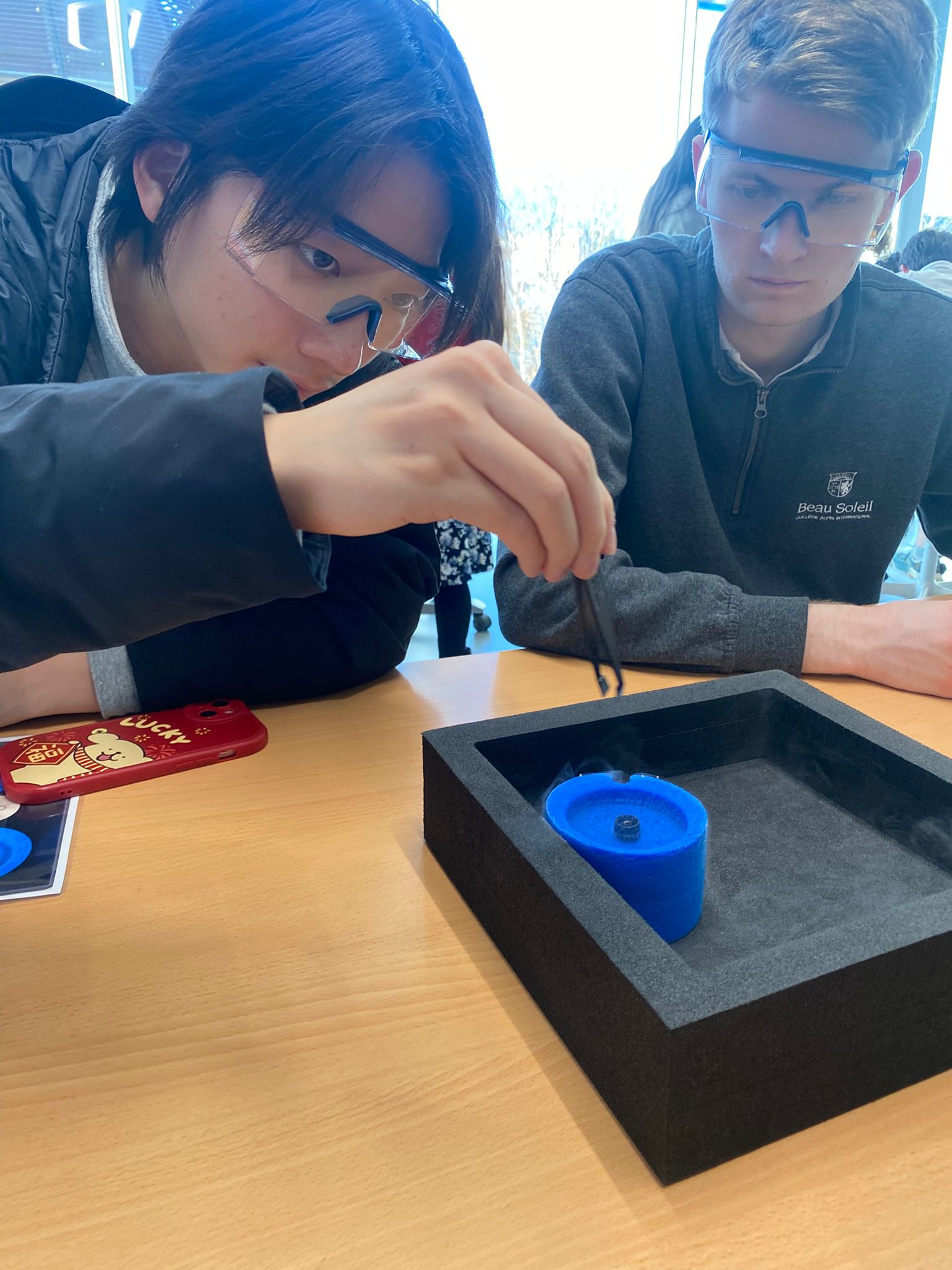
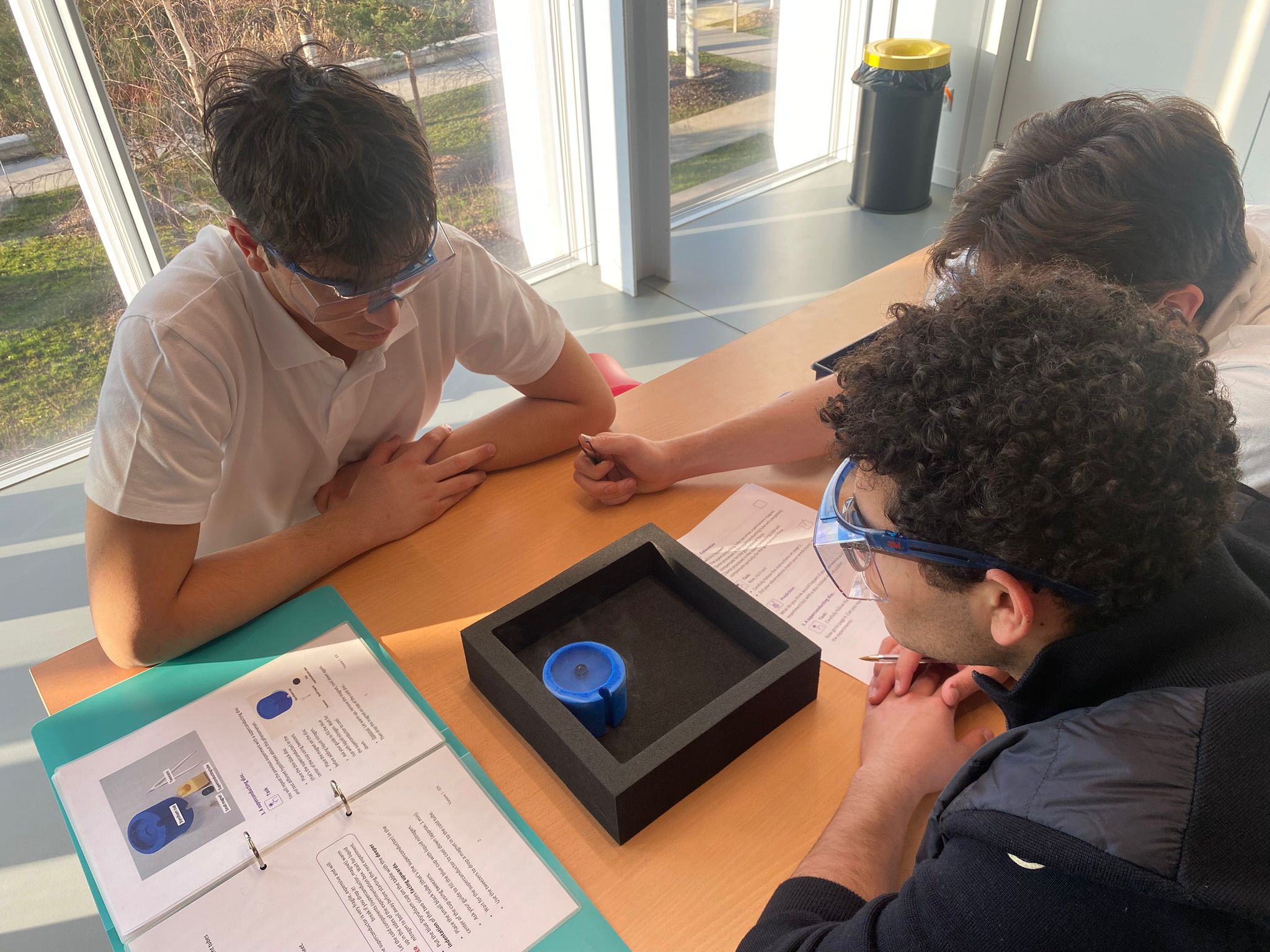
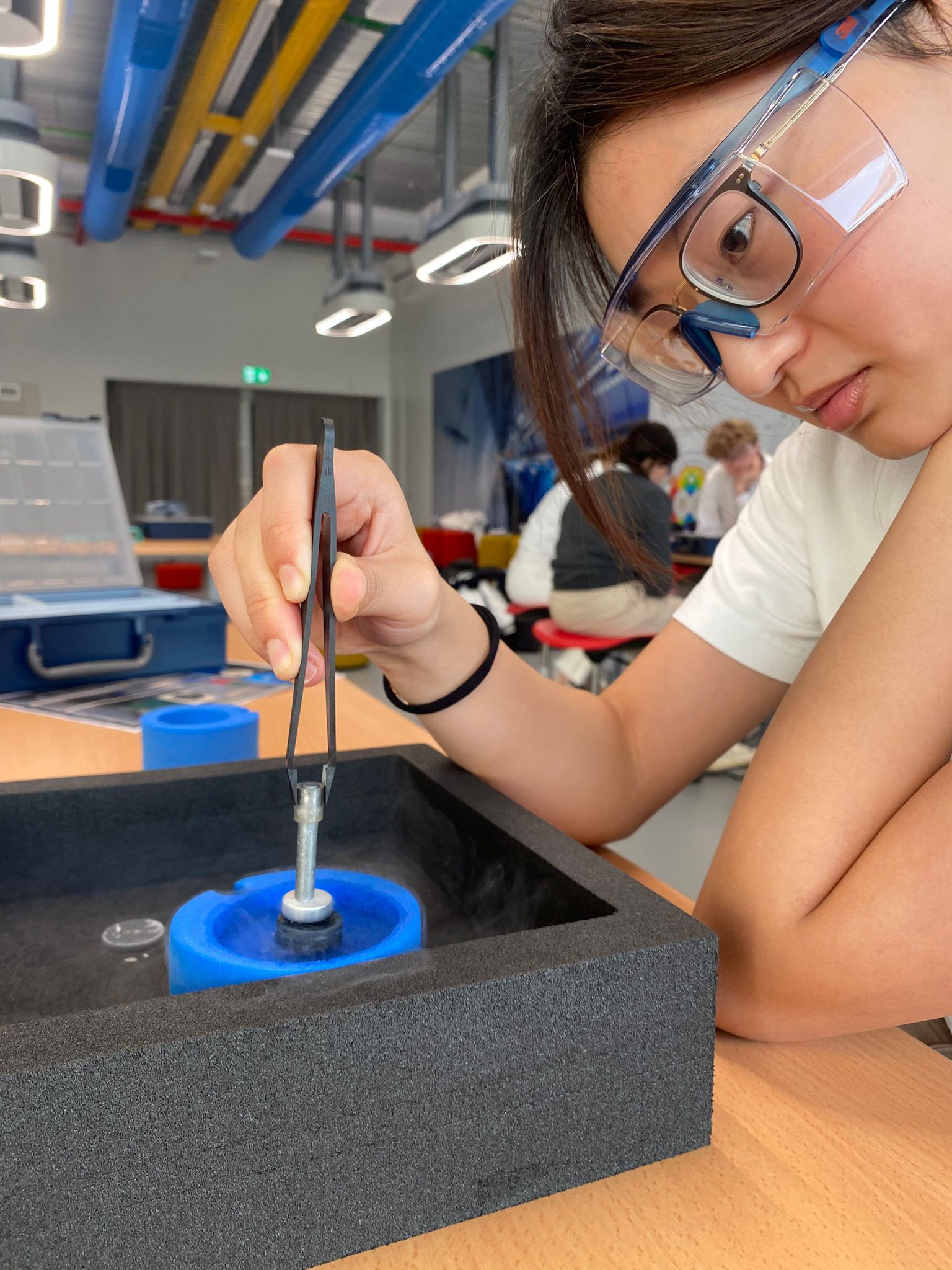
The educational program at CERN was further enriched through specialized hands-on workshops and interactive sessions with active researchers and engineers. Students participated in activities that mirrored actual experimental procedures, such as analyzing particle collision data and understanding detector calibration, which reinforced key IB topics including fundamental forces, particle interactions, and conservation laws. Direct dialogue with CERN scientists provided valuable perspectives on career pathways in physics and related STEM fields, highlighting the global collaborative effort behind major discoveries like the Higgs boson. These interactions demystified the research process and inspired students by connecting abstract theories to tangible scientific quests. The visit from Beau Soleil exemplifies how experiential learning can deepen conceptual understanding and foster a lasting appreciation for scientific inquiry. Such initiatives align with educational best practices that emphasize real-world engagement to complement academic rigor, preparing students not only for examinations but also for future contributions to science and technology.