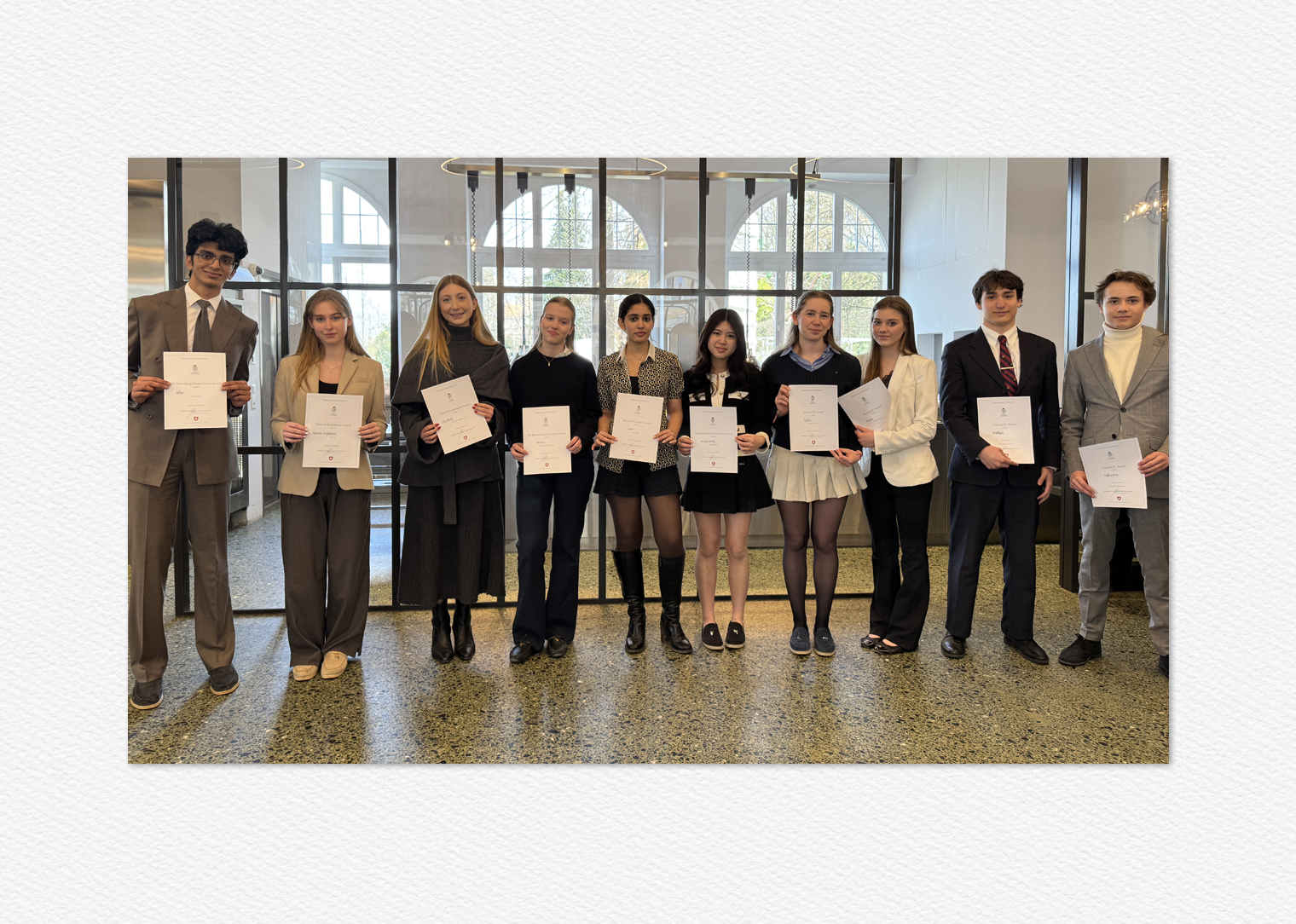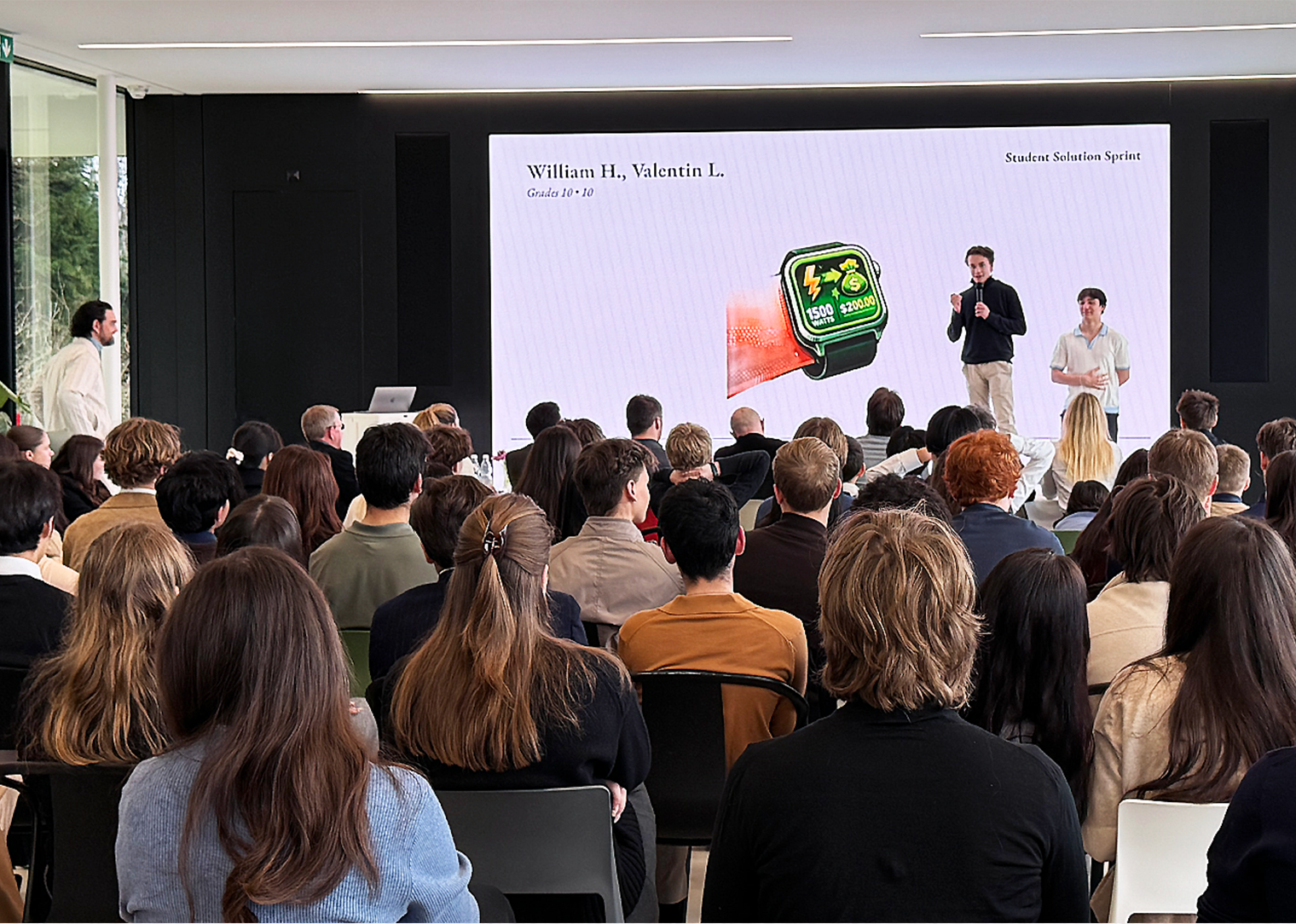
In January 2026, Institut auf dem Rosenberg made history by becoming the first school ever to host and moderate a five-day venue during the World Economic Forum in Davos. While the logistical preparations were detailed previously, the lingering question remained: How did students feel after participating? The answer reveals a transformative experience far beyond typical conference attendance. Students described the event not as a passive showcase but as a proving ground where their ideas faced rigorous scrutiny from world-renowned experts and institutions. They learned that to be heard and respected in such a high-stakes environment, they needed to speak with clarity, courage, and precision, moving beyond the comfort of classroom discussions to defend their problem statements and proposed solutions in real time. This immersion provided unparalleled growth in public speaking, with students rapidly developing skills to open talks with human stories for connection, translate complexity into single sentences to maintain attention, and conclude with concrete asks that invited measurable action. More than just presentation skills, they gained a sharper understanding of how global priorities are shaped—knowledge critical for future world citizens. They observed firsthand how language evolves into policy, how coalitions form around shared goals, how evidence competes with narratives in decision-making, and how trust is built through credibility and collaboration. This insight, they noted, can mean the difference between successfully connecting with key stakeholders to advance projects or fading into obscurity due to an inability to communicate needs, policies, or collaborative intent effectively. The Davos experience underscored that there is no substitute for real-world engagement, with House Davos 2026 delivering it abundantly.
The impact of the Davos participation extended beyond skill development to tangible recognition and ongoing initiatives. Observers from Institut auf dem Rosenberg noted that students not only performed well with precise presentations but felt a profound sense of accomplishment because their contributions genuinely mattered. As they spoke, panels responded dynamically, experts challenged their assumptions, and conversations spilled beyond the stage into follow-up discussions and new professional relationships. This validated their ability to engage meaningfully in global dialogues, demonstrating that their voices and perspectives are essential for building a better future. Building on this success, students have channeled their momentum into the Rosenberg Youth Manifesto, a project born from the rare delight of bridging generational divides during the forum. Over the coming months, the student hosts will finalize this next-generation white paper, presenting it to global stakeholders and distributing it digitally and in print. It aims to translate the week's most urgent themes into clear policy takeaways, shared principles, and actionable recommendations for leaders across government, business, science, and civil society. The manifesto represents a declaration that youth perspectives are not merely an add-on but a necessary lens for designing equitable, future-facing solutions grounded in lived reality. It will outline what must happen next and who must be involved, reflecting the students' discovery at Institut auf dem Rosenberg that their insights are vital for shaping a collaborative and impactful global community.