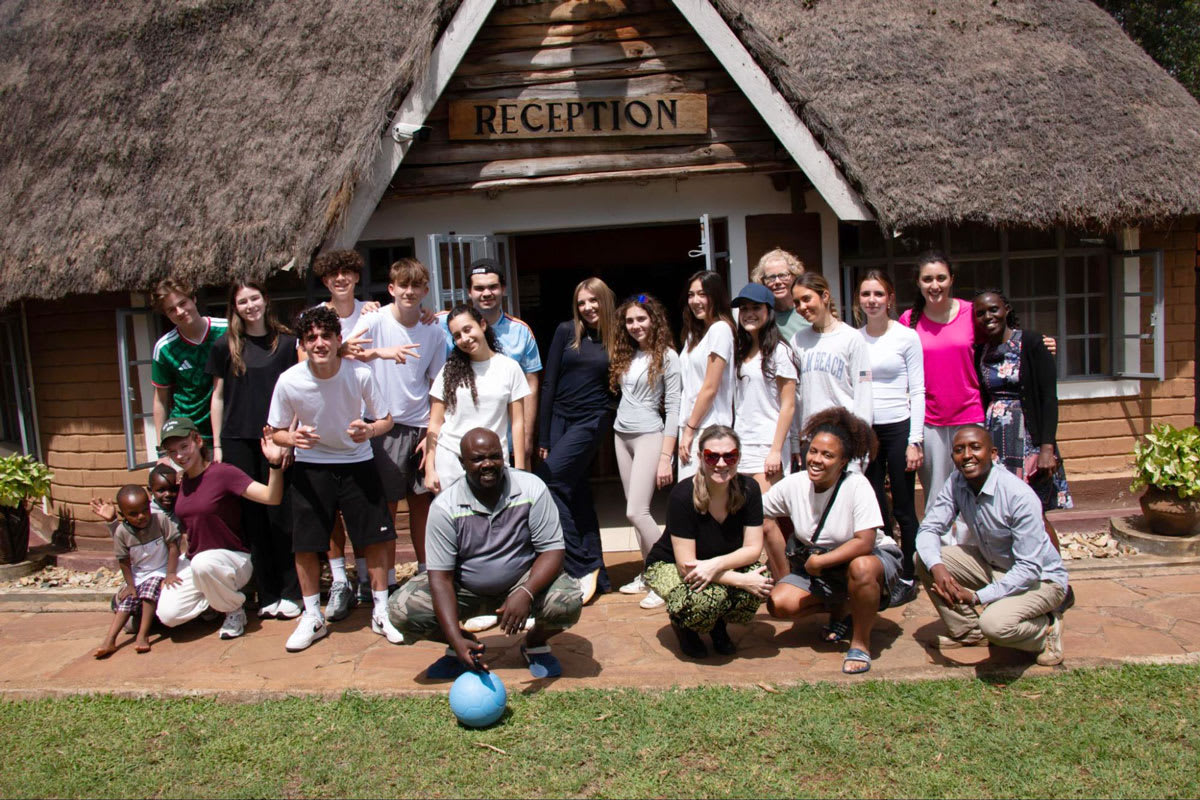
The Kenya Academic Travel program at TASIS represents a profound educational journey that extends learning far beyond the traditional classroom. This immersive experience is designed to provide students with a deep, firsthand understanding of Kenya's diverse ecosystems, rich cultural heritage, and complex socio-economic dynamics. The program is meticulously structured to blend academic inquiry with experiential learning, challenging students to engage with global issues in a real-world context. Participants spend several weeks traveling through various regions of Kenya, from the bustling capital of Nairobi to the vast savannas of the Maasai Mara and the coastal communities near Mombasa. The curriculum is interdisciplinary, connecting studies in biology, environmental science, anthropology, and global politics. Students conduct field research, participate in community service projects, and engage in discussions with local experts, conservationists, and community leaders. This approach transforms abstract concepts into tangible experiences, fostering a deeper level of critical thinking and global awareness.
A cornerstone of the Kenya program is its focus on sustainability and conservation. Students have the unique opportunity to work alongside wildlife researchers and conservation organizations, gaining insight into the challenges of protecting endangered species and managing human-wildlife conflict. This hands-on involvement in conservation efforts helps students appreciate the delicate balance between ecological preservation and community needs. Furthermore, the cultural immersion component is integral to the travel experience. Students live and interact with local communities, such as the Maasai, learning about their traditions, livelihoods, and perspectives. This cultural exchange promotes empathy, cross-cultural understanding, and a nuanced view of development. The program at TASIS emphasizes reflective practice, requiring students to maintain journals and participate in daily debriefs to process their observations and experiences. This structured reflection ensures that the travel is not merely a tour but a transformative academic endeavor that cultivates responsible global citizenship, resilience, and a lifelong commitment to making a positive impact in the world.