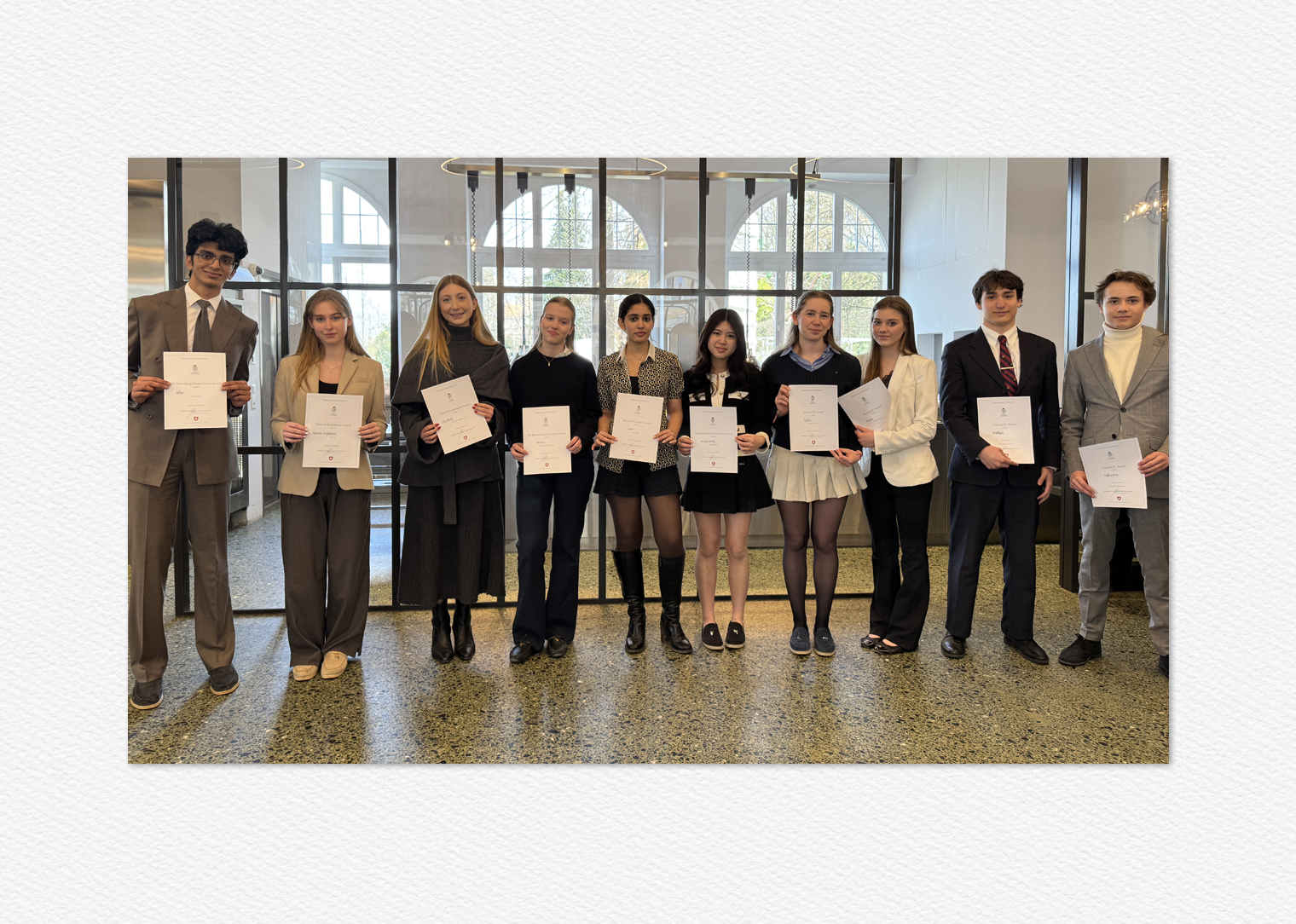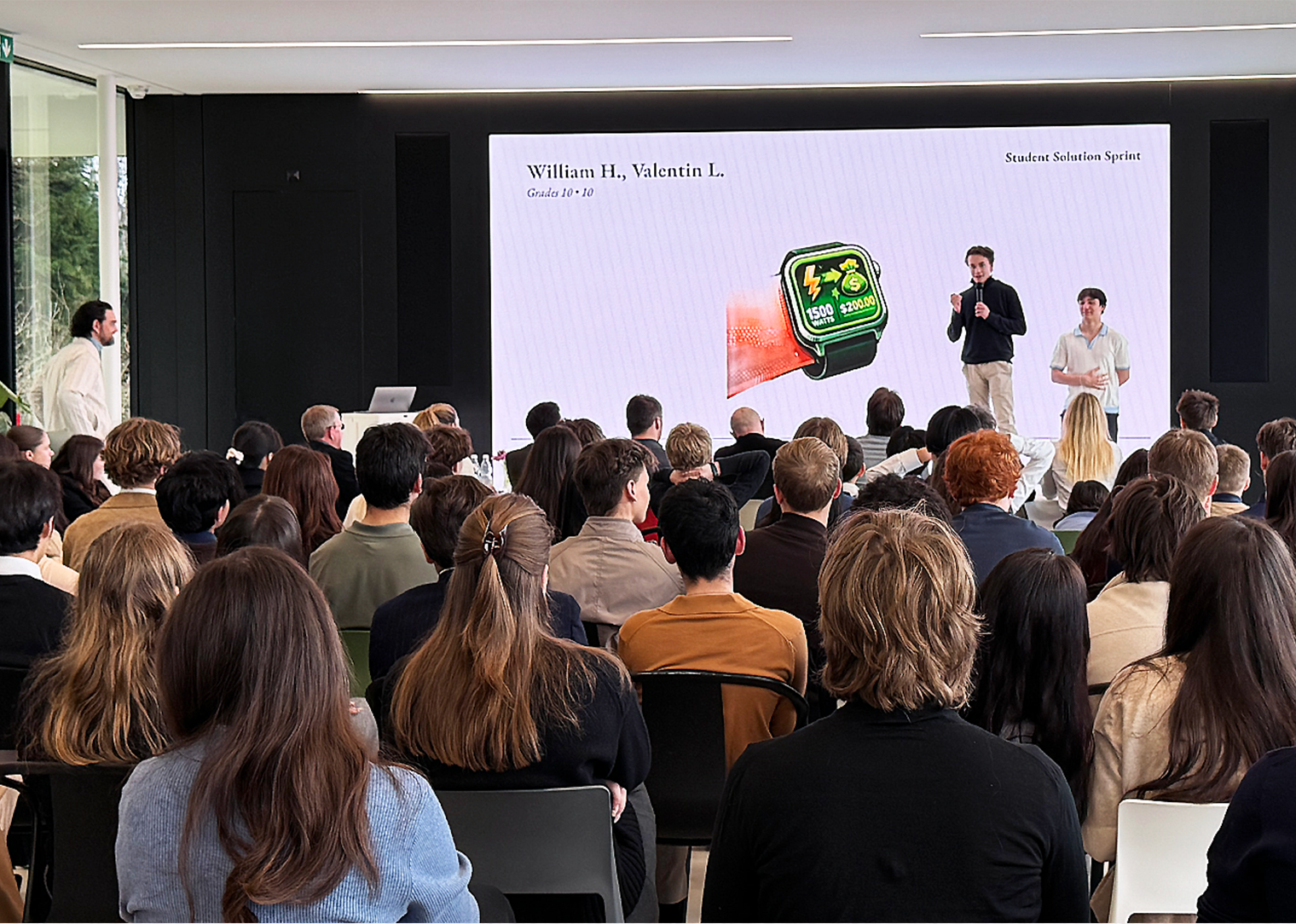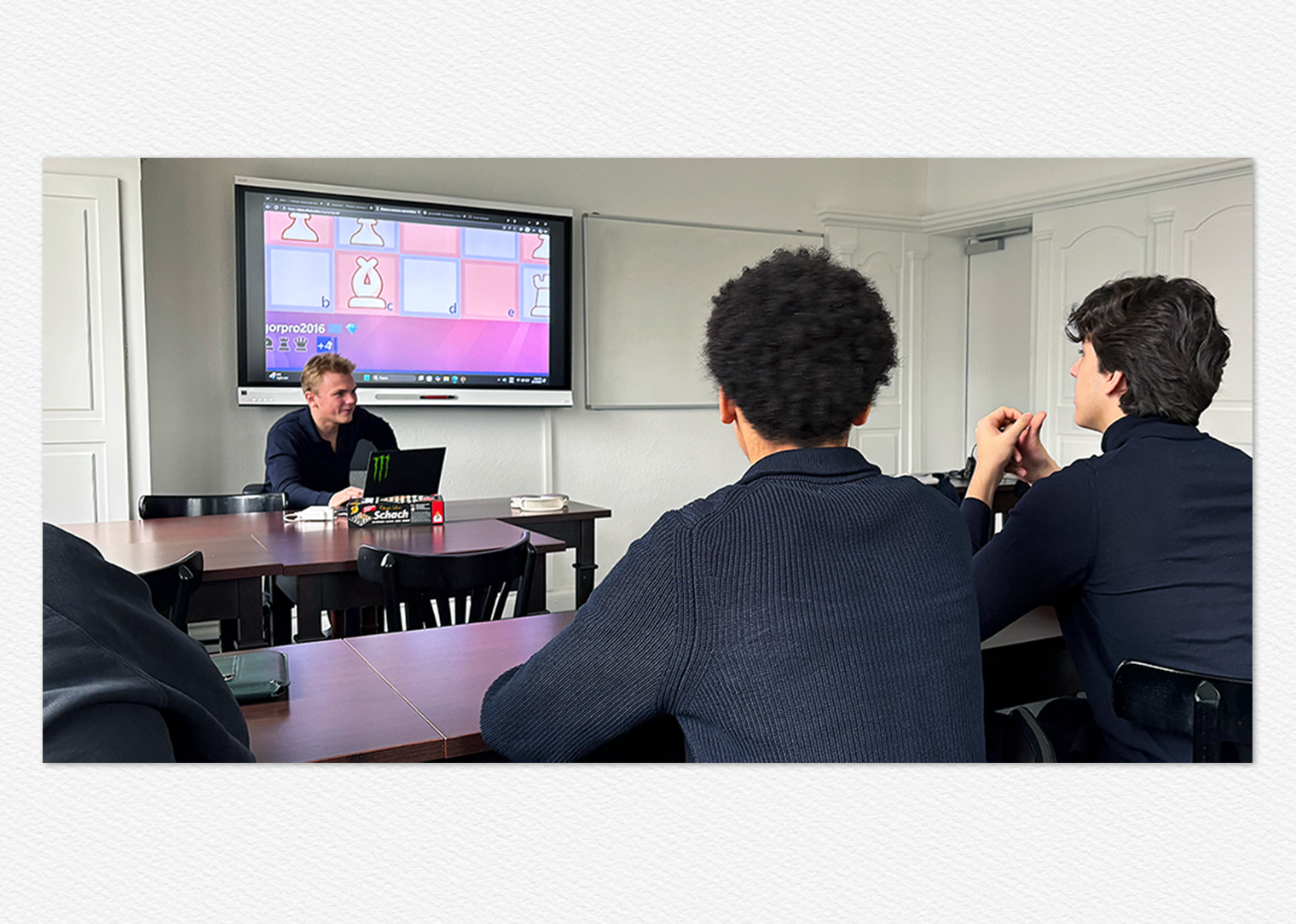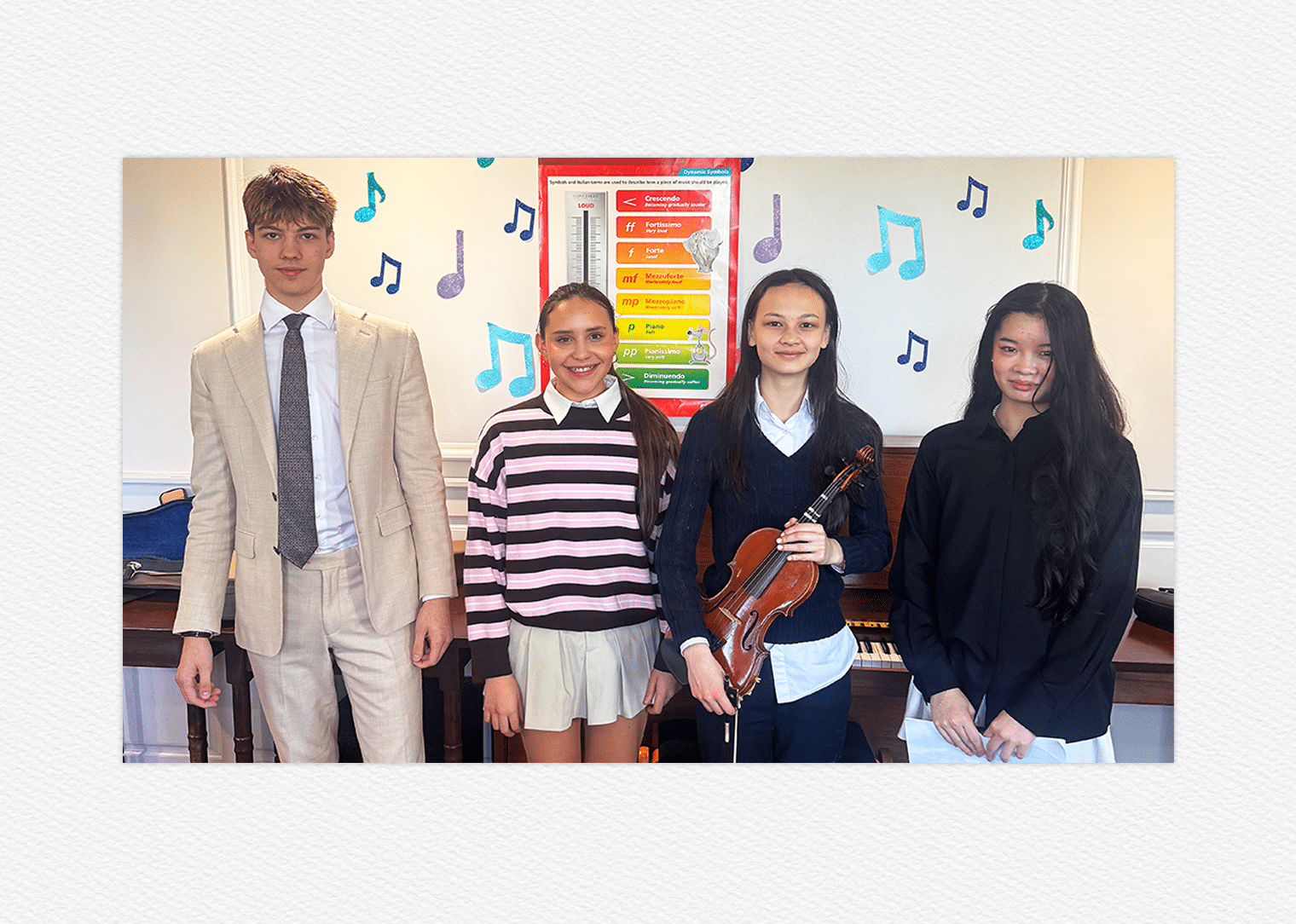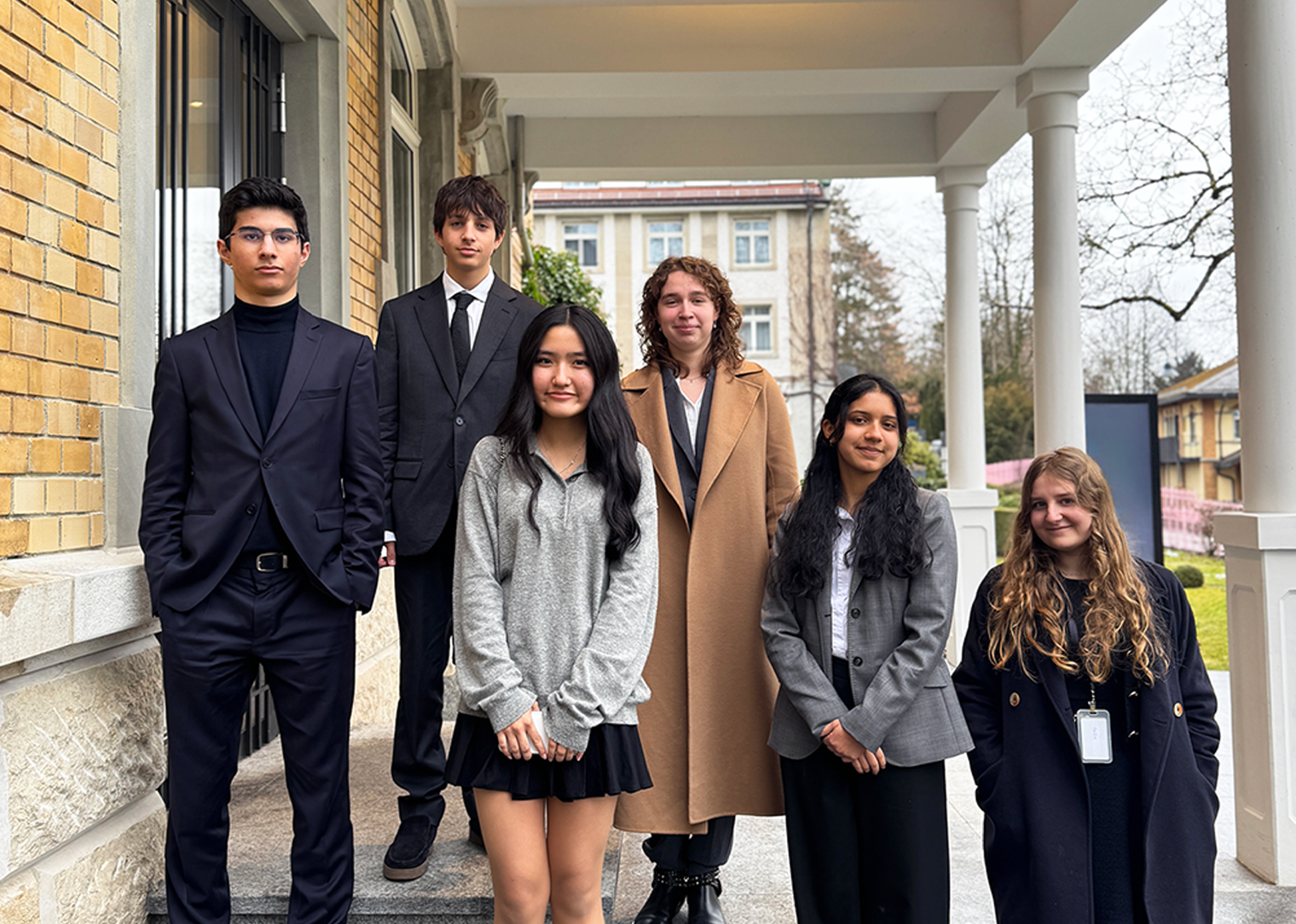
As the closing session of Rosenberg House Davos 2026, Building Bridges focused on one central challenge: how to ensure the Youth Manifesto continues to live beyond Davos. In collaboration with Climate Words, students worked alongside partners to translate a week of dialogue into clear principles, practical blueprints, and concrete accountability mechanisms. The session moved deliberately from reflection to action—examining what makes a manifesto credible to institutions, how values become commitments, and what structures are needed to prevent youth participation from remaining symbolic. The outcome was a shared effort to shape a manifesto designed not as a statement, but as a working framework for continued engagement. The initiative underscores the commitment of Institut Rosenberg to fostering environments where student voices translate into tangible impact. By partnering with organizations like Climate Words, the school demonstrates how educational institutions can serve as catalysts for meaningful change, bridging the gap between theoretical discussions and practical implementation. This approach aligns with the school's philosophy of empowering young leaders to address global challenges through collaborative problem-solving and innovative thinking.
The Building Bridges session emphasized the importance of creating sustainable mechanisms that extend the Youth Manifesto's influence beyond the Davos forum. Participants explored how to embed the manifesto's principles into institutional frameworks, ensuring that youth perspectives inform policy-making and organizational strategies. This involved developing clear accountability structures that track progress and maintain momentum, preventing the manifesto from becoming merely symbolic. The collaboration with Climate Words provided a model for how partnerships can enhance the credibility and reach of youth-led initiatives, combining academic insight with practical expertise. At Institut Rosenberg, such efforts are integral to the educational experience, preparing students to navigate complex global issues with confidence and competence. The school's focus on real-world application ensures that students not only articulate their visions but also acquire the skills to implement them effectively. This commitment to actionable outcomes reflects a broader trend in education, where institutions prioritize experiential learning and cross-sector collaboration to drive positive change.