
For students and families looking for a serious culinary school in Switzerland, Culinary Arts Academy Switzerland stands apart from the classic hospitality-school model. This is a school built first around cuisine, pastry, chocolate, kitchen practice and food creativity, while also developing the business, branding and entrepreneurial skills needed to build a long-term future in the food world.
For students and families exploring Culinary Arts Academy Switzerland, the key point is that this is not a traditional hospitality management school in the usual sense. Its identity is far more culinary-led. The school is designed for students who want to train in professional kitchens, strengthen their technical foundations, explore pastry and chocolate, deepen their understanding of food culture and prepare for careers that can range from chef roles to food entrepreneurship.
What makes Culinary Arts Academy Switzerland especially distinctive is that the learning experience goes beyond kitchen practice alone. Students develop culinary technique while also building skills in business, marketing, concept development, leadership and entrepreneurship. This makes the school relevant not only for aspiring chefs, but also for those who may later want to launch a food brand, create a restaurant concept or move into wider food and beverage management.
The current official academic offer is structured around four main programmes: the Bachelor of Arts in Culinary Arts, the Master of Arts in Culinary Business Management, the Swiss Diploma in Culinary Arts and the Swiss Diploma in Pastry Arts. Le Bouveret is the school’s main culinary hub, while Brig becomes especially relevant in the final stage of the bachelor through more advanced business-oriented academic content.

A concise overview of the academic structure, campus model and practical details families usually want first when exploring Culinary Arts Academy Switzerland.
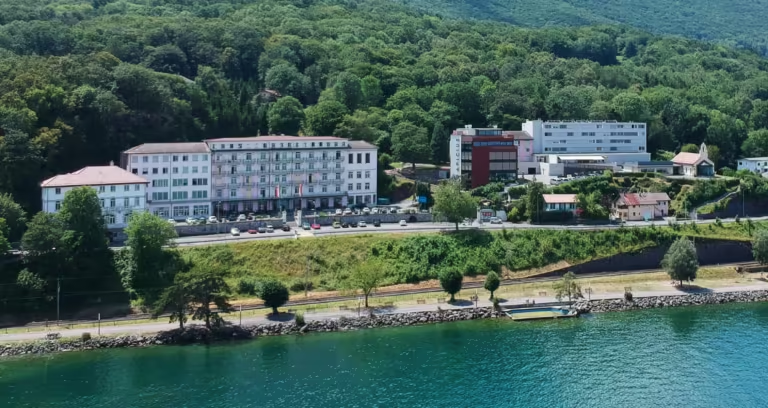
Le Bouveret on Lake Geneva and Brig in the Swiss Alps, Switzerland.
Most culinary training takes place in Le Bouveret. The final year of the bachelor is delivered in Brig, while the master is based in Le Bouveret.
Private culinary school within Swiss Education Group, with degree partnerships and a clear focus on culinary education and food business.
Bachelor of Arts in Culinary Arts, Master of Arts in Culinary Business Management, Swiss Diploma in Culinary Arts and Swiss Diploma in Pastry Arts.
English, with French or German integrated into the curriculum in several programmes.
Bachelor and diplomas: July, October, January and April. Master: October and April.
Recommended minimum age of 18 for bachelor and diploma entry, and 21 for the master. 64 nationalities and 250+ students enrolled per term.
Application fee: CHF 150.
Security deposit: CHF 2,000.
Bachelor of Arts in Culinary Arts / Pastry & Chocolate total fees (3 years): CHF 175,300 (approx. USD —*).
Swiss Diploma in Culinary Arts / Pastry Arts total fees (1 year): CHF 42,400 (approx. USD —*).
Master of Arts in Culinary Business Management total fees (1 year): CHF 49,000 (approx. USD —*).
These totals already include tuition, accommodation, meals, infrastructure and student services.
*Fees vary by programme and selected options. Billed in CHF.
Students who are serious about cuisine, pastry or food entrepreneurship often choose Culinary Arts Academy Switzerland because it feels more specialized, more kitchen-led and more culinary in identity than a standard hospitality business school.
The strongest differentiator is its culinary positioning. This is the right type of school for students who want to train as chefs, pastry specialists or food entrepreneurs rather than simply study hospitality management.
The bachelor is explicitly structured to balance practical culinary learning with academic content, giving students both hands-on technique and the business foundations needed for future progression.
Unlike many broader hospitality schools, Culinary Arts Academy offers a clearly defined pastry and chocolate route, which is important for students whose ambitions go beyond general cooking.
Students do not only learn how to cook. They also develop skills in entrepreneurship, concept creation, branding, finance and food business strategy, which can be decisive for those who want to build a long-term future in the culinary world.
The school highlights chef instructors with Michelin-starred and high-level professional backgrounds, as well as guest masterclasses and industry-driven practical learning.
Students do not only study on campus. Programmes are designed to include internships, which makes the school appealing for students who want a more direct bridge into kitchens, restaurants and food businesses.
For students and families comparing options, the programme portfolio makes the most sense when read as a true culinary journey, from intensive practical diplomas to a full bachelor and a business-oriented master.
A three-year degree with pathways in Culinary Arts and Pastry & Chocolate Arts. Year 1 and Year 2 are based in Le Bouveret, while Year 3 moves to Brig for stronger entrepreneurial and strategic business content.
A one-year programme in Le Bouveret designed especially for career changers, food and beverage entrepreneurs and culinary enthusiasts who want to build managerial and business-launch capabilities.
A one-year route in Le Bouveret for students who want an intensive culinary track with practical training, core kitchen foundations and an international internship.
A one-year pathway centered on pastry, desserts and chocolate, also delivered in Le Bouveret and designed for students who want a more specialized creative and technical direction.
The two-campus model is important because it shows how the school helps students progress from technical kitchen foundations toward broader strategic, entrepreneurial and management thinking.
This is one of the school’s strongest advantages for students who want more than theory, because it shows how training in kitchens, restaurants and internships is built into the overall learning experience.
For students and families thinking beyond the title of “chef” alone, this school can also open doors to a wider range of culinary, pastry and food-business careers.
Graduates can progress into chef roles, kitchen brigades, fine dining environments and premium culinary operations where practical technique matters.
The pastry pathway is relevant for students aiming at specialist pastry labs, luxury patisserie, boutique production and chocolate-focused careers.
The school’s entrepreneurial dimension is especially relevant for students who hope to launch a restaurant, a food concept, a bakery brand or another food-based venture later on.
The bachelor’s final academic stage and the master both help students move toward concept development, menu strategy and food-business leadership roles.
Students also develop skills relevant to culinary events, branded food experiences, catering concepts and premium experiential food formats.
Product development, food marketing, consulting and culinary-driven business projects are also realistic directions for graduates with the right profile.
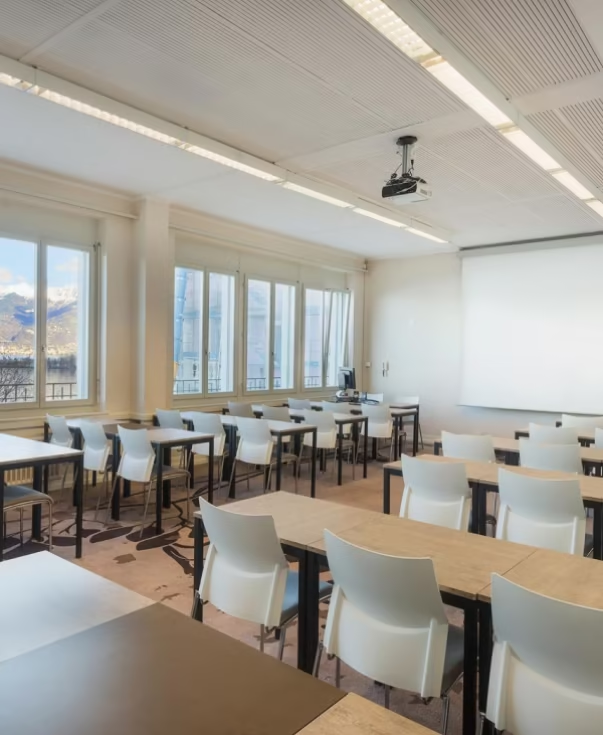
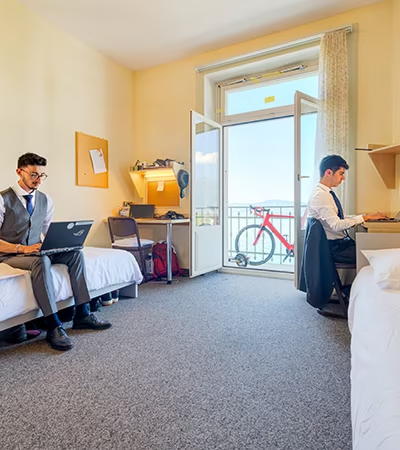
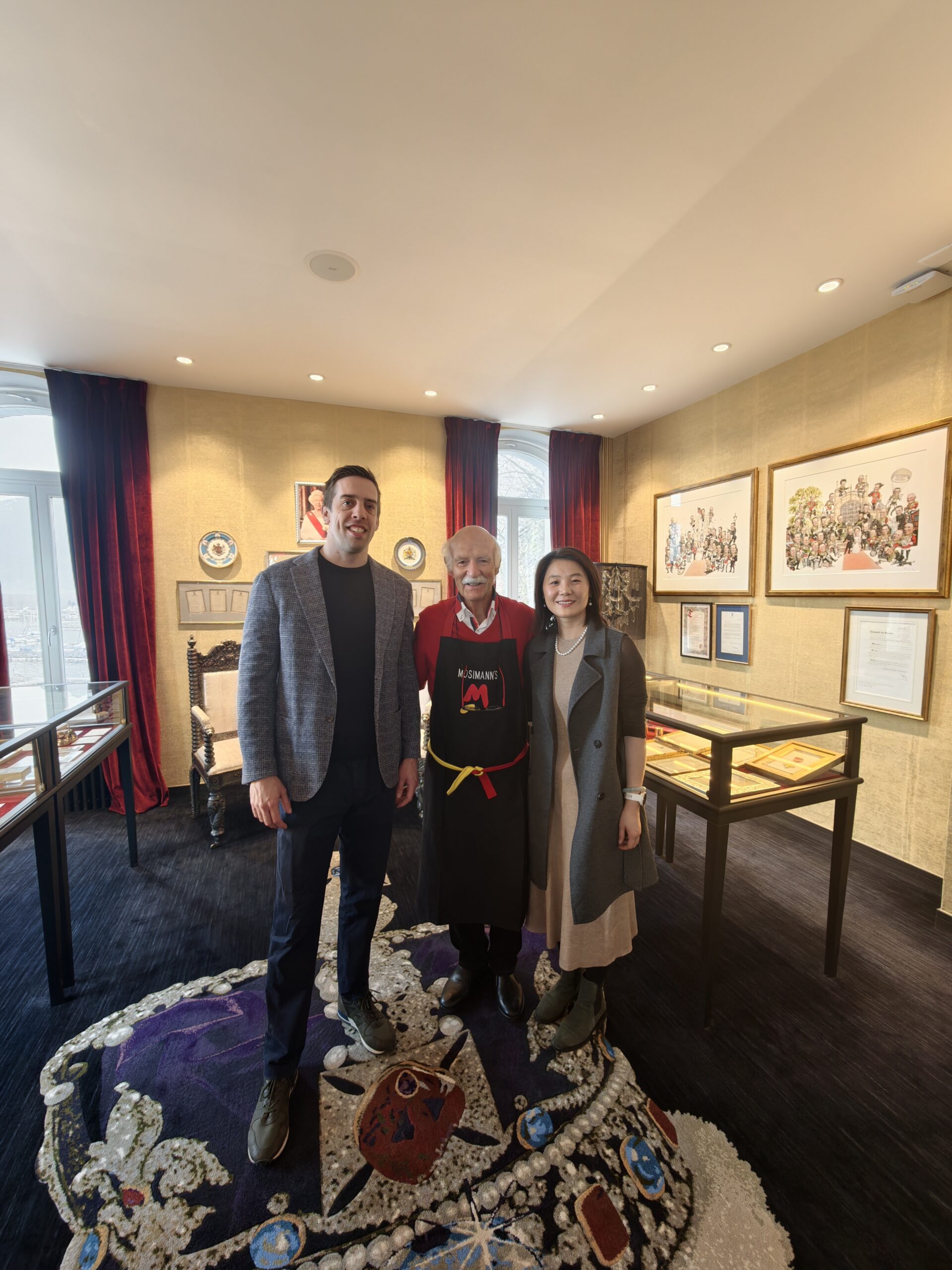
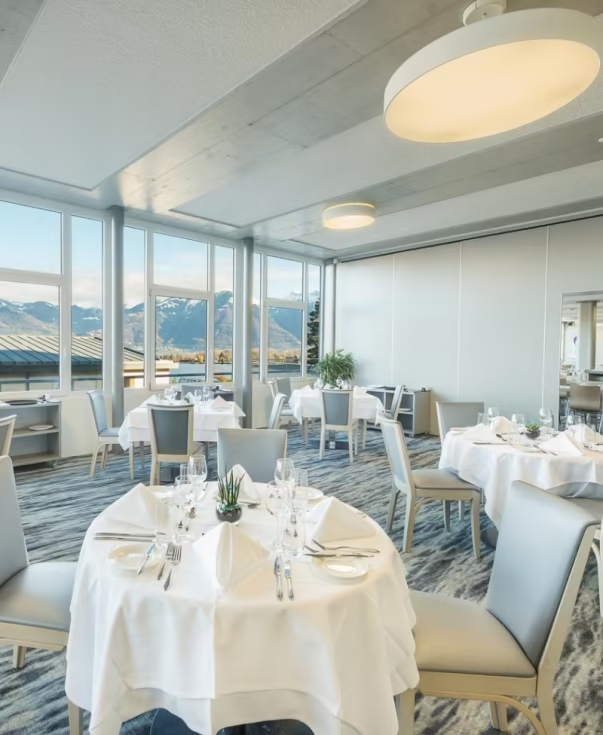
A visual overview of Culinary Arts Academy Switzerland, including the training kitchens, culinary facilities, student spaces and campus atmosphere.
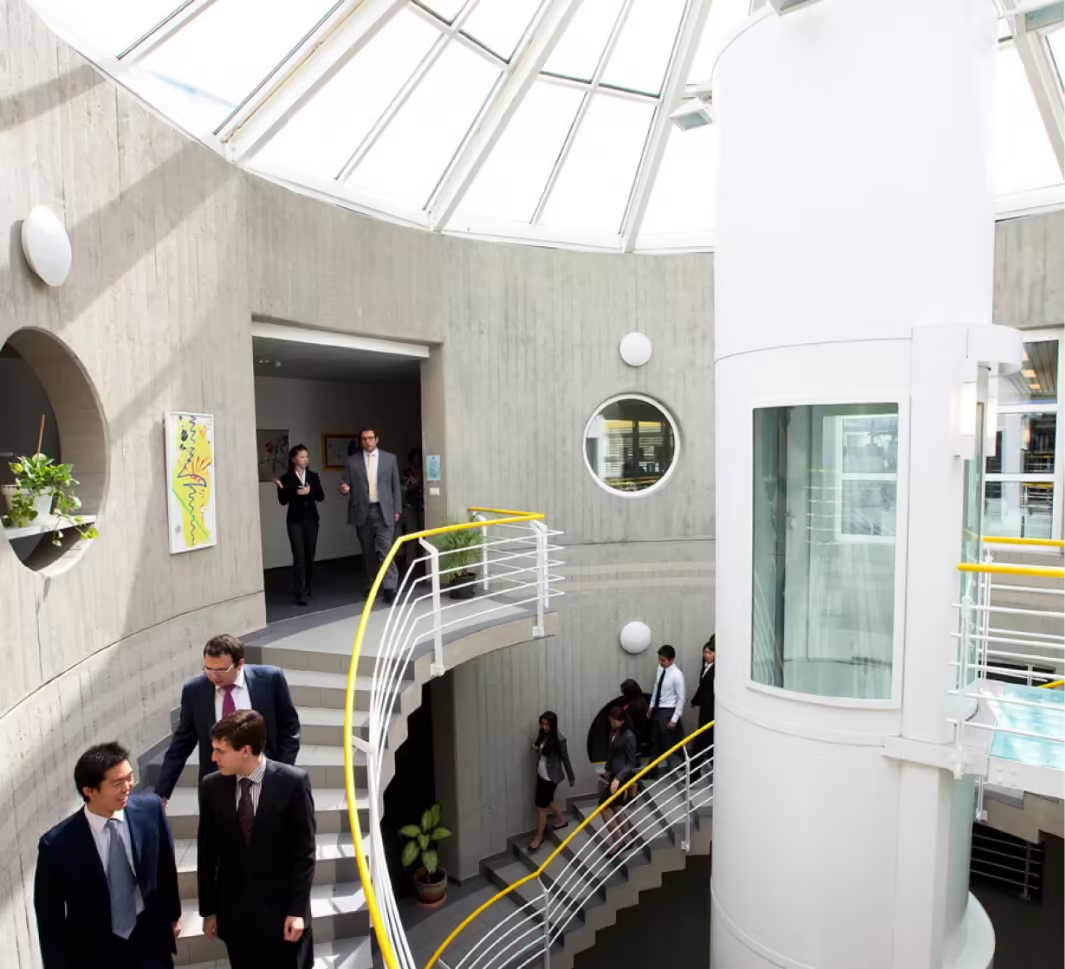
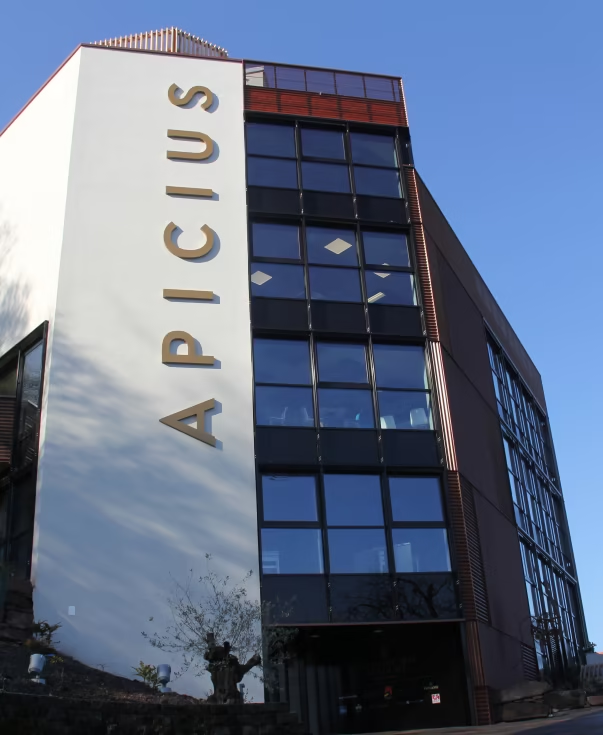
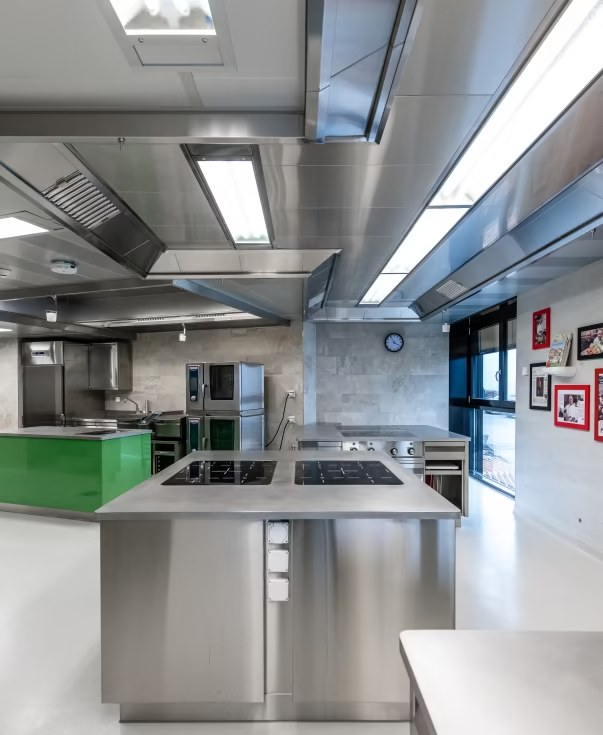

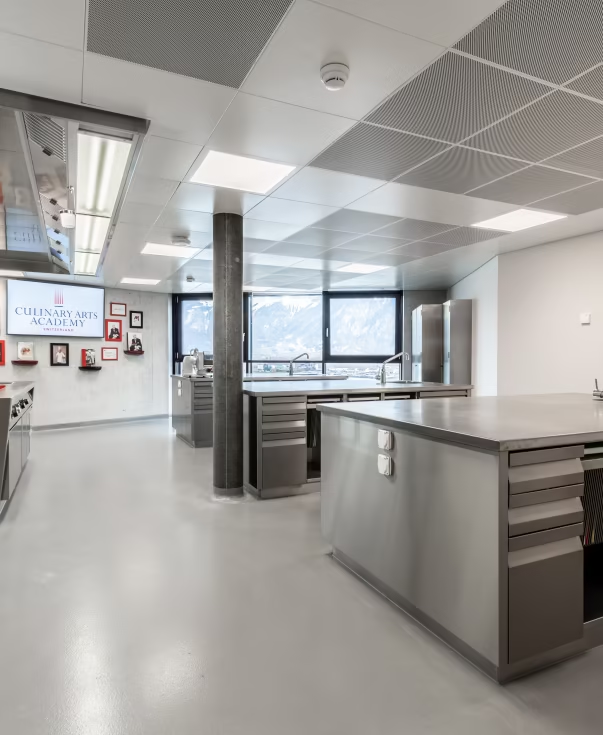
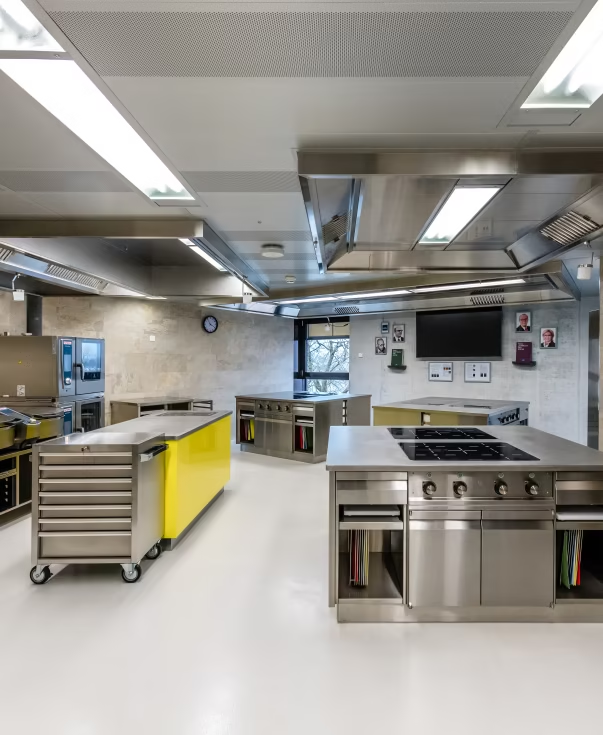
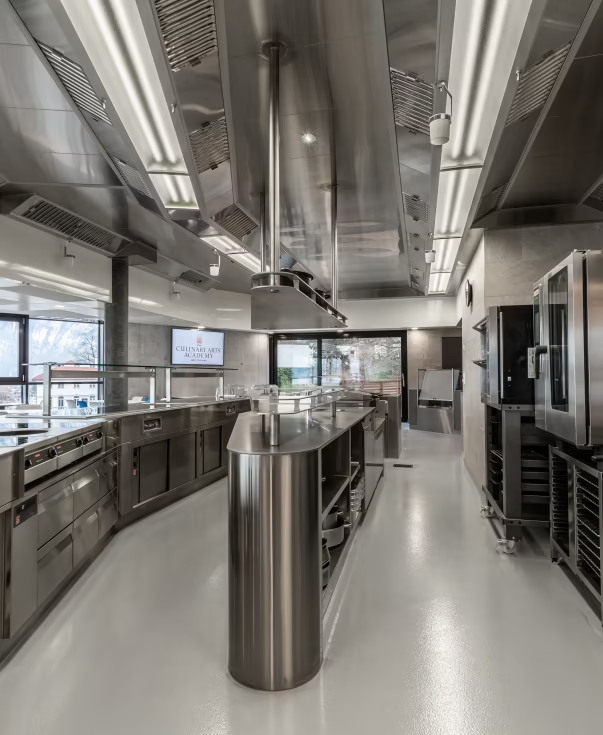

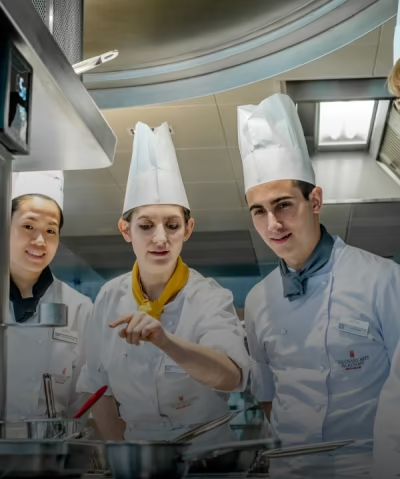


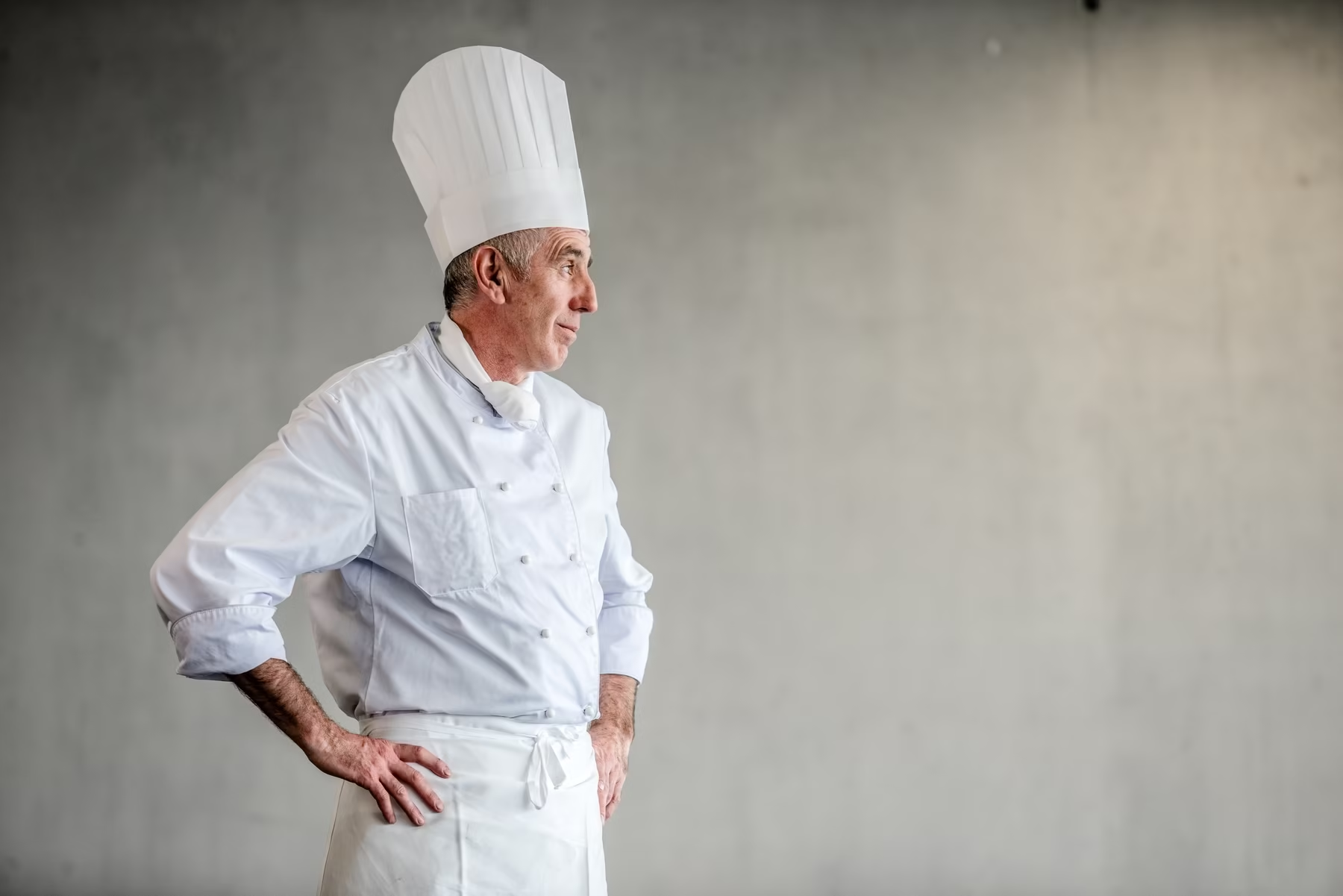

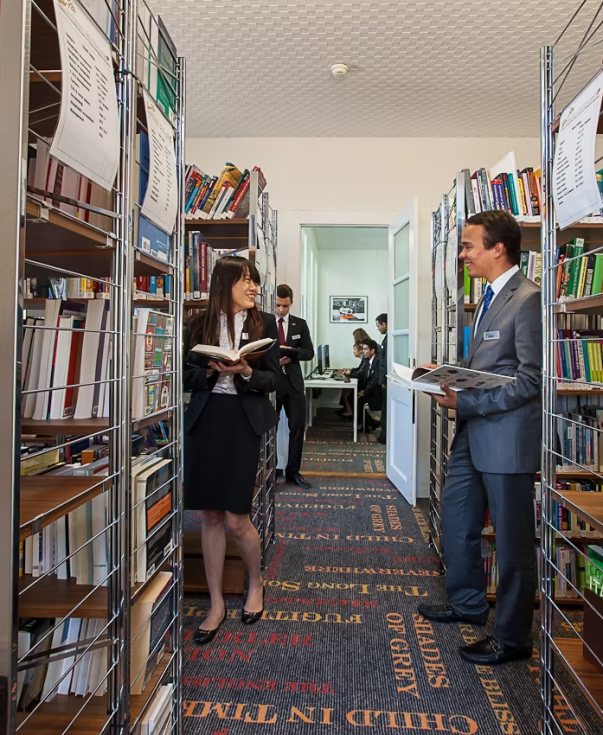
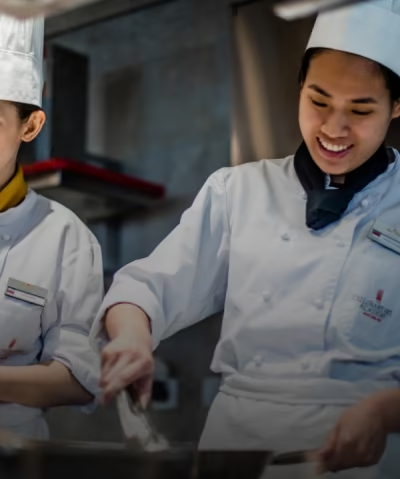
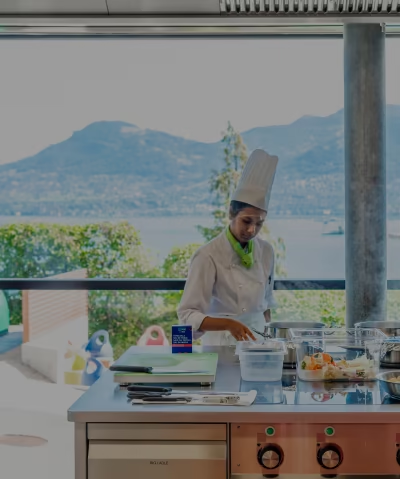

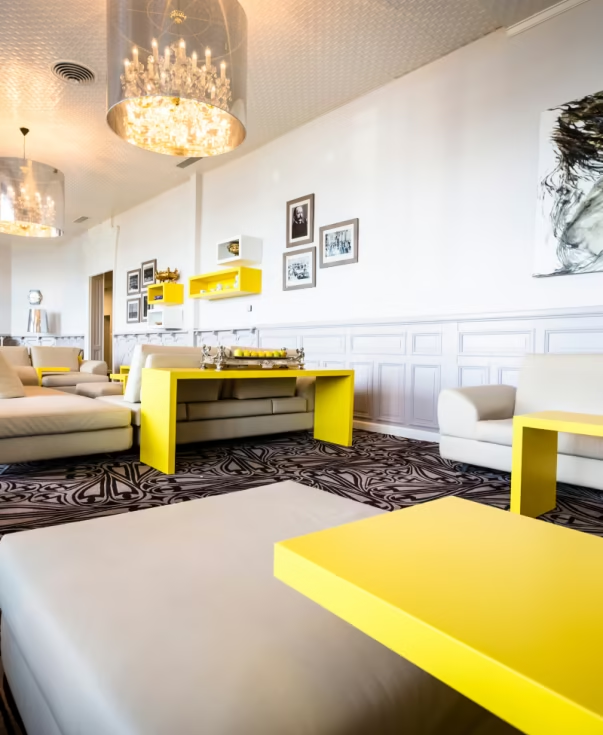
A school video to give families a clearer sense of the campus atmosphere, culinary facilities and student experience.
Culinary Arts Academy instills in our students the passion, creativity, dedication, and excellence around food and gastronomy.
Alain Müller, DeanUseful answers to some of the most common questions families ask when evaluating Culinary Arts Academy Switzerland.
Yes. It is far more centered on culinary craft, pastry, chocolate, food culture and kitchen practice. Business and hospitality knowledge are present, but they support a fundamentally culinary identity rather than replacing it.
Le Bouveret is the core culinary campus for most programmes. In the bachelor, the final academic year moves to Brig, where the curriculum becomes more focused on strategy, entrepreneurship and business leadership.
The bachelor is a longer degree pathway with two internships and a stronger entrepreneurial and business-development arc. The Swiss diplomas are faster one-year routes that are ideal for focused practical training and a quicker entry into the industry.
The master is designed especially for career changers, food and beverage entrepreneurs and candidates who already have a bachelor’s degree and want to move into culinary business management rather than only kitchen execution.
We help students and families decide whether Culinary Arts Academy Switzerland is the right culinary and strategic fit, and whether it makes more sense than another specialist option such as École Ducasse.
We help students determine whether they need a chef-led culinary school, a pastry-focused path, a food-business route or a broader hospitality programme elsewhere.
We guide families through the difference between the bachelor, the master and the diploma routes so the student does not choose a programme that is either too narrow or too broad.
We support with documents, profile presentation, timing and the positioning of the student’s culinary ambitions, including portfolio and progression logic when relevant.
We help families compare Culinary Arts Academy Switzerland with École Ducasse in France, especially on questions of culinary intensity, business dimension, campus life and international project fit.
Choose the contact option that suits you best. We can help you assess the student’s profile, compare programmes and understand the next admissions steps.
Schedule a short consultation to discuss the student’s culinary interests, academic background and whether Culinary Arts Academy is the right strategic option.
Get in touch directly for quick questions about cuisine, pastry, dual degrees, internships, applications and comparison with École Ducasse.
Prefer writing first? Share the student’s age, current studies and culinary objectives through our contact form so we can advise you properly.
Families who would like to review the school’s official information and programme material directly can also consult the official Culinary Arts Academy website.
For families looking at a serious culinary track rather than a traditional hospitality path, École Ducasse is the most relevant comparison point in our current portfolio.
A natural comparison for students and families looking at a specialist culinary education with a strong gastronomic identity and an internationally recognizable culinary brand.