

For students and families looking for a serious culinary school in France, École Ducasse stands out as a cuisine-and-pastry institution rather than a traditional hospitality management school. It is built around French culinary technique, pastry craftsmanship, chef-led training, restaurant culture and entrepreneurial development, with pathways that can suit future chefs, pastry specialists, food creators and ambitious career changers.
For students and families considering École Ducasse, the essential point is that this school should not be approached like a broad hotel management institution with a few kitchen classes added on. Its identity is much more culinary and pastry driven. The school is designed for students who want to train seriously in cuisine, pastry, bakery, chocolate, restaurant technique and food creativity in a French environment closely linked to the philosophy and standards associated with Alain Ducasse.
What makes École Ducasse especially attractive is that technical training is not separated from longer-term professional ambition. Students do not only learn practical skills in the kitchen or laboratory. They also build knowledge in management, entrepreneurship and concept development, which matters for those who may eventually want to lead a restaurant team, launch a food project, join a premium hospitality group or build a business of their own.
The current official academic offer is structured across two main French campuses. Paris Campus in Meudon is the flagship site for the Bachelor in Culinary Arts, the Bachelor in French Pastry Arts and several culinary short programmes. École Nationale Supérieure de Pâtisserie in Yssingeaux is the school’s specialist pastry campus, with a much deeper concentration of pastry, bakery, chocolate, confectionary, expert and CAP pathways.

A concise overview of the academic structure, campus model and practical information families usually want first when exploring École Ducasse.
Paris Campus in Meudon, near Paris, and École Nationale Supérieure de Pâtisserie in Yssingeaux, France.
Paris Campus is the flagship site for culinary arts and the bachelor programmes. ENSP is the dedicated pastry campus with deeper specialization in pastry, bakery, chocolate and confectionary.
Private French culinary and pastry school built around chef-led teaching, practical training and entrepreneurial development.
Two bachelors, culinary and pastry essentials, diplomas, expert diplomas and selected CAP pathways depending on the campus and language track.
The bachelors are taught in English. Several short and pastry programmes are offered in English or French, while selected CAP pathways at ENSP are taught in French.
Bachelor programmes currently start in late August. Diplomas and essentials have multiple intakes during the year depending on the programme and campus.
High school graduates looking for a degree in cuisine or pastry, as well as career changers, entrepreneurs and professionals seeking shorter, highly practical culinary or pastry training.
Application fee: €200.
Bachelor in Culinary Arts total: €54,450 (approx. USD —*) EU / €67,200 (approx. USD —*) non-EU.
Bachelor in French Pastry Arts total: €54,450 (approx. USD —*) EU / €67,200 (approx. USD —*) non-EU.
Culinary Arts Diploma total: €25,900 (approx. USD —*) EU / €32,900 (approx. USD —*) non-EU.
French Pastry Arts Diploma total: €27,900 (approx. USD —*) EU / €29,900 (approx. USD —*) non-EU.
*Approximate USD value shown for guidance. Fees vary by nationality, programme, intake and selected options. Billed in EUR. Accommodation is arranged separately through partner residences.
Students who are serious about cuisine, pastry and the French gastronomic environment often choose École Ducasse because it offers a stronger culinary identity than a classic hospitality school and a broader range of pastry specialization than many general culinary institutions.
This is the right type of school for students who want their education to be rooted in culinary craft, pastry arts and restaurant technique rather than in hotel operations or general business management alone.
École Ducasse offers students access to a French gastronomic setting, which matters for anyone who wants to immerse themselves in the traditions, standards and creative culture that shape modern French cuisine and pastry.
Paris Campus is particularly relevant for culinary arts, degree-level training and shorter culinary formats, while ENSP gives pastry-focused students access to a much more specialized pastry ecosystem.
Students are not trained only to execute recipes. The academic model also helps them build the managerial and entrepreneurial foundations needed for long-term progression in food and beverage.
The school combines kitchen and lab work, chef demonstrations, challenges, group projects and internships in ways that can suit both younger students and adults in professional transition.
Some students need a 3-year bachelor in English. Others need an 8-week or 22-week practical programme. École Ducasse is attractive precisely because it offers several entry points instead of only one academic route.
The school’s offer is broad, but it becomes much easier to read once you separate the degree pathways from the shorter career-changer and pastry-specialization routes.
A 3-year bachelor taught in English at Paris Campus, structured across six semesters and three professional internships of 24 weeks each. It combines culinary practice with management and entrepreneurial content.
A 3-year bachelor taught in English at Paris Campus, also built around six semesters and three 24-week internships. It is especially relevant for students who want pastry technique with business and leadership development.
Paris Campus offers Culinary Arts Essentials in English or French, the Culinary Arts Diploma in English and other advanced culinary formats, while ENSP offers French Pastry Arts Essentials in English or French, the French Pastry Arts Diploma in English, expert diplomas and French CAP pathways.
For families, the campus question matters a lot here because Paris Campus and ENSP do not feel interchangeable. They support different types of student journeys.
École Ducasse is attractive because the programme formats are practical, but they are not all practical in the same way. The bachelor route and the shorter diploma route serve different objectives.
Depending on the programme chosen, École Ducasse can lead to classical kitchen and pastry roles, but also to entrepreneurial, managerial and concept-driven careers in food and beverage.
Students may move into chef, commis, chef de partie or wider culinary operations roles, especially after the bachelor or culinary diploma pathways.
ENSP-based pathways are particularly relevant for students aiming at pastry labs, boutique pastry, bakery, chocolate, ice cream or confectionary environments.
The business and entrepreneurship content can support future restaurant projects, boutique concepts, branded food ventures or consultancy ambitions.
The French gastronomic environment is especially relevant for students attracted by premium dining, refined pastry work and high-end culinary positioning.
Some graduates move toward food writing, chef instruction, creative consulting or culinary content creation after building enough technical credibility.
Because the programmes are offered in English for key routes and the brand is internationally recognized, the school can also support students planning careers outside France.
A visual overview of École Ducasse, including the culinary setting, kitchen environment and campus atmosphere in France.


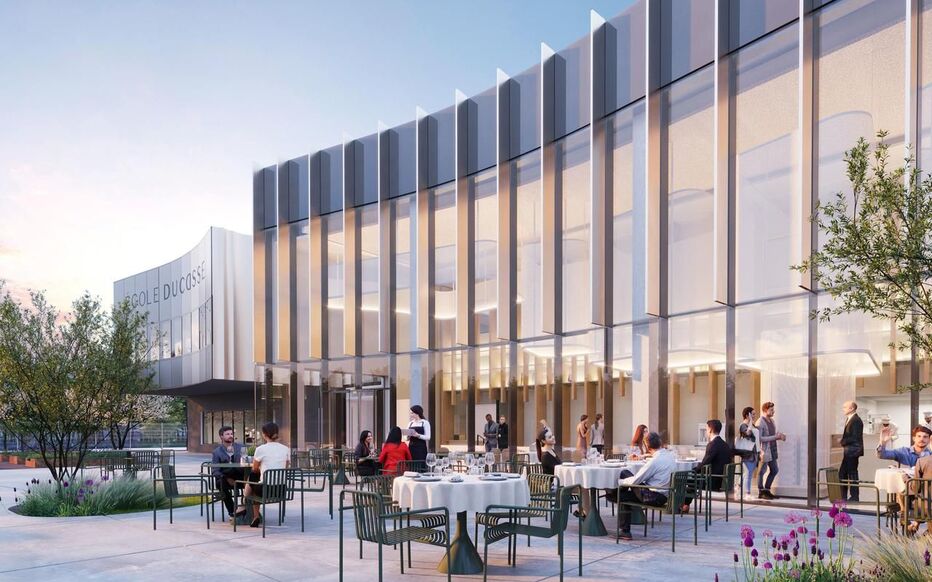

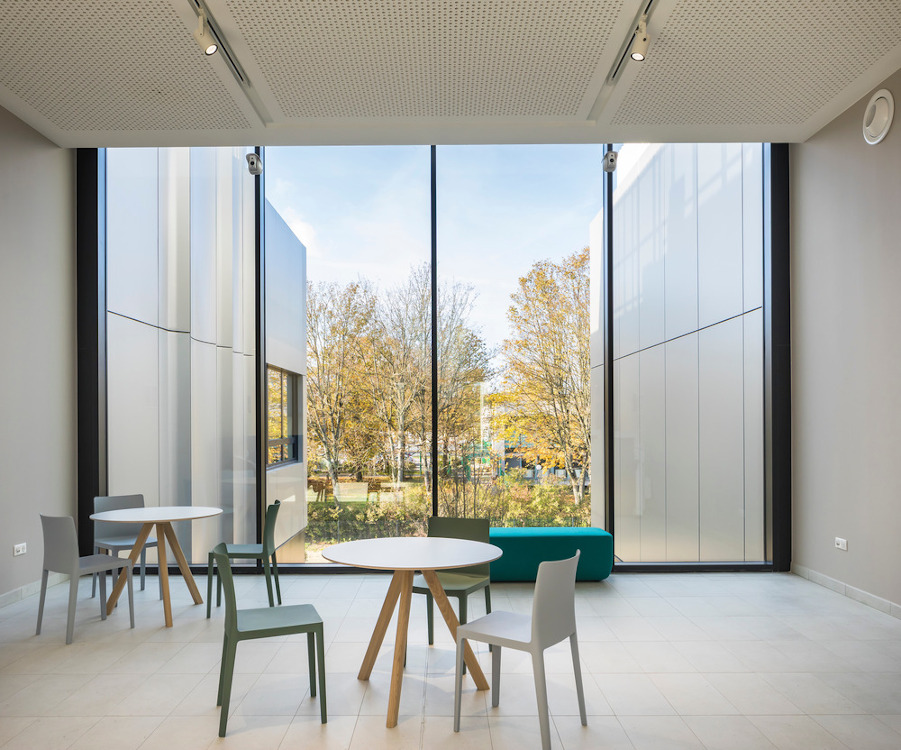
A recent school video to give families a clearer sense of the school’s atmosphere, philosophy and culinary identity.
Master more than cooking.
École DucasseUseful answers to some of the most common questions students and families ask when evaluating École Ducasse as a serious culinary option in France.
It is relevant for both. The school is built around culinary and pastry technique, but the programmes also integrate management and entrepreneurial development, which matters for students who may eventually want to build a concept or run a business.
For families looking at the deepest pastry specialization, ENSP in Yssingeaux is usually the most relevant campus. It is the school’s dedicated pastry environment and offers a broader pastry-specific portfolio than Paris Campus.
No. The two bachelors are taught in English, but short and specialist programmes vary. Some are offered in English or French, while selected CAP pathways at ENSP are taught in French. It is important to verify the language at programme level before applying.
École Ducasse is more rooted in the French gastronomic and pastry environment, with Paris and ENSP as its core campuses. Culinary Arts Academy Switzerland is also highly culinary, but it is positioned within a different country, campus logic and academic ecosystem.
We help families go beyond the brand name and work out whether École Ducasse is the right culinary path, in the right language and on the right campus.
We help families understand whether Paris Campus or ENSP is the better match depending on the student’s real interest in cuisine, pastry and long-term direction.
We clarify whether the student should look at a 3-year bachelor, a shorter essentials course, a diploma or a more advanced specialist route.
Because English and French options vary by programme, we help make sure the student’s language profile genuinely matches the pathway being considered.
We compare École Ducasse with Culinary Arts Academy Switzerland so families can weigh France versus Switzerland, campus style, pastry depth and entrepreneurial orientation.
Choose the contact option that suits you best. We can help you assess the student’s profile, compare programmes and understand the next admissions steps.
Schedule a short consultation to discuss the student’s culinary interests, academic background, language profile and whether École Ducasse is the right strategic option.
Get in touch directly for quick questions about Paris Campus, ENSP, programme language, pastry routes, admissions and comparison with Switzerland.
Prefer writing first? Share the student’s age, current studies and culinary objectives through our contact form so we can advise you properly.
Families who would like to review the school’s official information and programme material directly can also consult the official École Ducasse website.
For families looking at a serious culinary path with international visibility, Culinary Arts Academy Switzerland is the closest comparison point in our current portfolio.
A natural comparison for students and families looking at a specialist culinary education with a stronger Swiss environment, a different campus model and a different balance between culinary training and business integration.