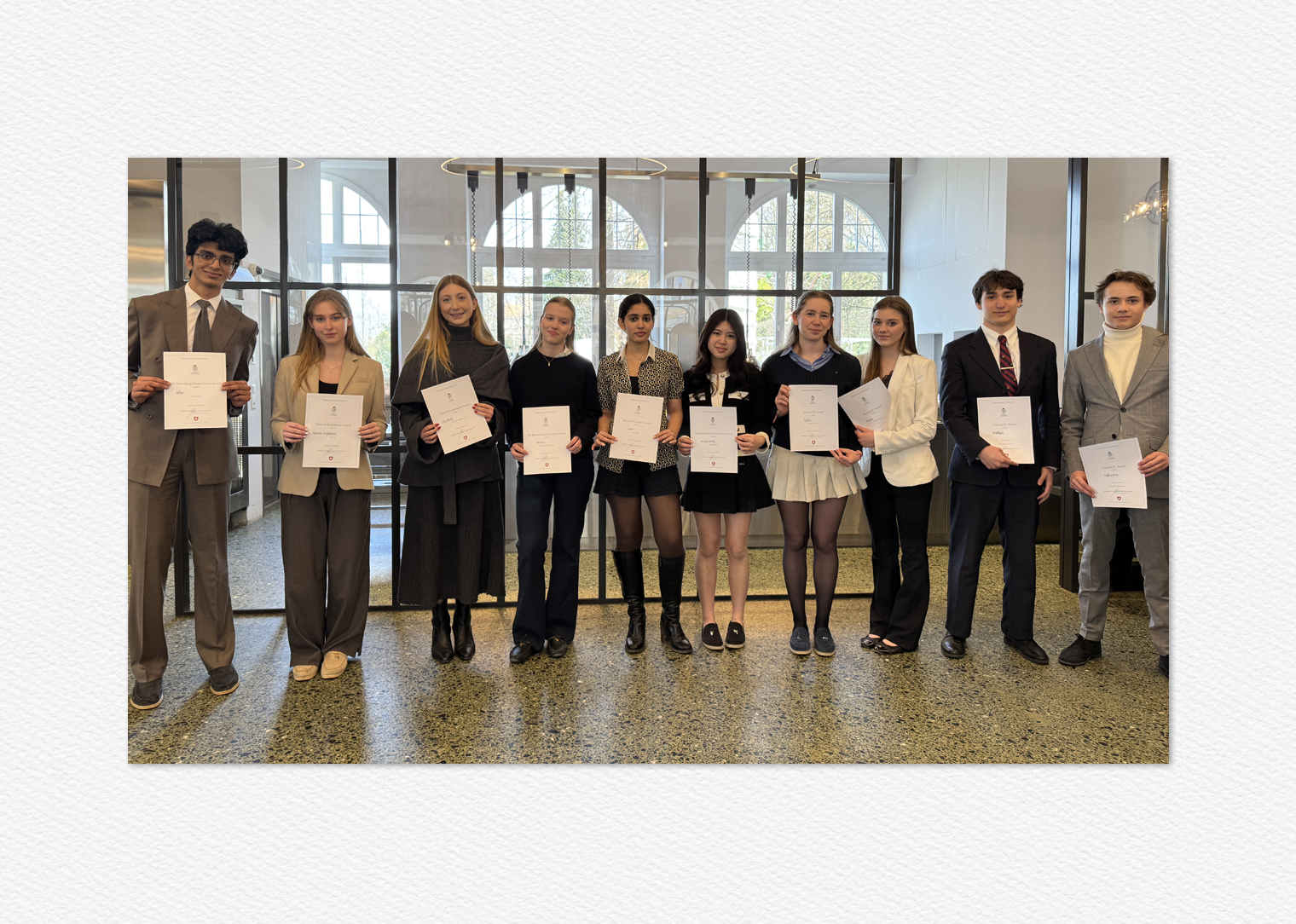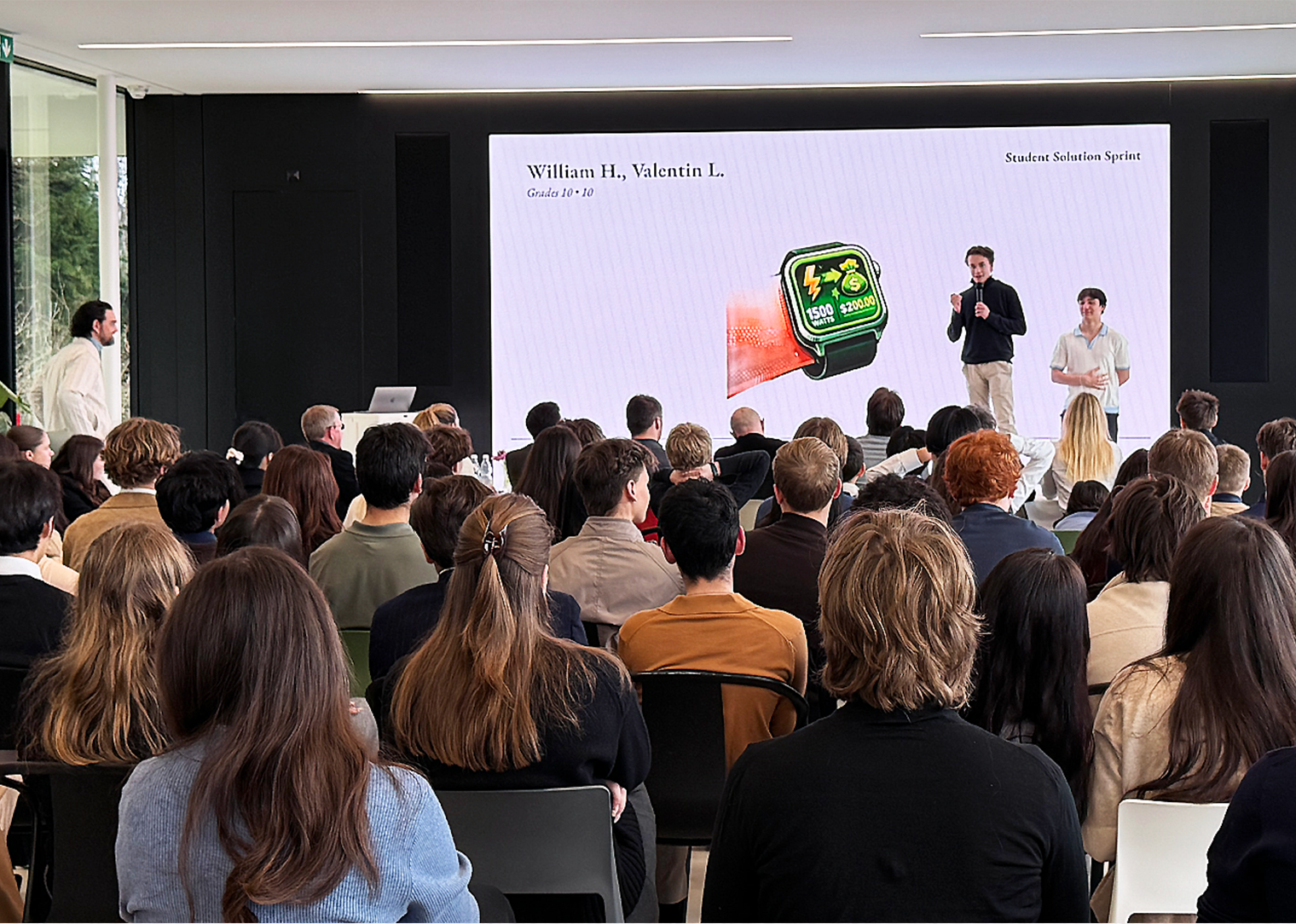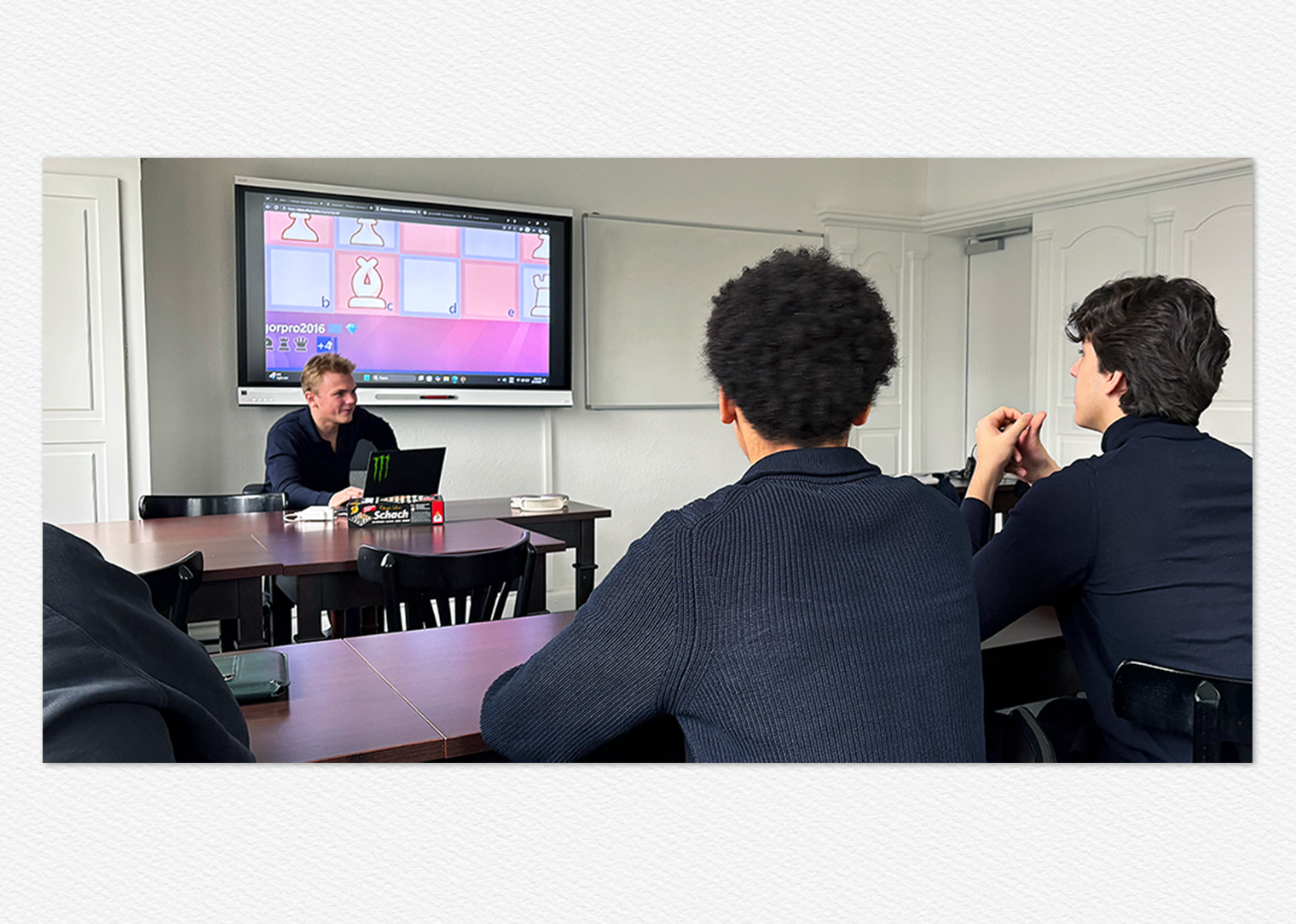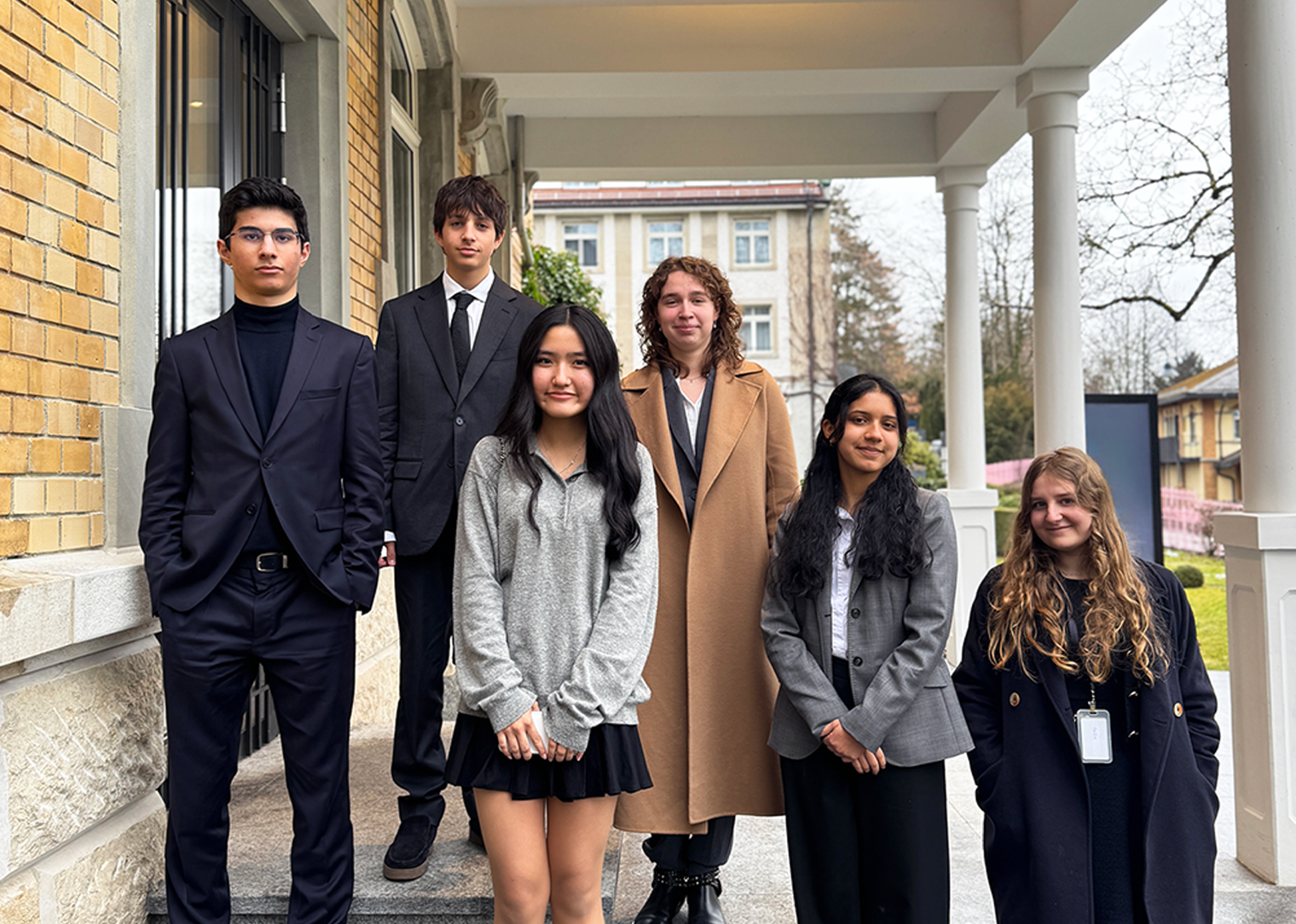
In dialogue with the ARIS programme founded by students of ETH Zurich and MIT Media Lab's Dr. Minoo Rathnasabapathy, the session explored stewardship, accountability, and systems thinking in frontier innovation. Contributions from students and engineers alike examined who carries responsibility when incentives conflict, which accountability mechanisms must be non-negotiable, and how principles such as transparency, safety, and long-term impact can be embedded from design through deployment. Grounded in both technical practice and ethical reflection, the discussion emphasized that innovation without stewardship is incomplete—and that accountability must scale alongside ambition. The event, hosted at Institut Rosenberg, provided a platform for interdisciplinary exchange, bridging academic research with practical applications in space technology and beyond. Participants engaged in rigorous debate about the ethical frameworks necessary for sustainable development as human activities extend into orbital and extraterrestrial environments. The conversation highlighted how educational institutions play a critical role in shaping future innovators who understand that technological advancement must be paired with moral responsibility. By fostering environments where students can confront complex ethical dilemmas alongside technical challenges, schools like Institut Rosenberg prepare leaders capable of navigating the nuanced landscape of frontier innovation. This approach ensures that emerging technologies are developed with consideration for their broader societal and environmental impacts, rather than pursuing progress for its own sake.
The dialogue specifically addressed what responsible innovation demands as technological systems extend beyond Earth. Key themes included the necessity of establishing clear governance structures for space activities, the importance of international cooperation in setting standards, and the role of educational institutions in cultivating ethical awareness from an early stage. Engineers and researchers shared practical insights about implementing safety protocols and transparency measures in cutting-edge projects, while students contributed perspectives on how younger generations perceive their role in shaping technological futures. The session underscored that accountability cannot be an afterthought; it must be integrated into the innovation process from inception through to deployment and beyond. This requires continuous reflection on how technologies might evolve and affect various stakeholders over time. Participants agreed that principles like equity, sustainability, and precaution should guide decision-making, especially when dealing with systems that operate in fragile or uncharted environments. The discussion also touched on the economic and political dimensions of space innovation, exploring how incentives can be aligned to promote responsible behavior among diverse actors. By emphasizing shared stewardship, the event reinforced the idea that no single entity bears sole responsibility—instead, a collective effort is needed to ensure that humanity's expansion into space benefits all. This holistic view of innovation aligns with the educational philosophy of institutions that prioritize holistic development, where technical excellence is balanced with ethical maturity and global citizenship.