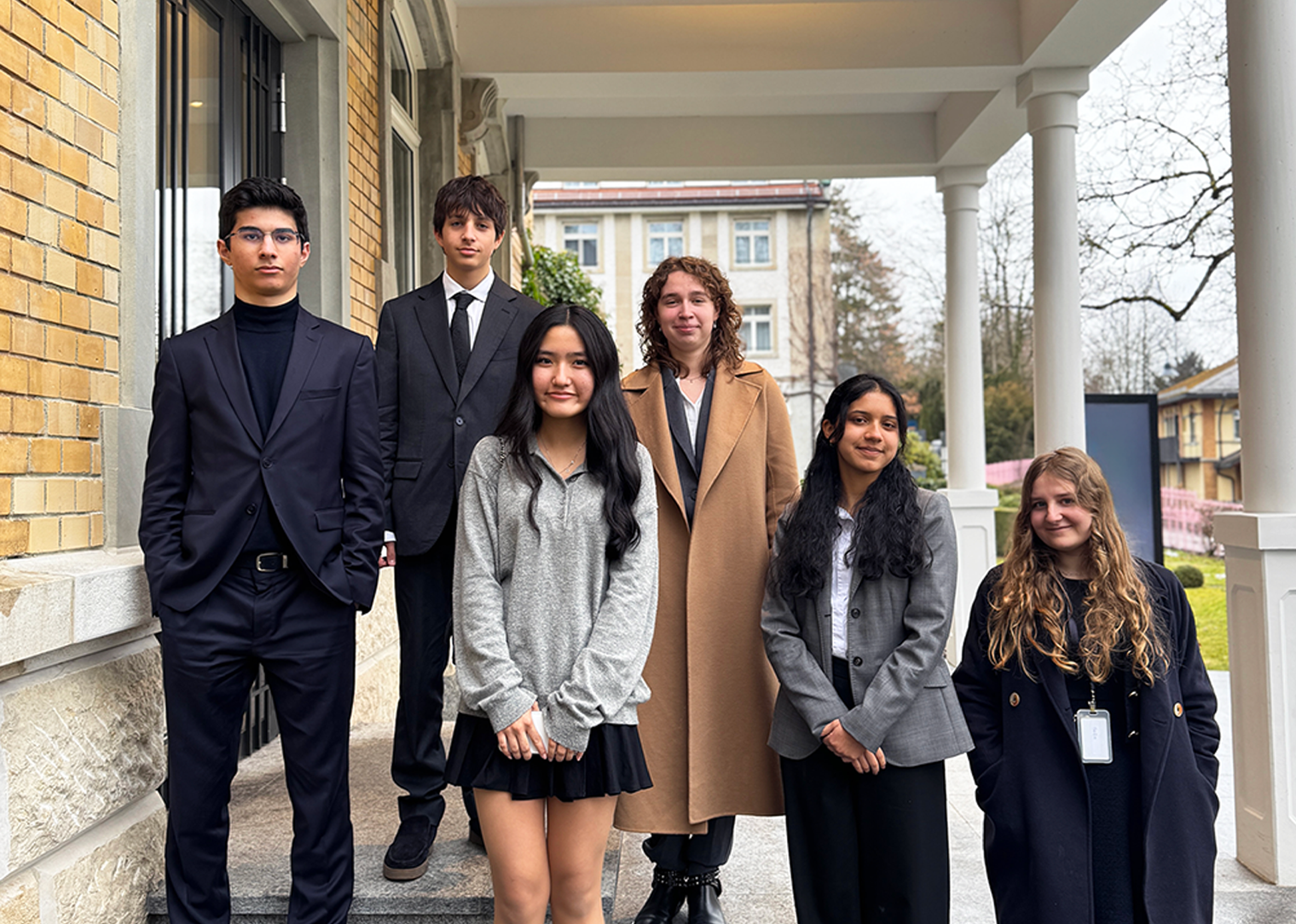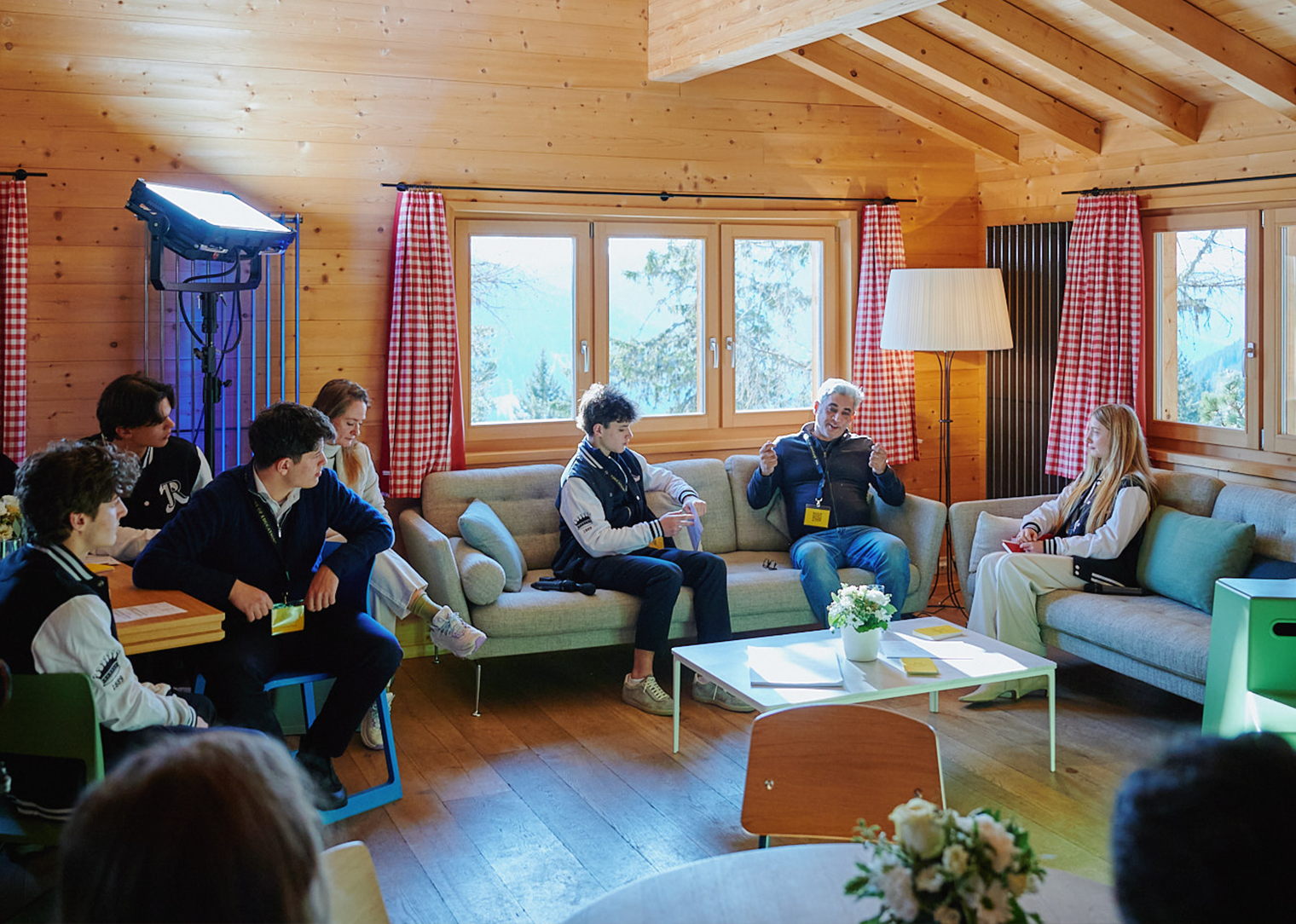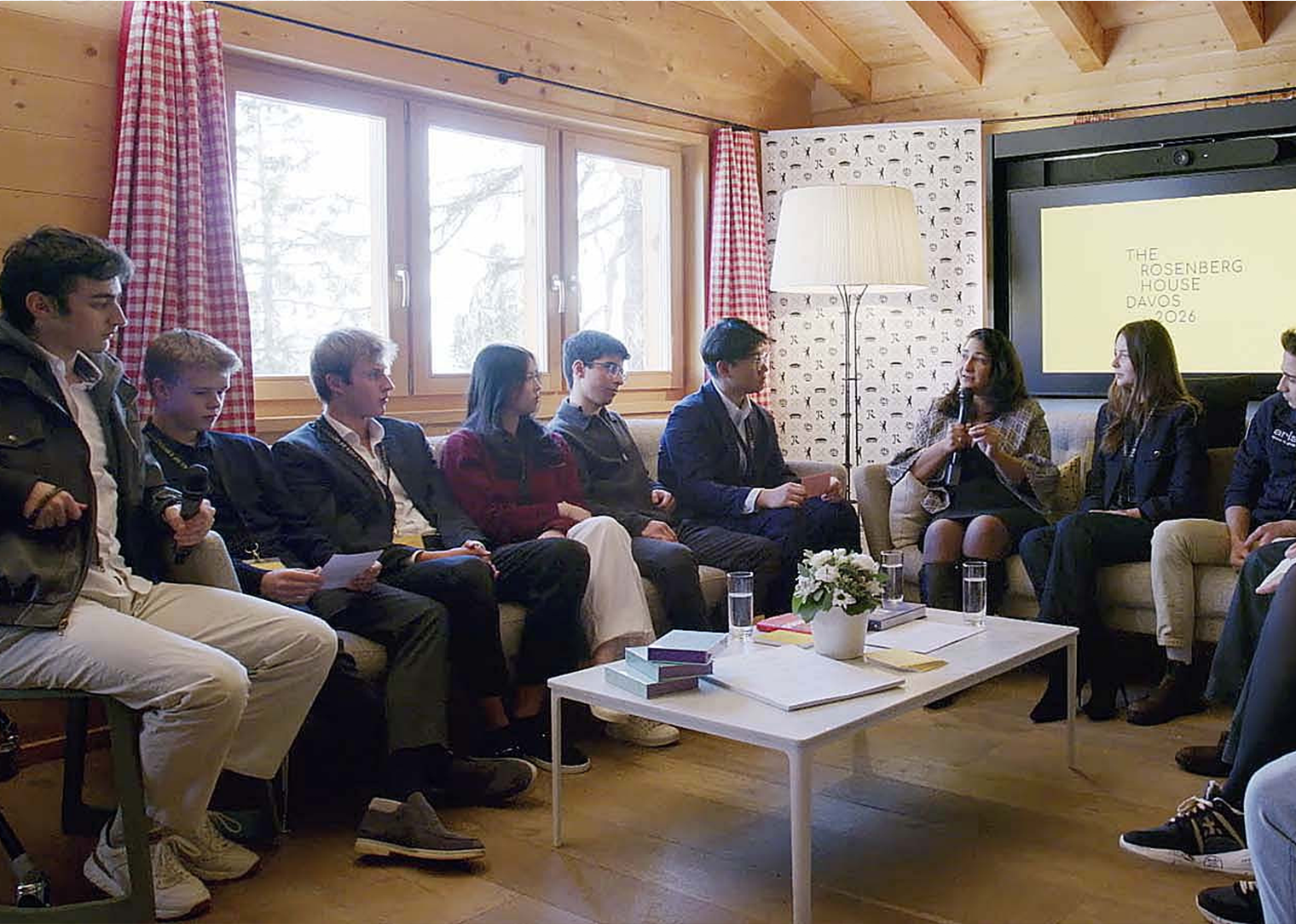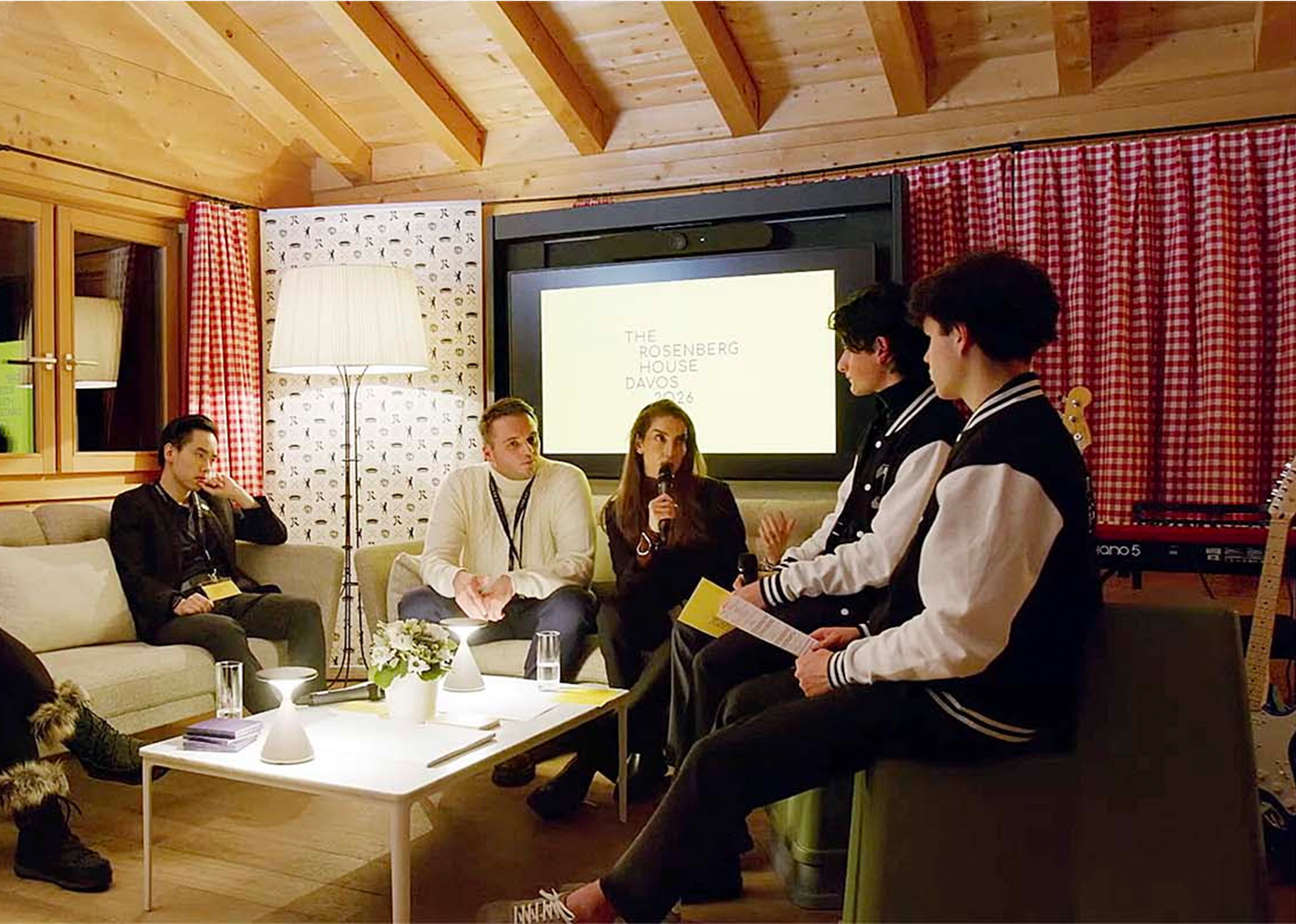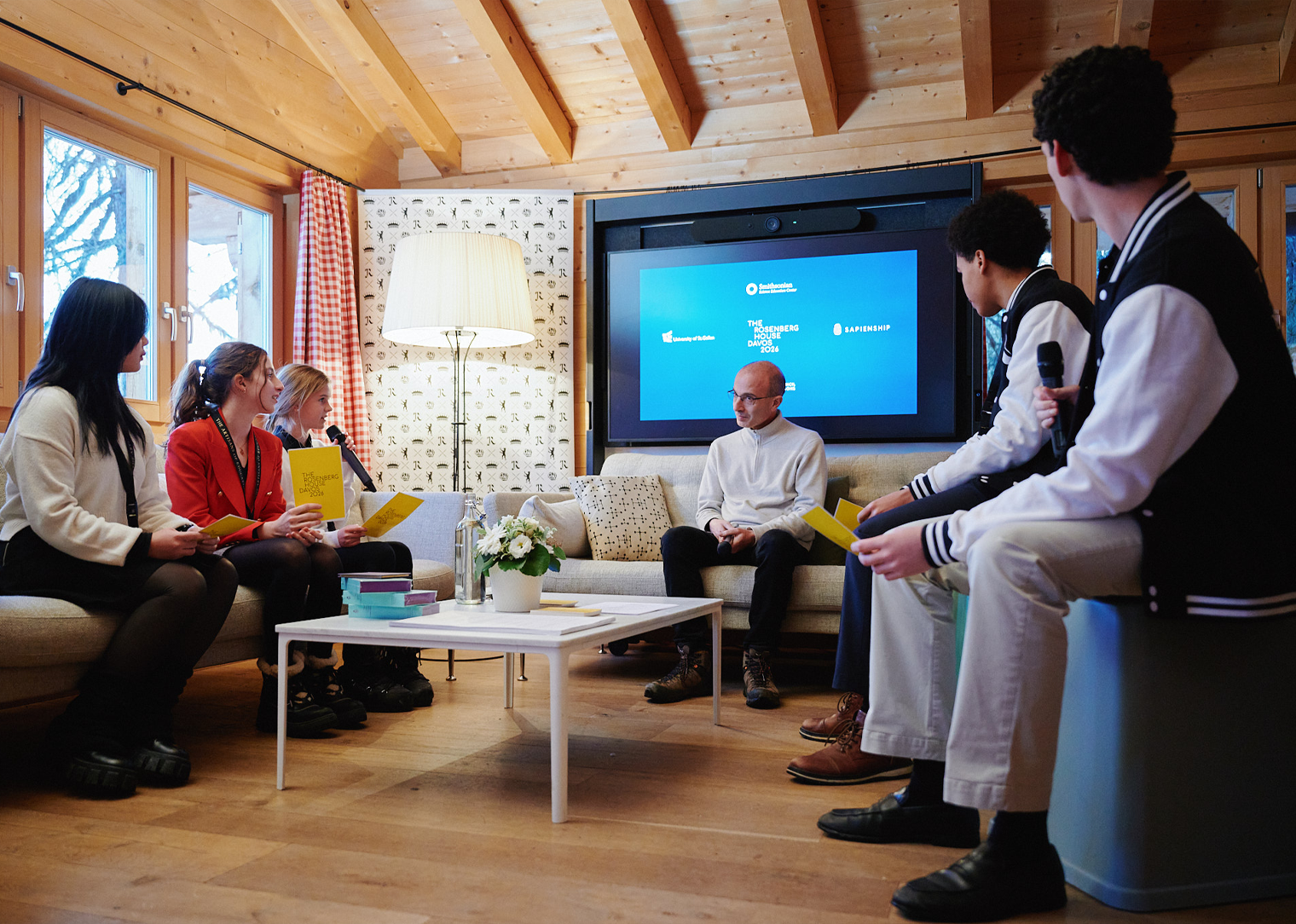
In January 2026, Institut auf dem Rosenberg became the first school ever to host and moderate a five-day venue during the World Economic Forum in Davos. This unprecedented experience, which the school hopes to repeat, saw students dedicating their time, talent, and energy to prepare for Rosenberg House Davos 2026. In the weeks leading up to the event, students did not create new work but instead adapted existing projects developed at Rosenberg for the Davos context. They focused on short sprints, clear framing, and genuine dialogue with experts, transforming classroom learning into practical, shareable blueprints ready for public testing. The preparation involved condensing policy briefs and scientific readings into session-ready summaries, reworking longer projects into sprint formats with clear problem statements and proposed next steps, rehearsing moderation techniques to ensure focused and productive discussions, and researching participating experts to prepare informed questions. This final phase emphasized translation and readiness—tightening language, checking assumptions, and building confidence—so students arrived with work already developed through their education, prepared to engage a demanding global audience.
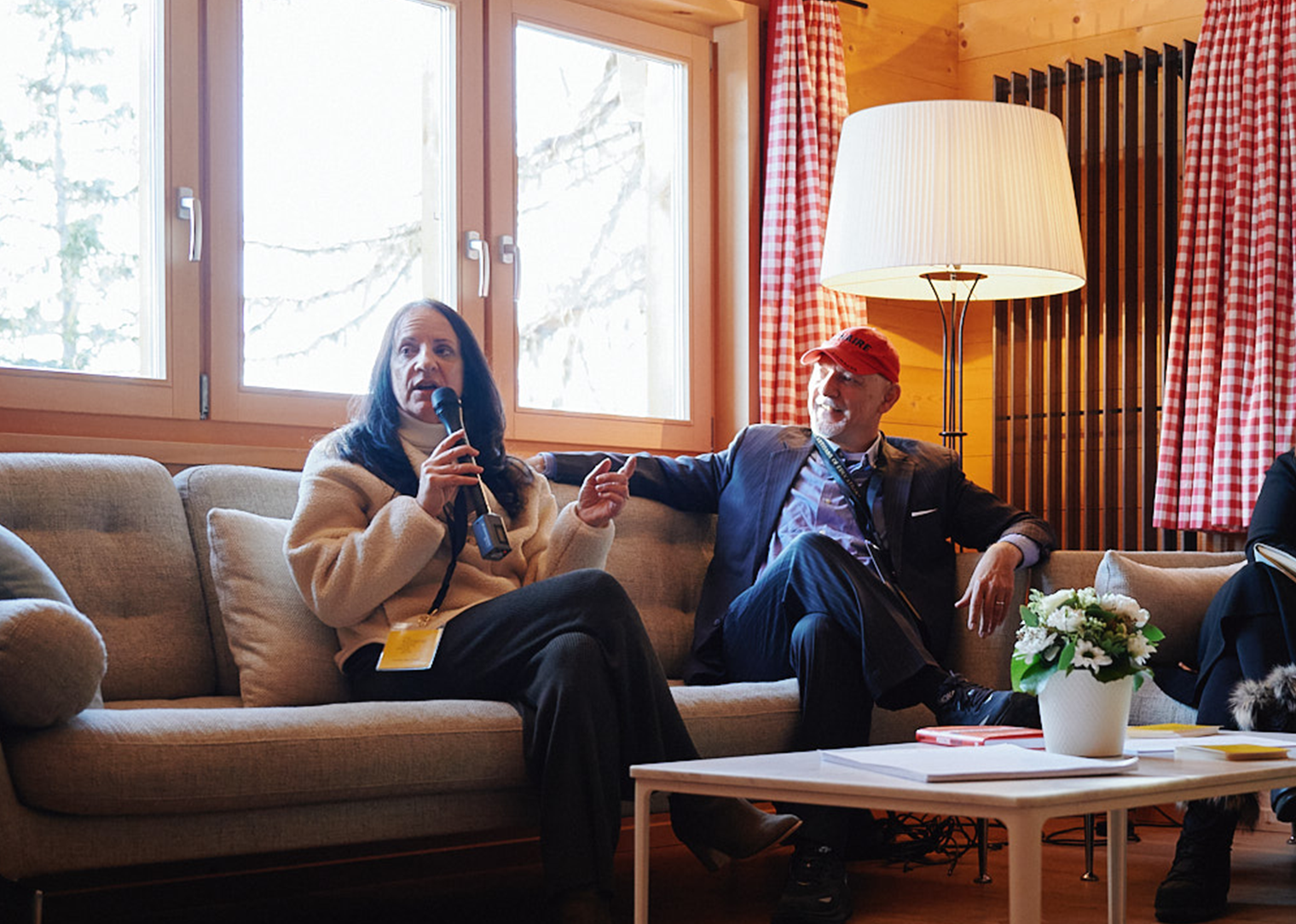
Students selected projects based on deep personal interest, often stemming from independent study or school-wide initiatives, and designed imaginative presentations with support from peers, mentors, and teachers. Key student-led projects included The Rosenberg Urban Refuge project, developed with MIT, which addressed climate adaptation, displacement, and urban design; The Rosenberg Space Habitat, which explored systems-level reasoning on governance, resource management, and cross-border collaboration; and The Rosenberg AI Charter, which anchored technology debates in practical ethics like agency, safety, and transparency. Students aimed for more than symbolic 'youth voice'—they eagerly engaged with leaders from government, civil society, multicultural institutions such as WHO and WFP, educational bodies like the Smithsonian, and public intellectuals like Yuval Noah Harari. They sought real-world scrutiny for their sprint solutions, emphasizing relevance over rhetoric in a space dedicated to solutions, not speeches. Looking ahead, the school will share student reflections and anticipates the Rosenberg Youth Manifesto, a next-generation white paper authored by student hosts. This document, to be presented to global stakeholders, will highlight priority areas, propose concrete steps, and identify partners to move from dialogue to implementation, aiming for a far-reaching impact as these future leaders begin shaping tomorrow.