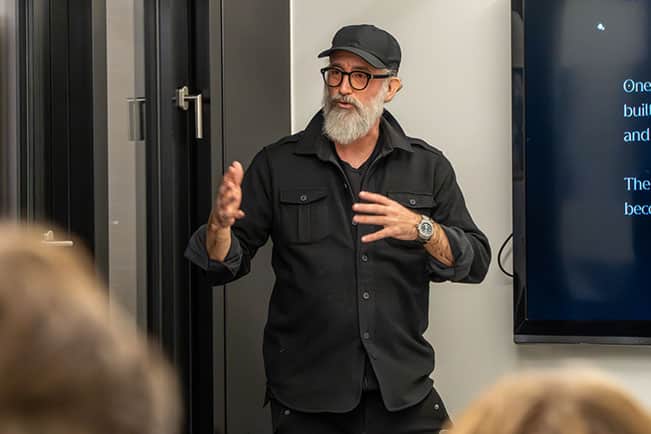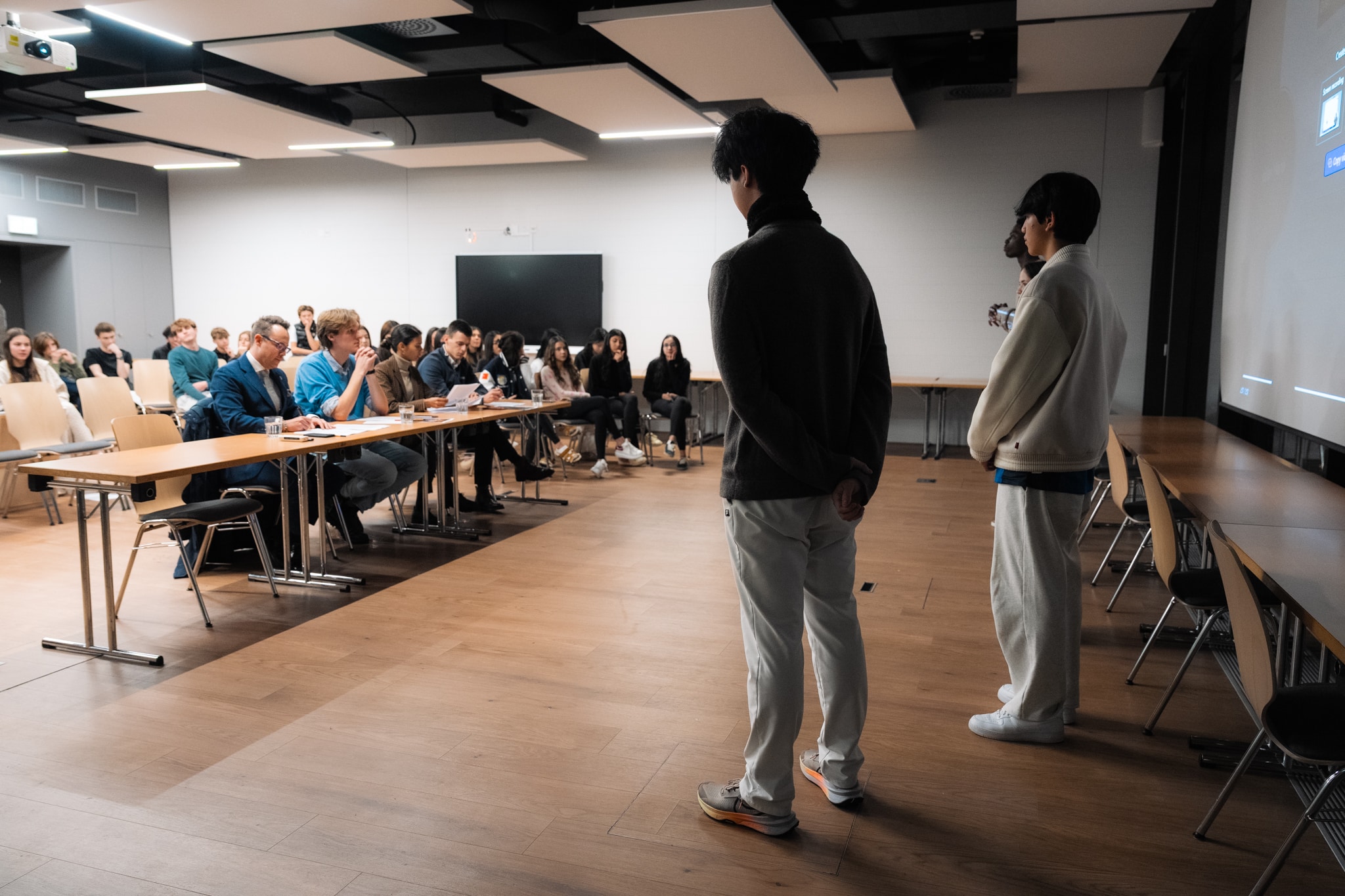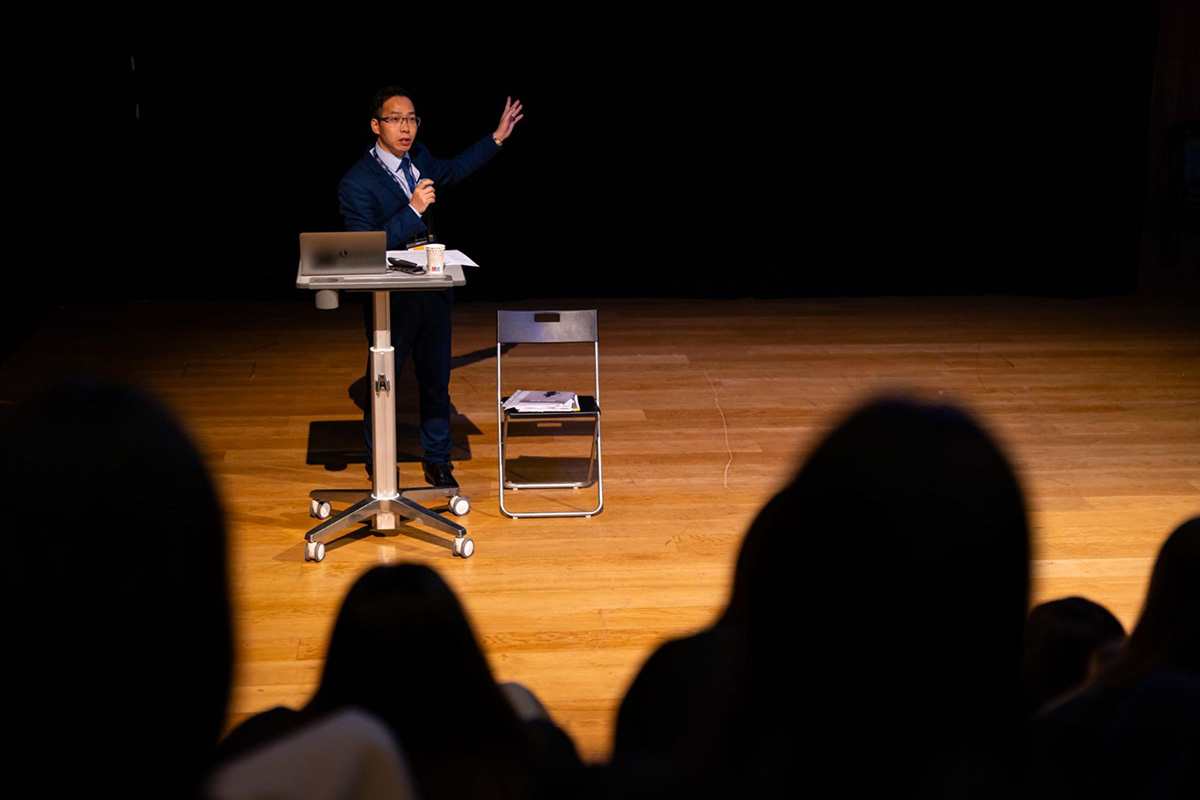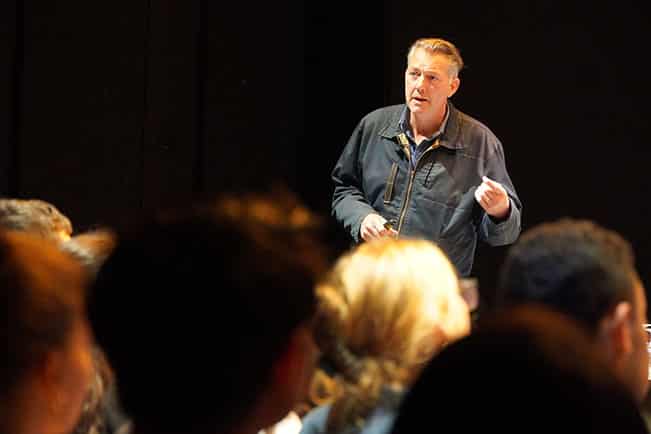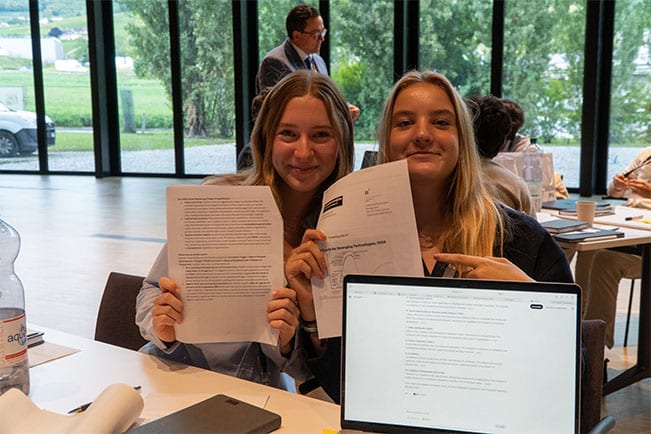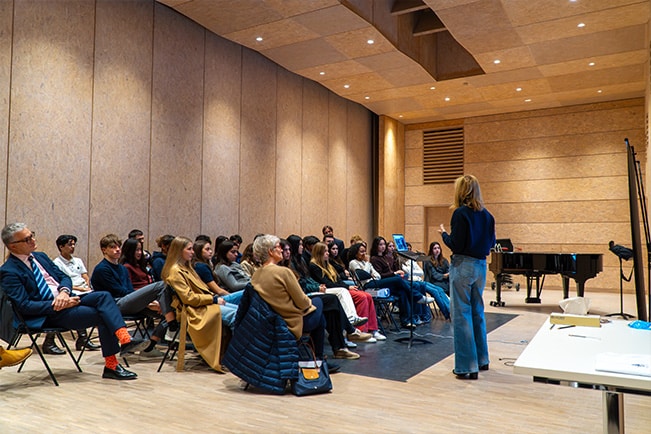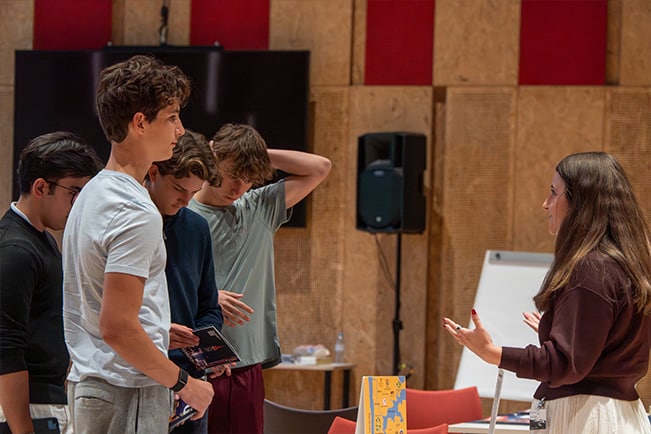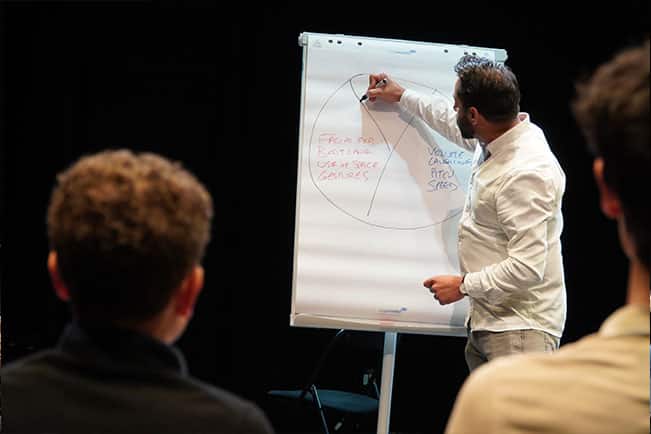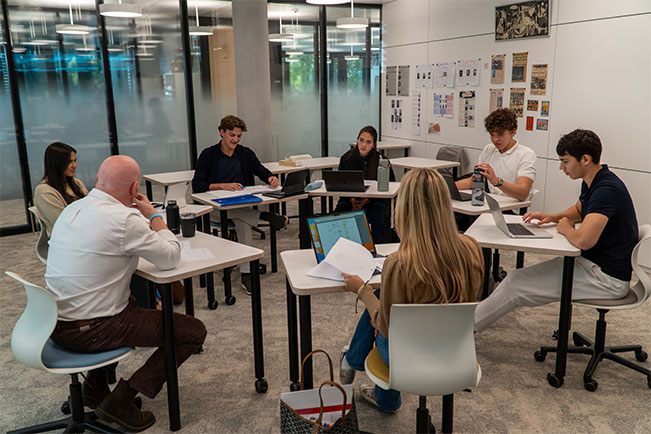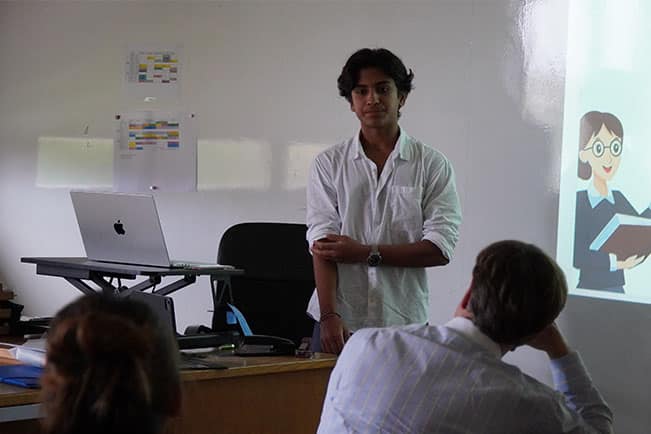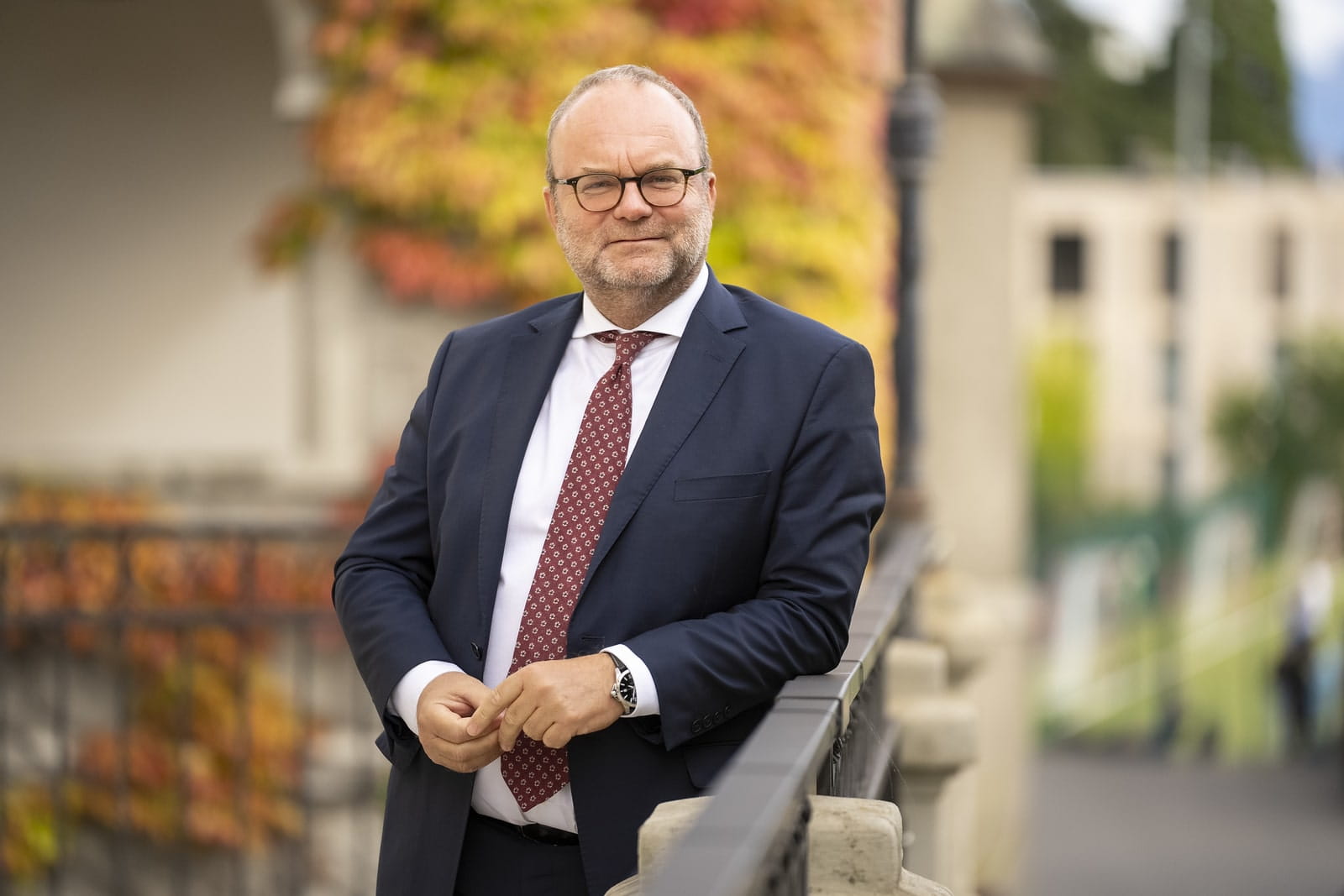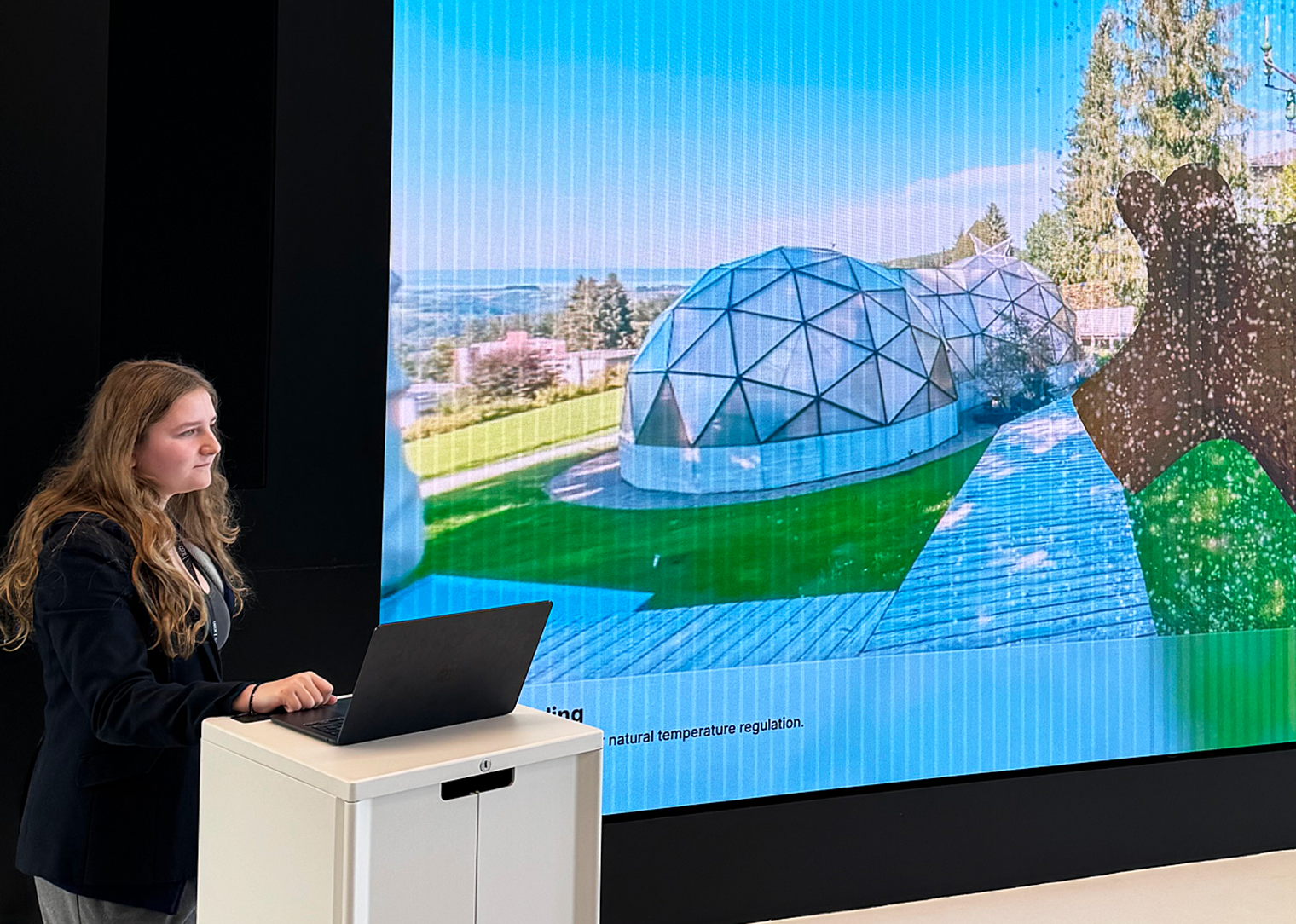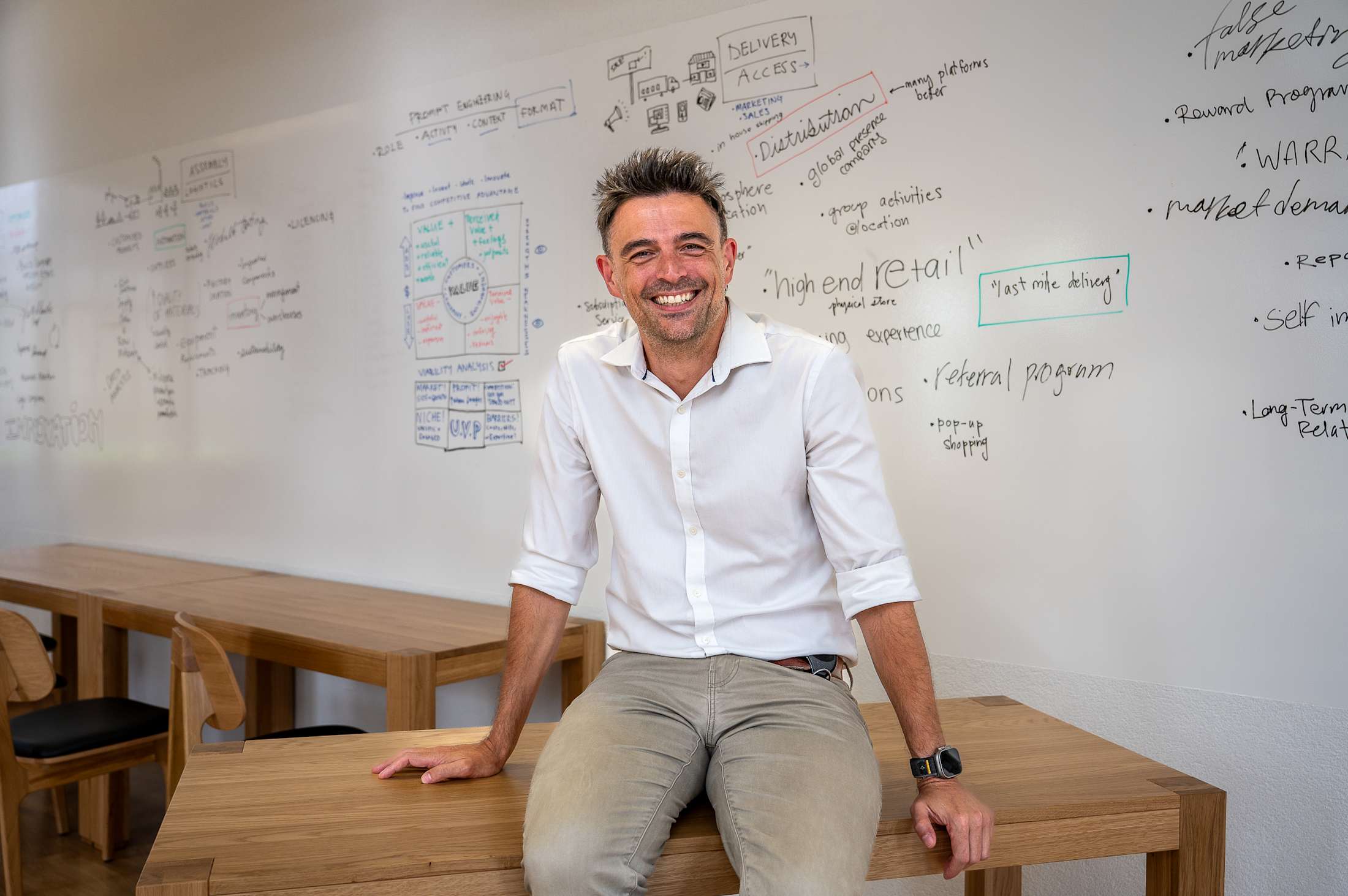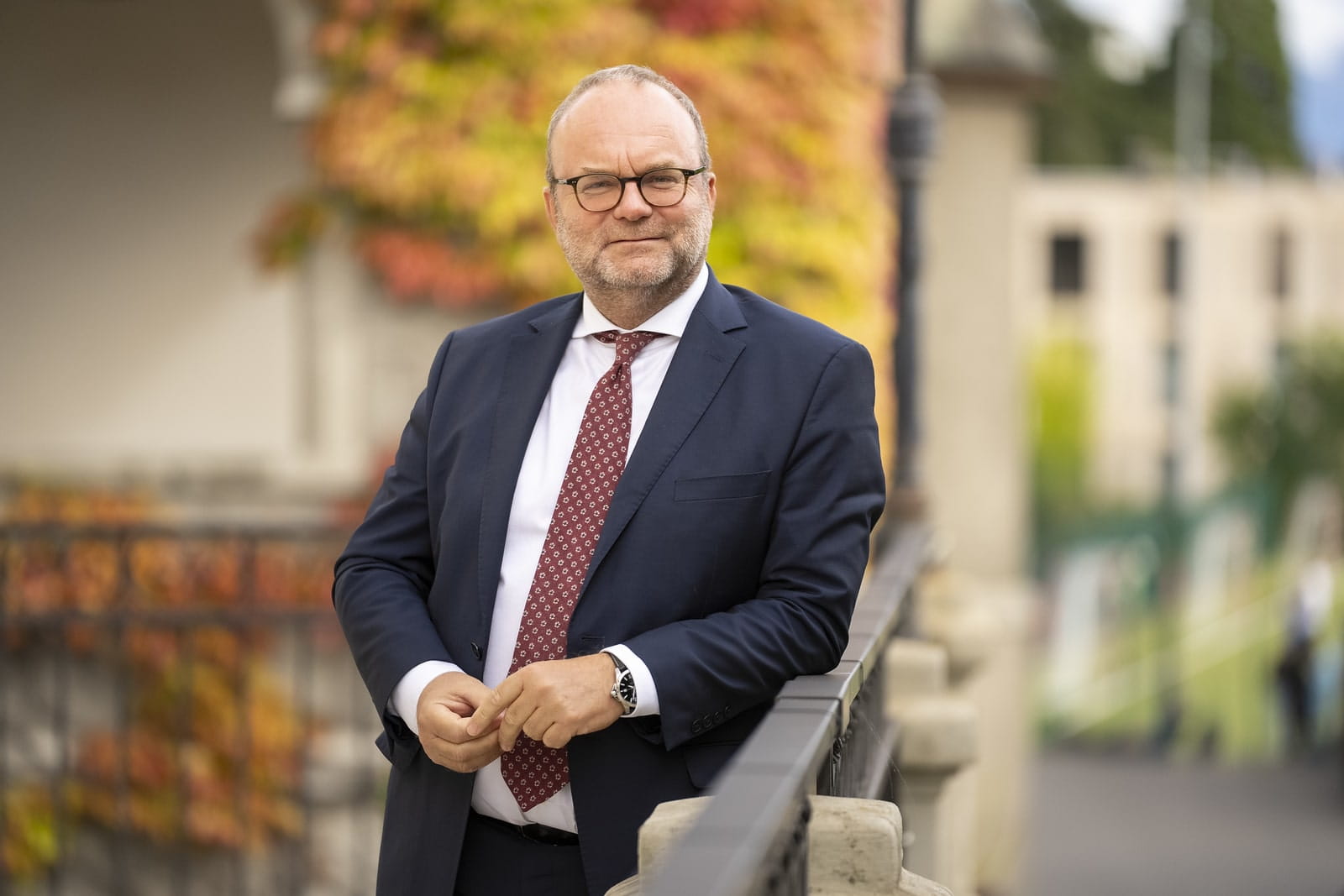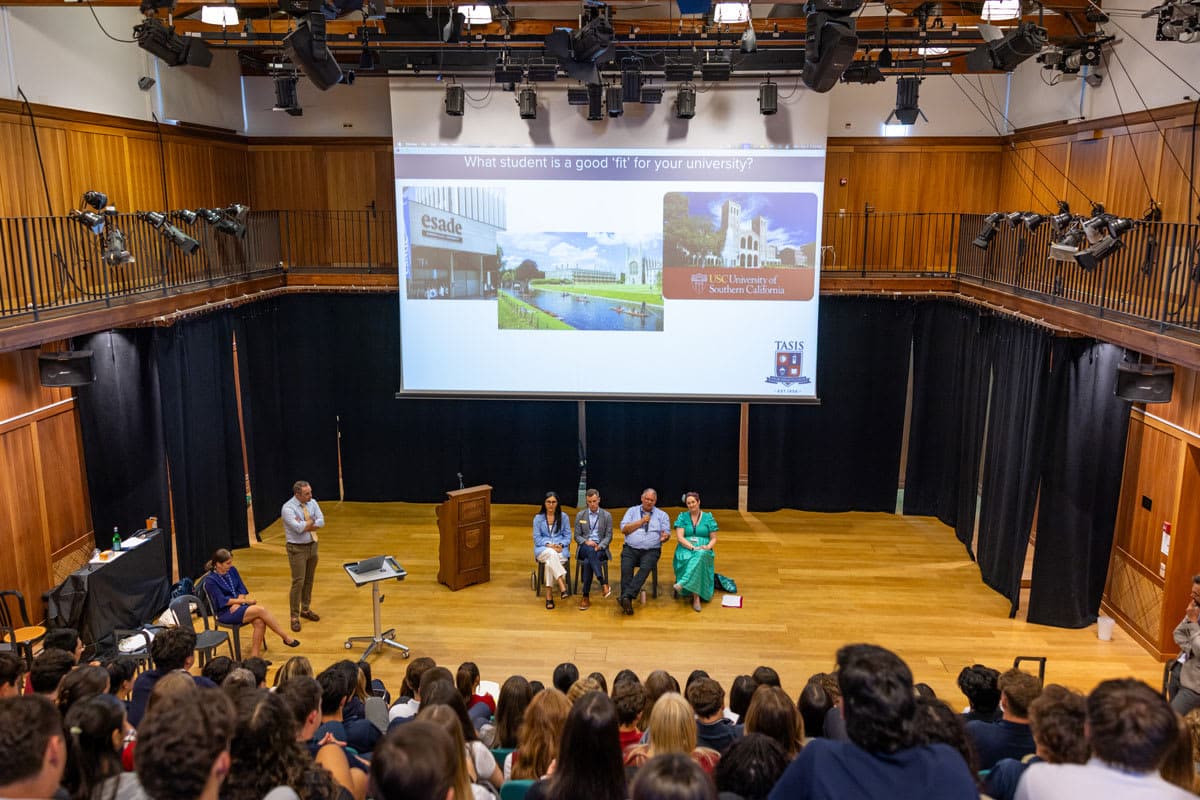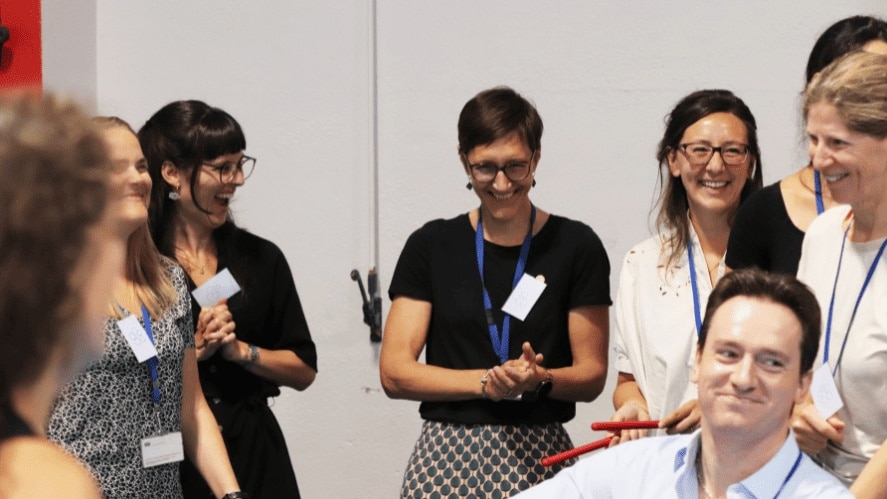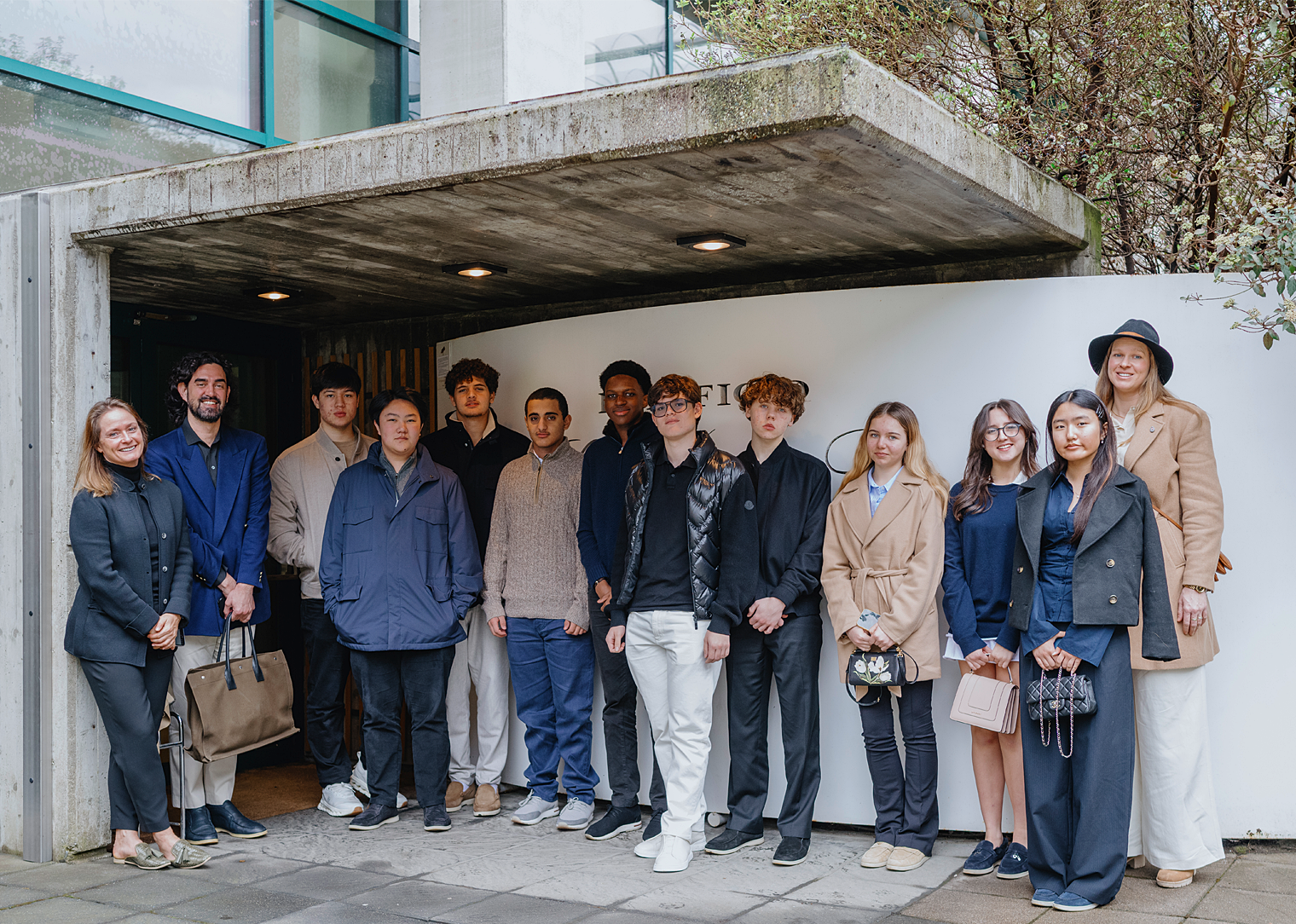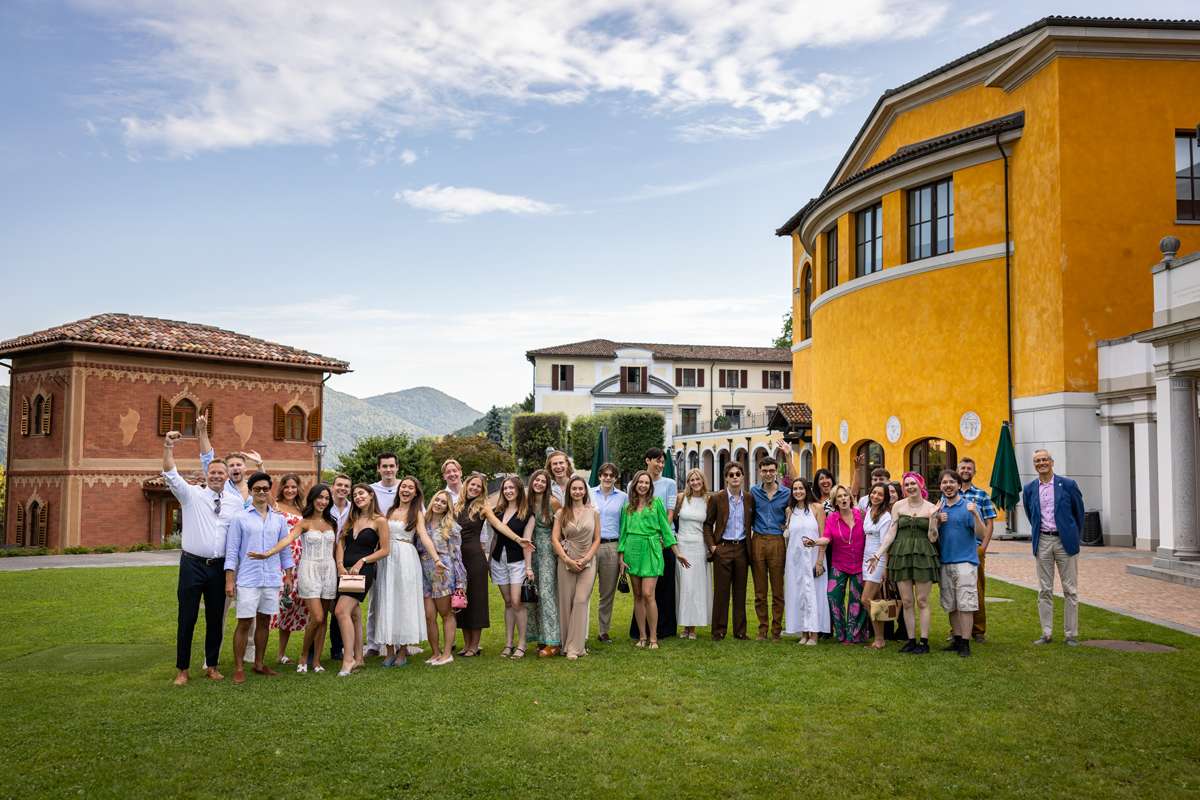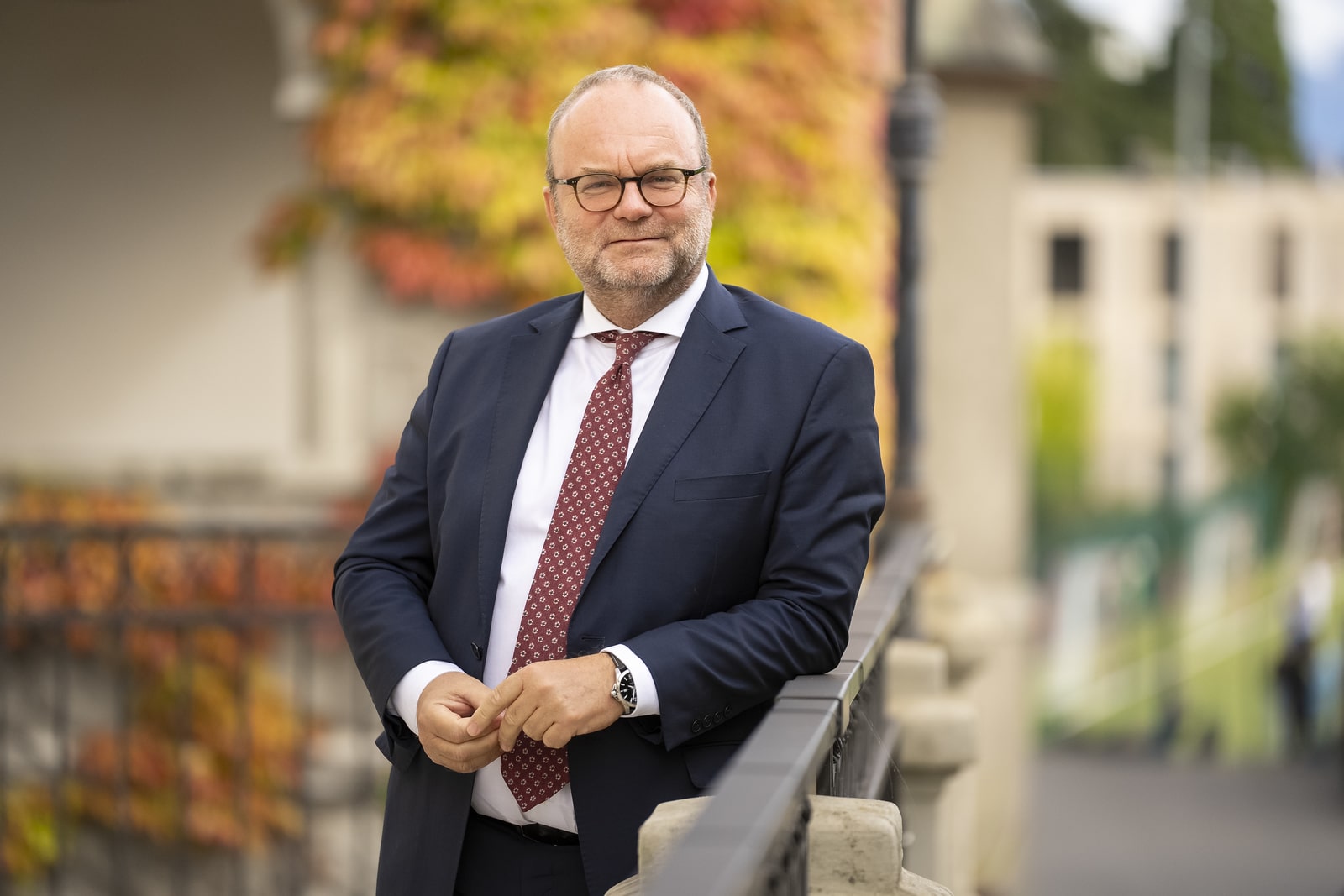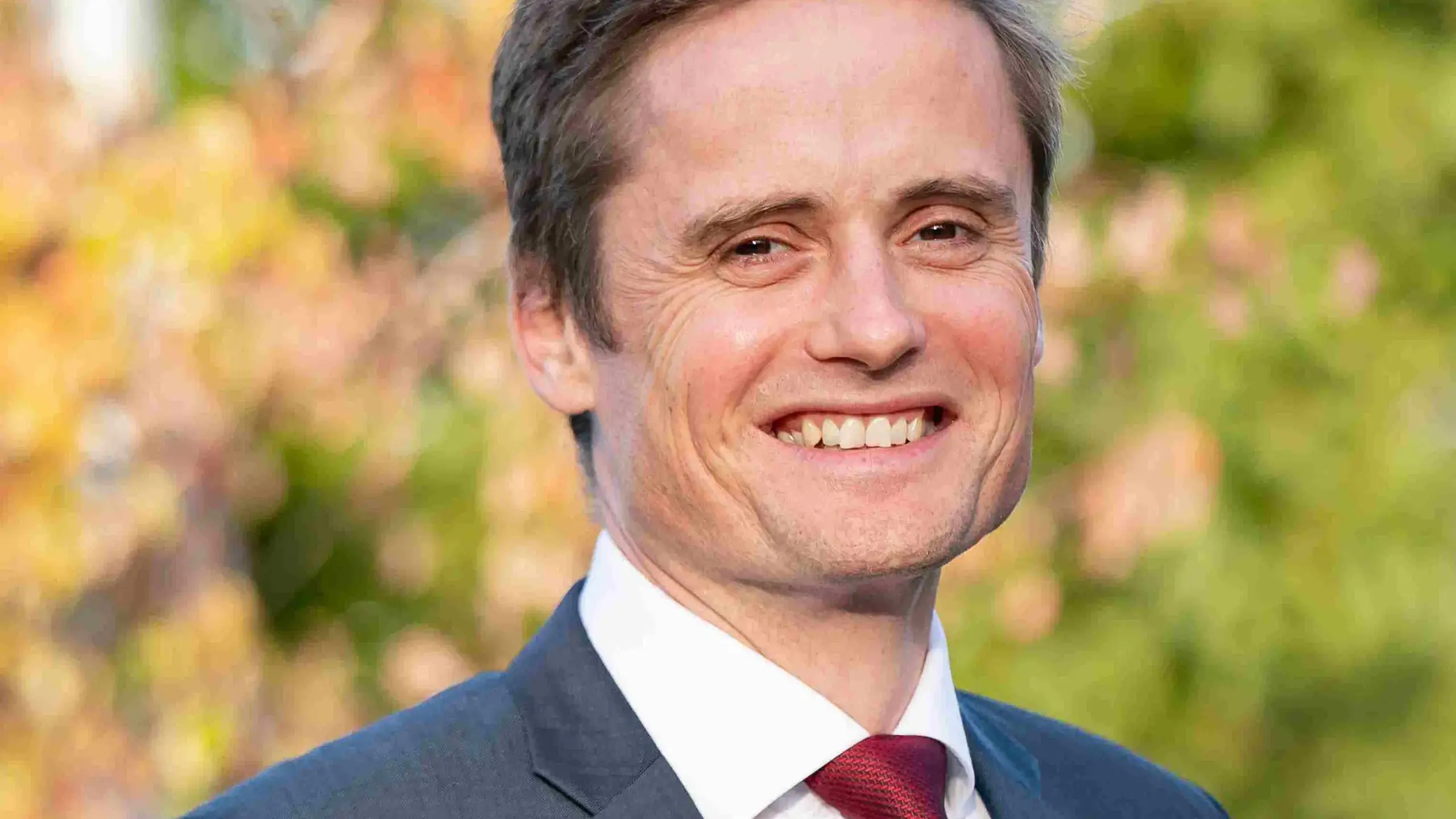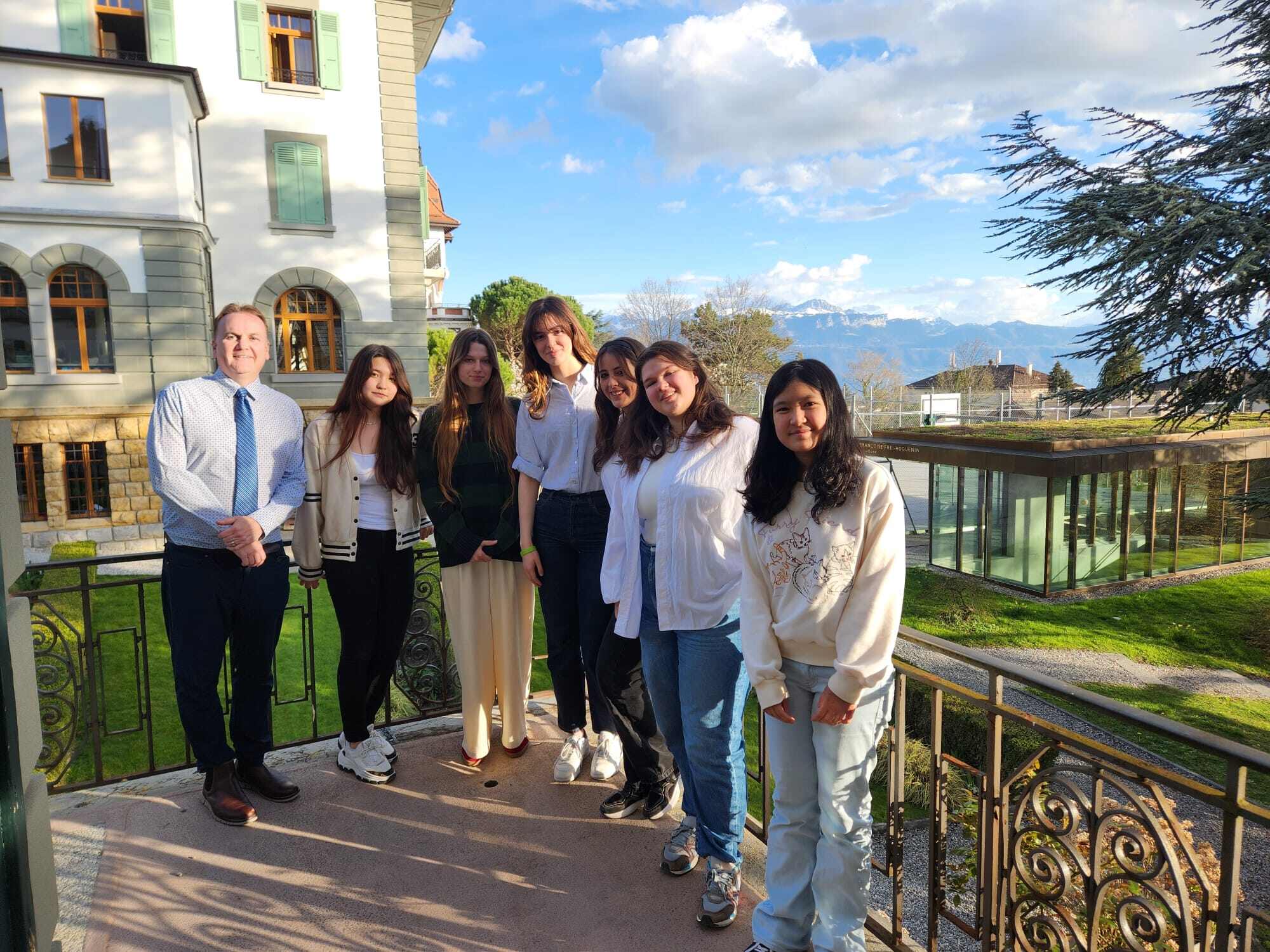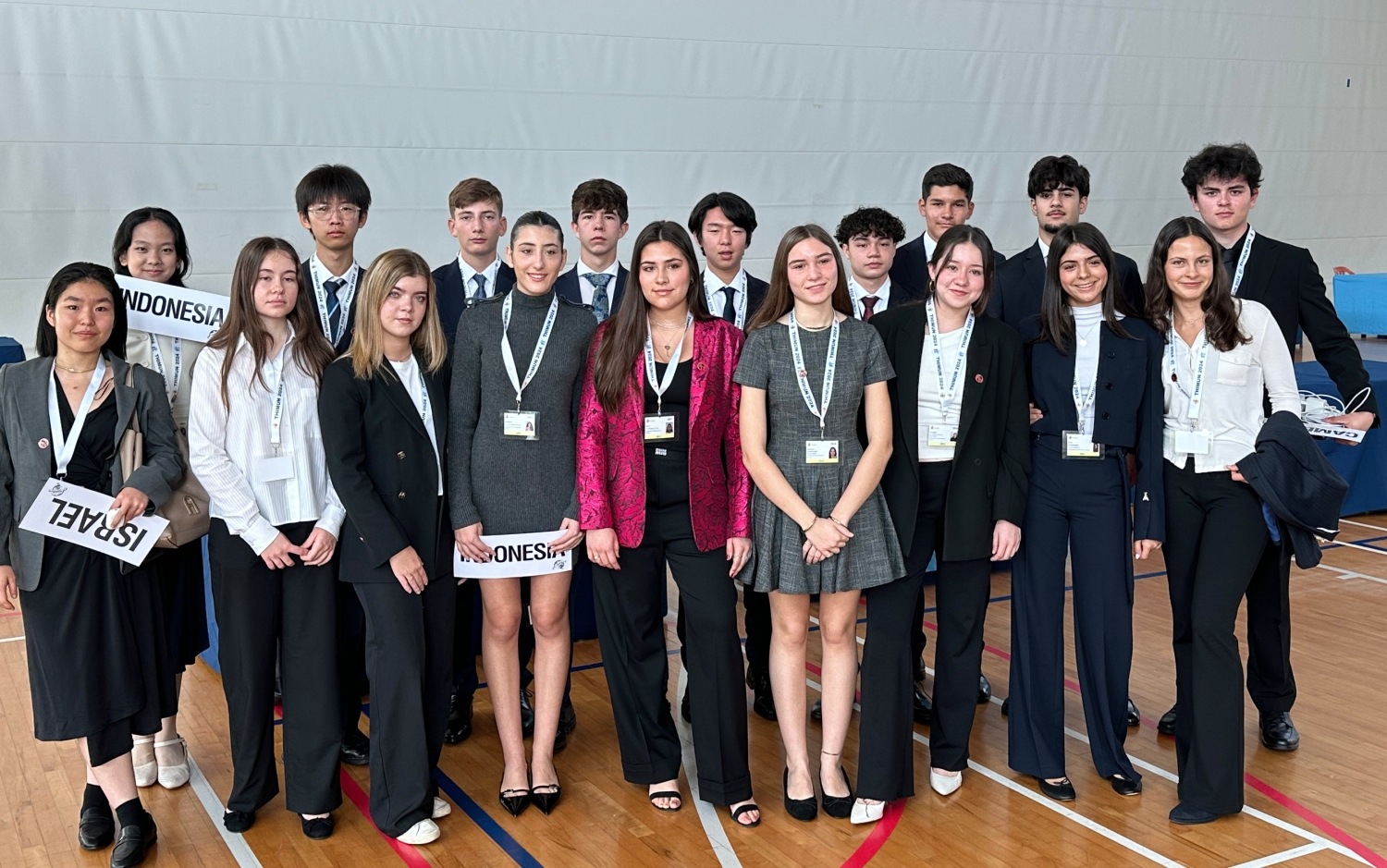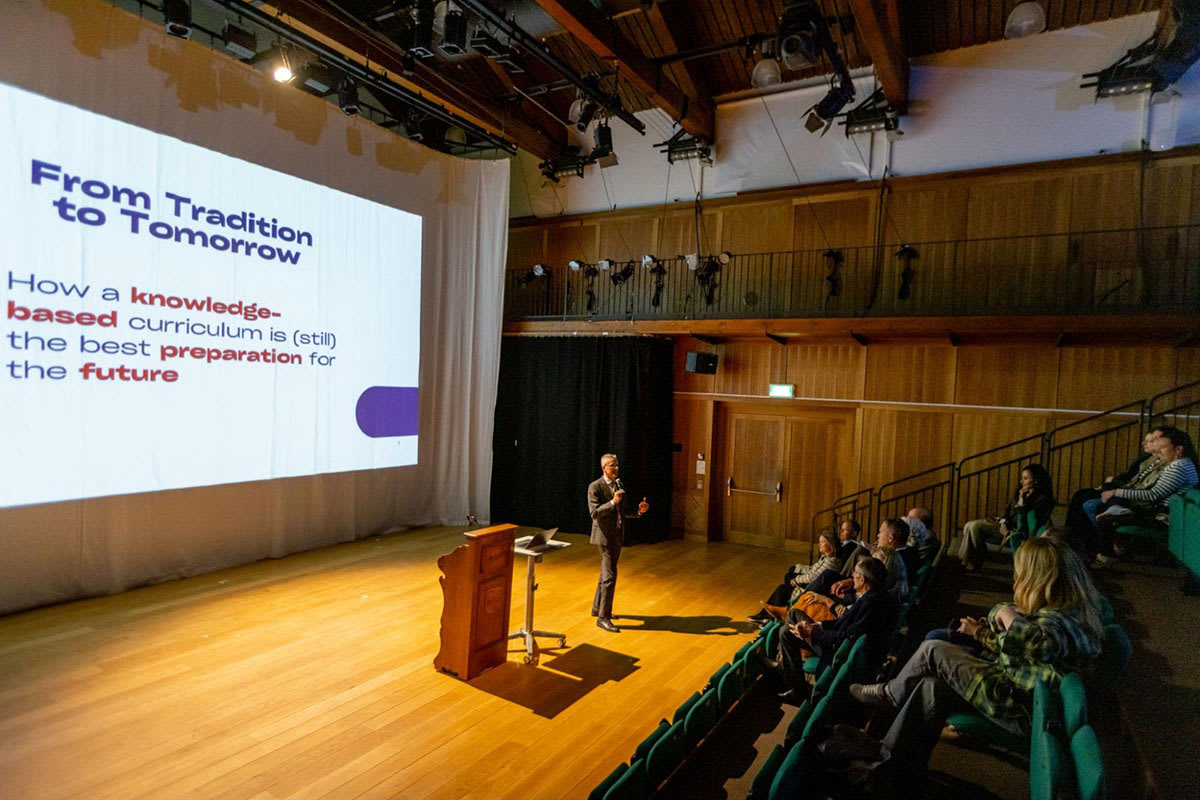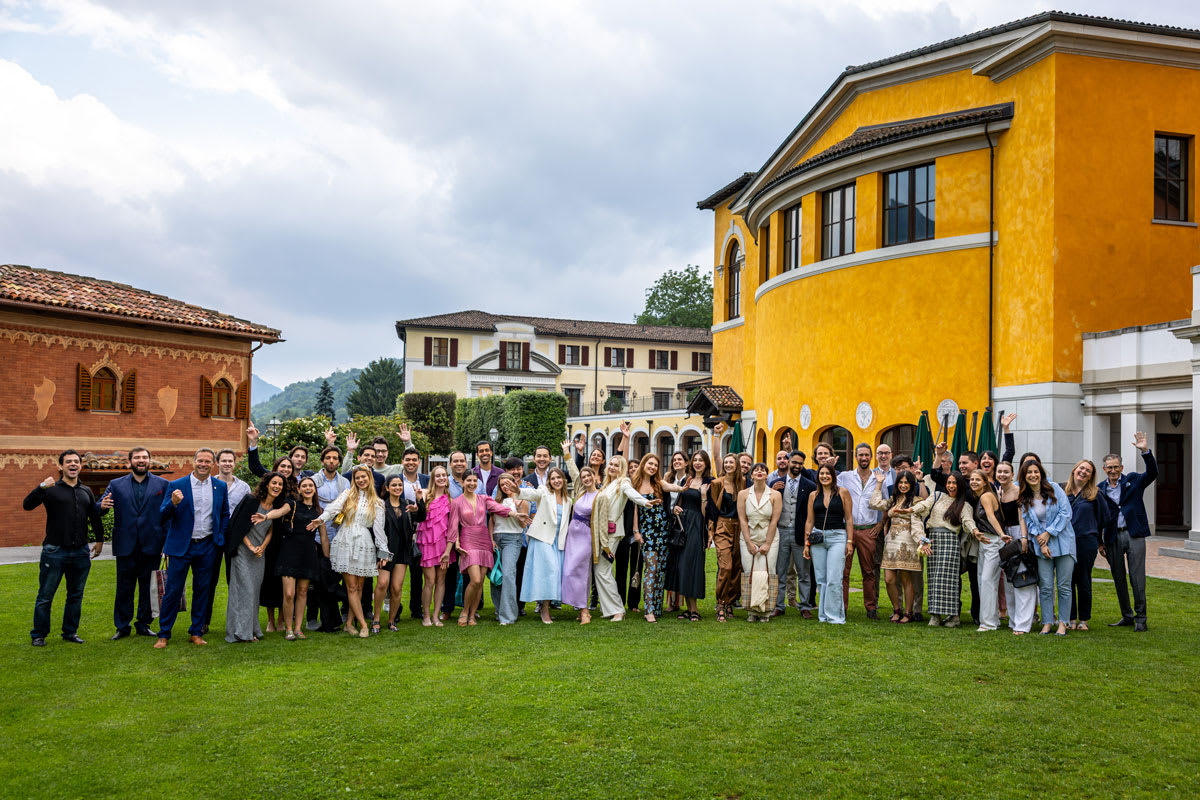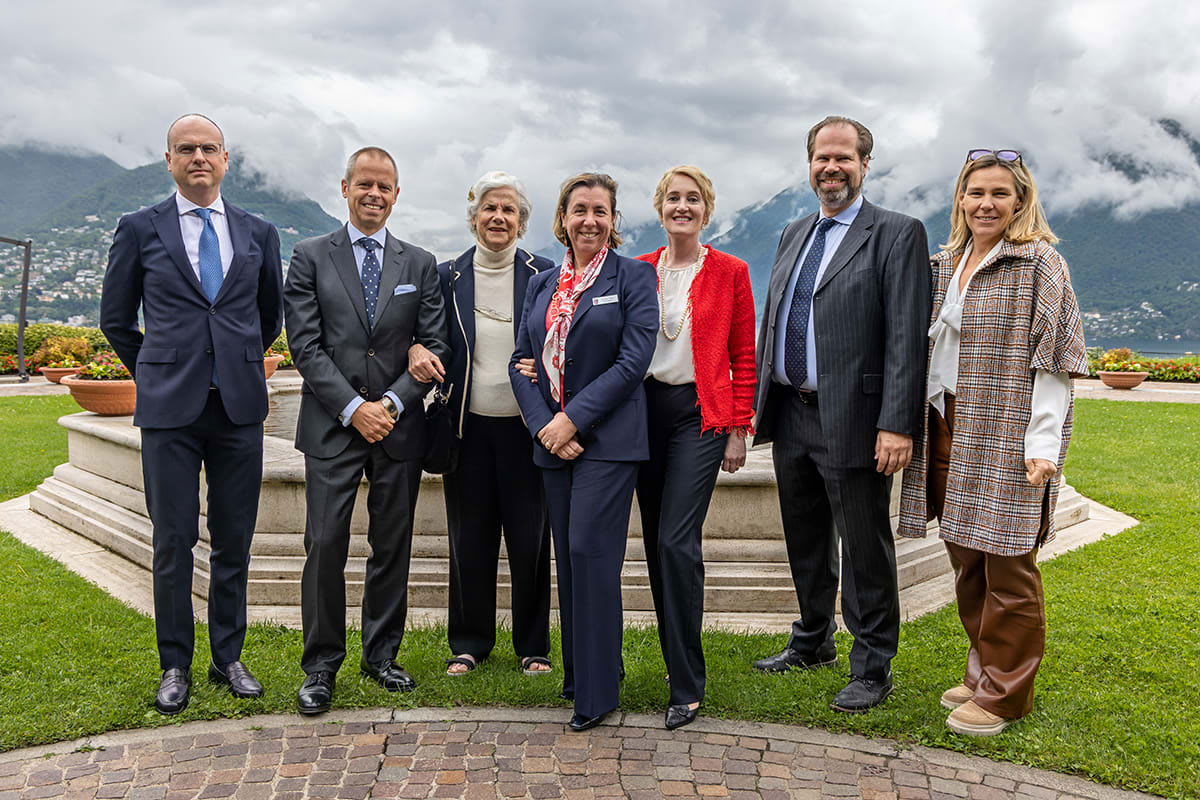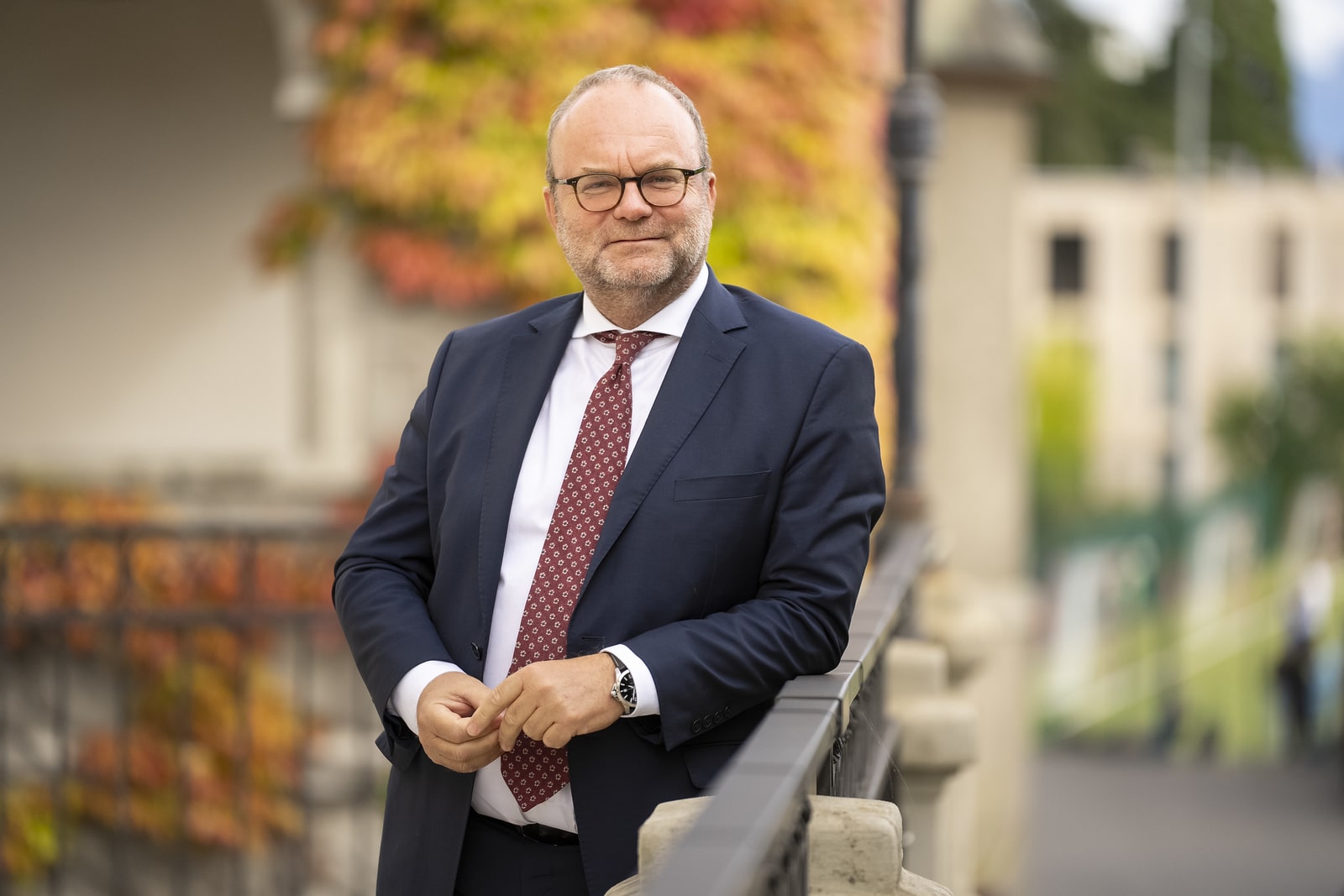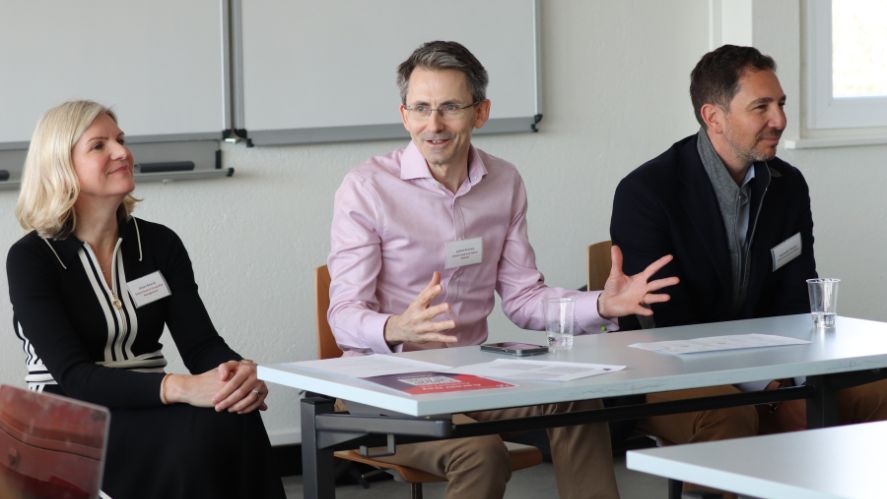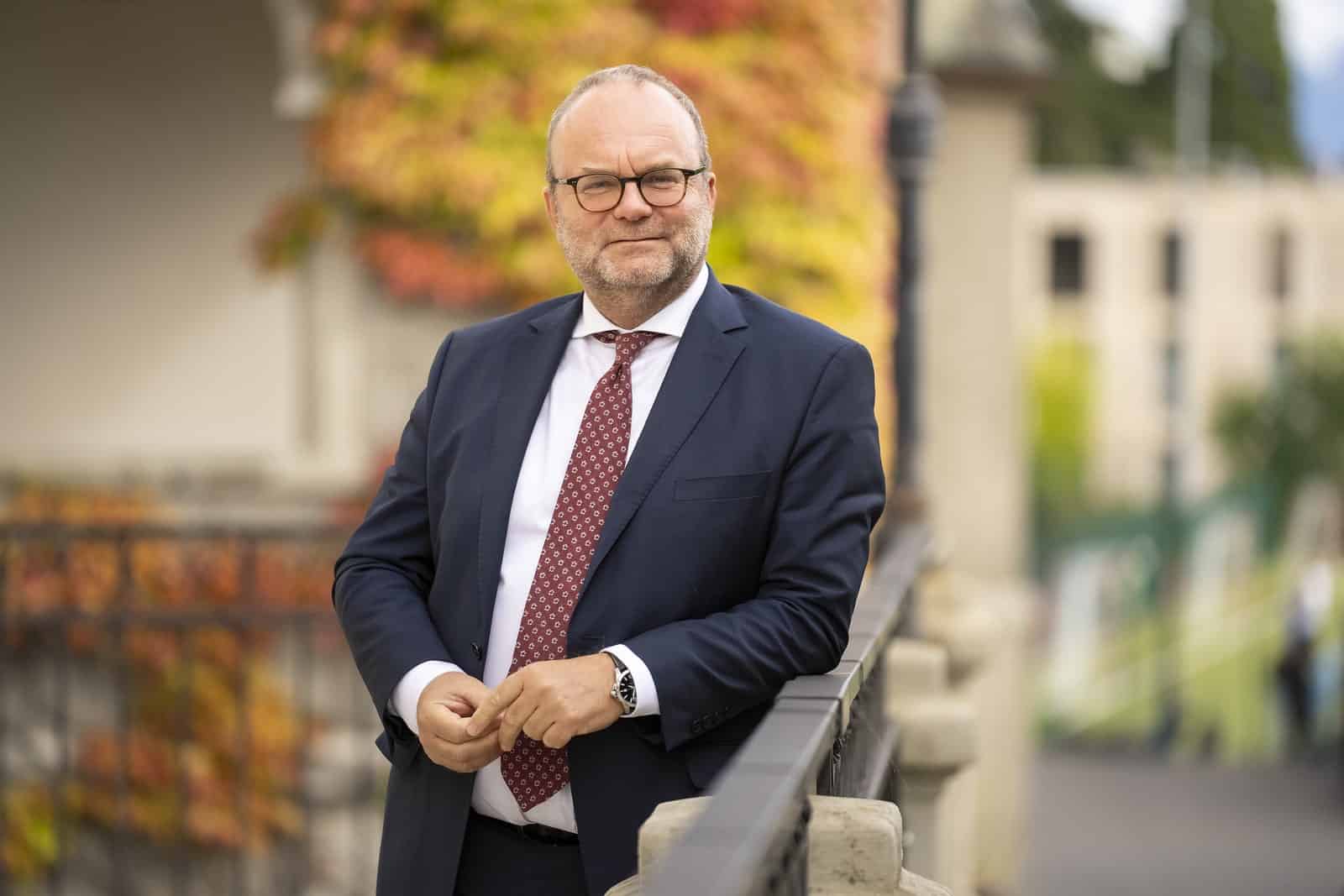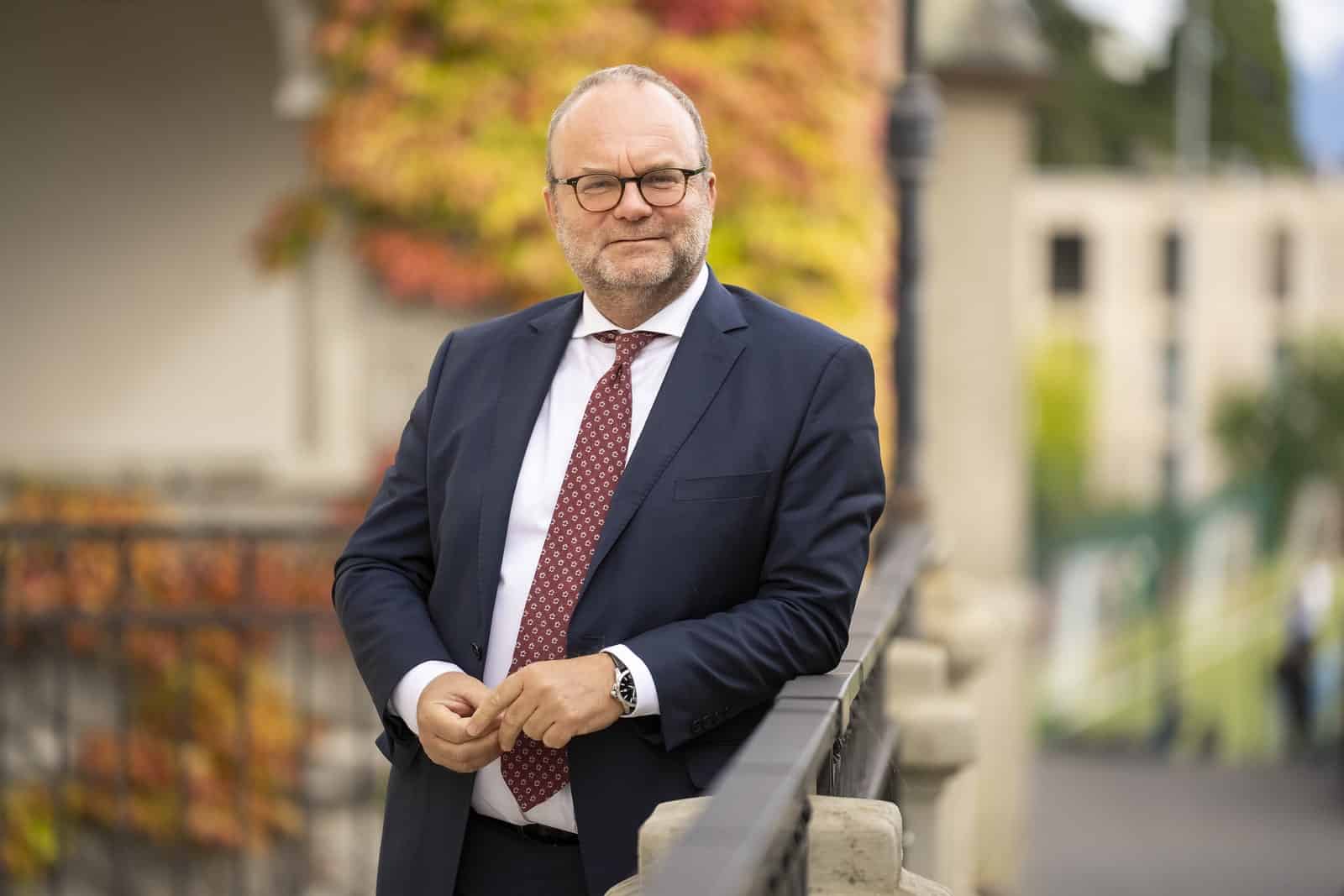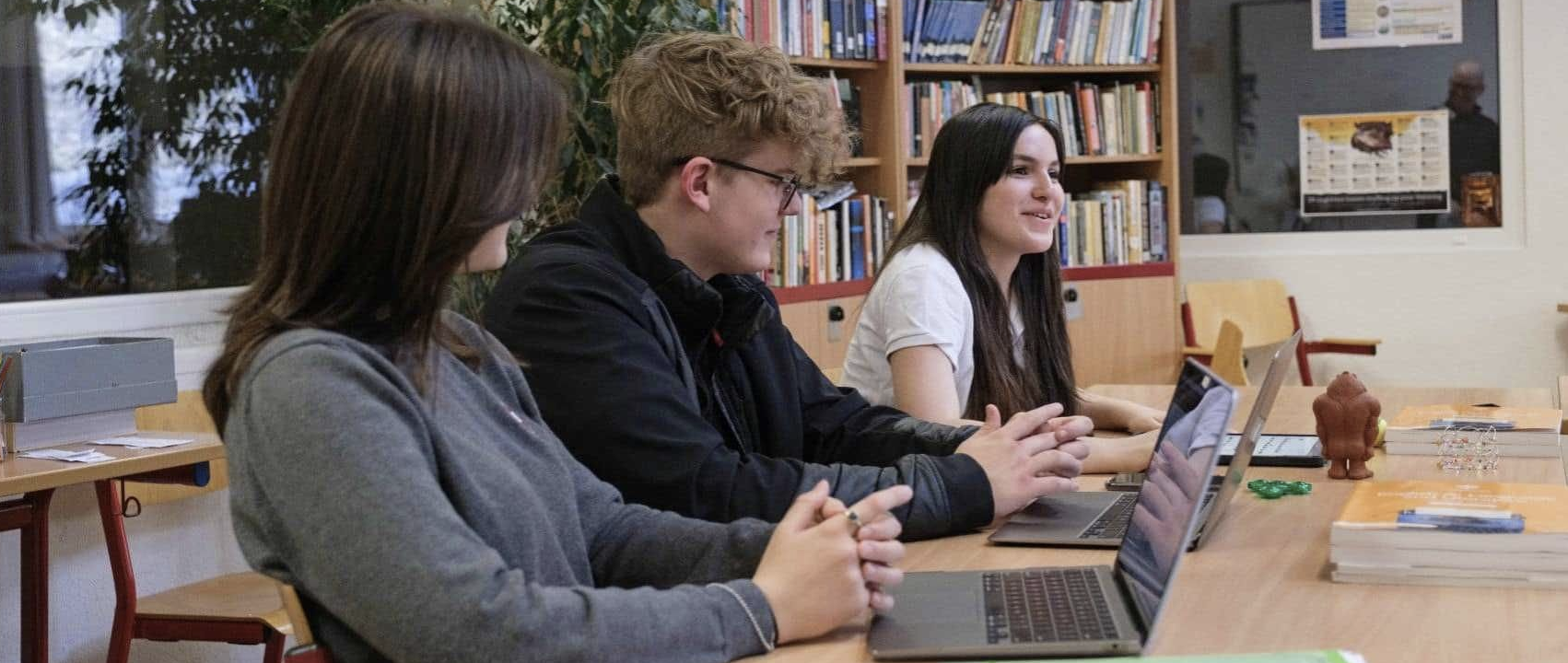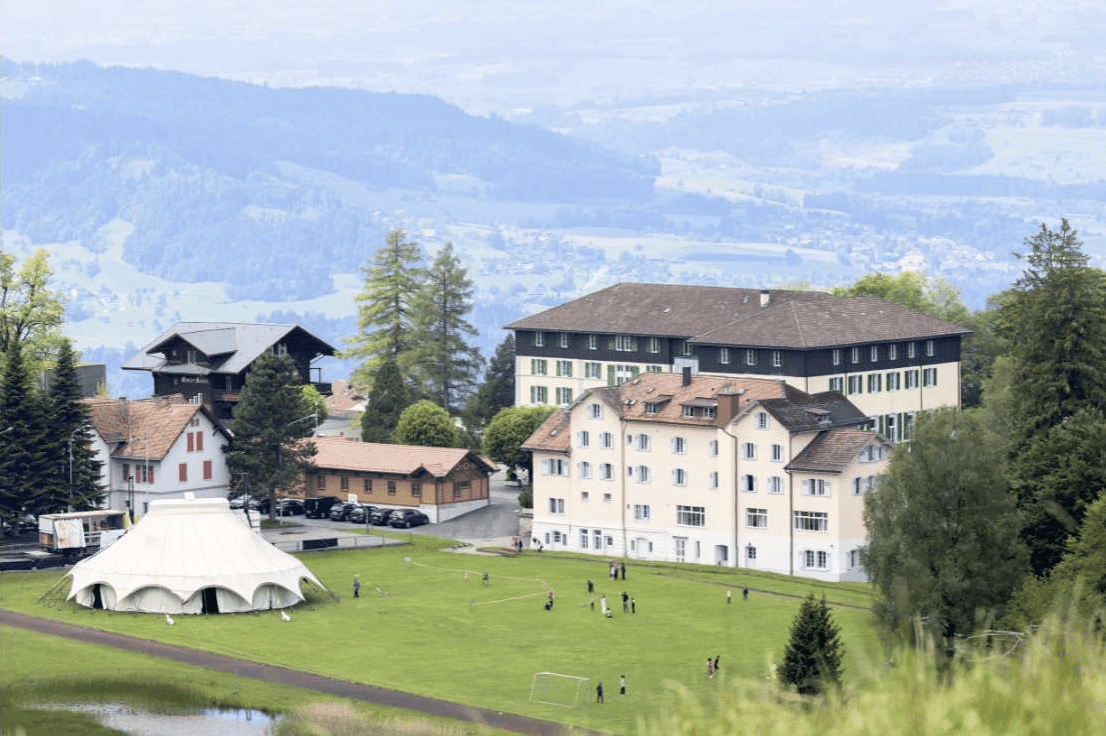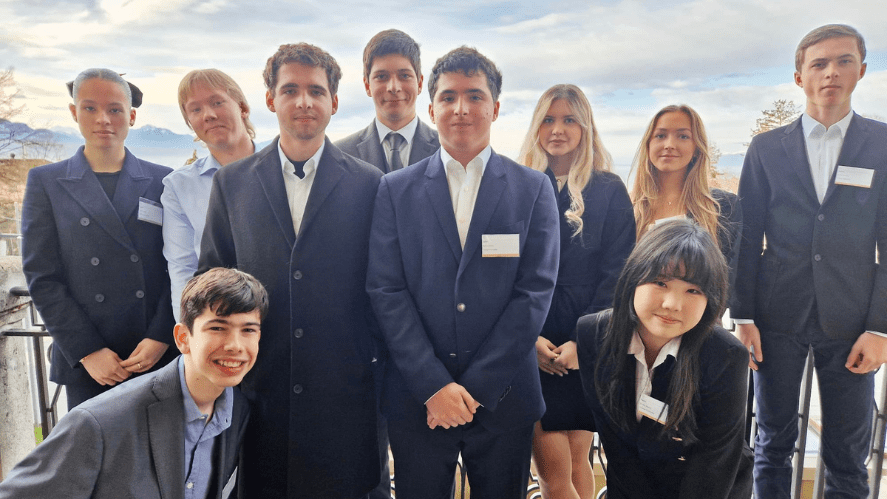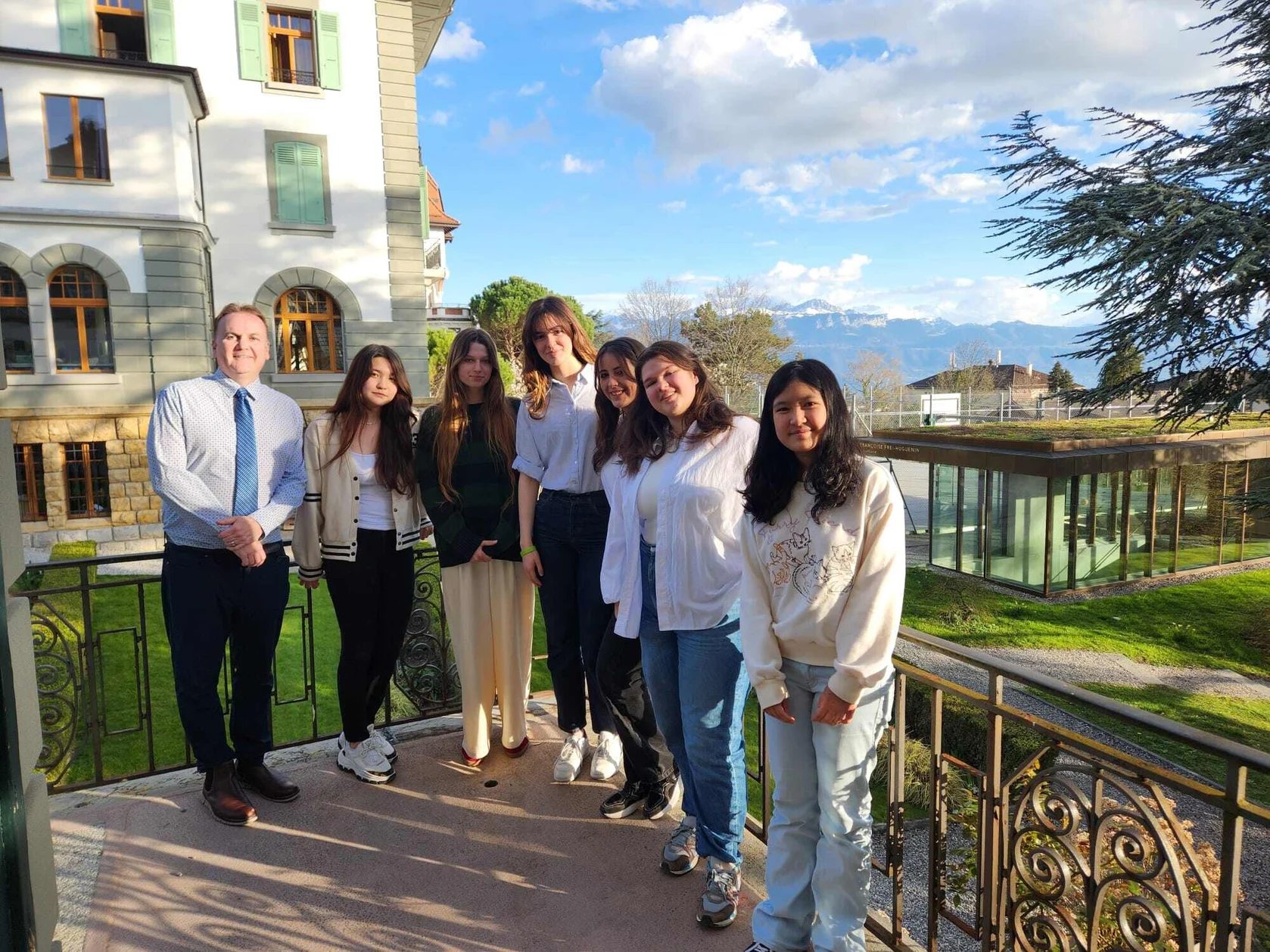
In a thought-provoking session as part of the ongoing speaker series at Le Rosey, Thomas Ermacora engaged with Roséens on the profound implications of the Fourth Industrial Revolution. He framed the discussion around the accelerating global race to advance artificial intelligence, urging students to look beyond the technological hype and consider the deeper societal impacts. Ermacora emphasized that this revolution extends far beyond mere automation or efficiency gains—it represents a fundamental shift in how humanity interacts with technology, data, and each other. He challenged the audience to think critically about the narratives surrounding AI, moving past sensationalism to examine the tangible opportunities and risks. The dialogue at Rosey was particularly focused on how emerging technologies could either exacerbate existing inequalities or serve as tools for inclusive progress. Ermacora's presentation set the stage for a nuanced exploration of innovation, encouraging students to adopt a holistic perspective that balances technological ambition with human-centric values. This approach aligns with Rosey's commitment to fostering global citizenship and ethical leadership among its students.
Building on this foundation, Ermacora delved into critical questions of sustainability, ethics, and Africa's potential role in shaping the future of AI. He argued that responsible innovation must prioritize environmental stewardship, ensuring that technological advancements do not come at the expense of planetary health. On ethics, he highlighted the urgent need for frameworks that address bias, privacy, and accountability in AI systems, stressing that these considerations are not secondary but integral to development. A standout theme was Africa's opportunity to leapfrog traditional pathways and contribute uniquely to the AI landscape, leveraging its diverse perspectives and youthful demographics to drive equitable solutions. Ermacora inspired Roséens to envision themselves as part of this global conversation, equipped with the education and mindset to advocate for fairness. He concluded by reinforcing that the goal of innovation should be a more equitable future, where technology serves humanity broadly. This session at Le Rosey exemplified how the institution prepares students to engage with complex, real-world challenges, blending academic rigor with moral reflection.