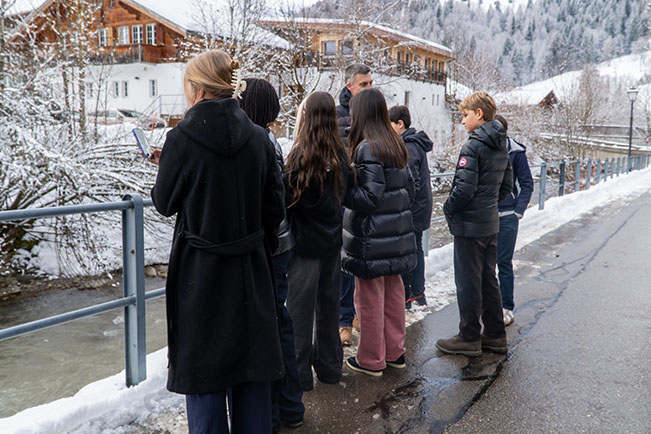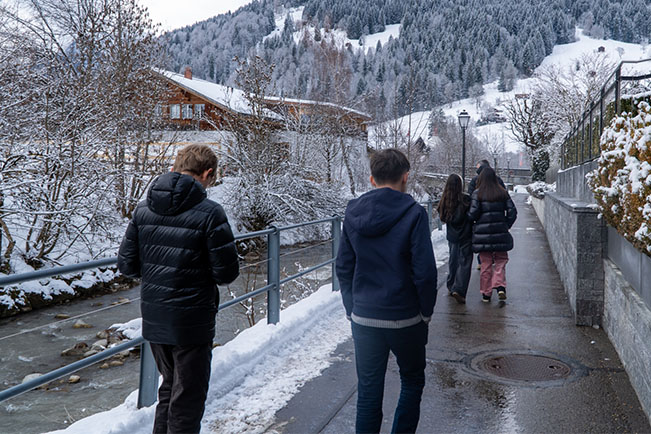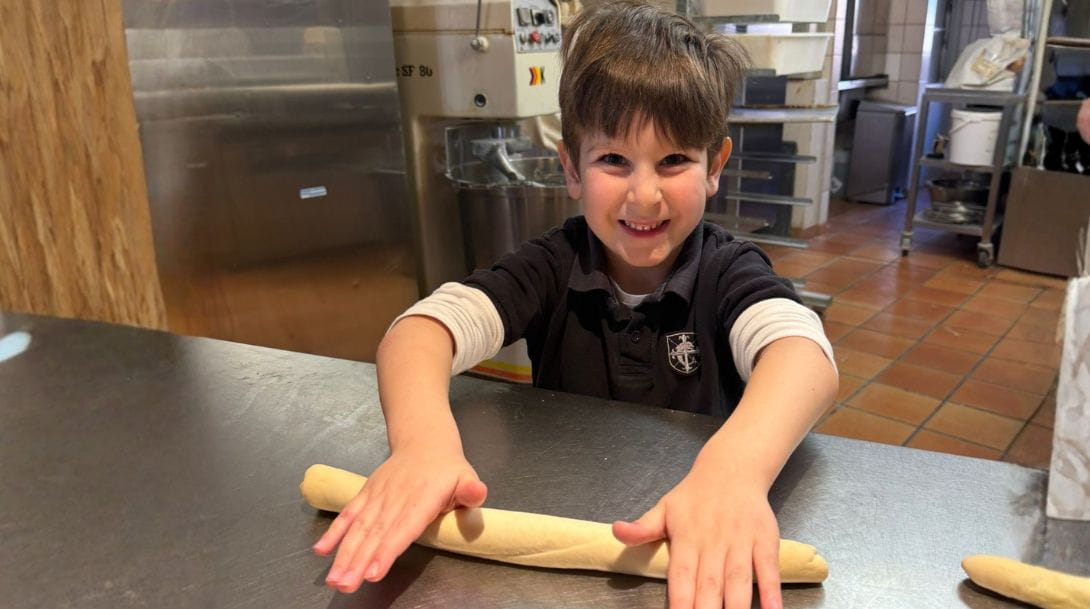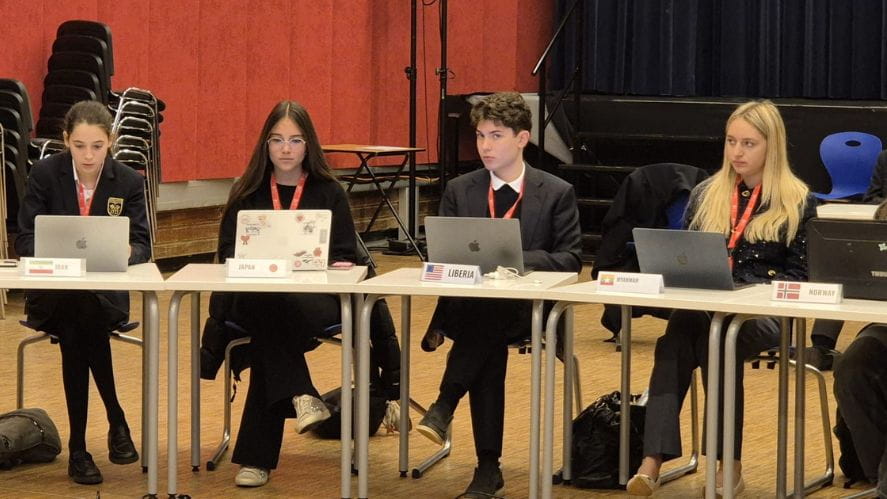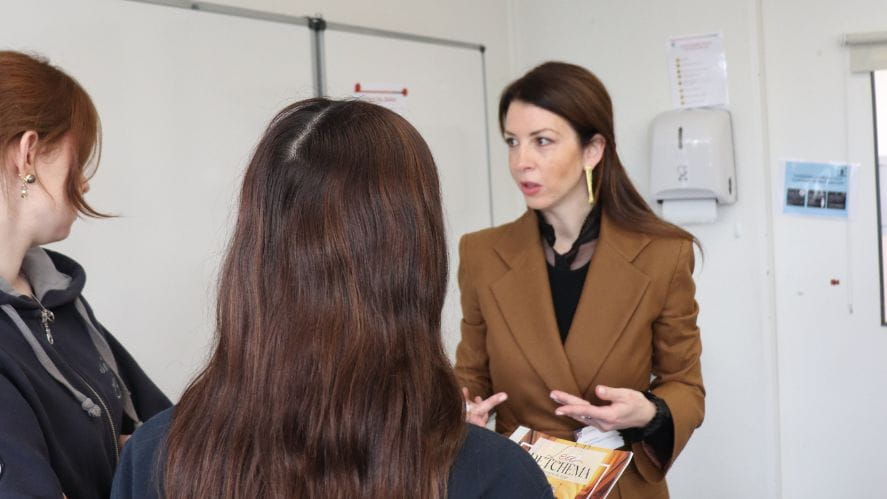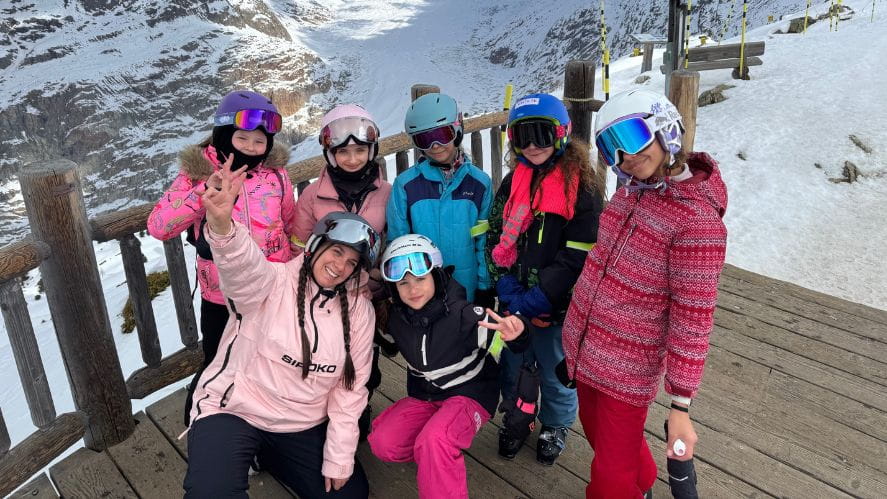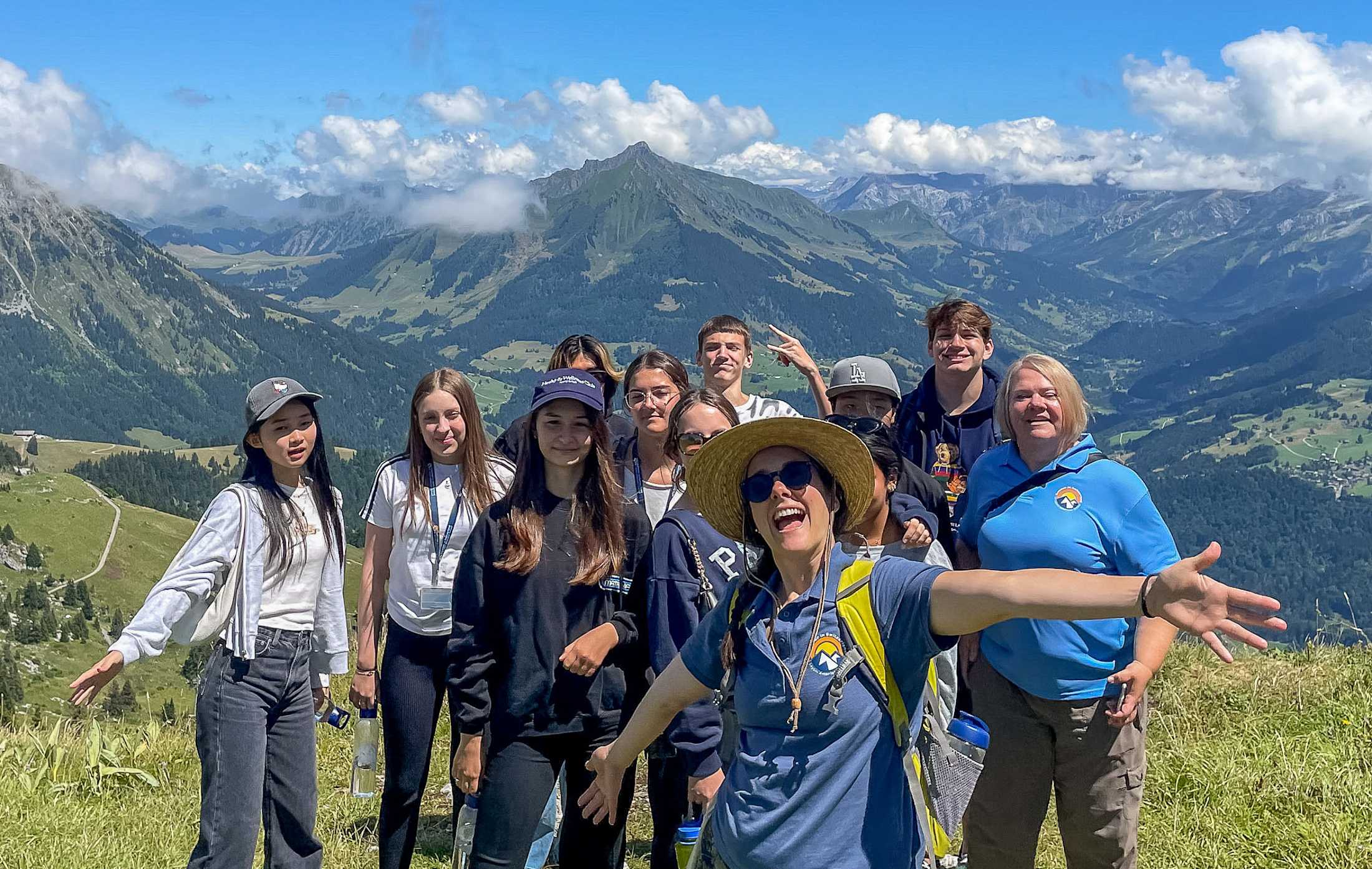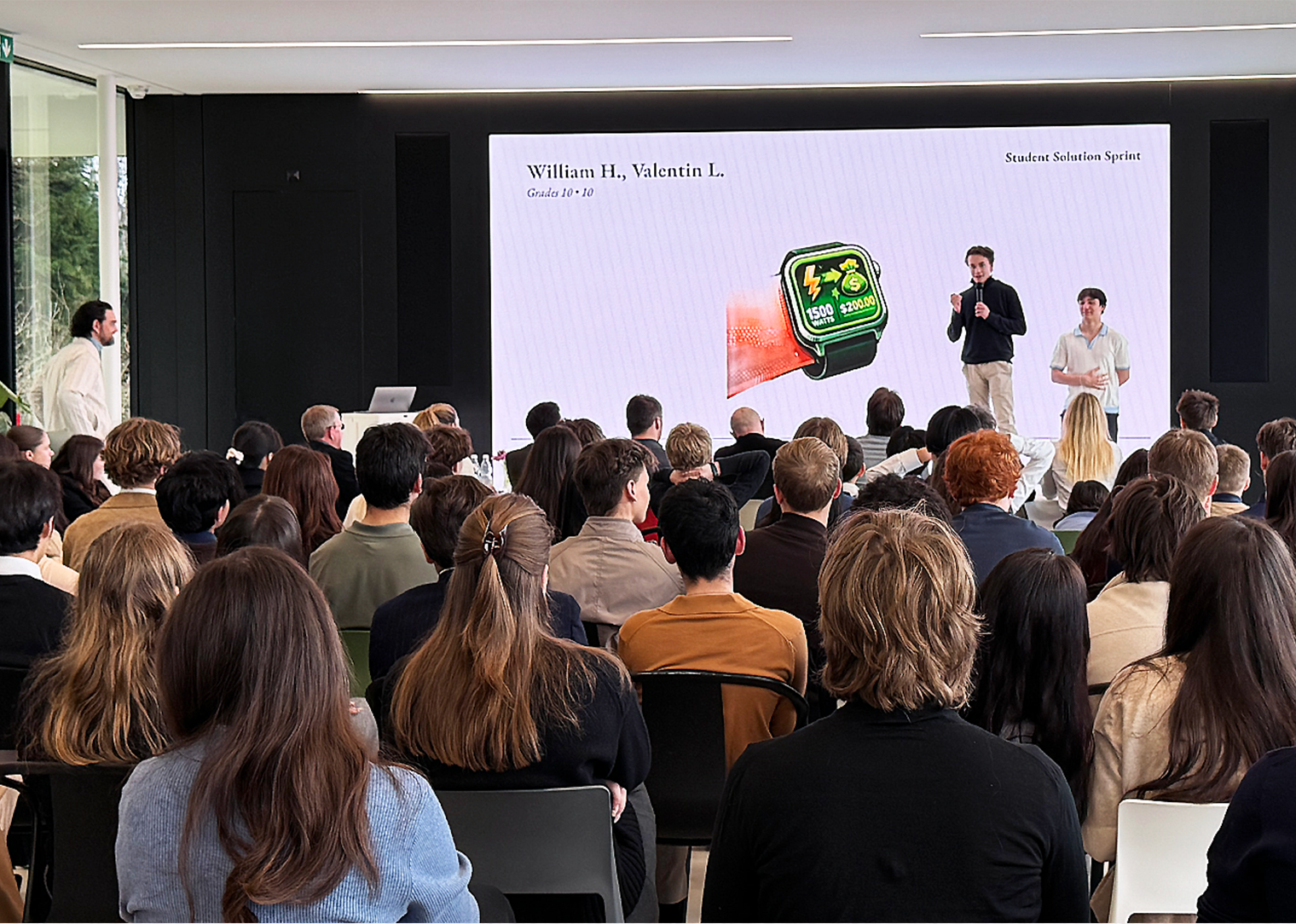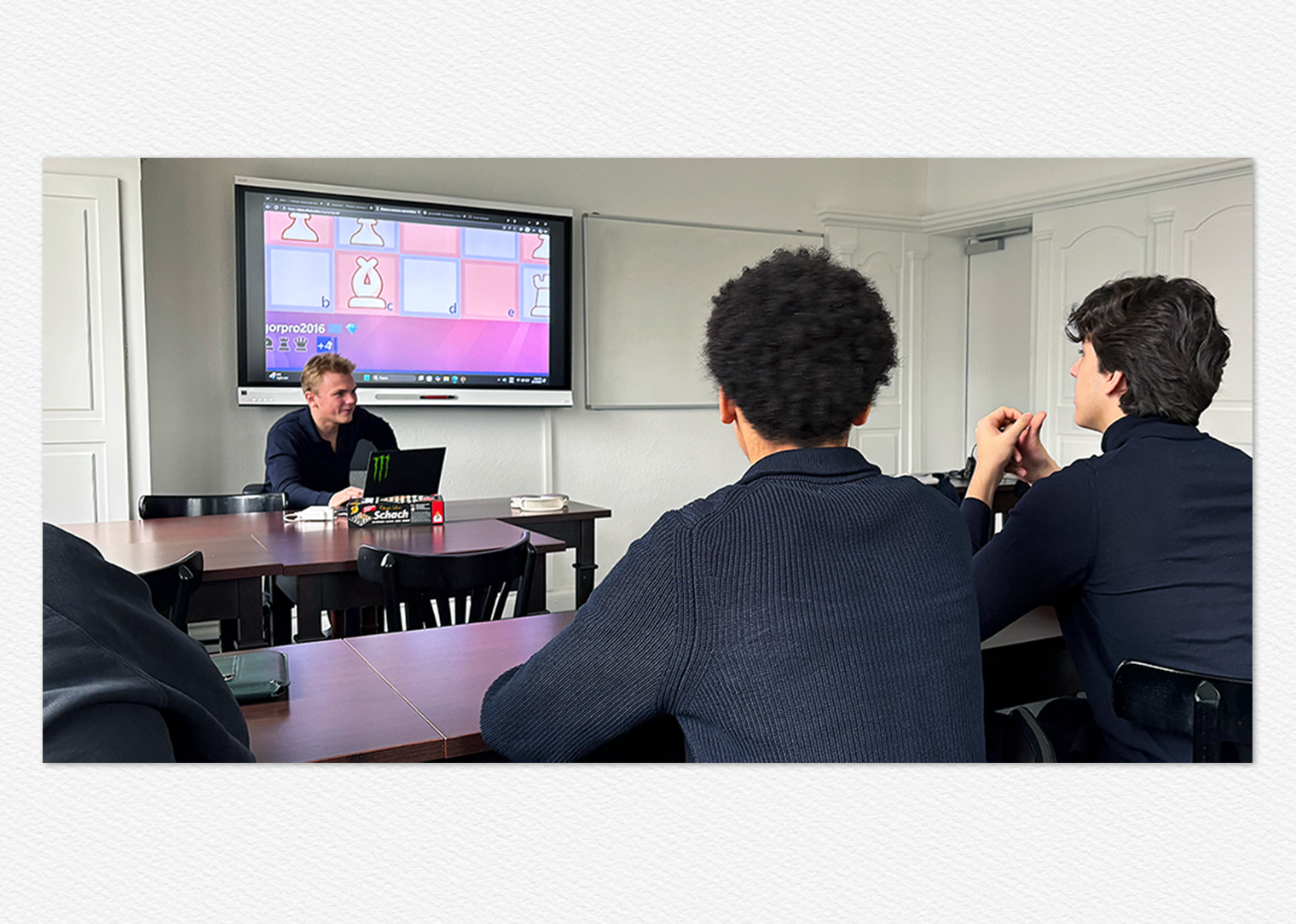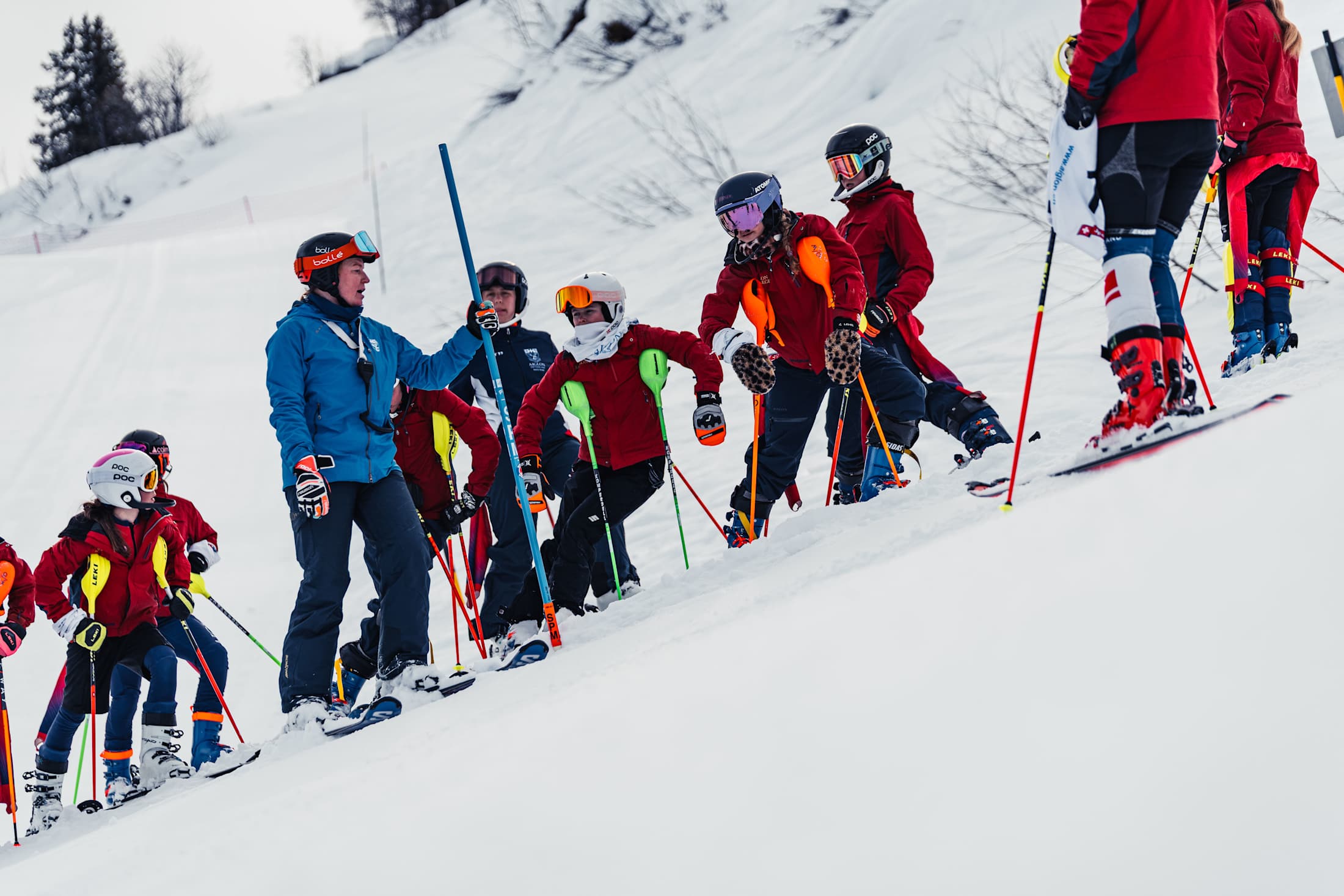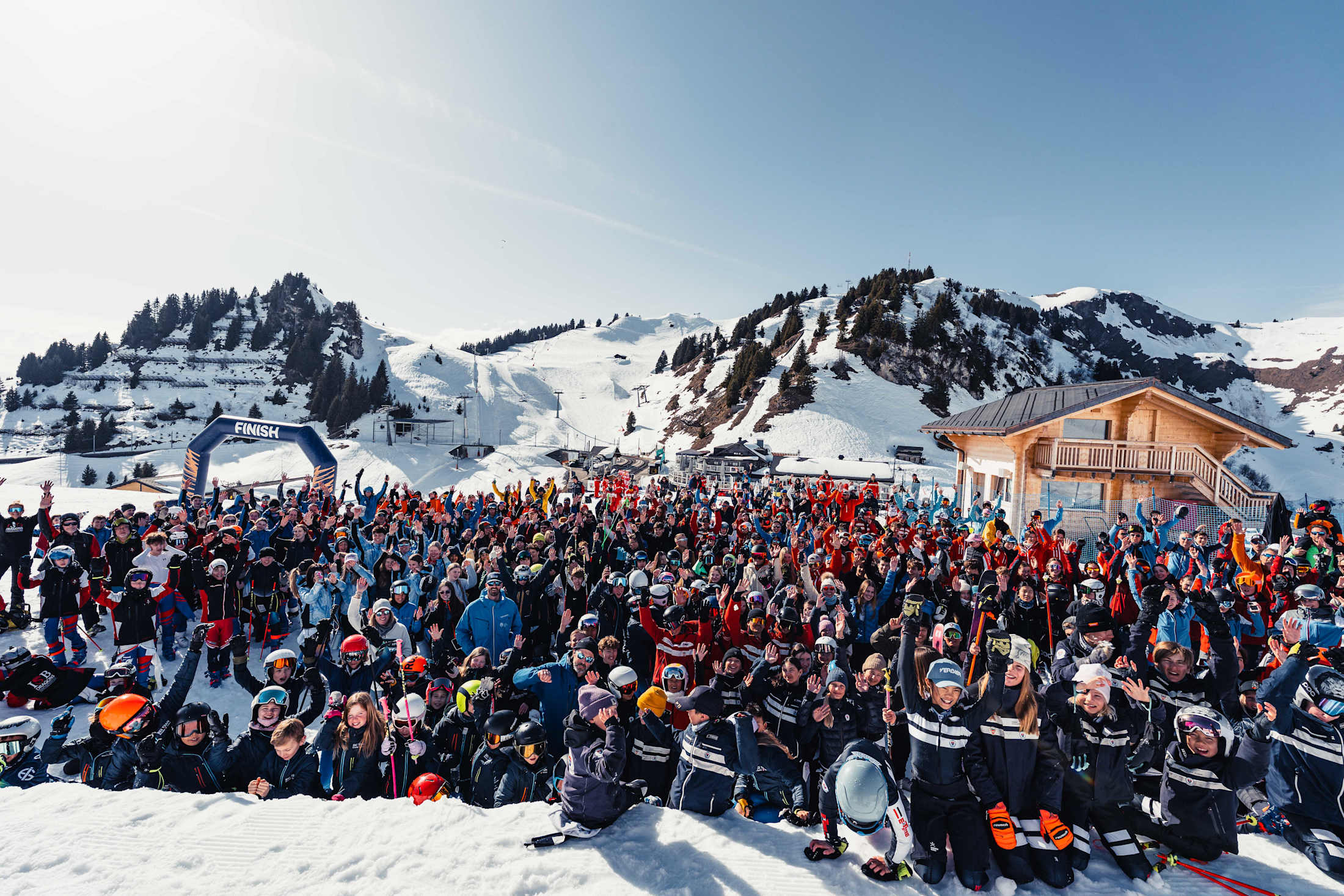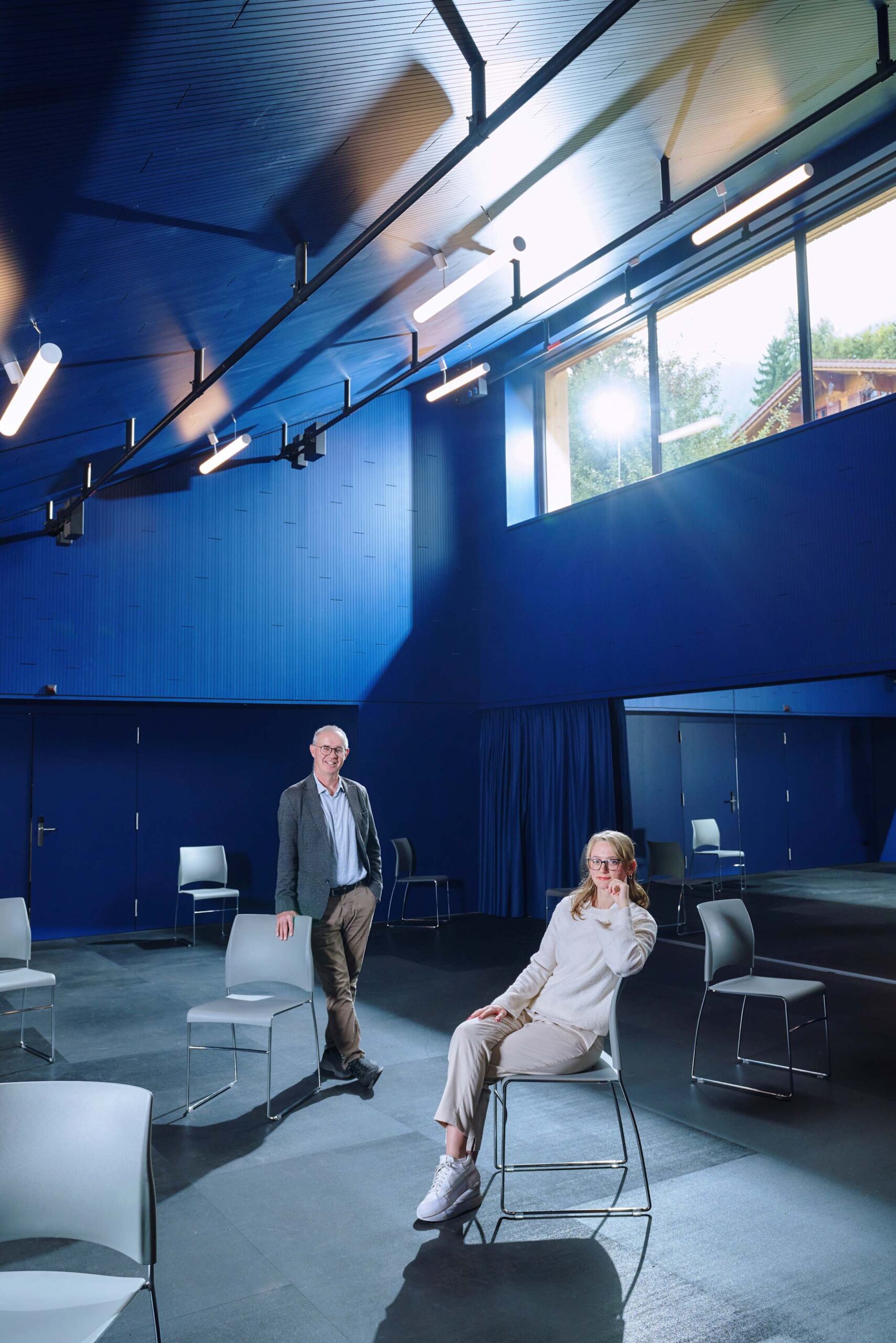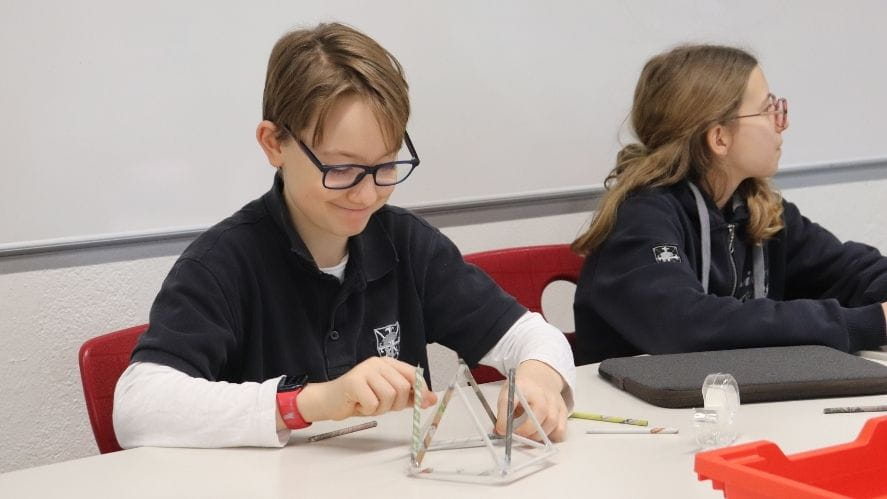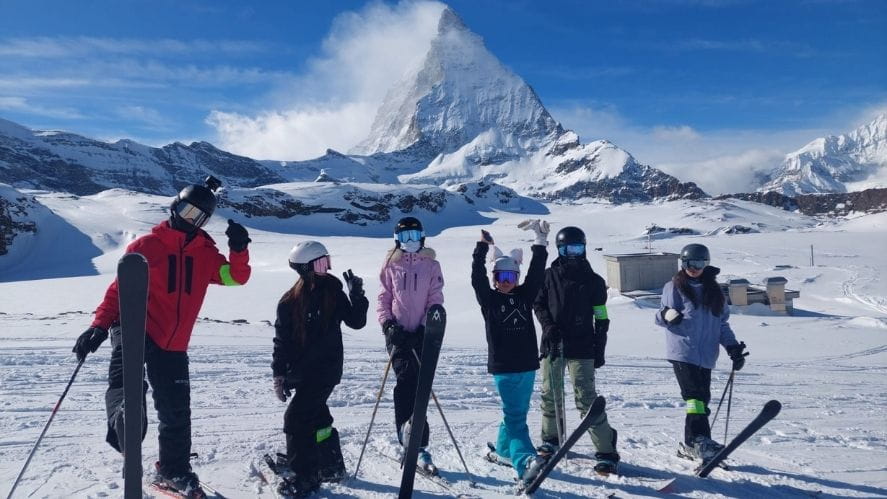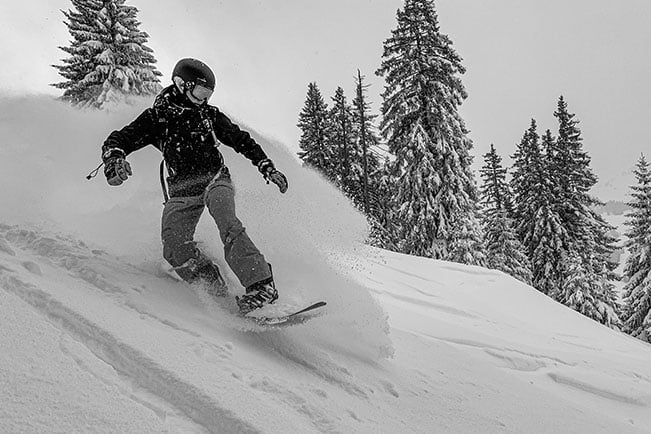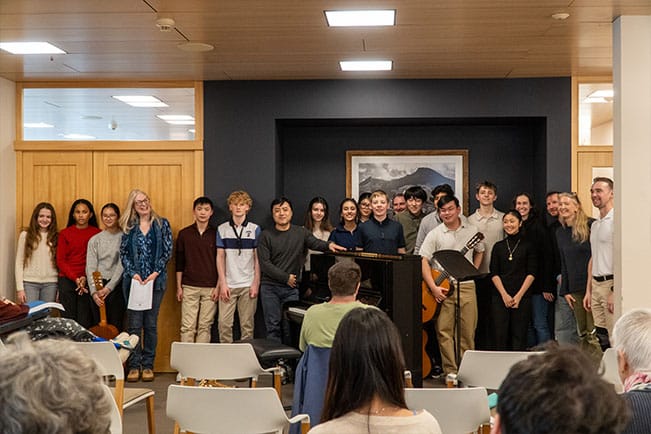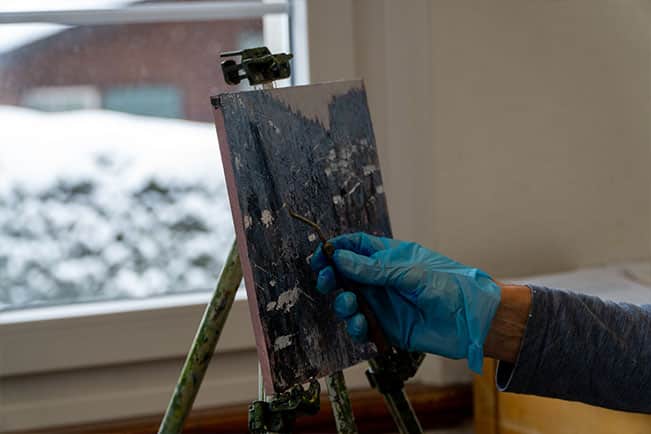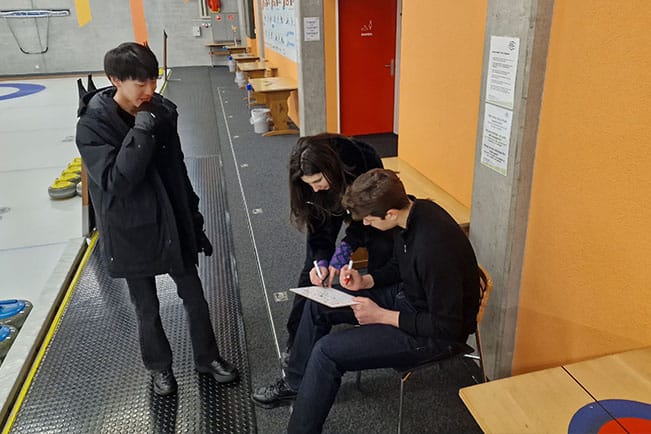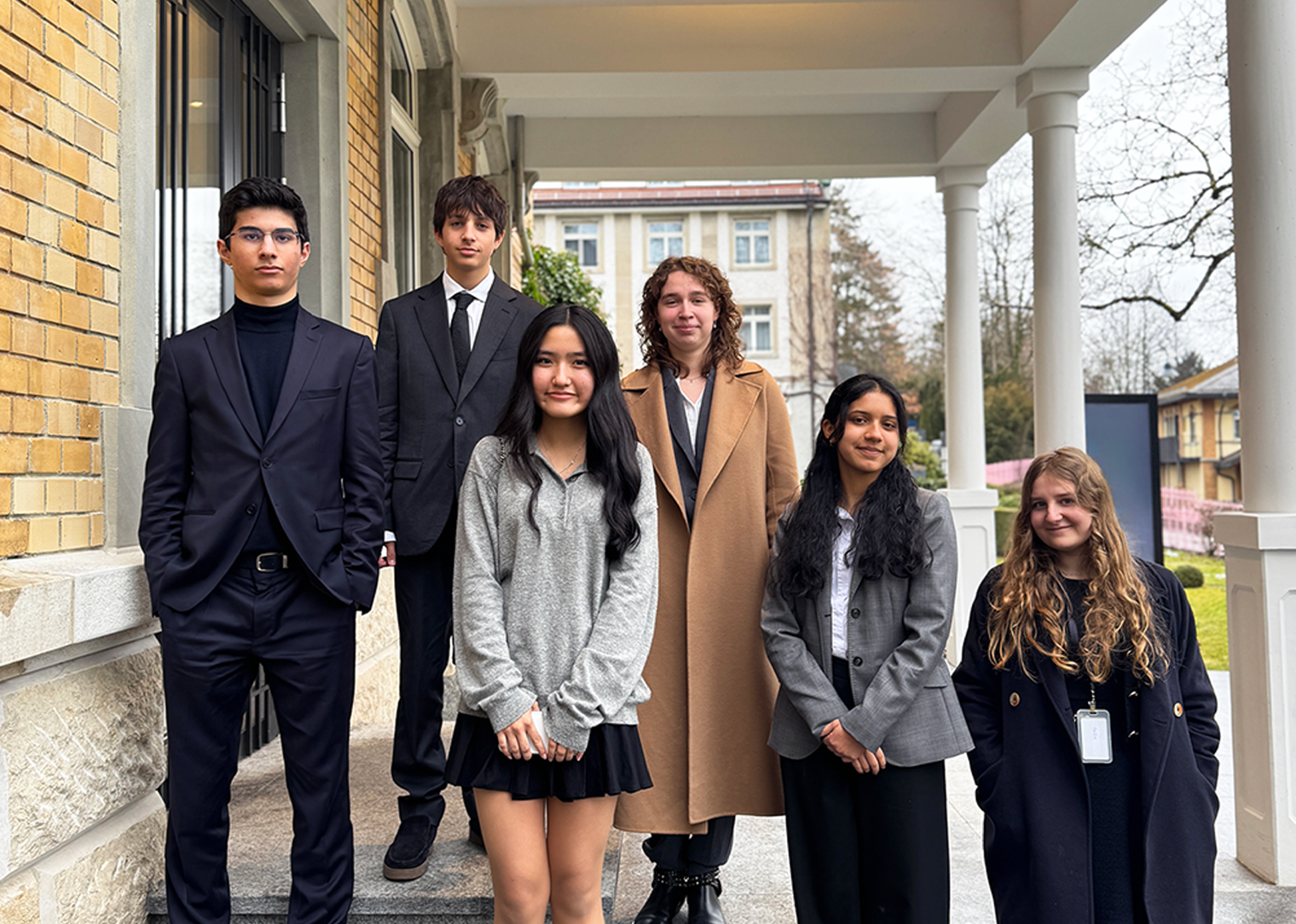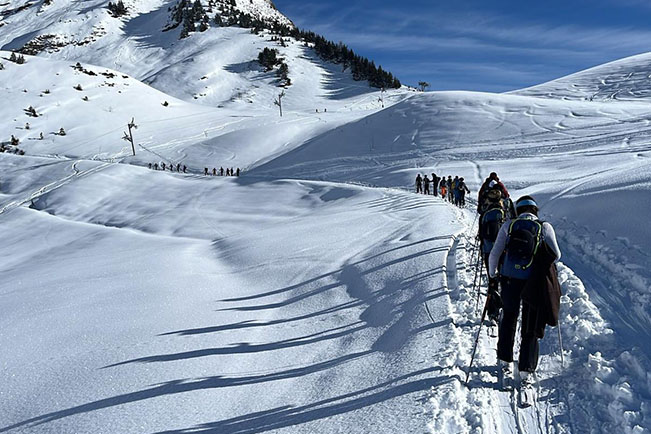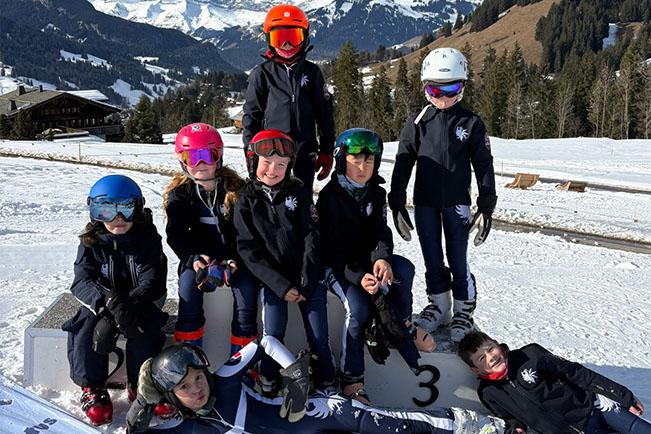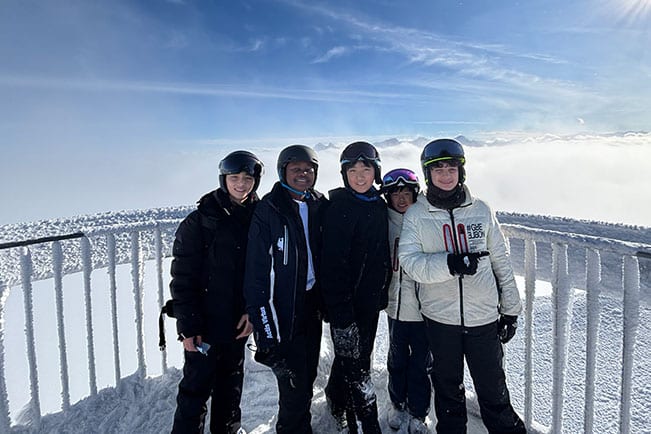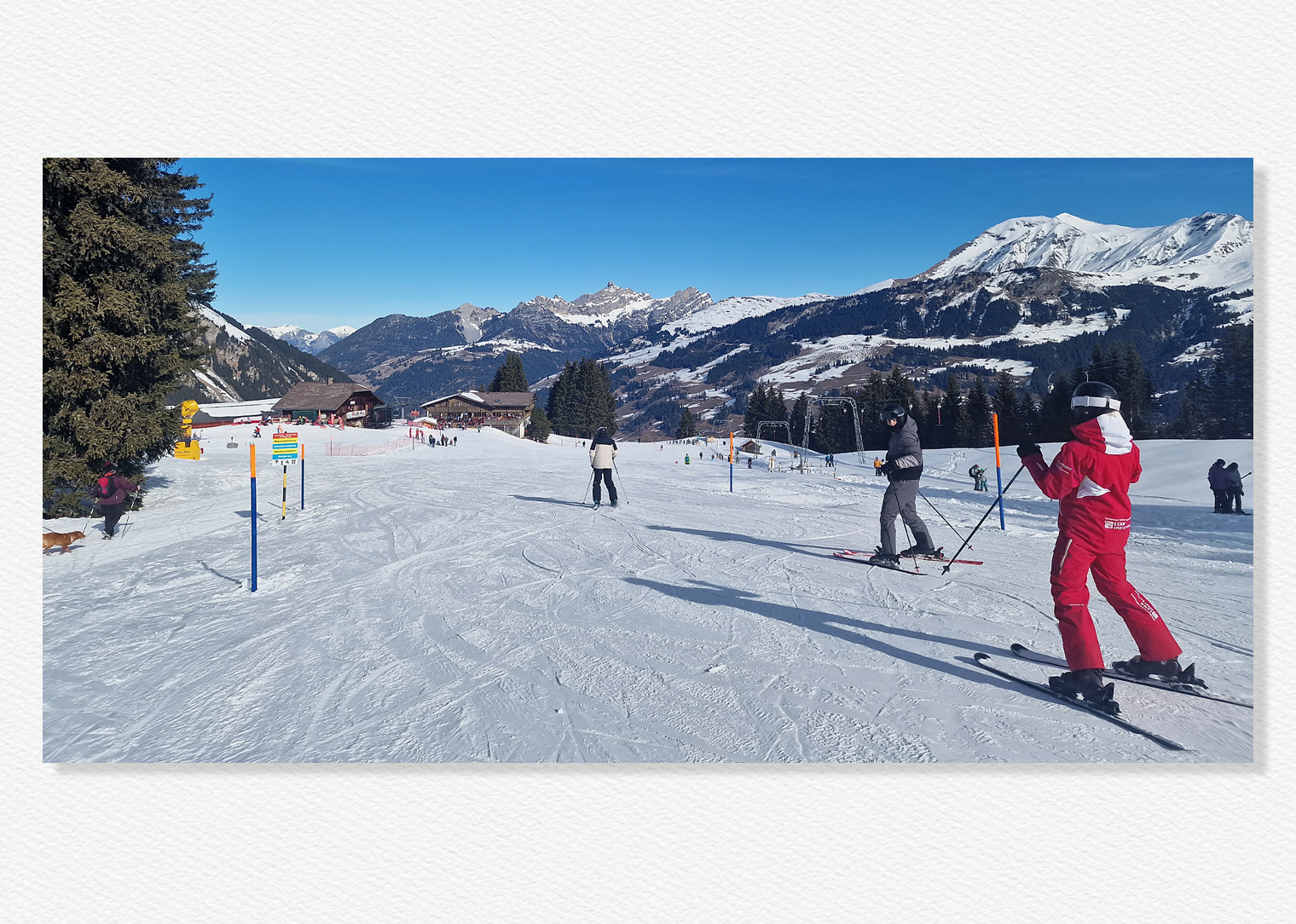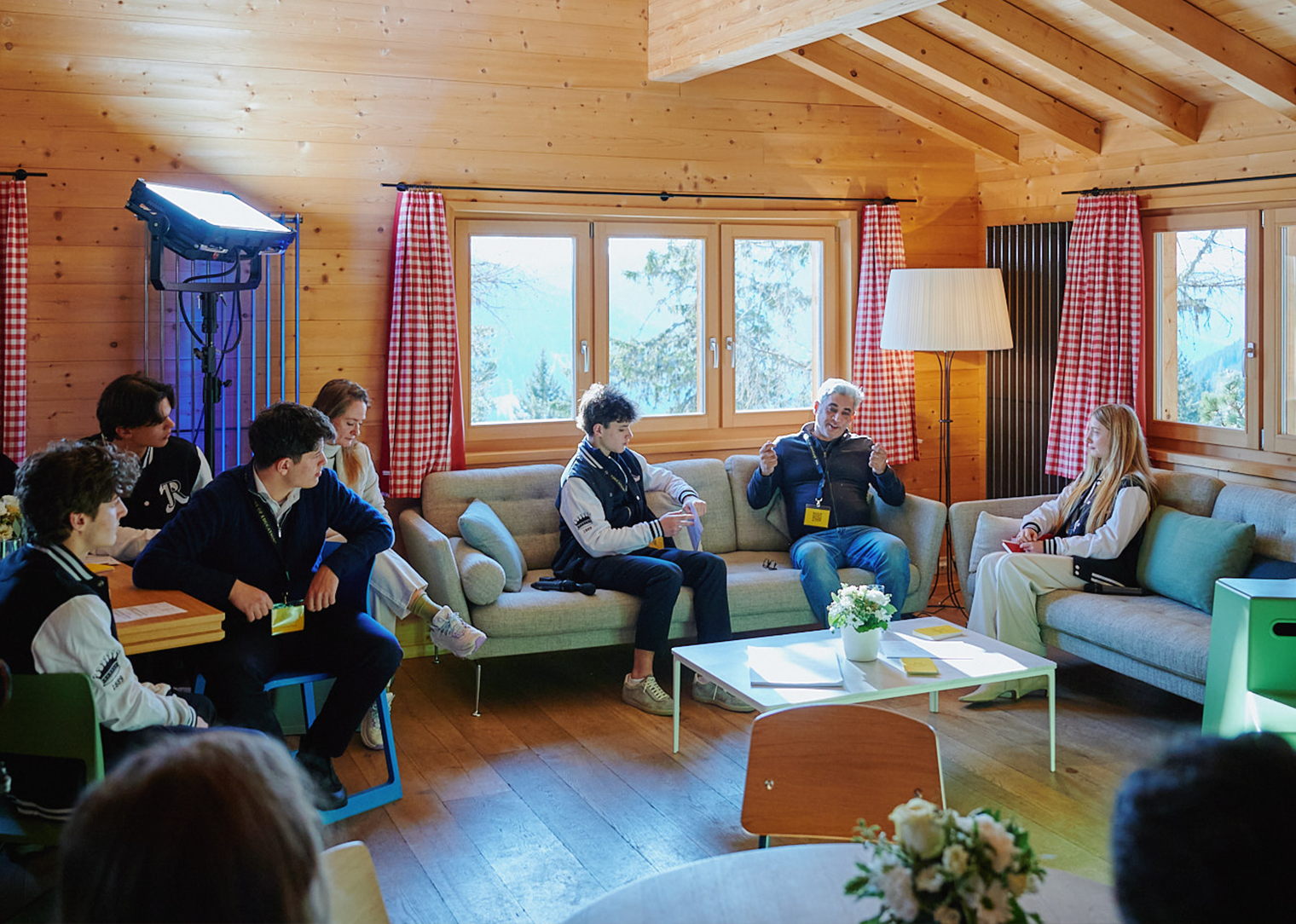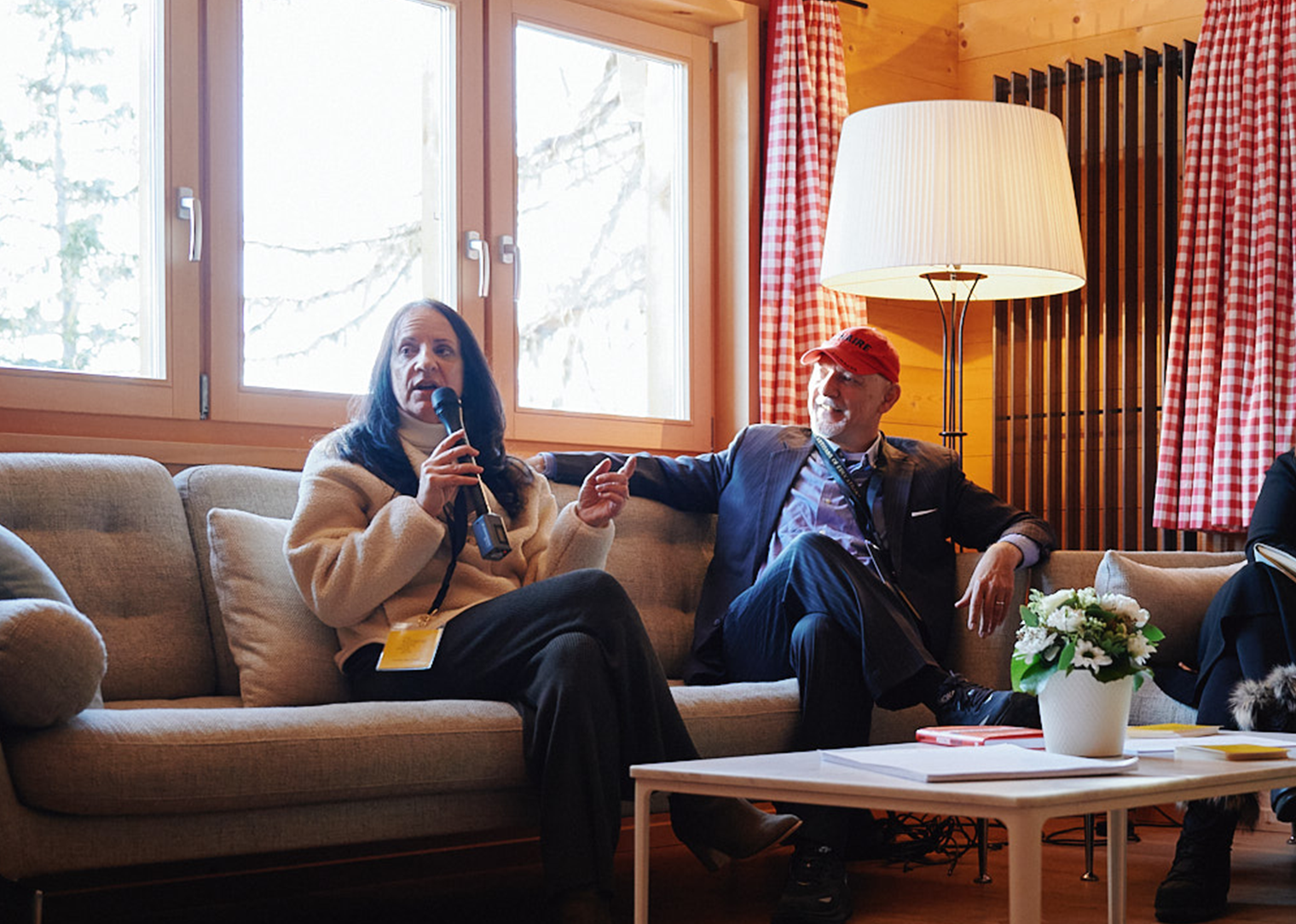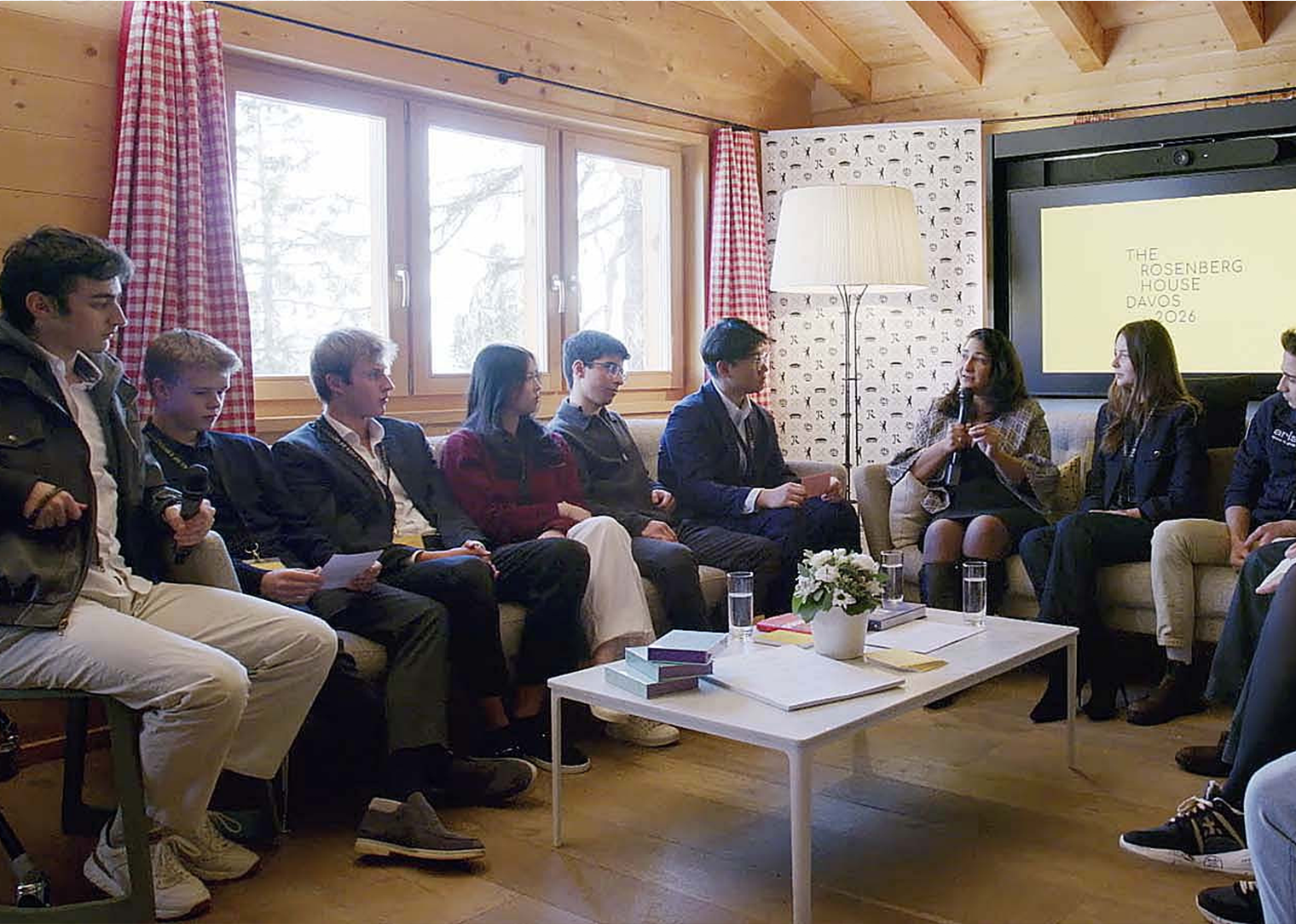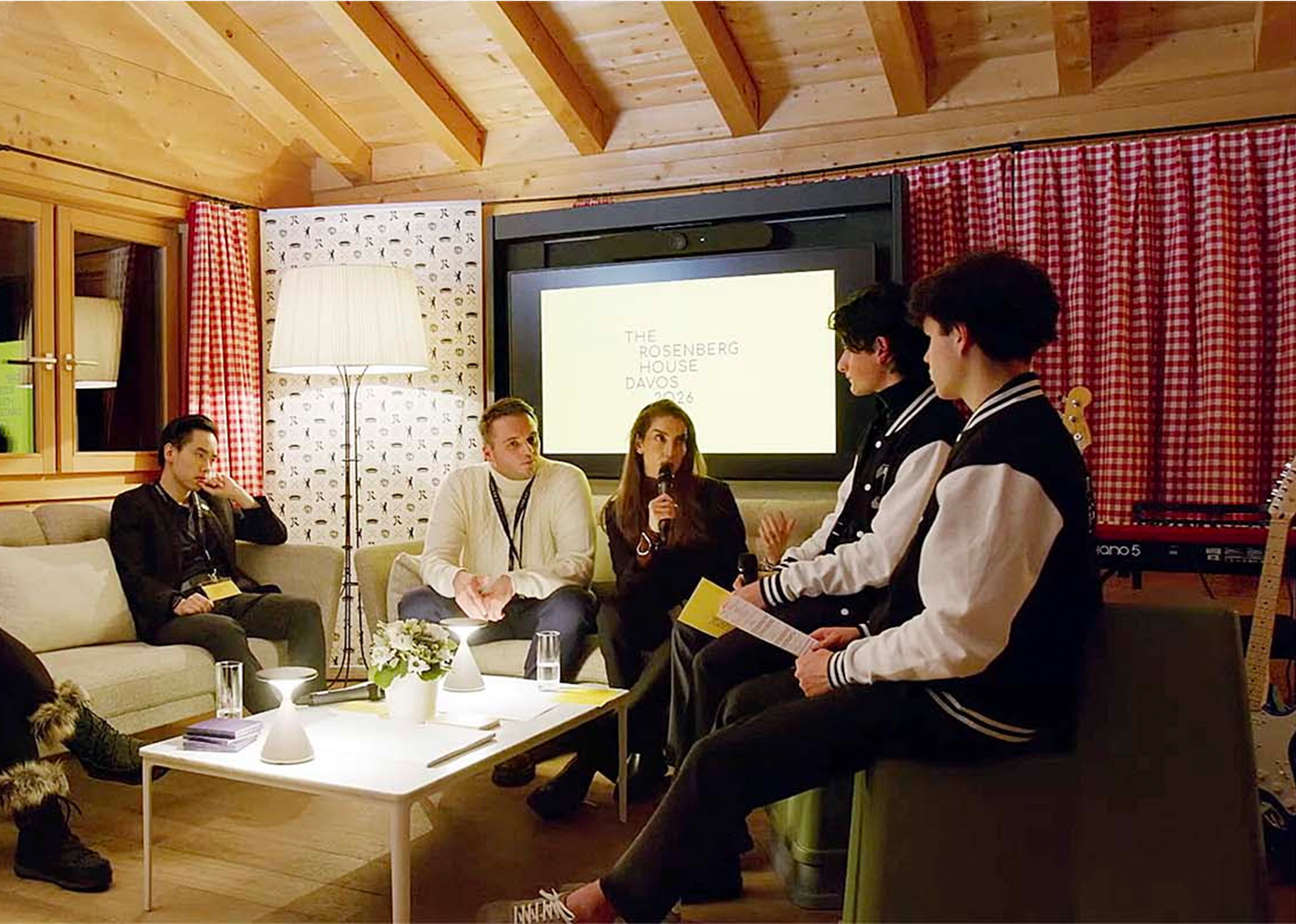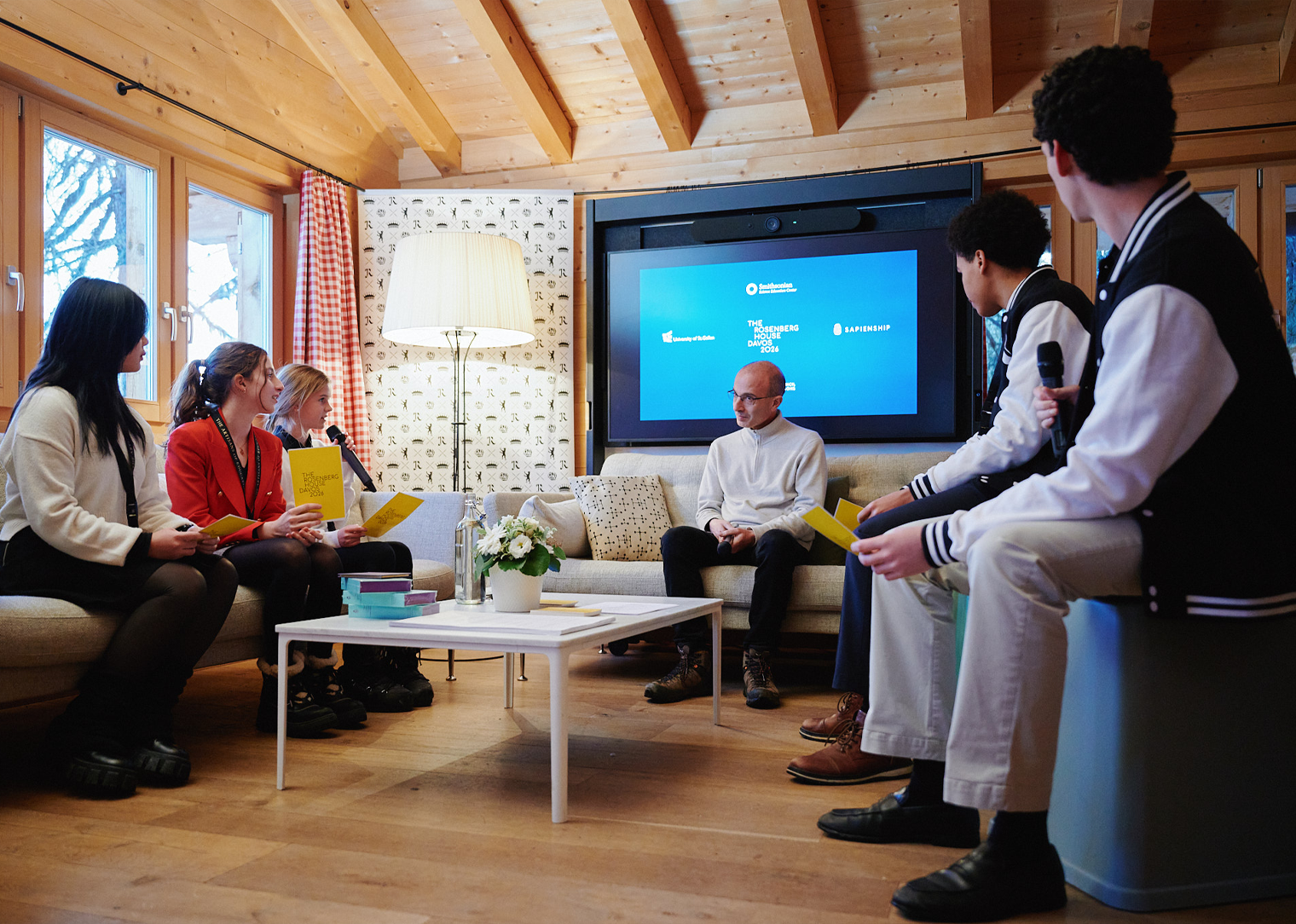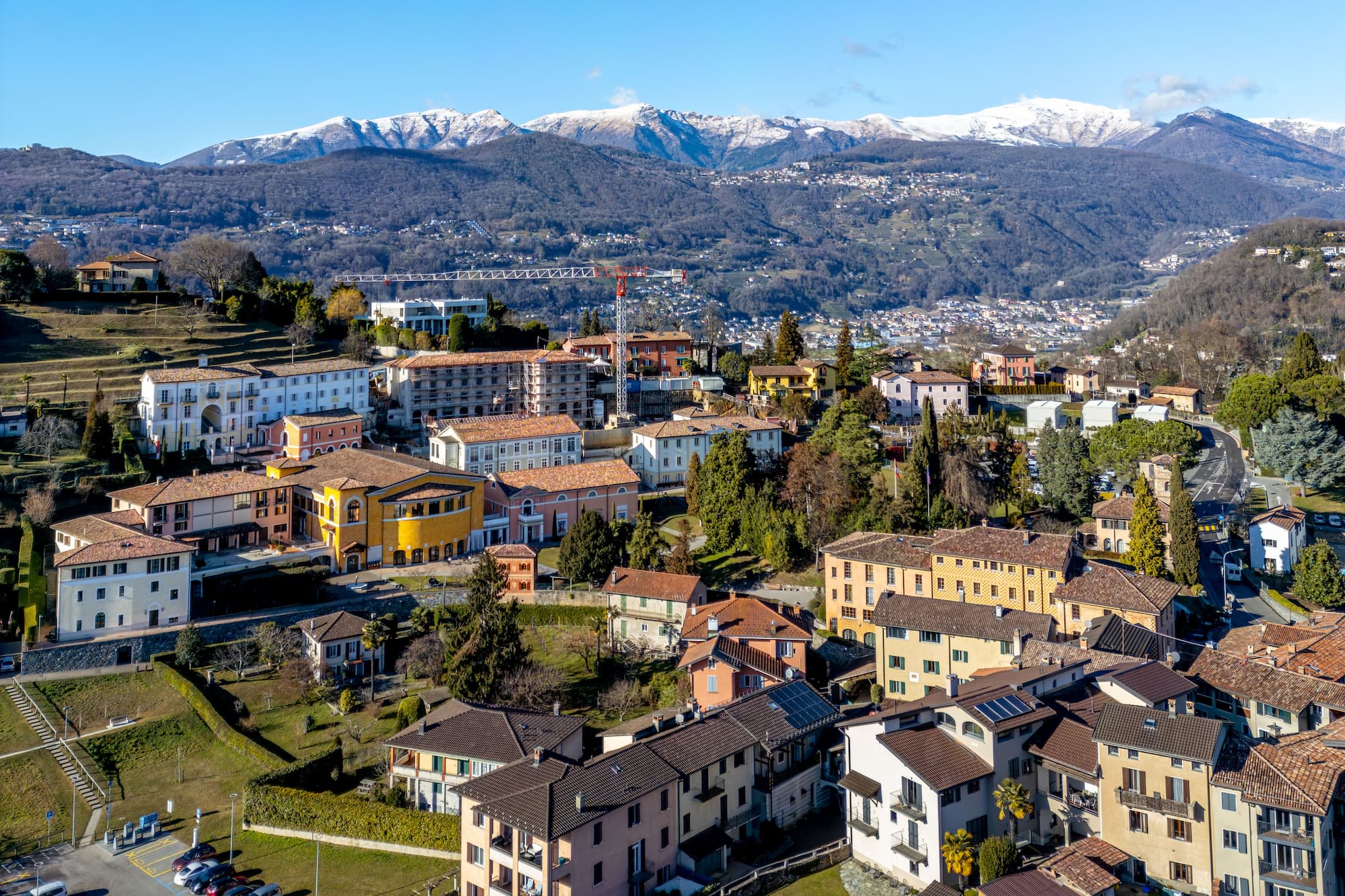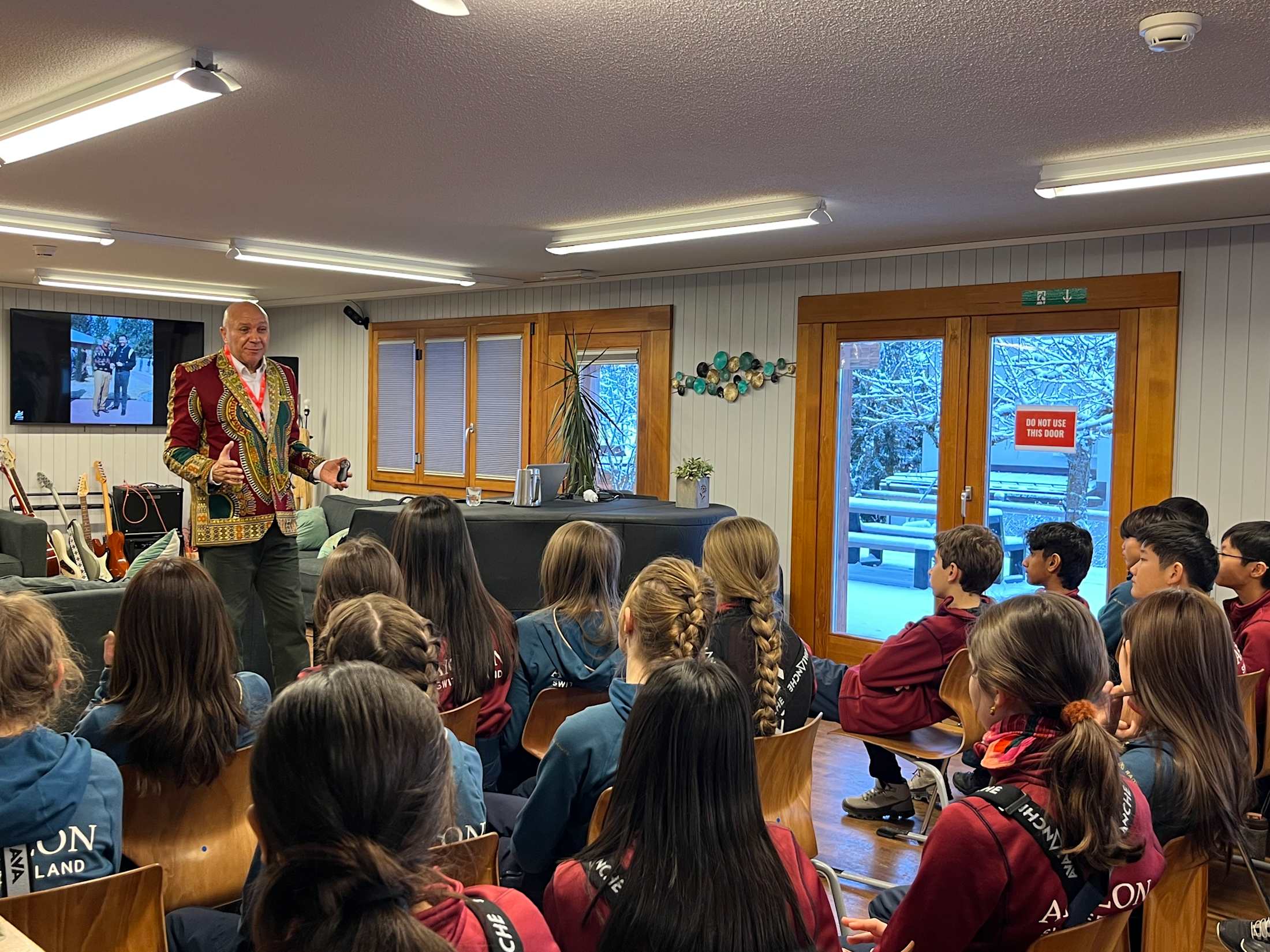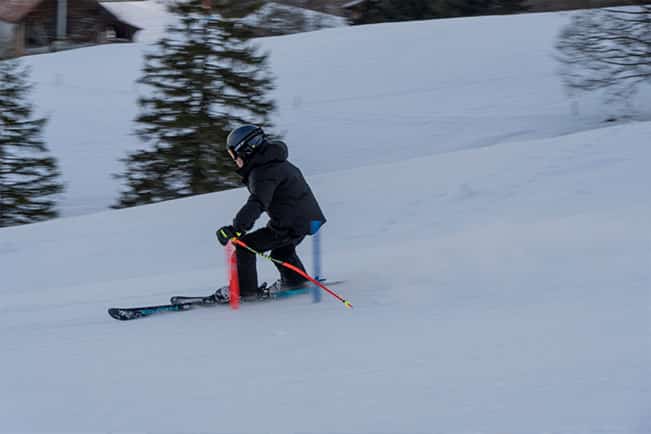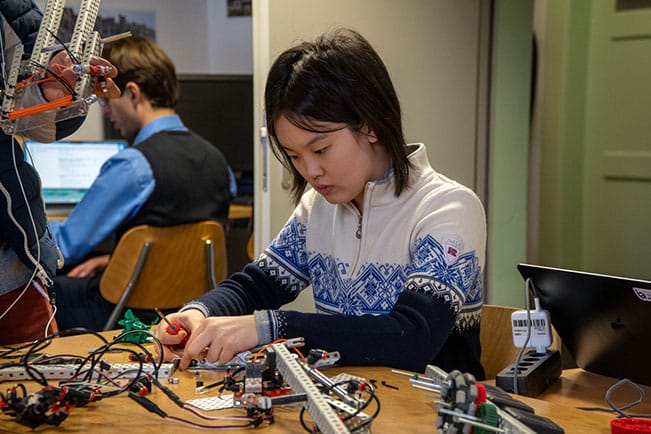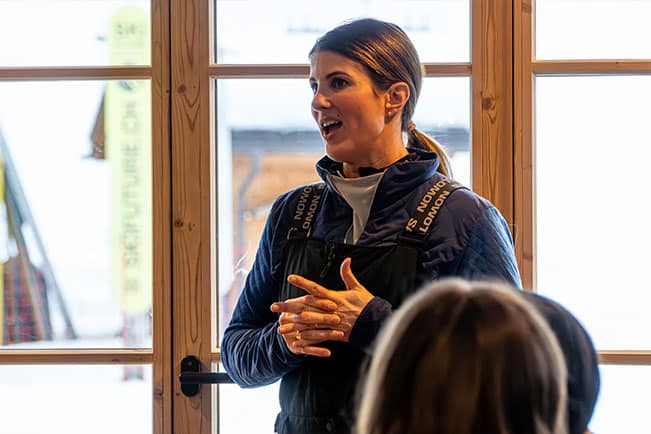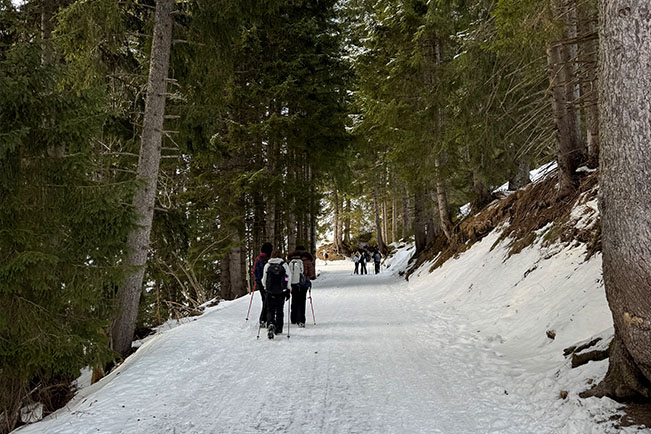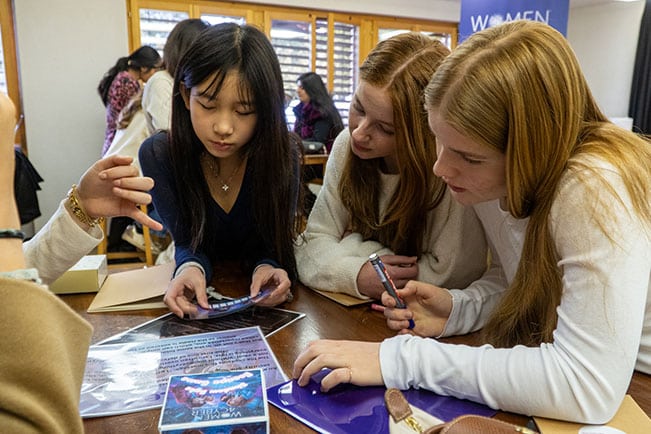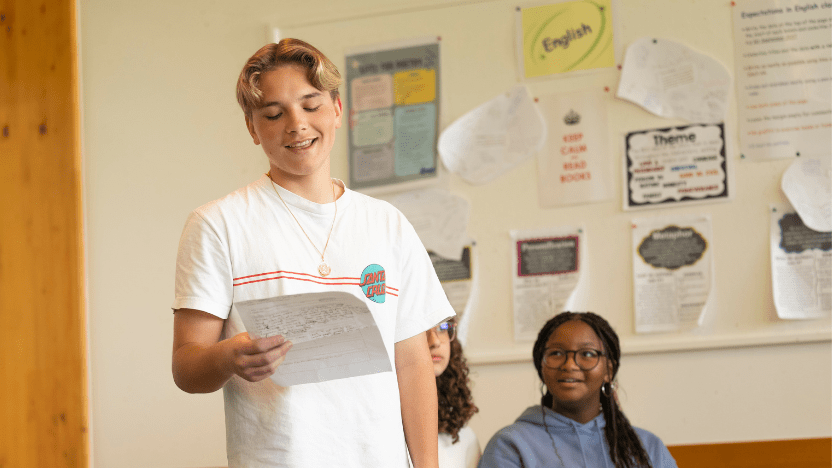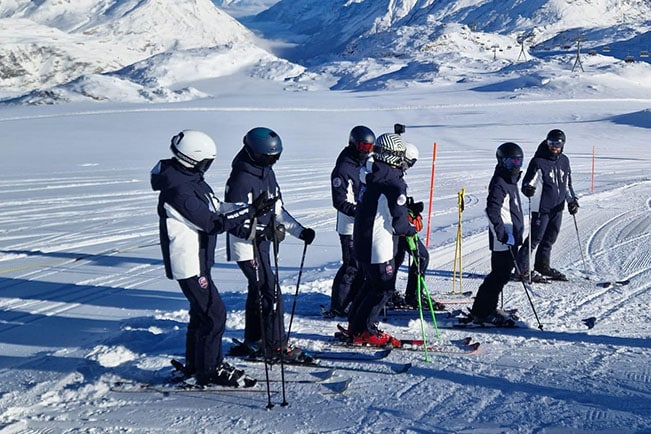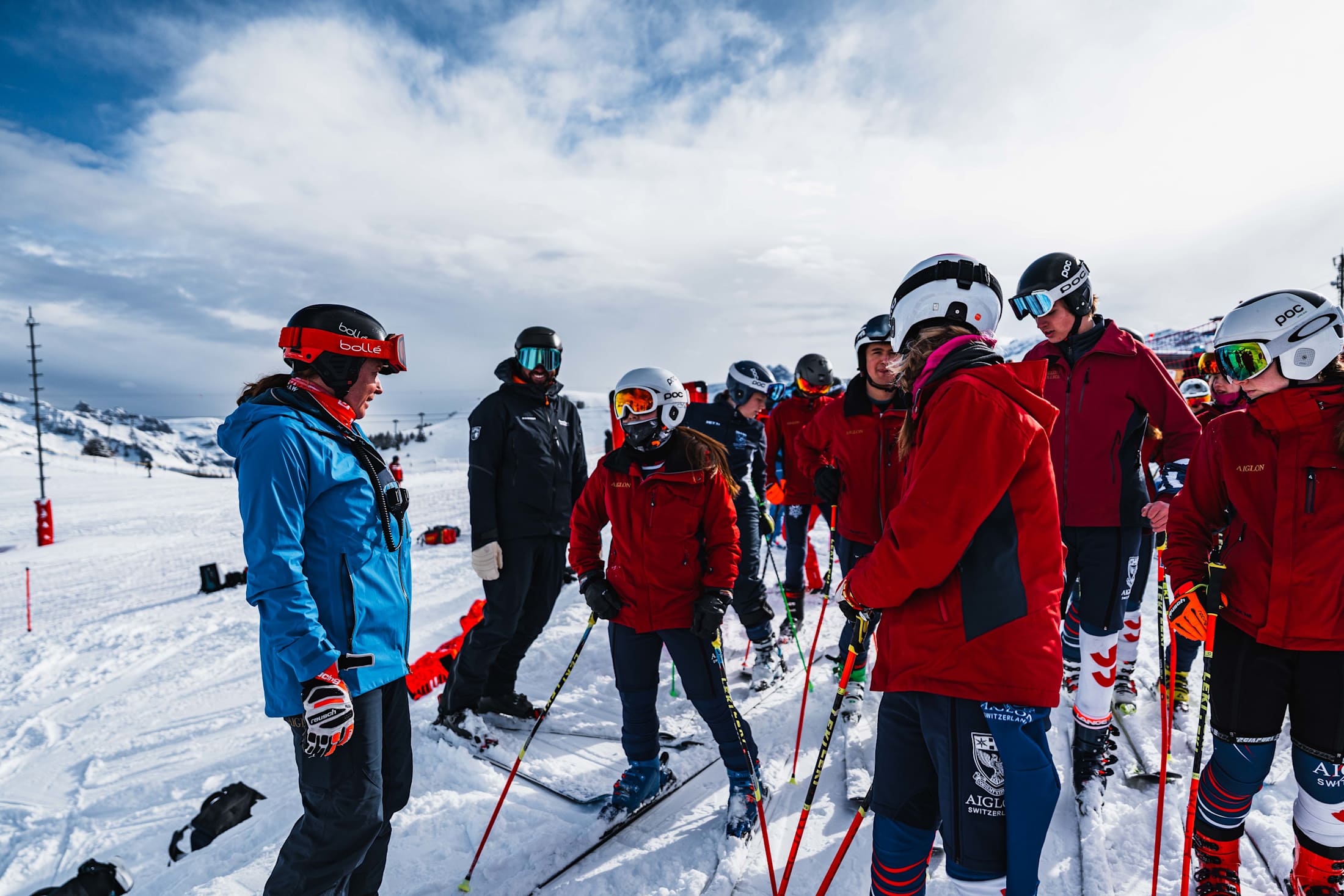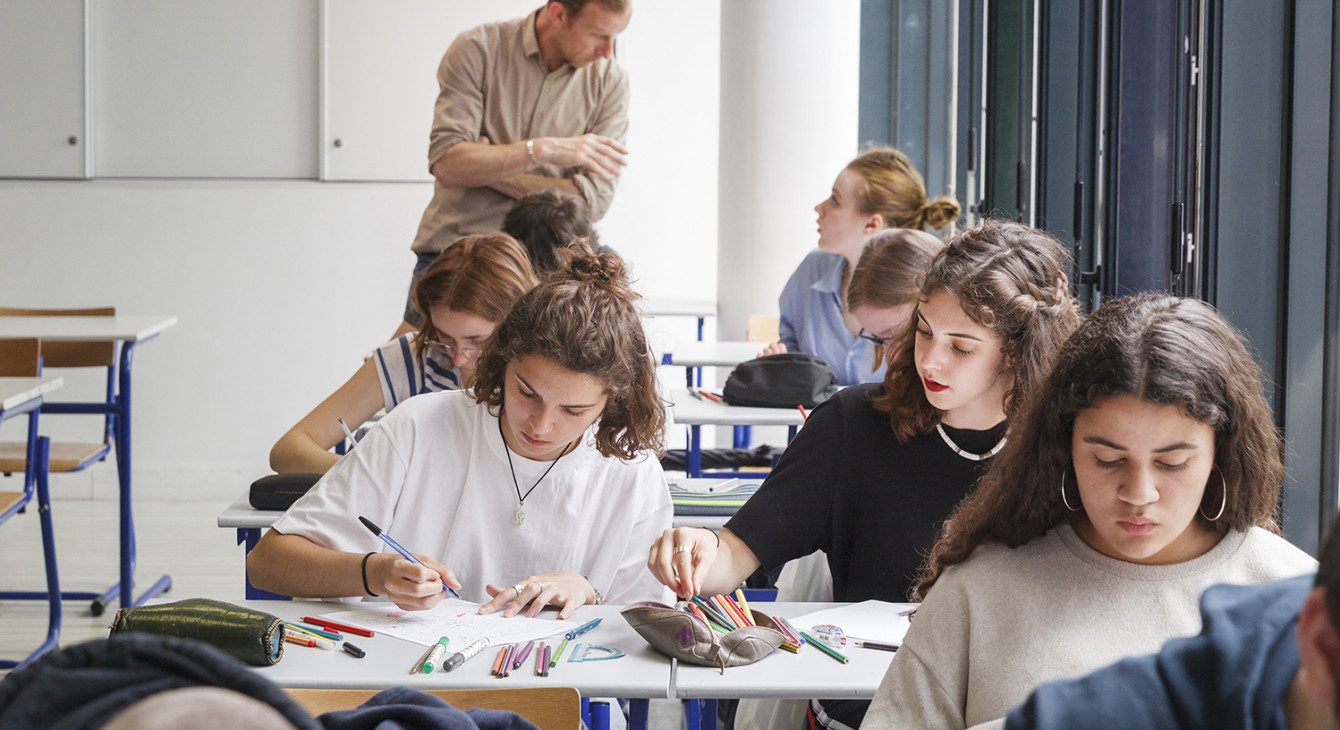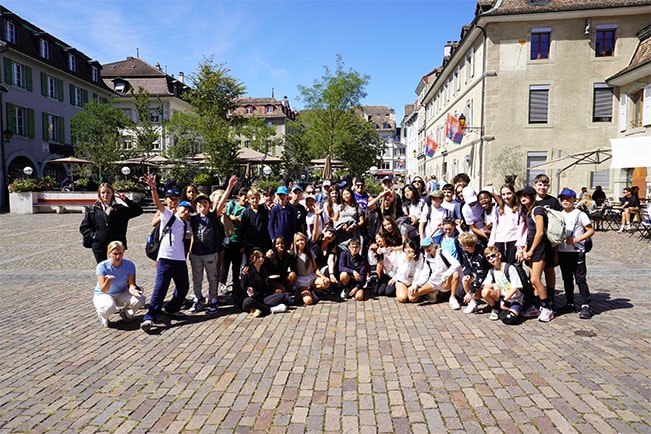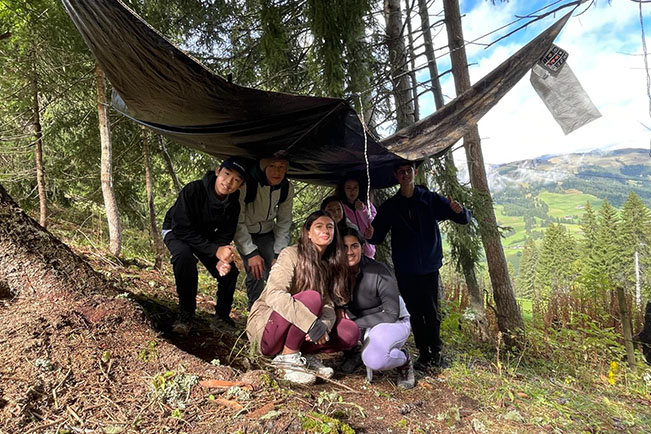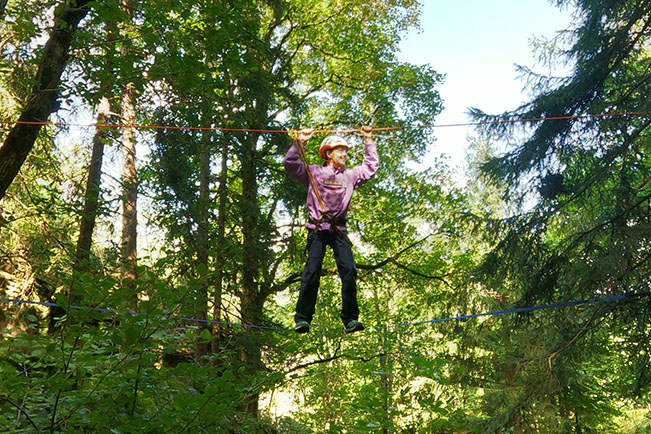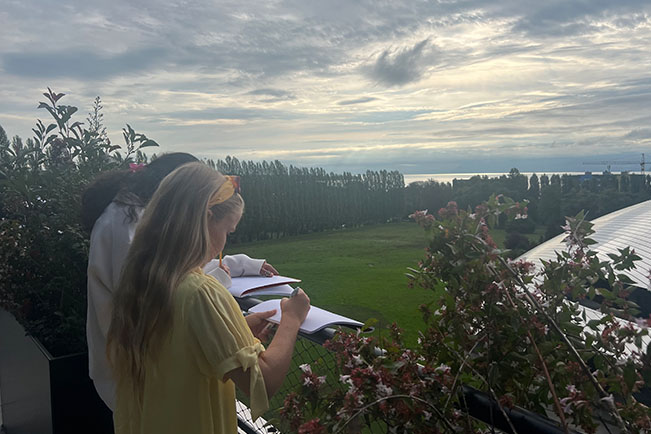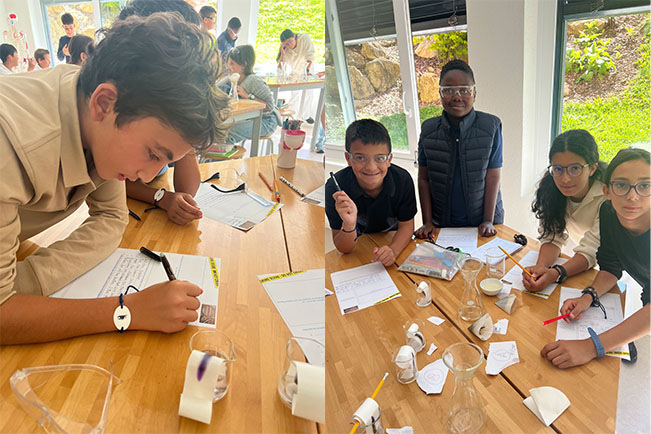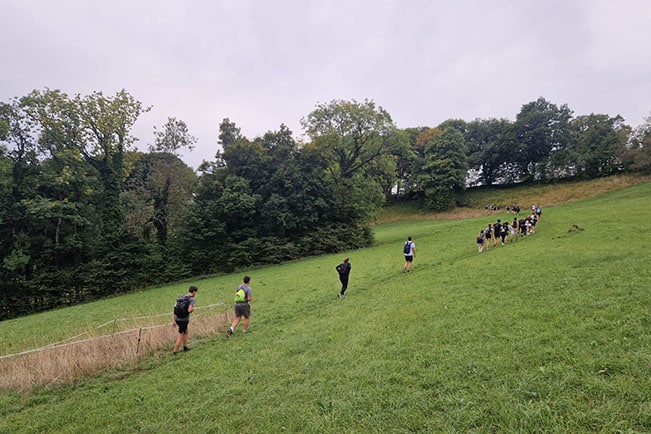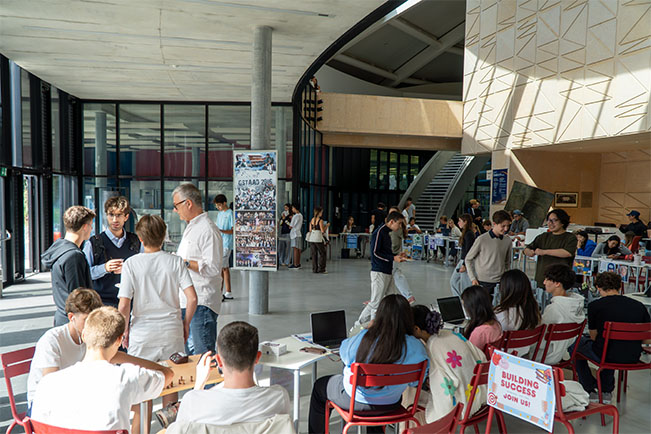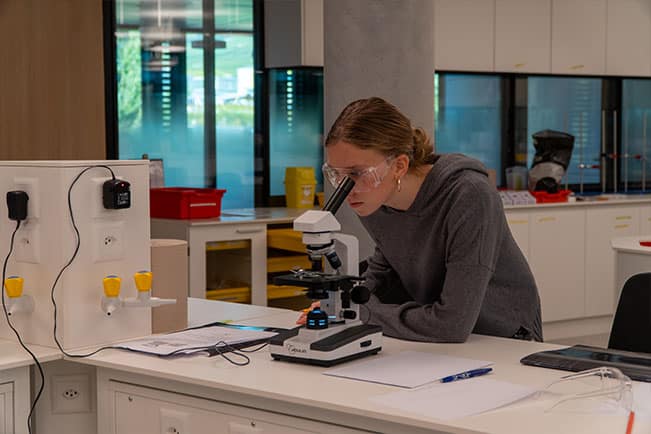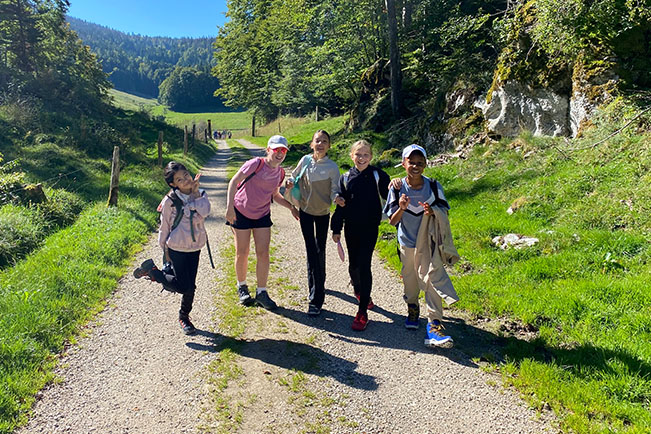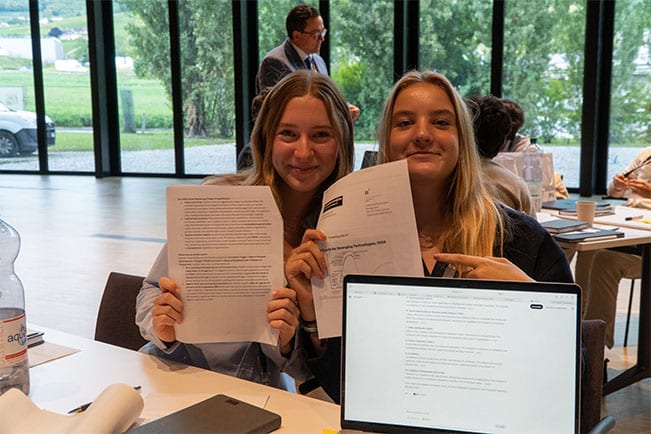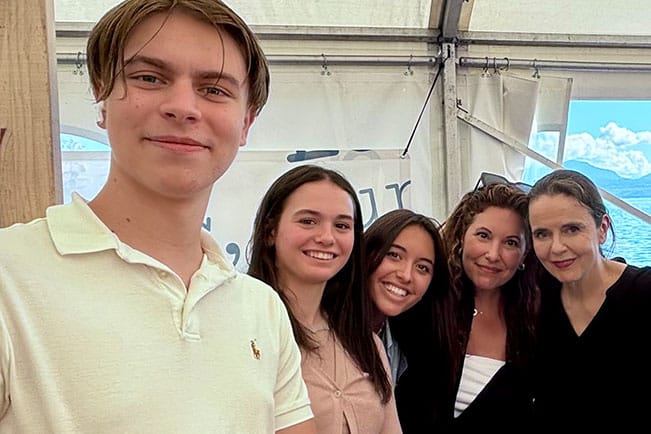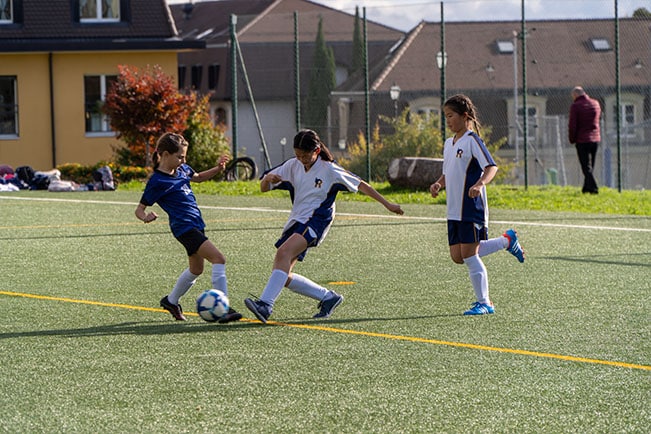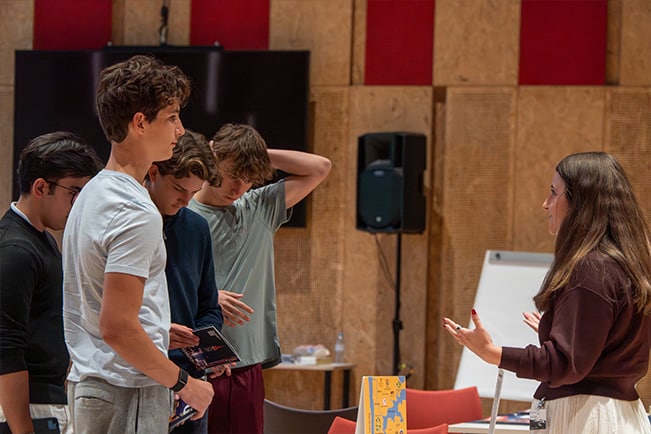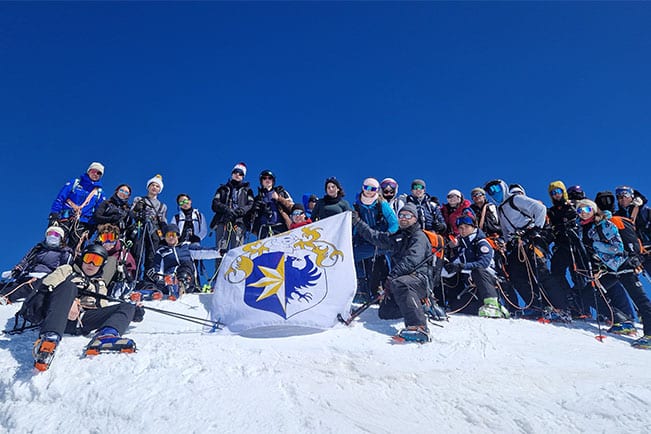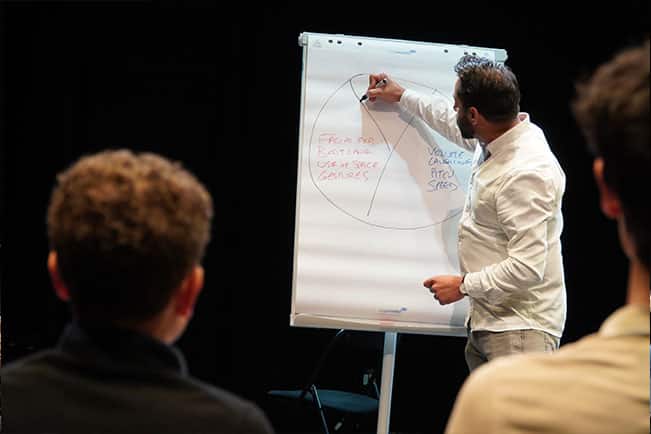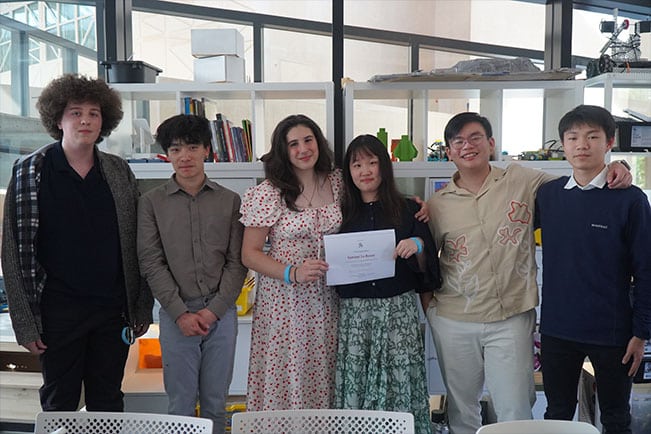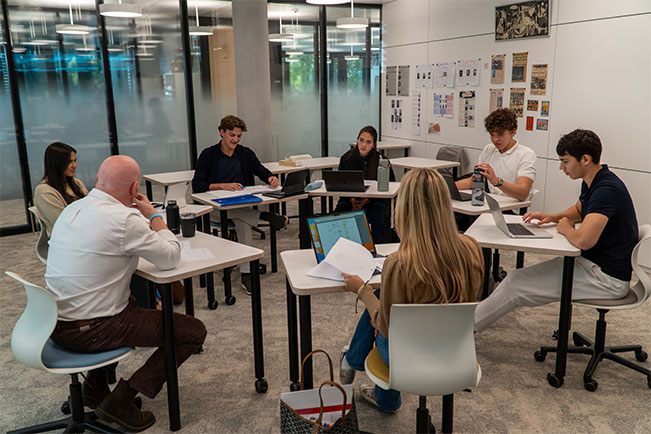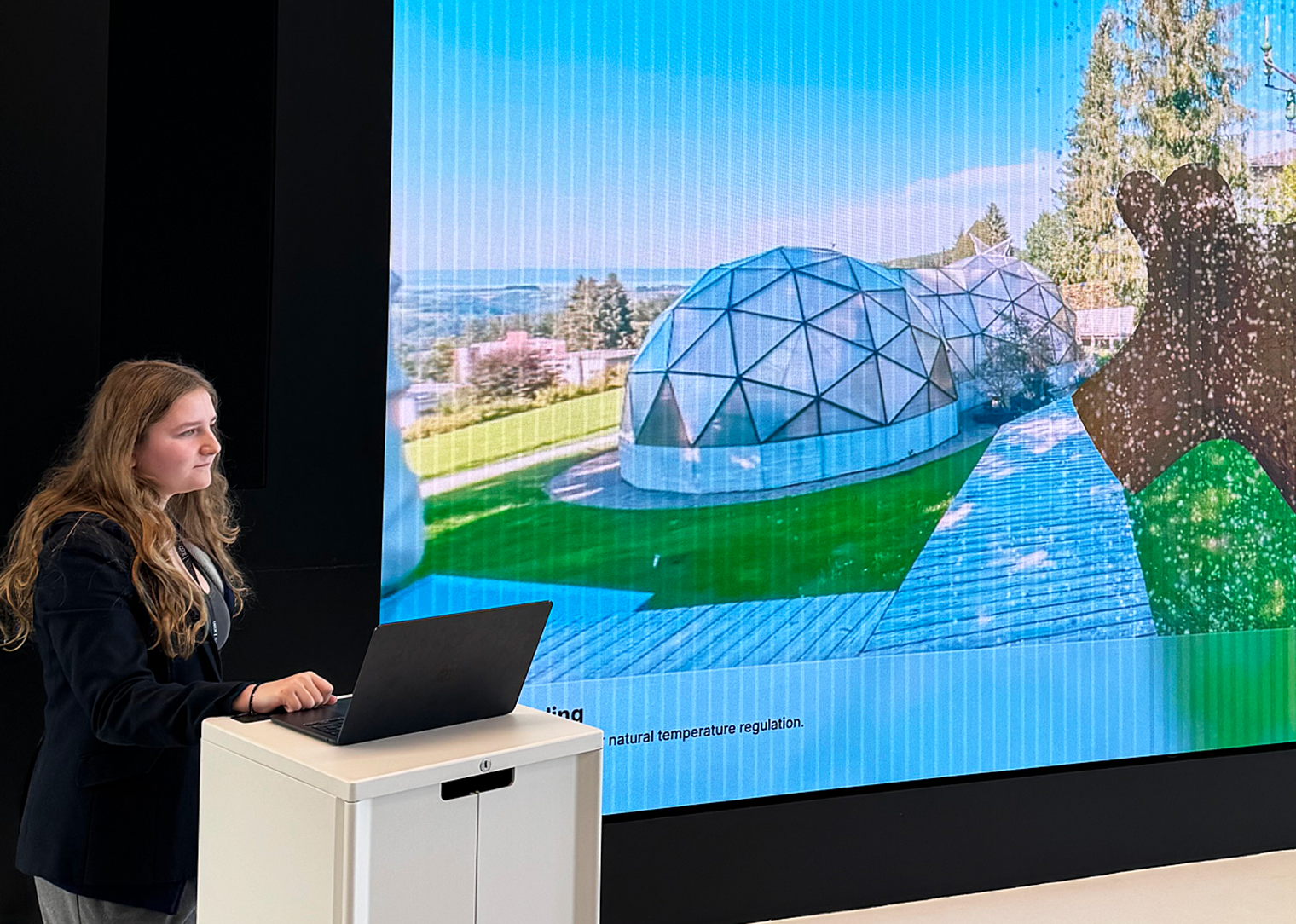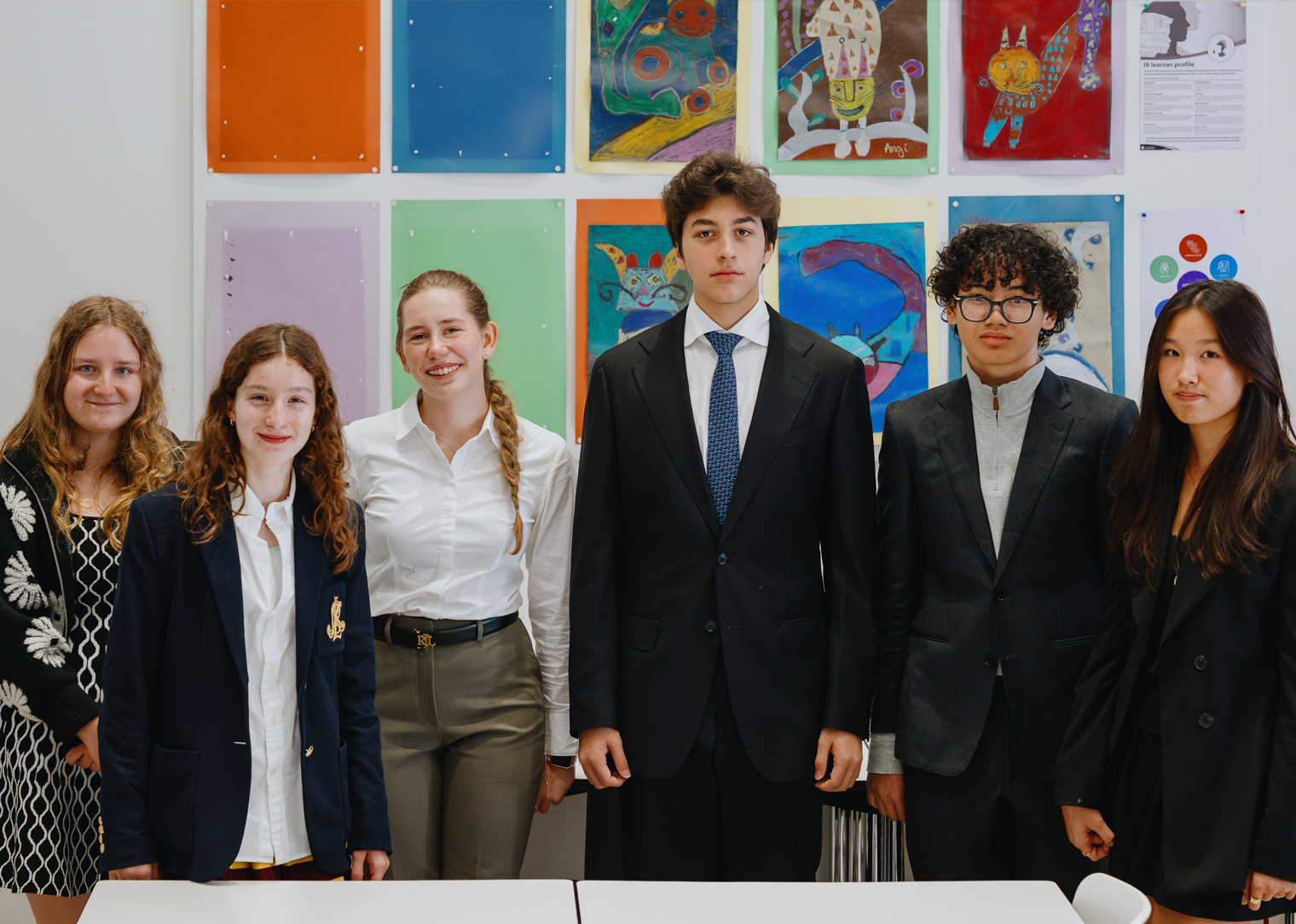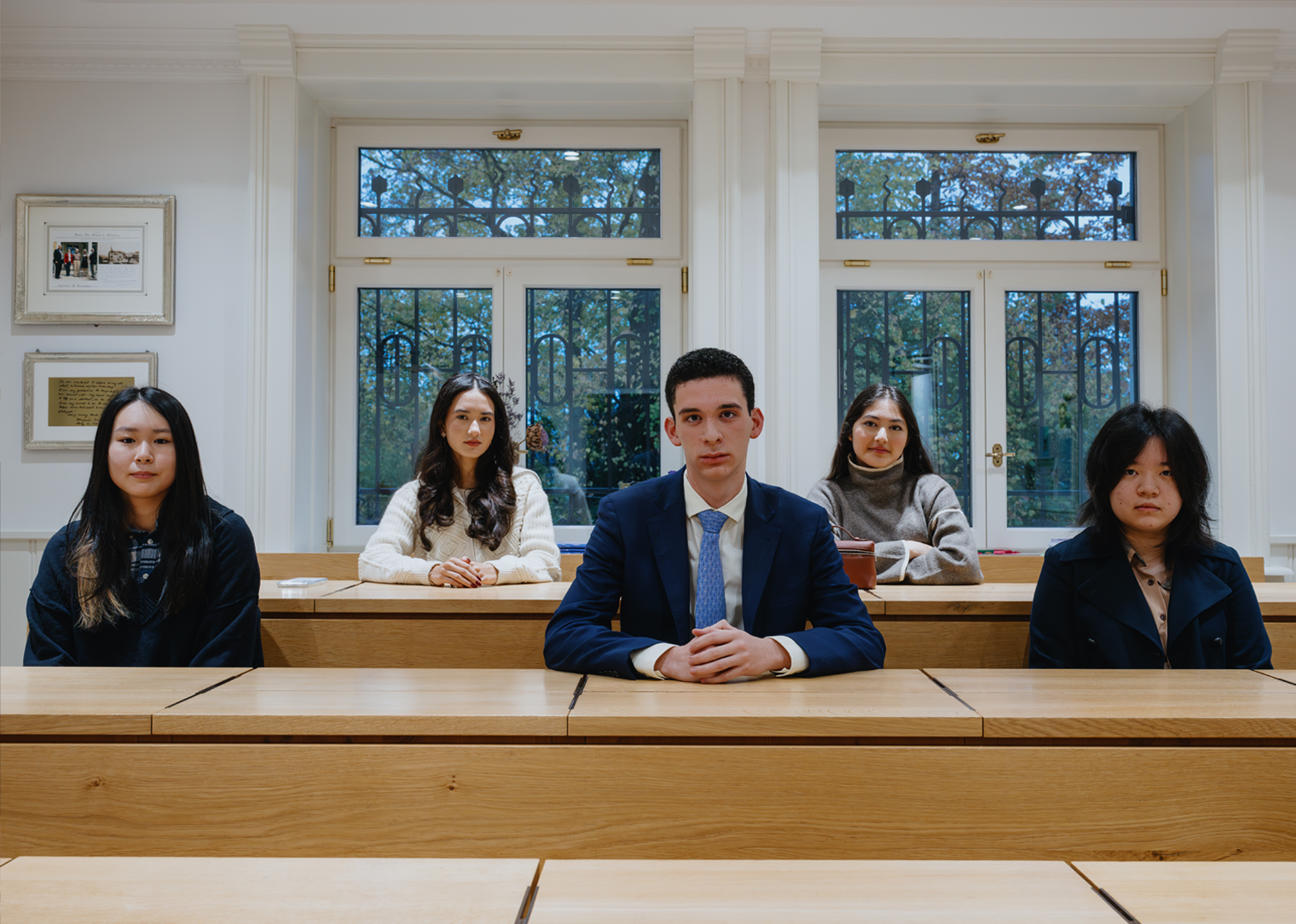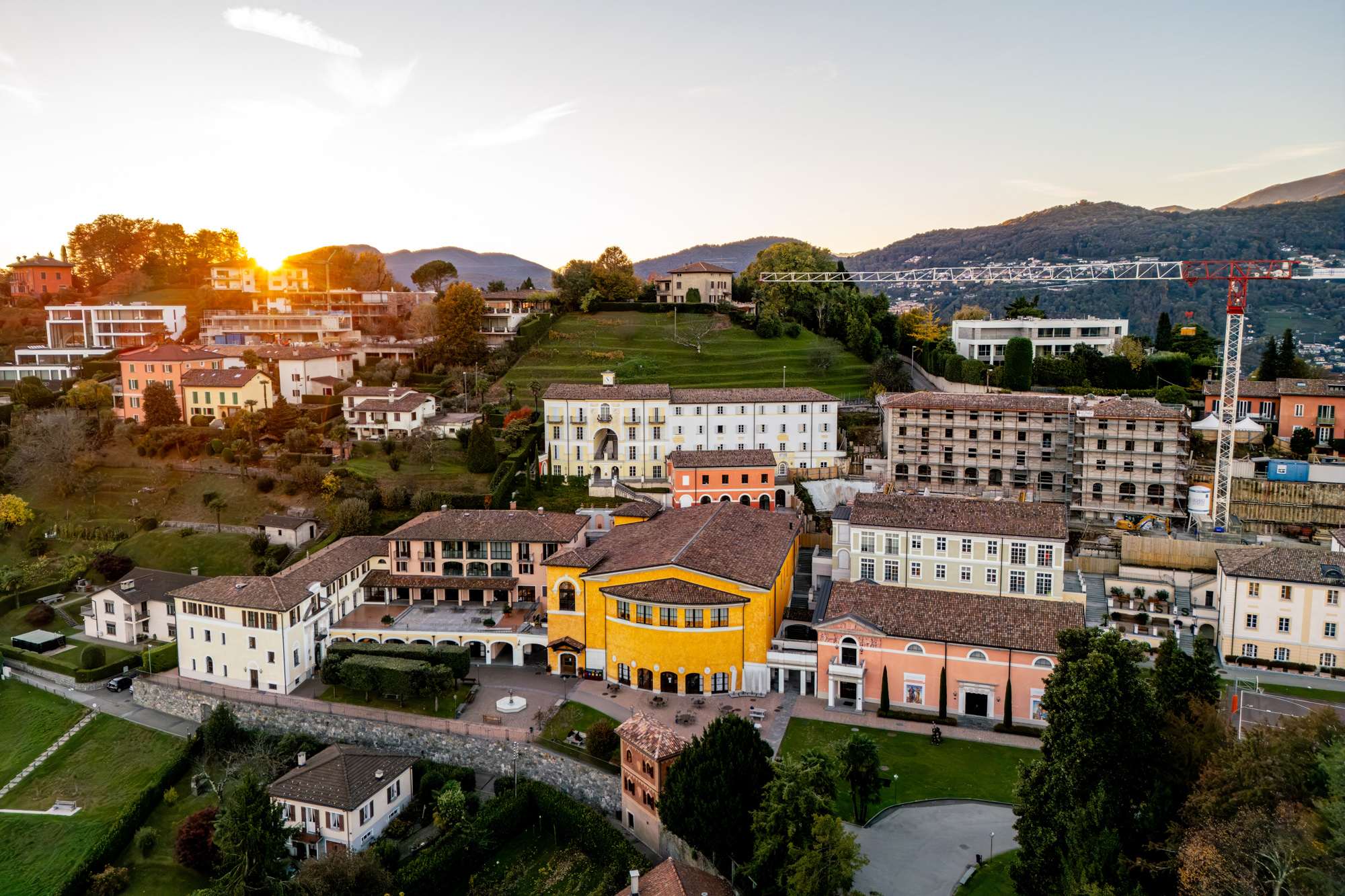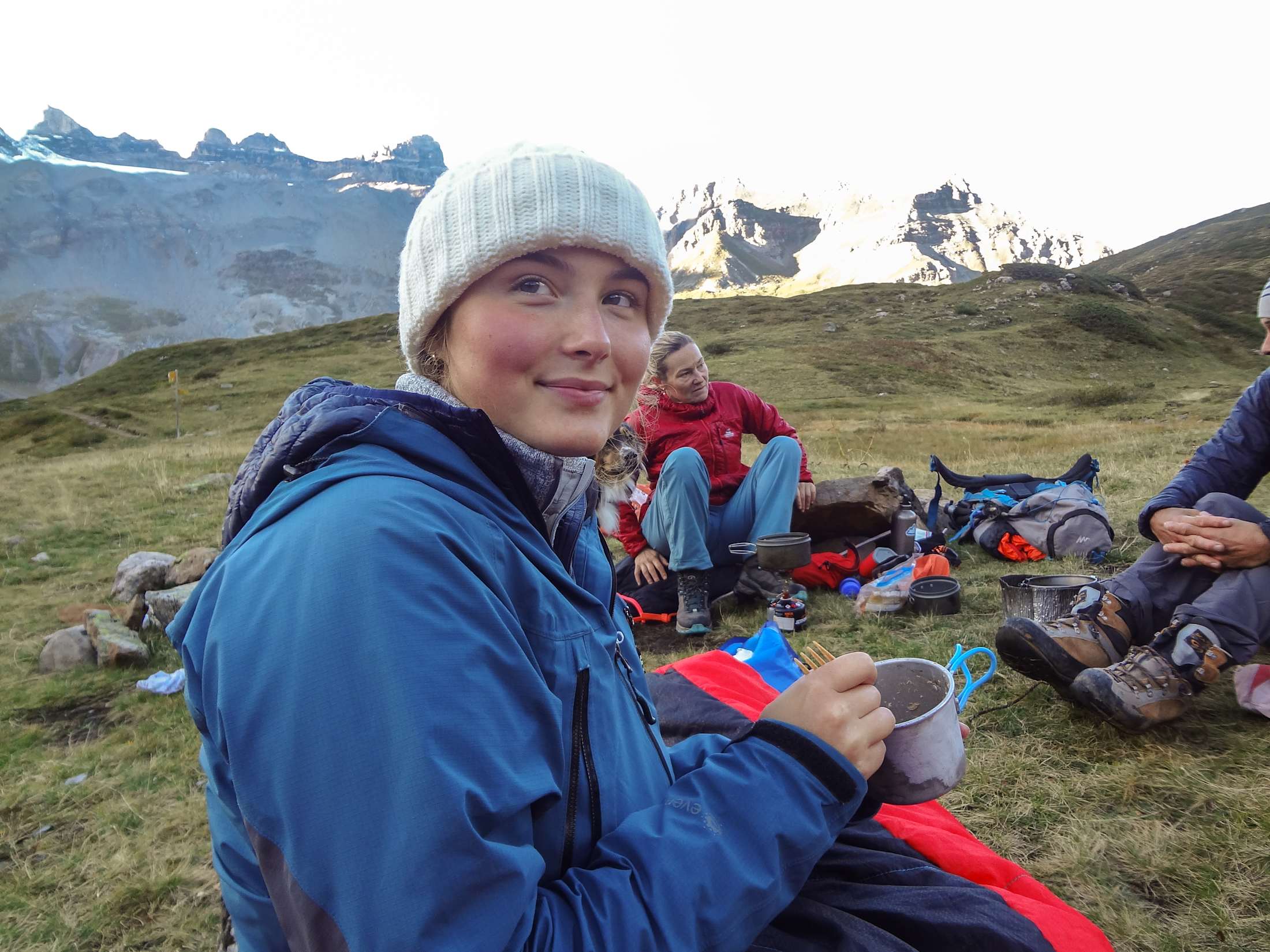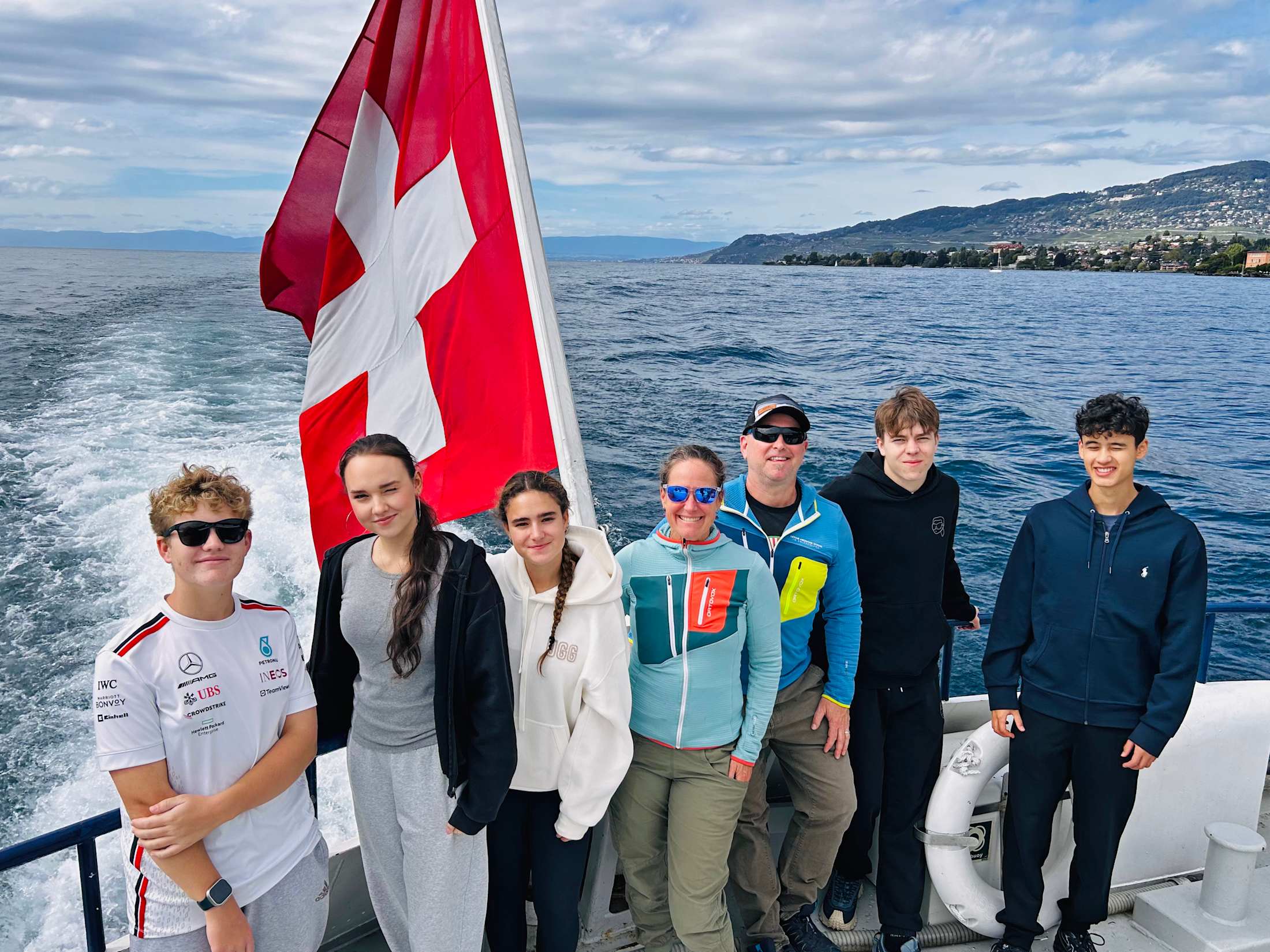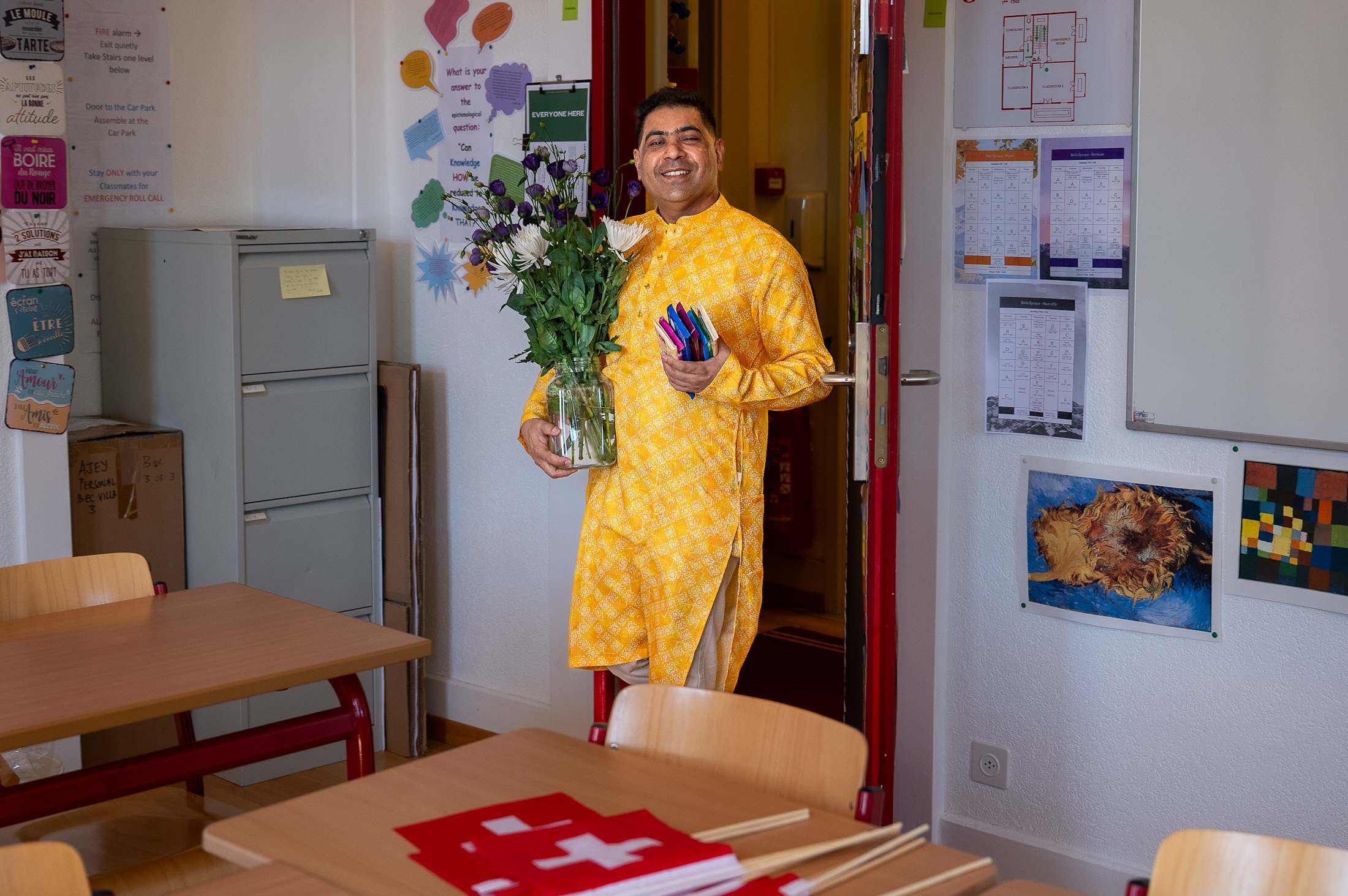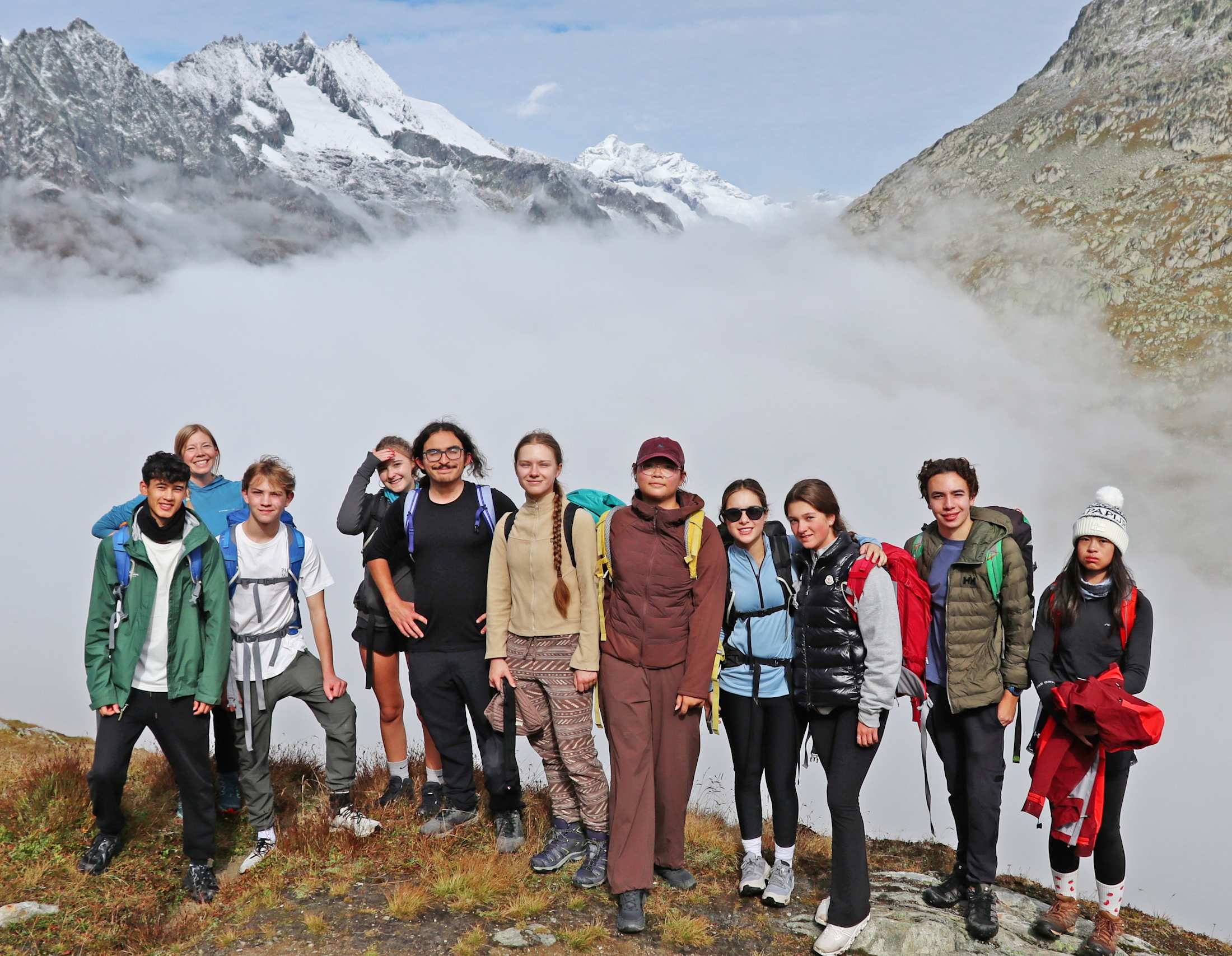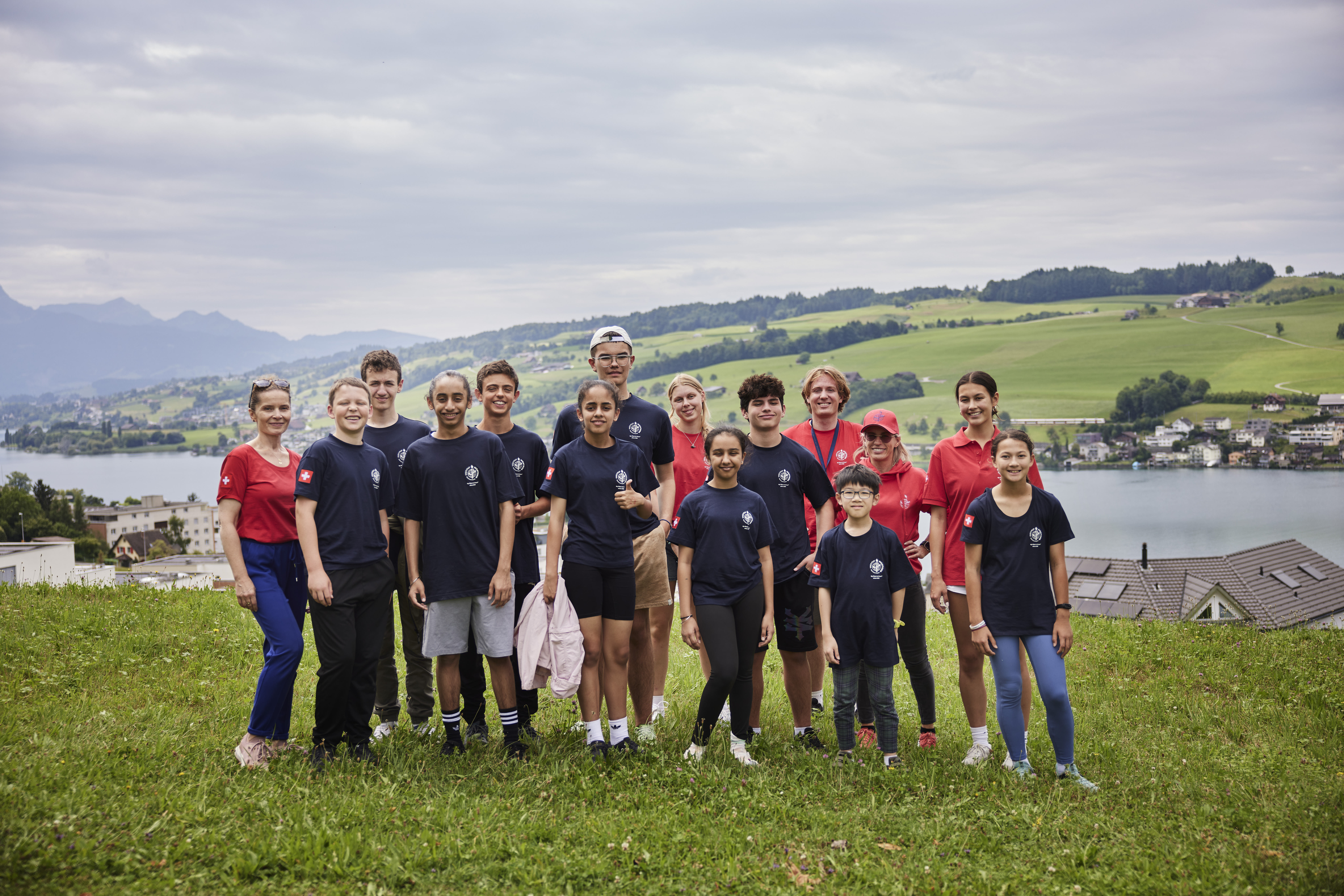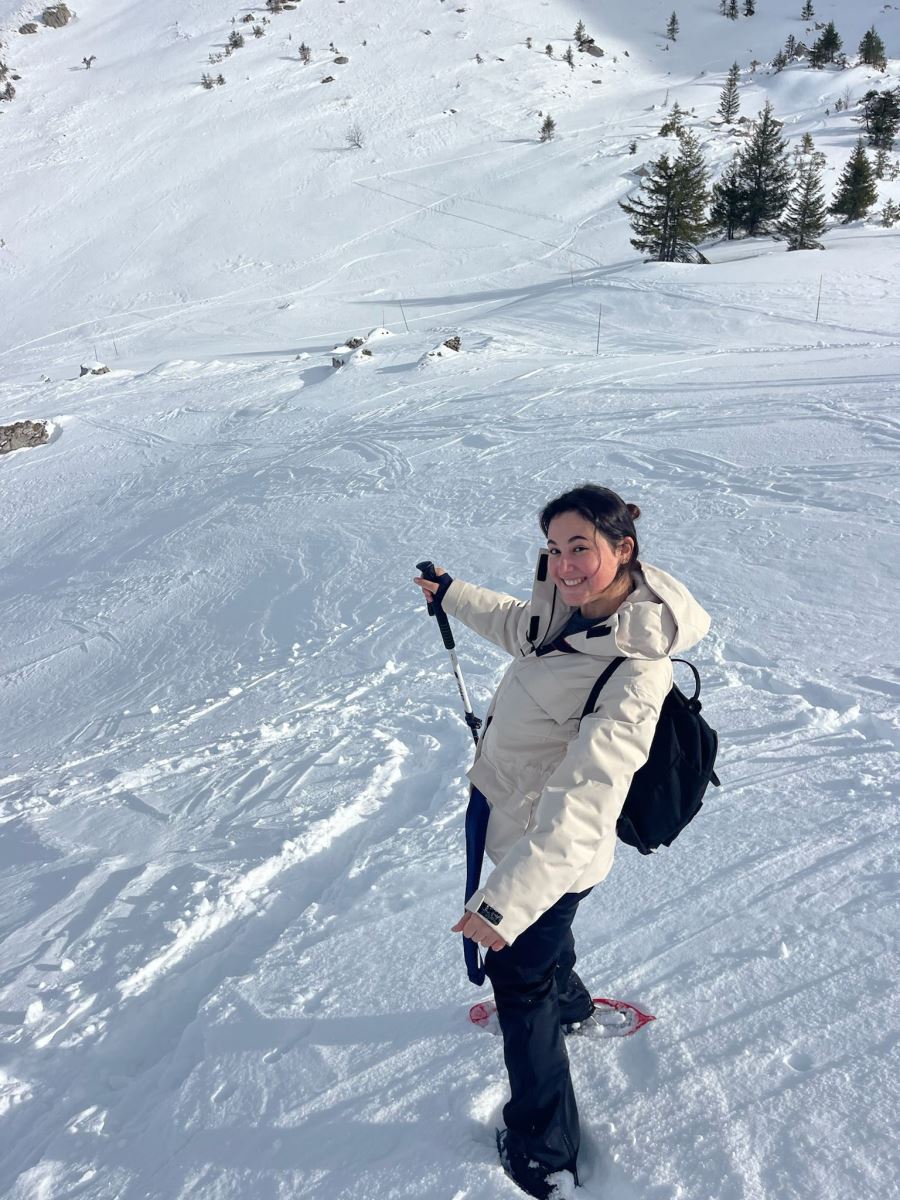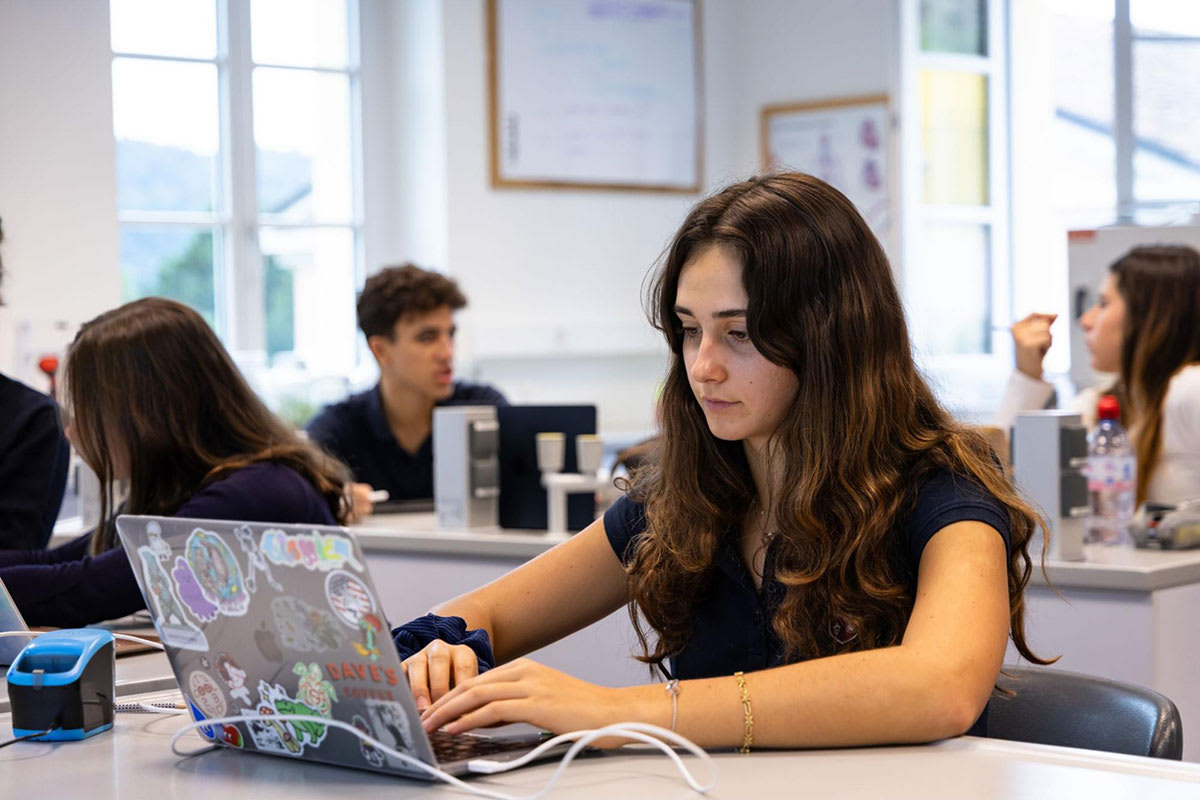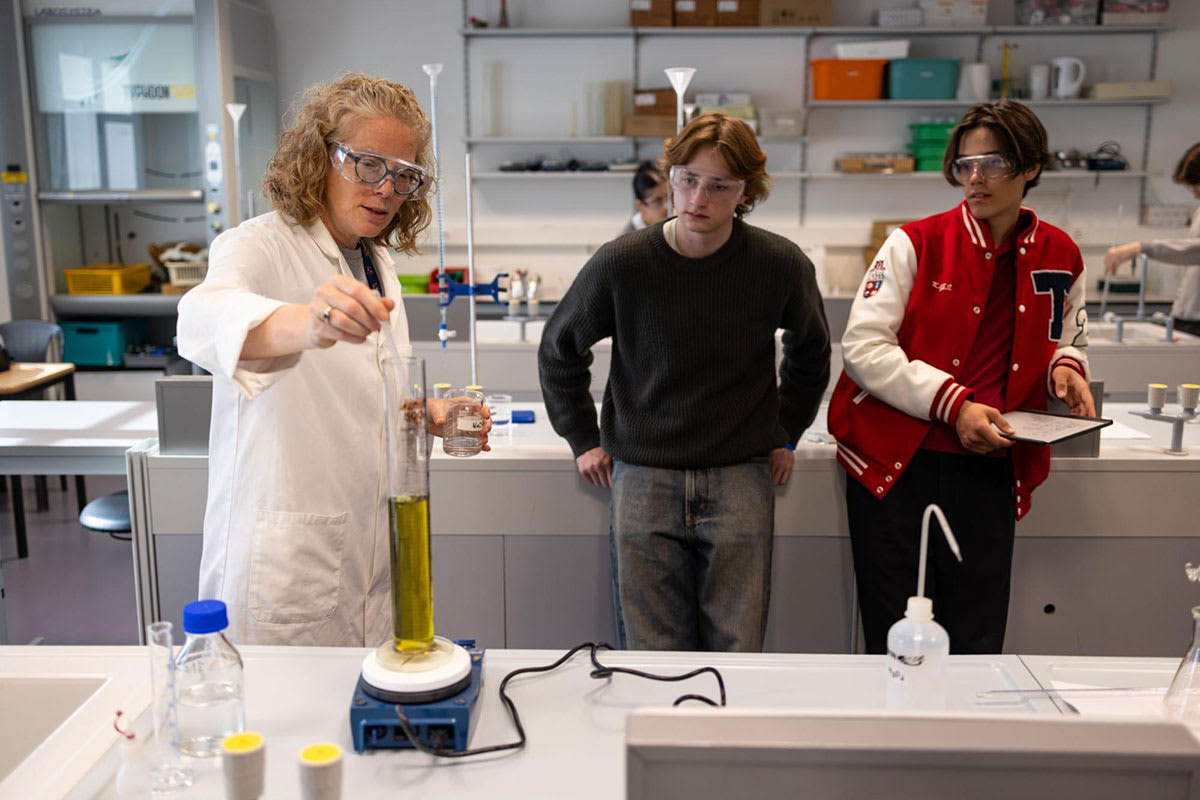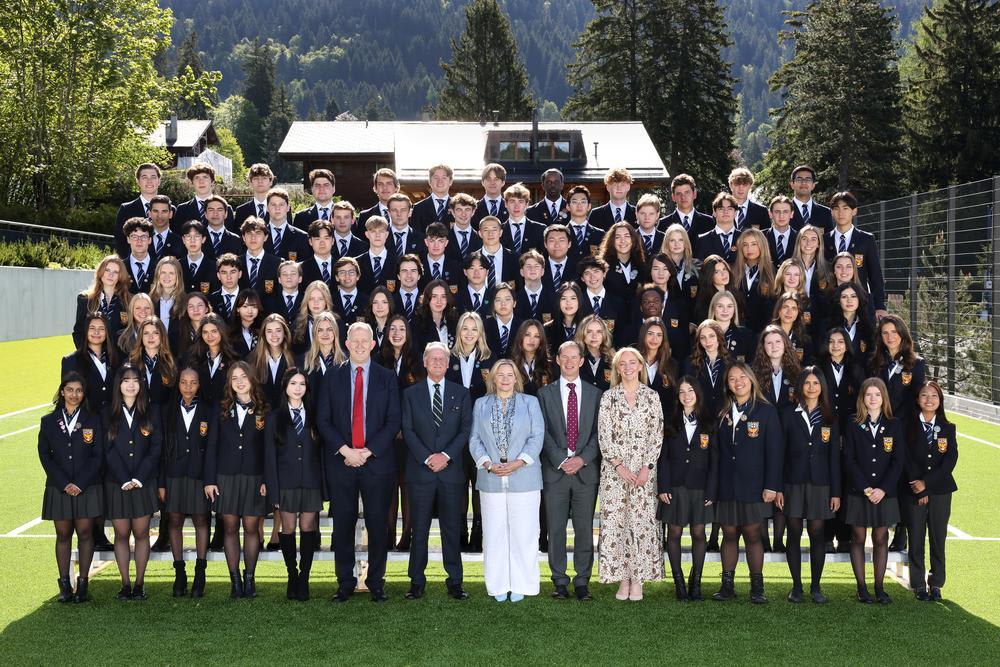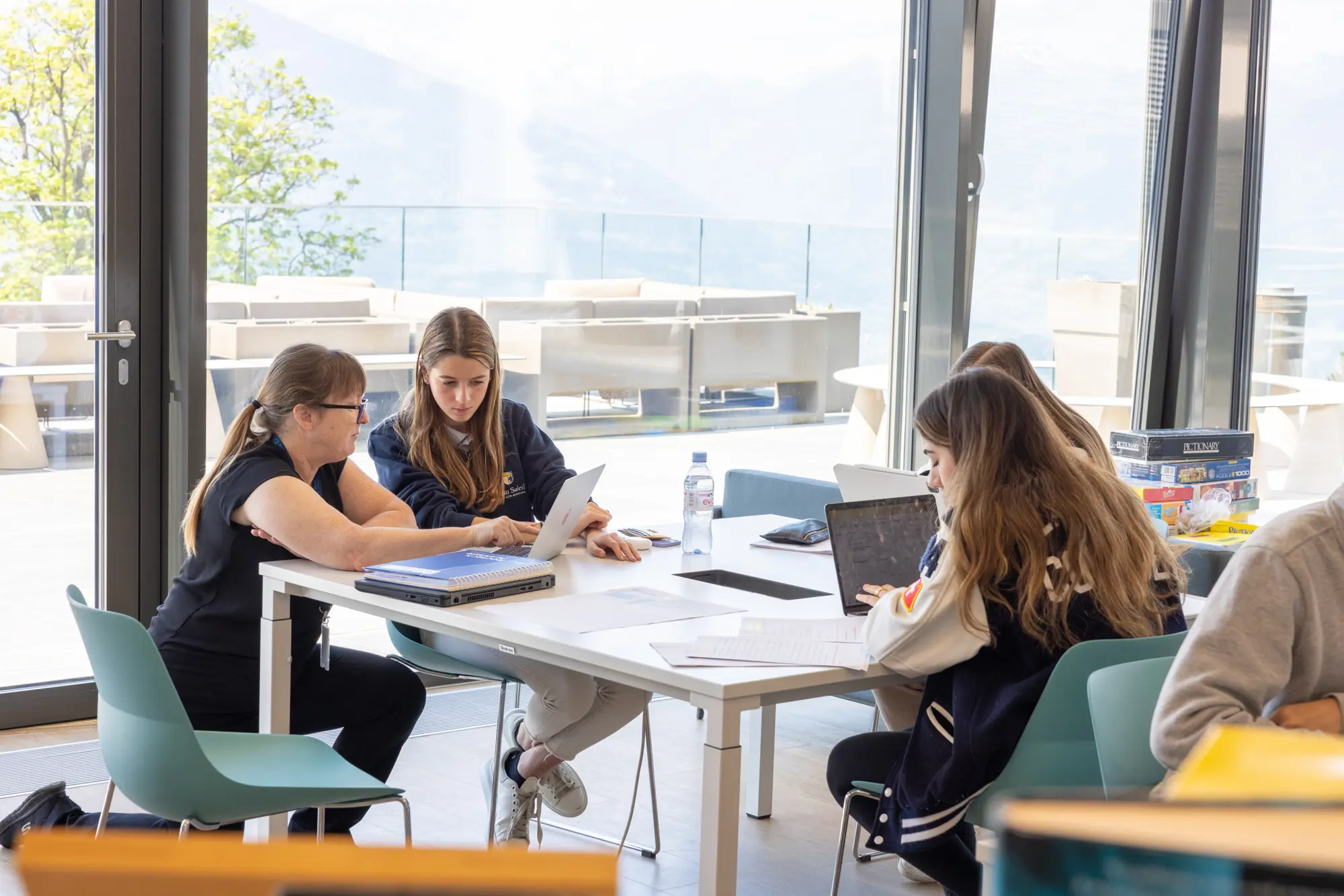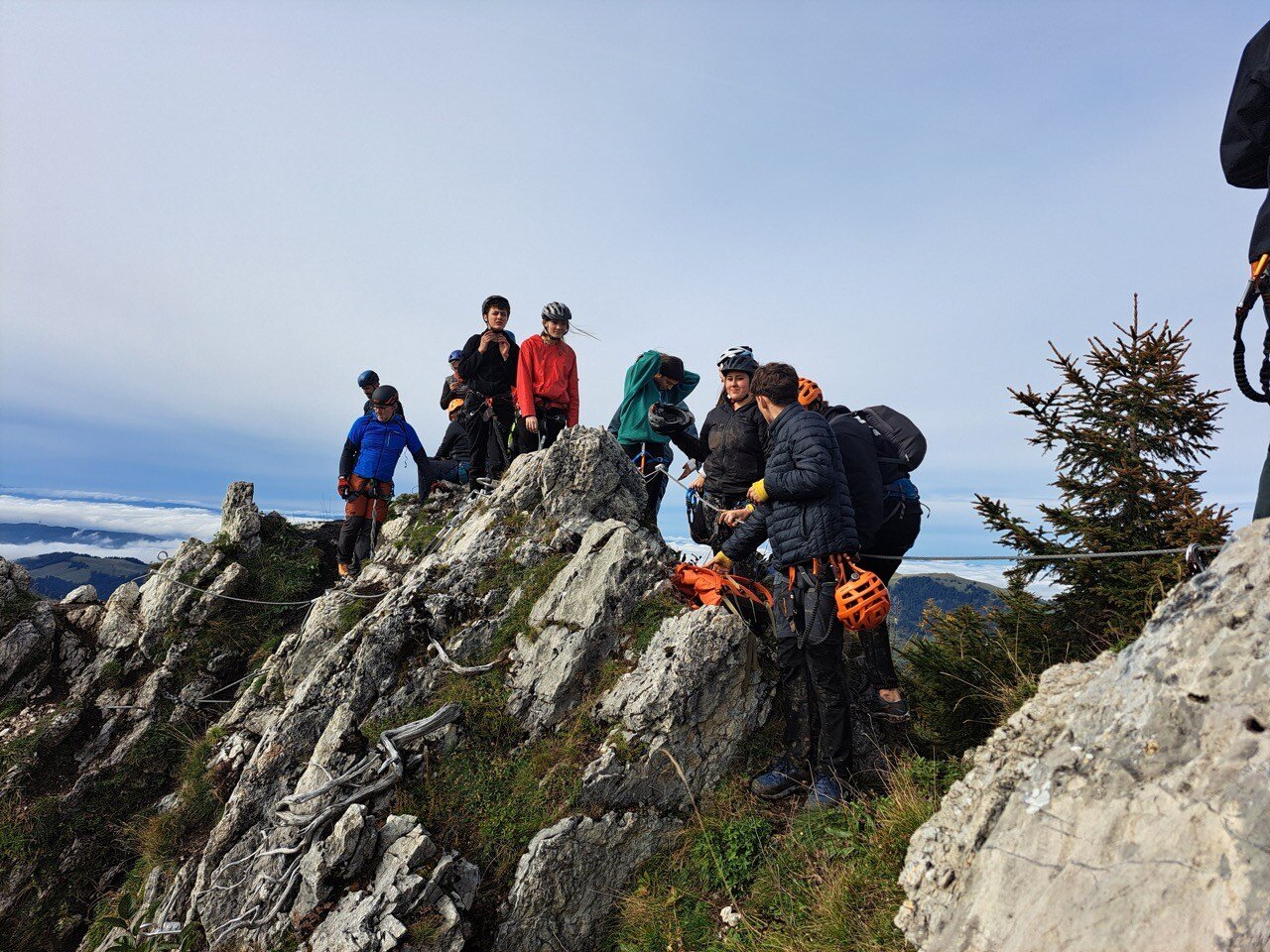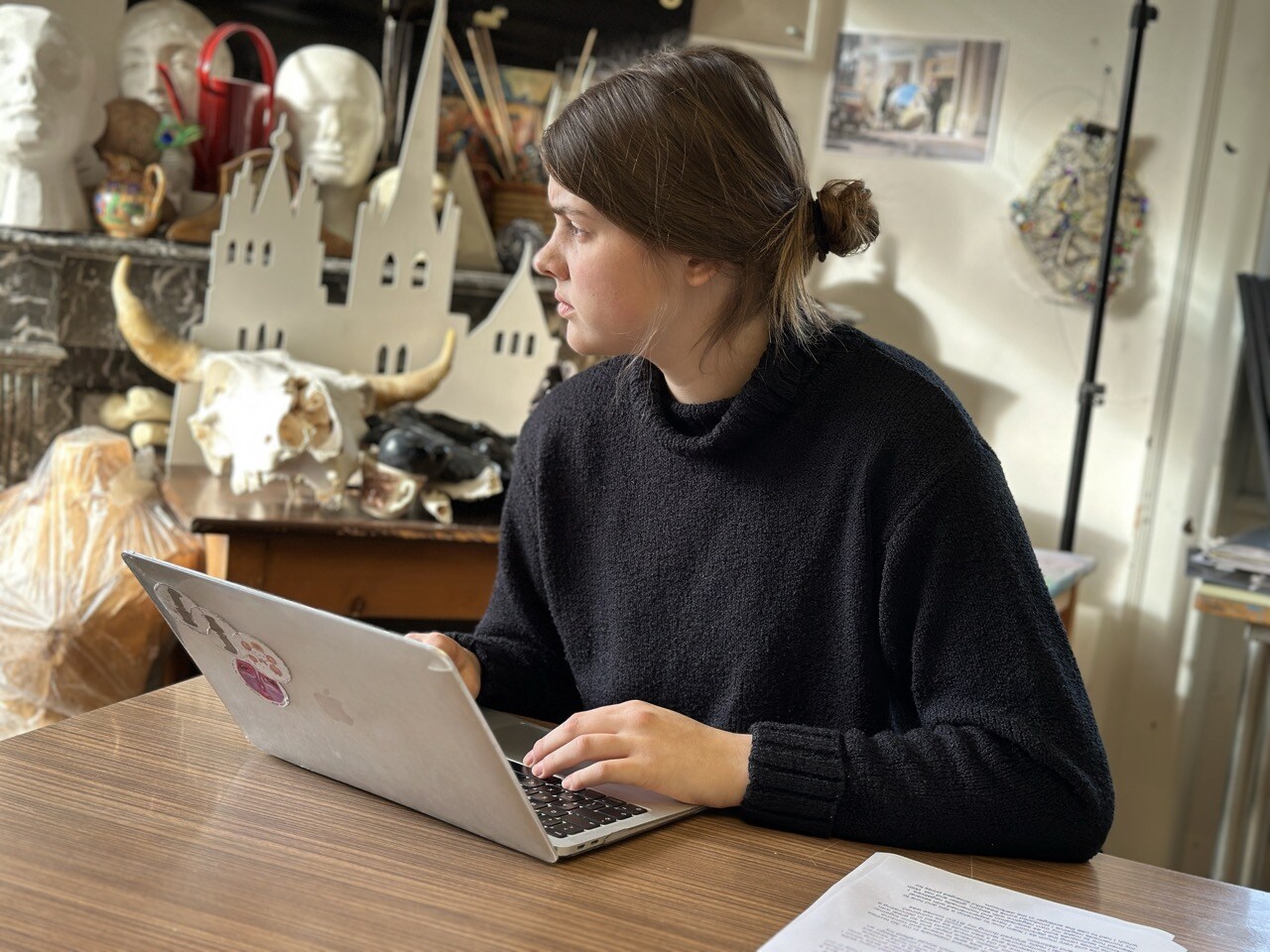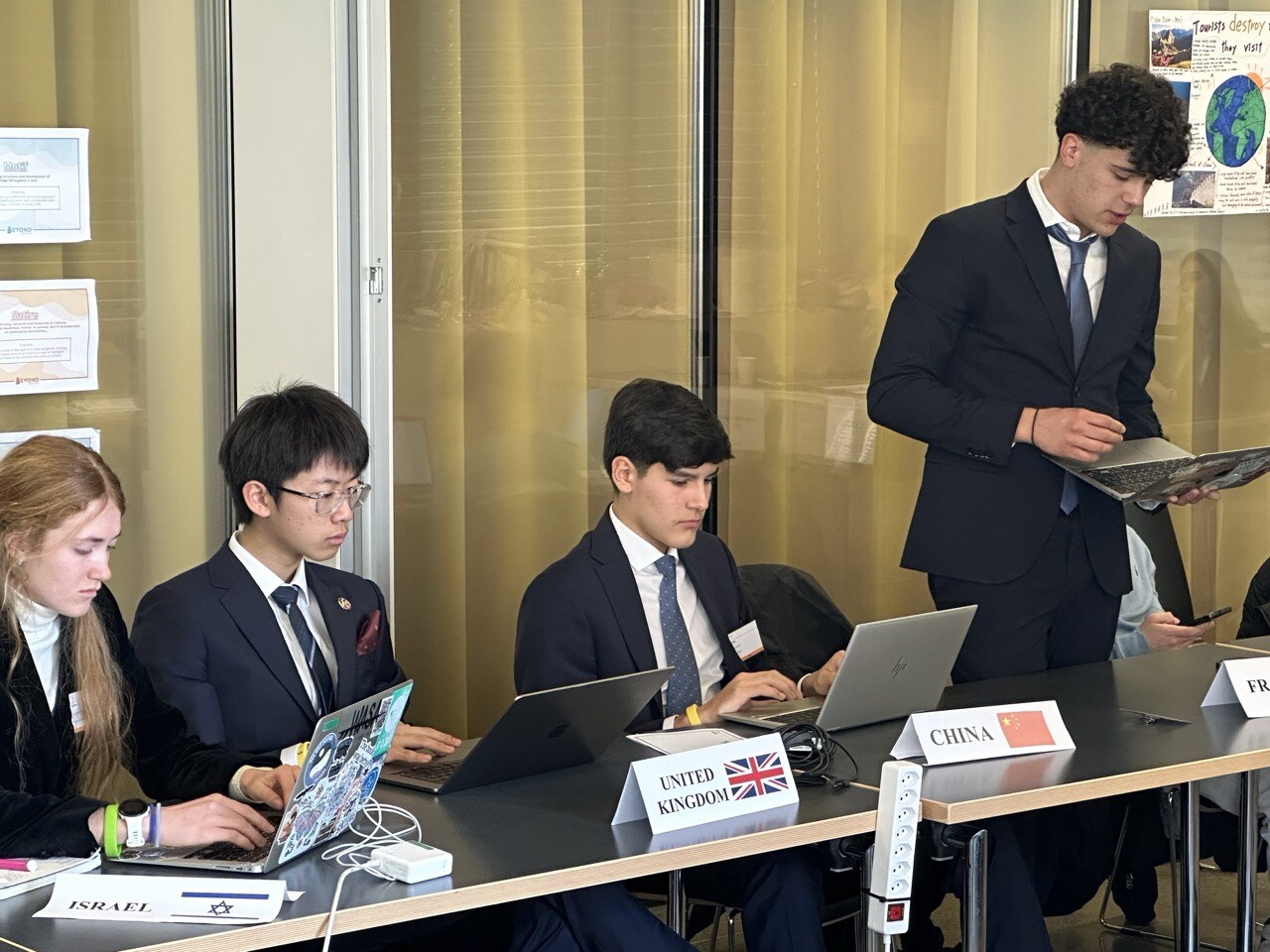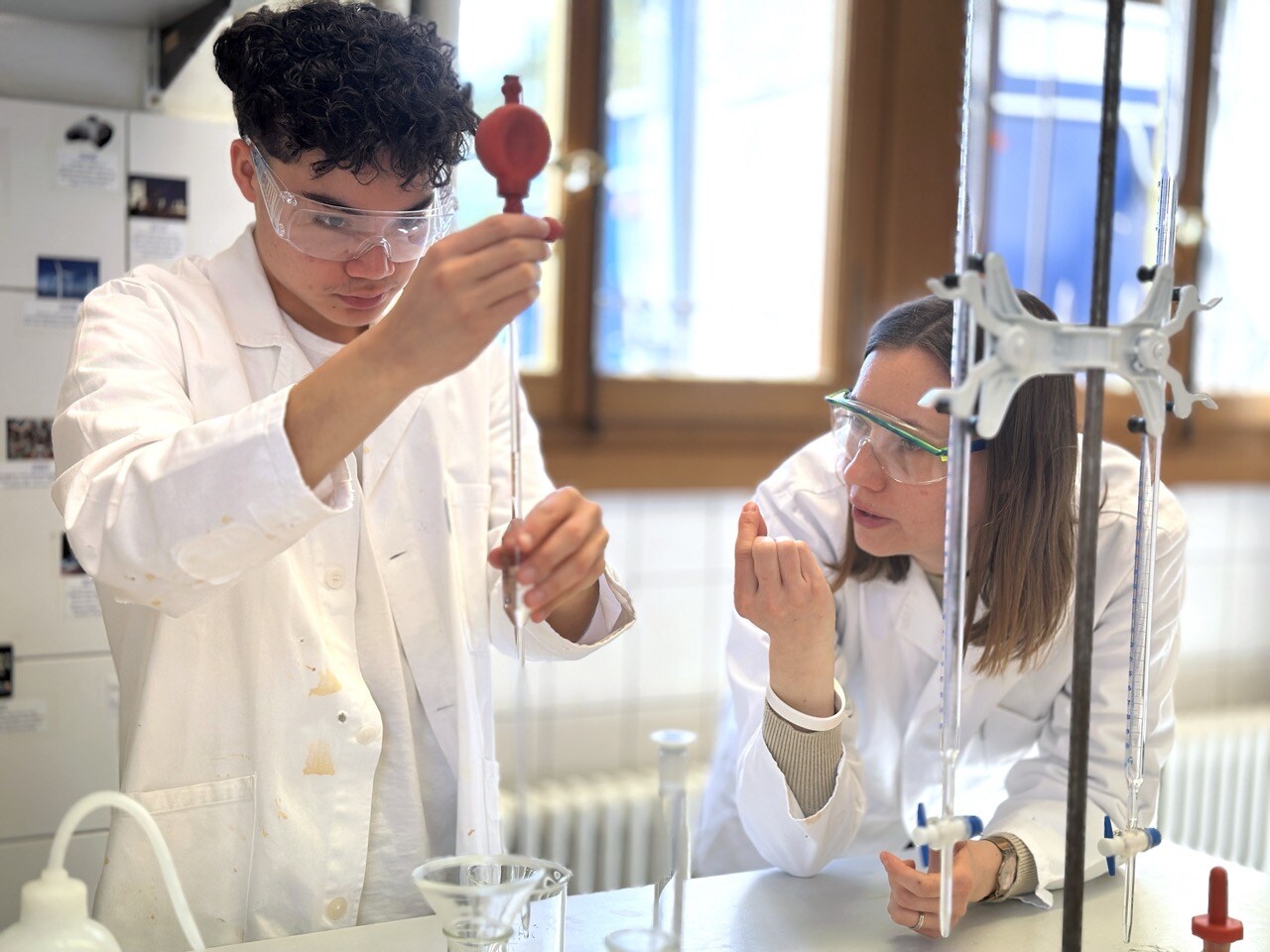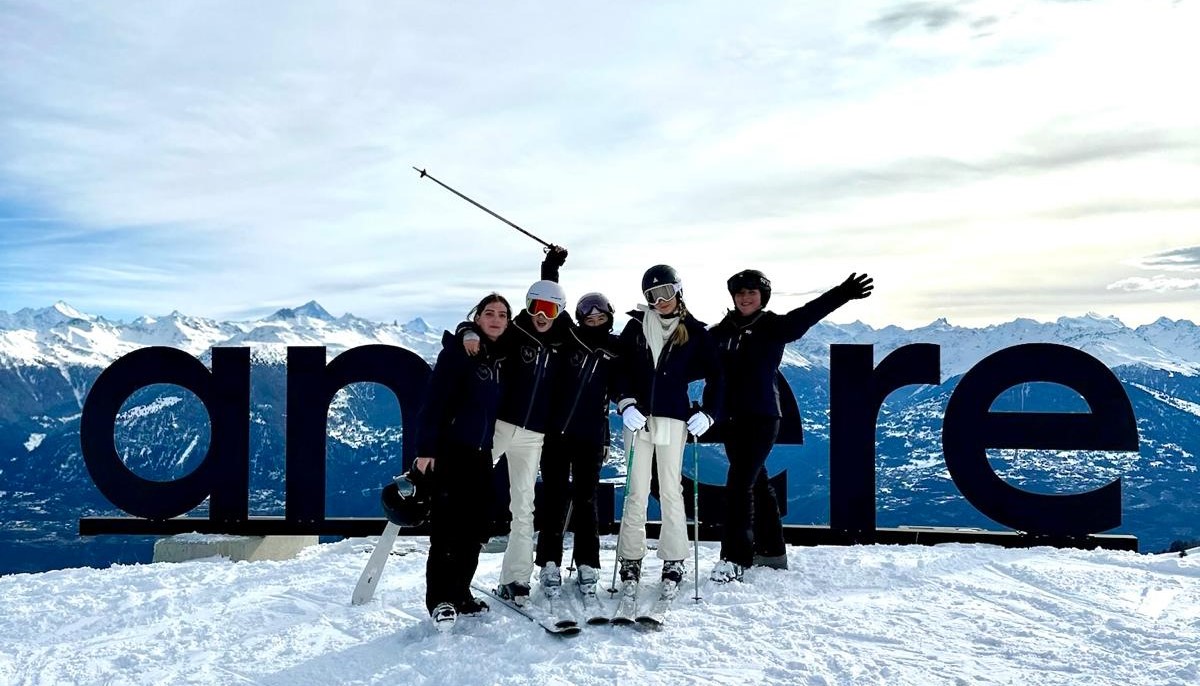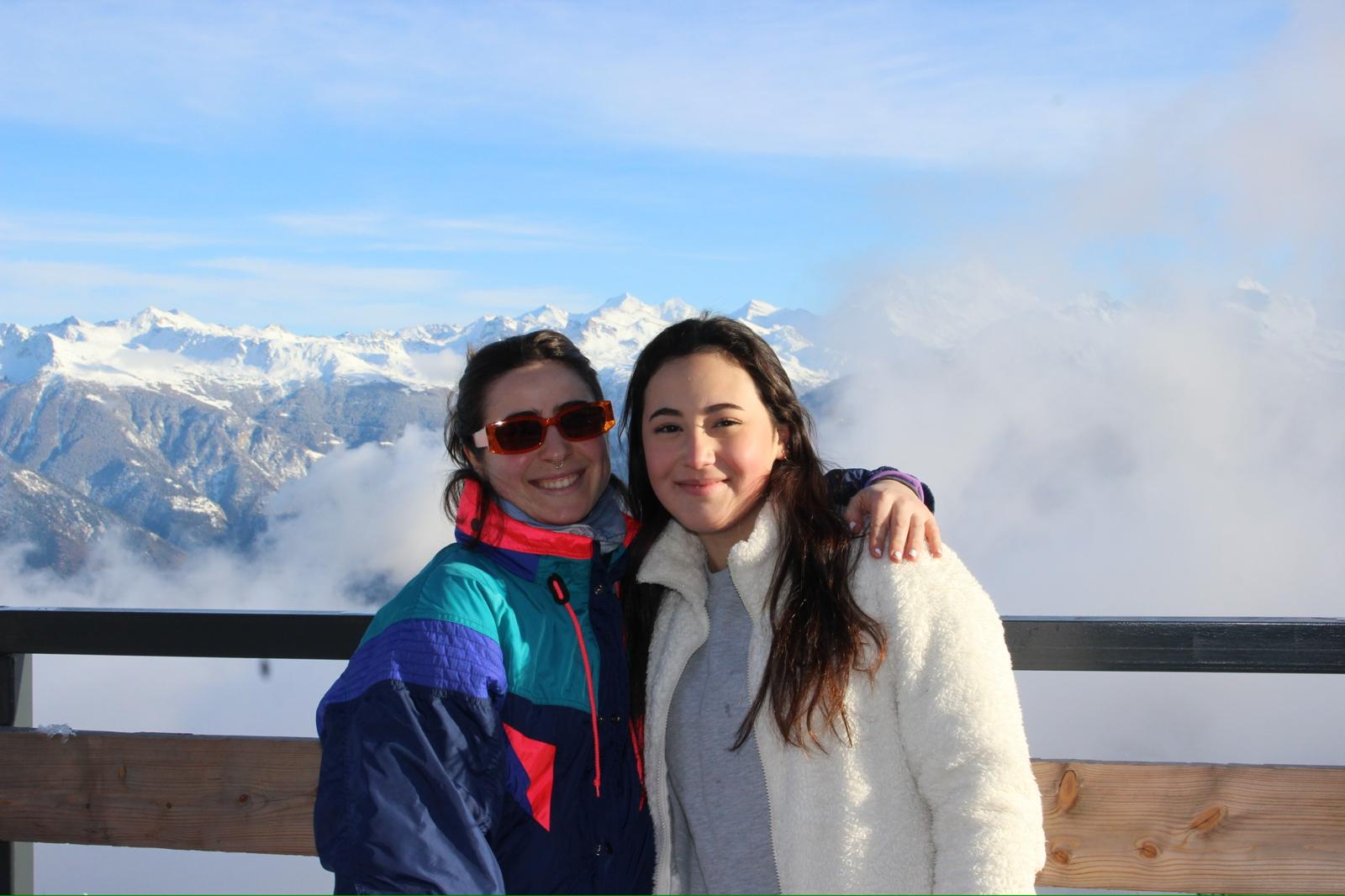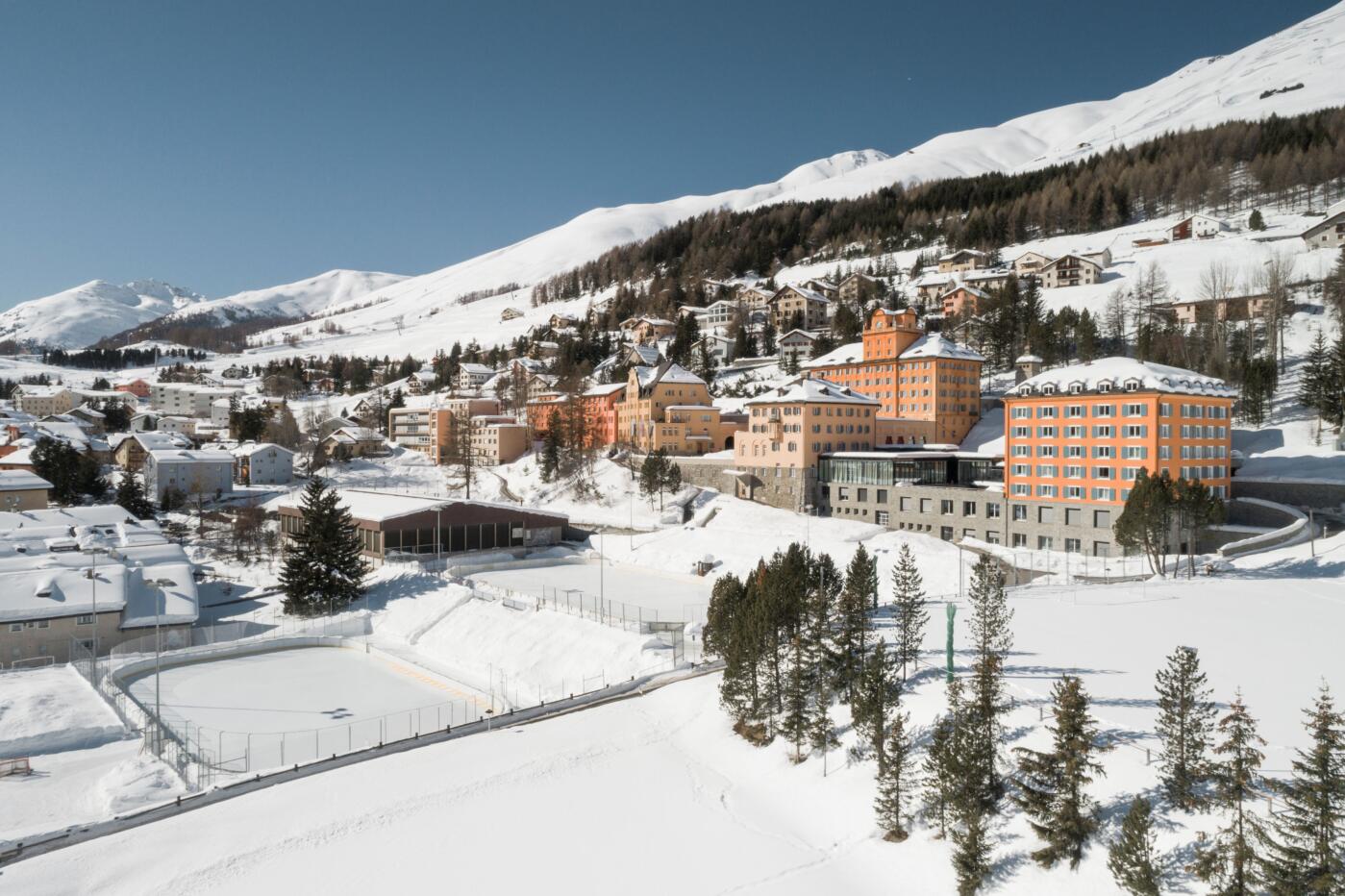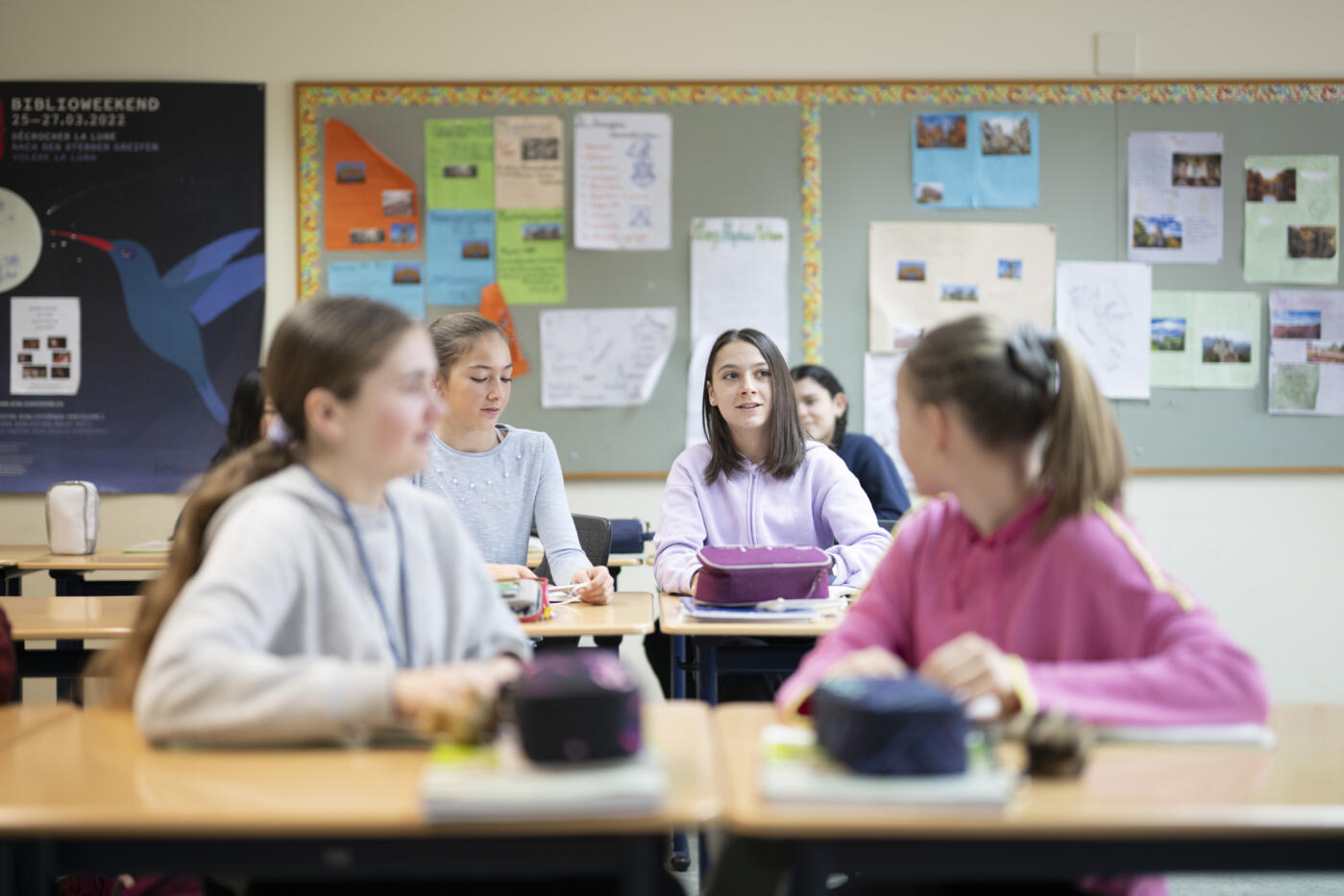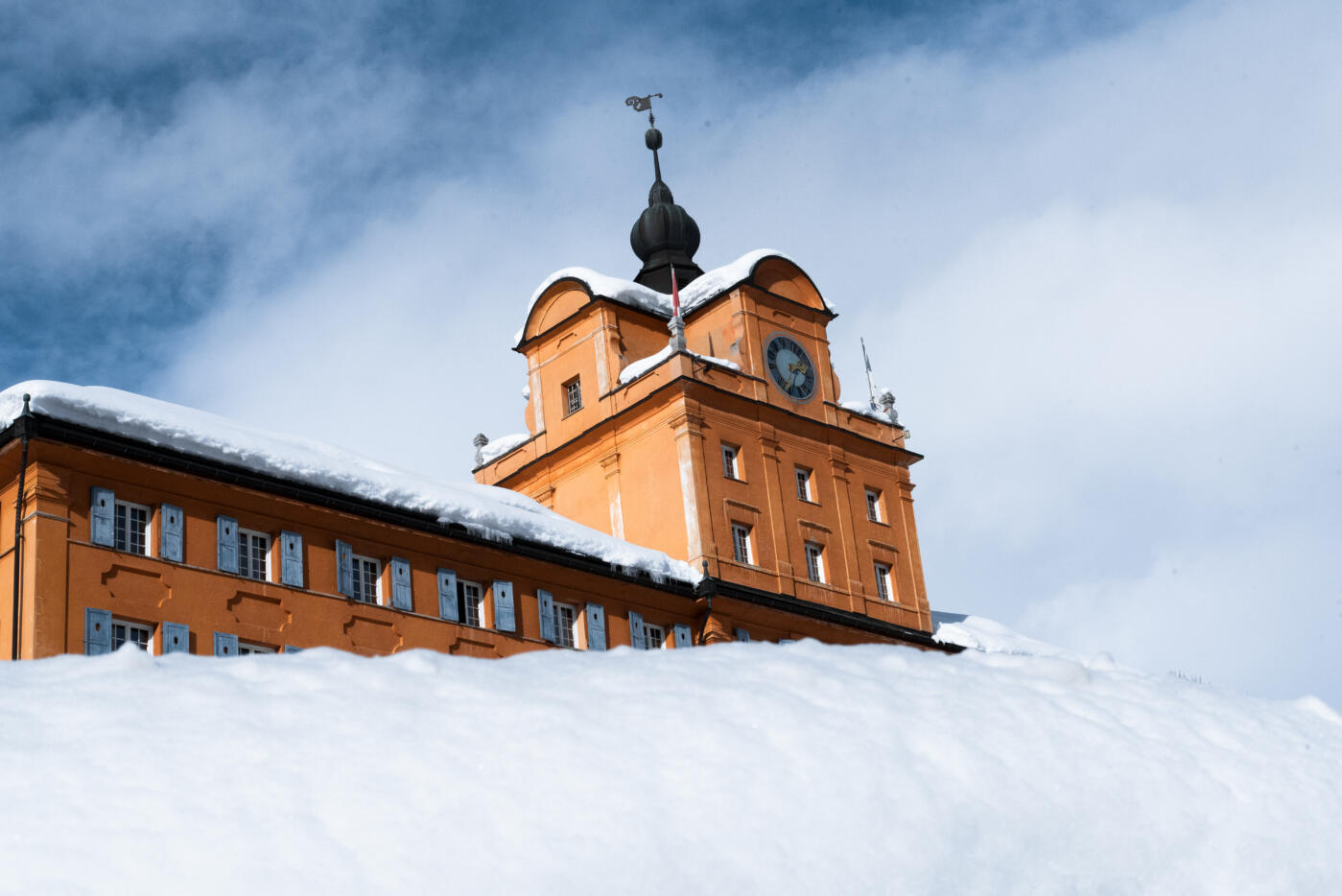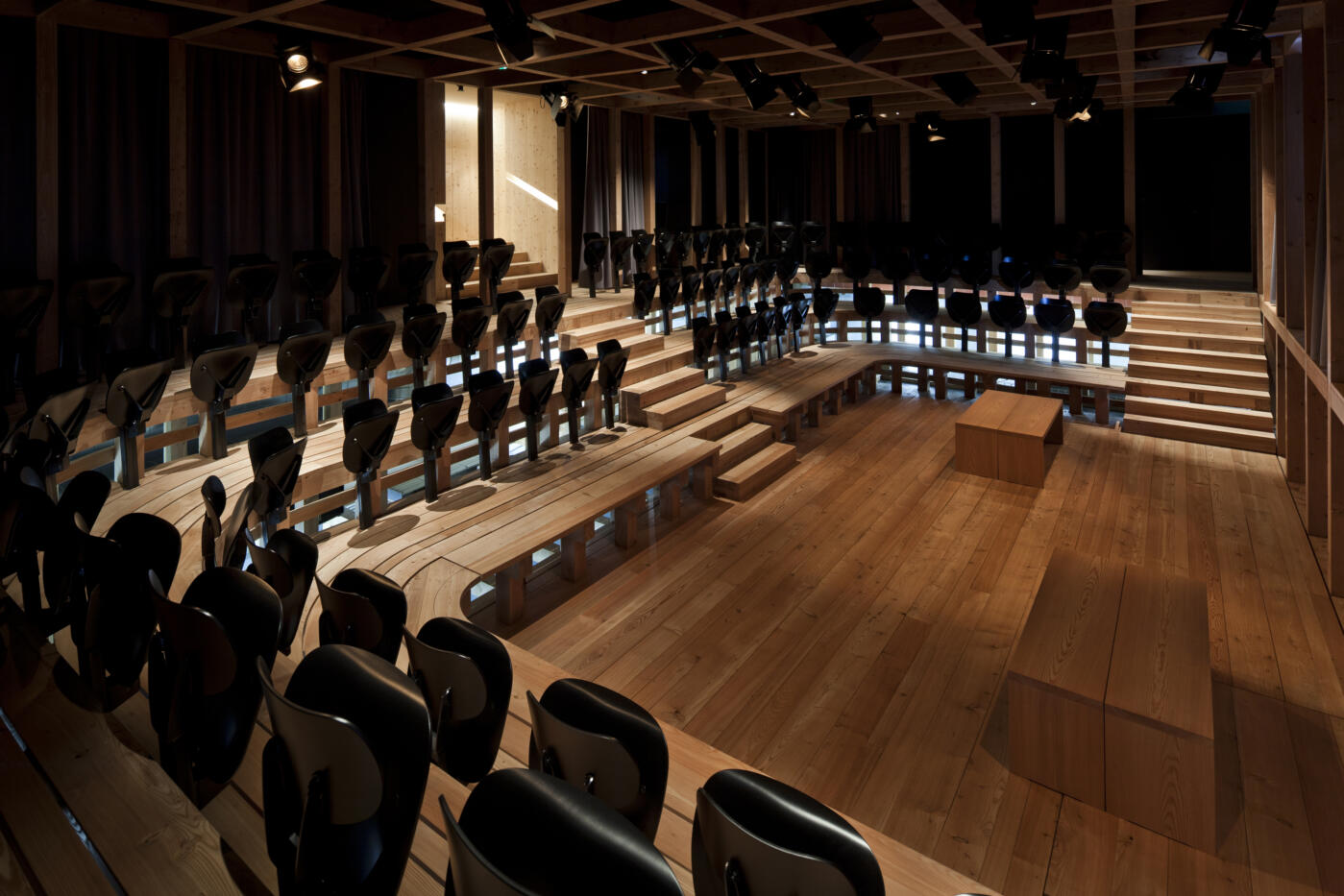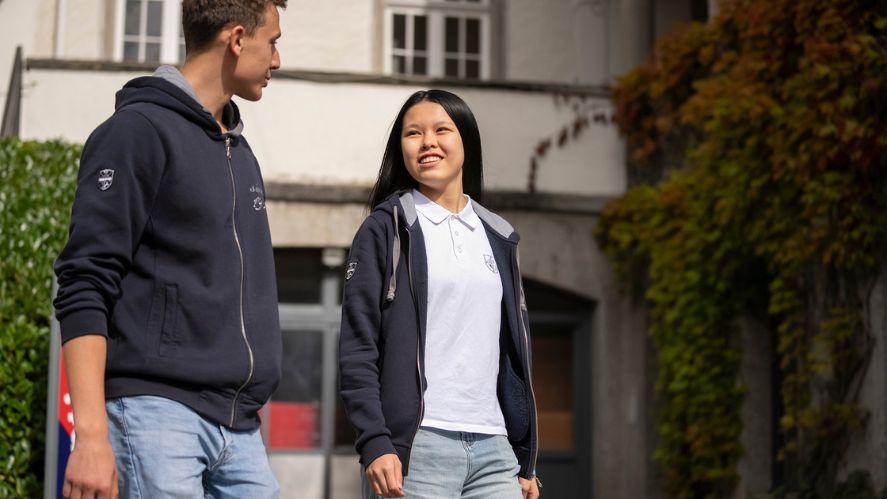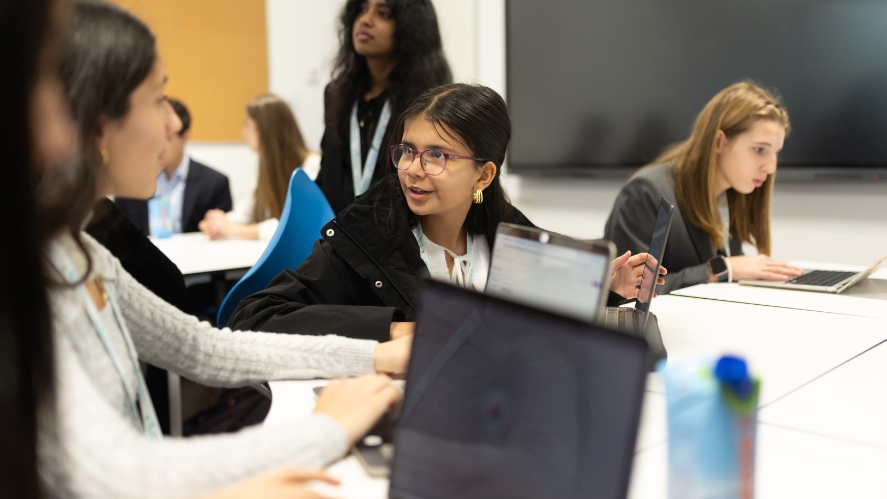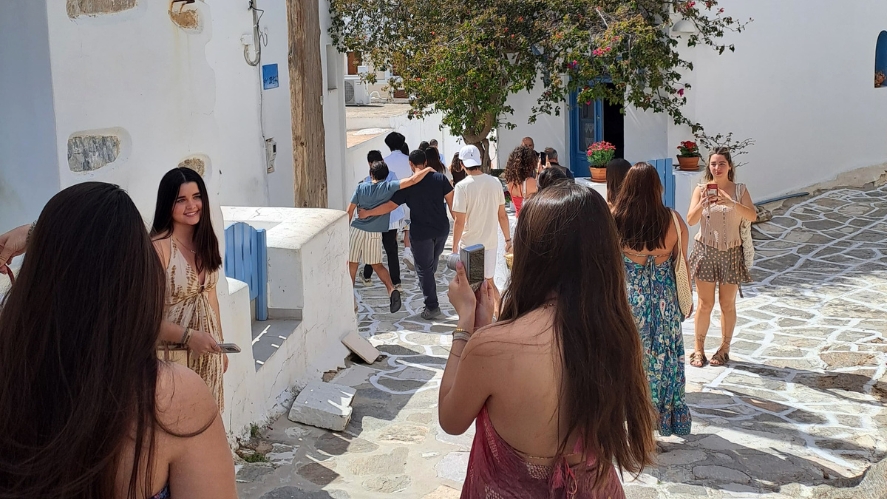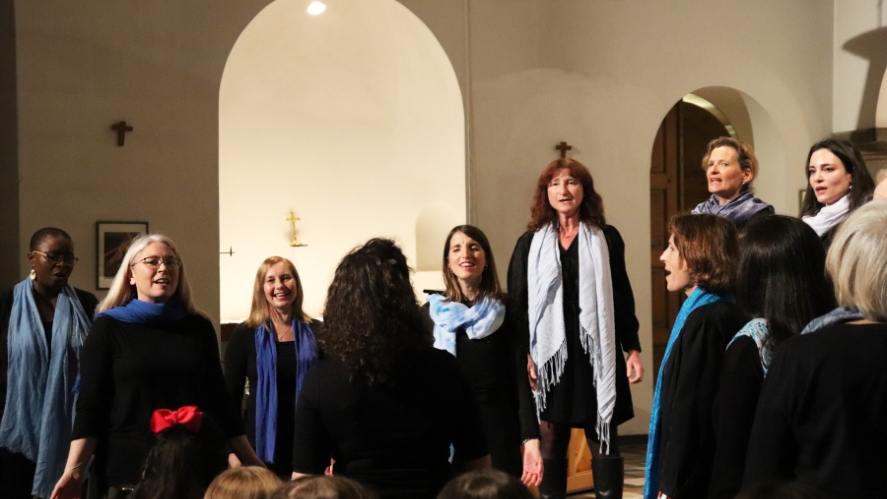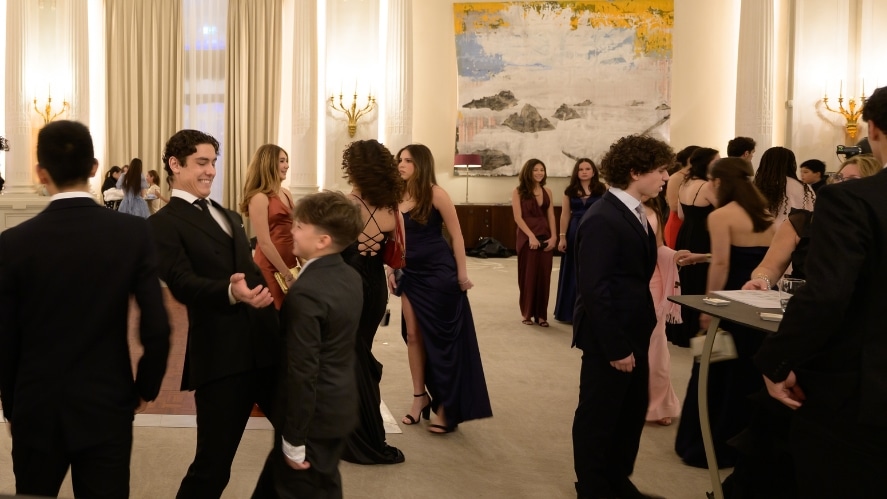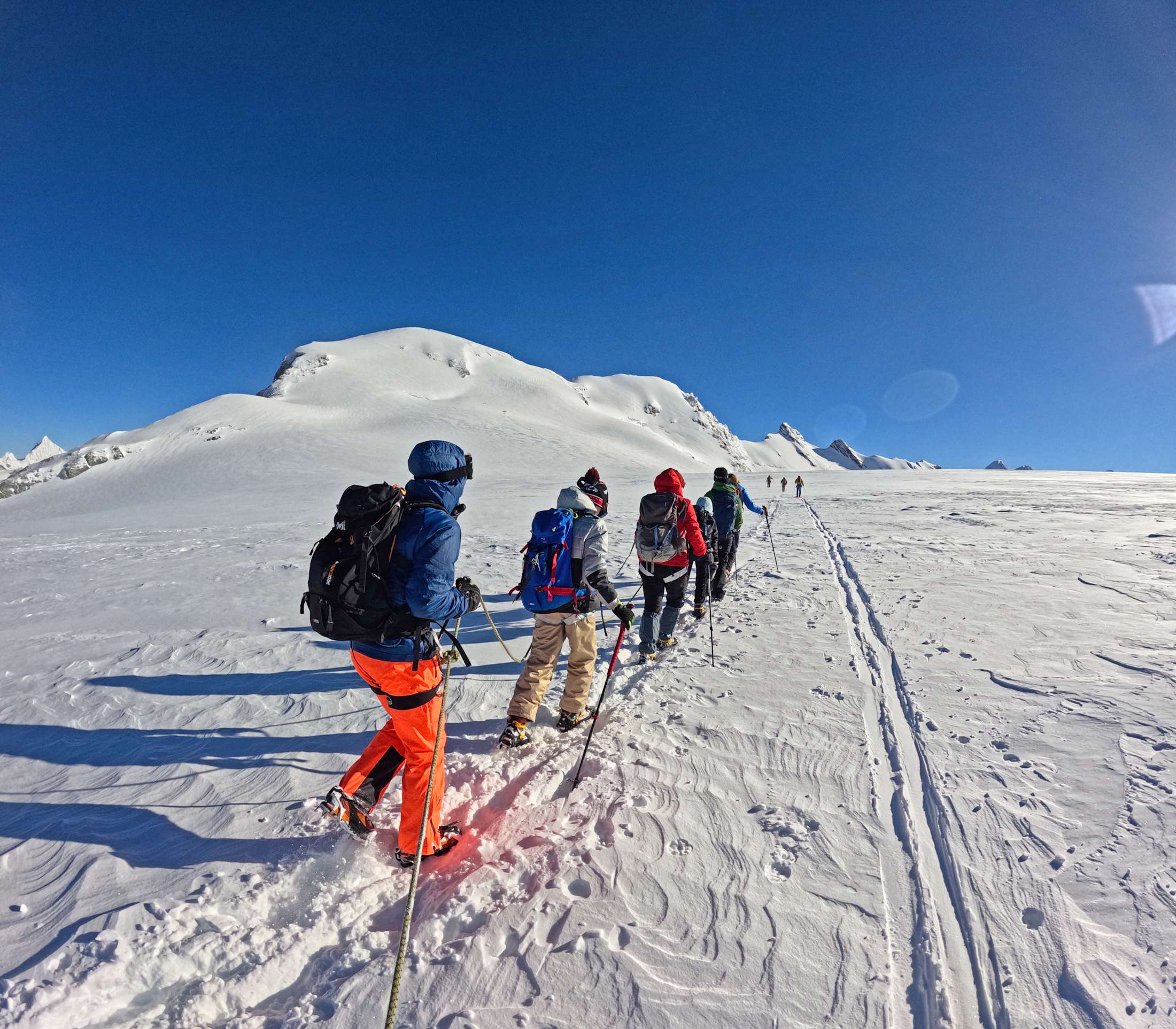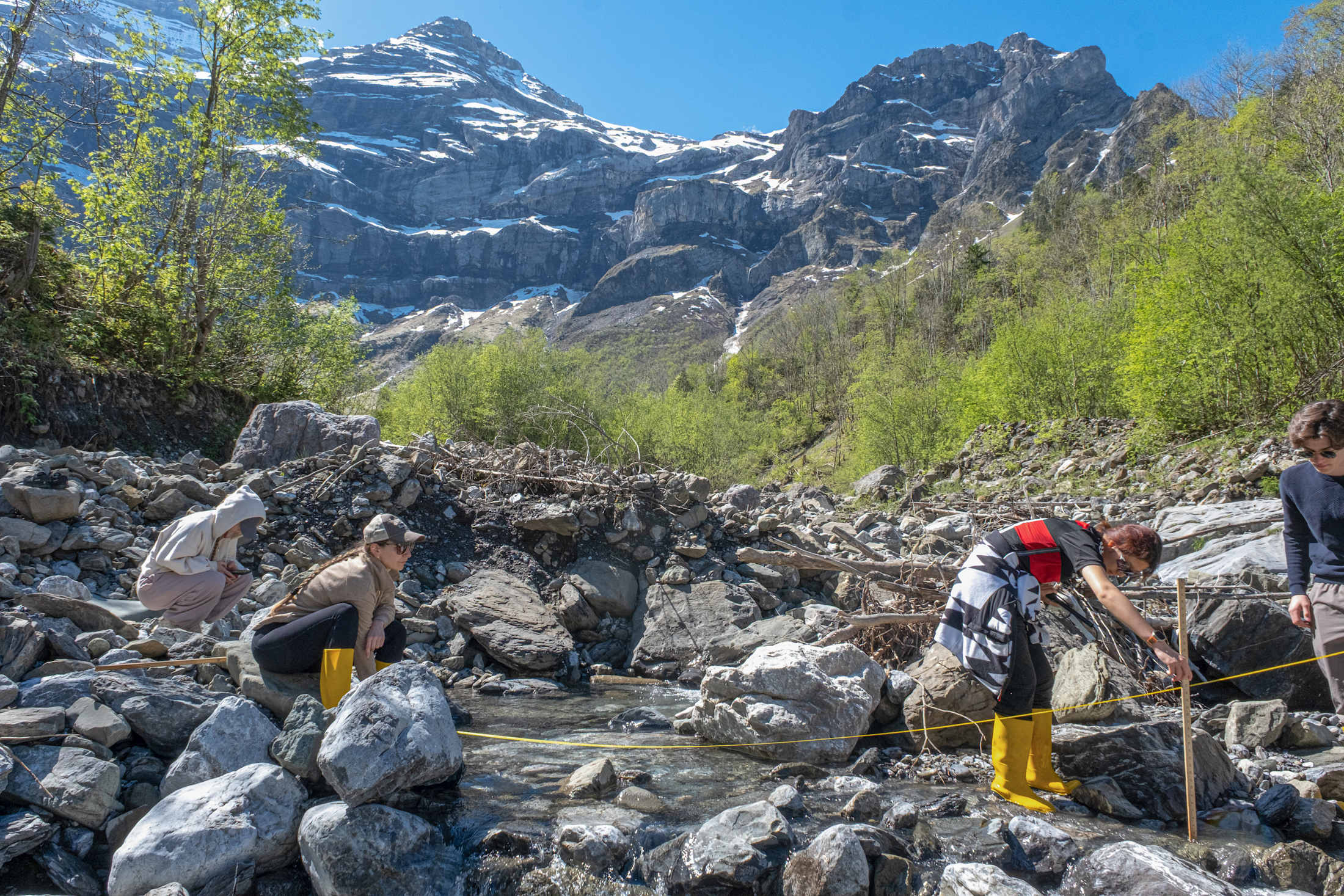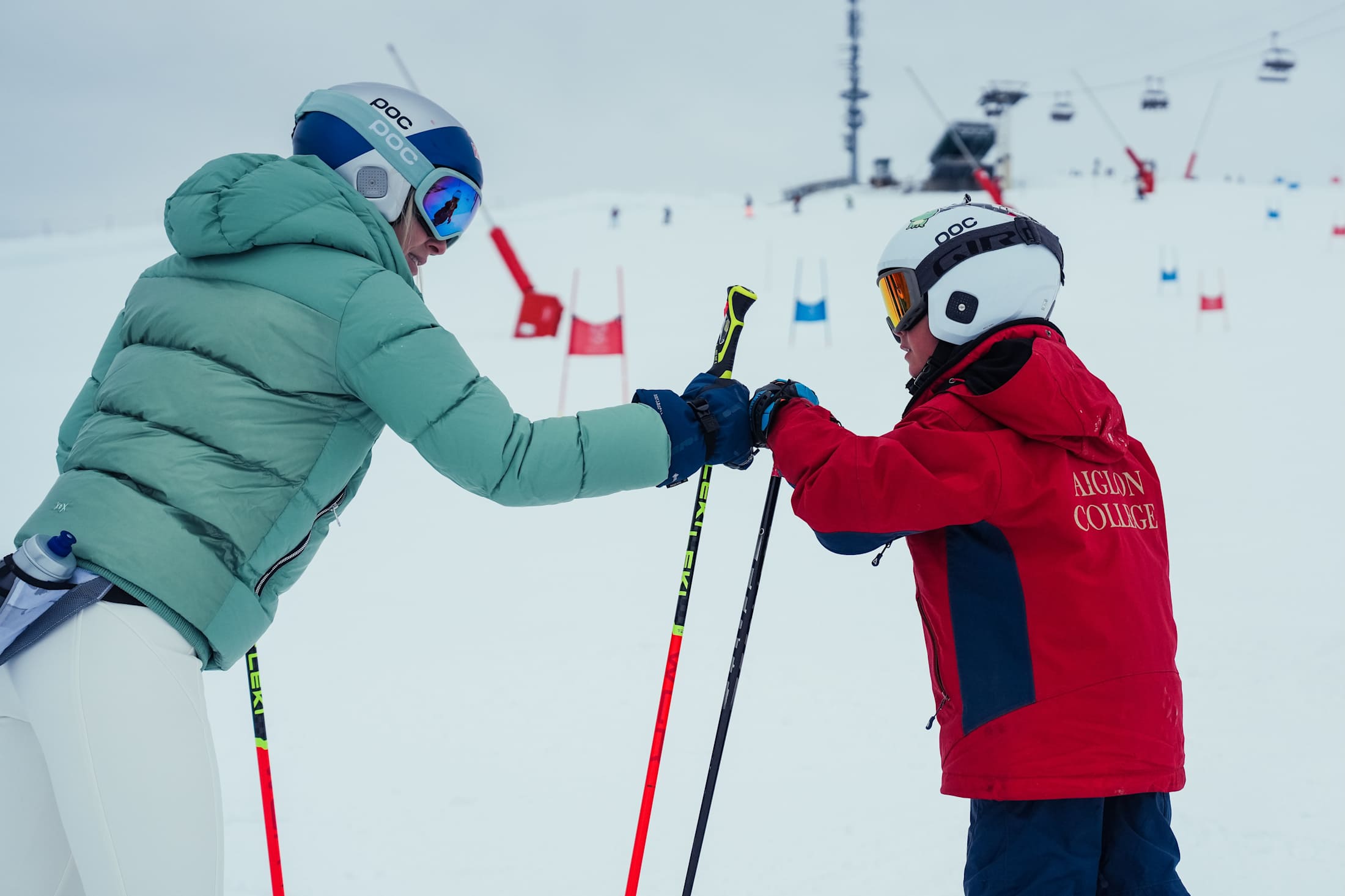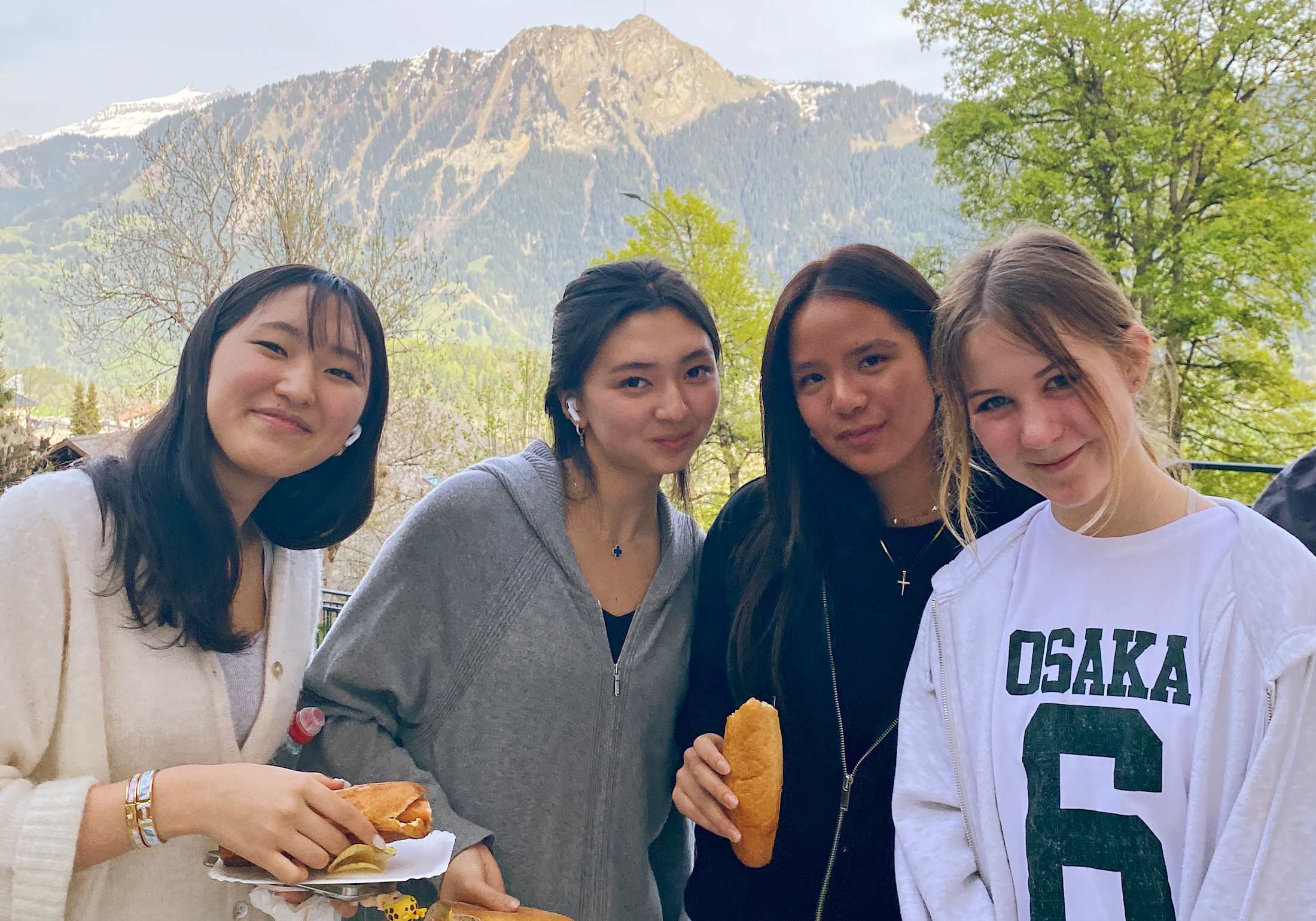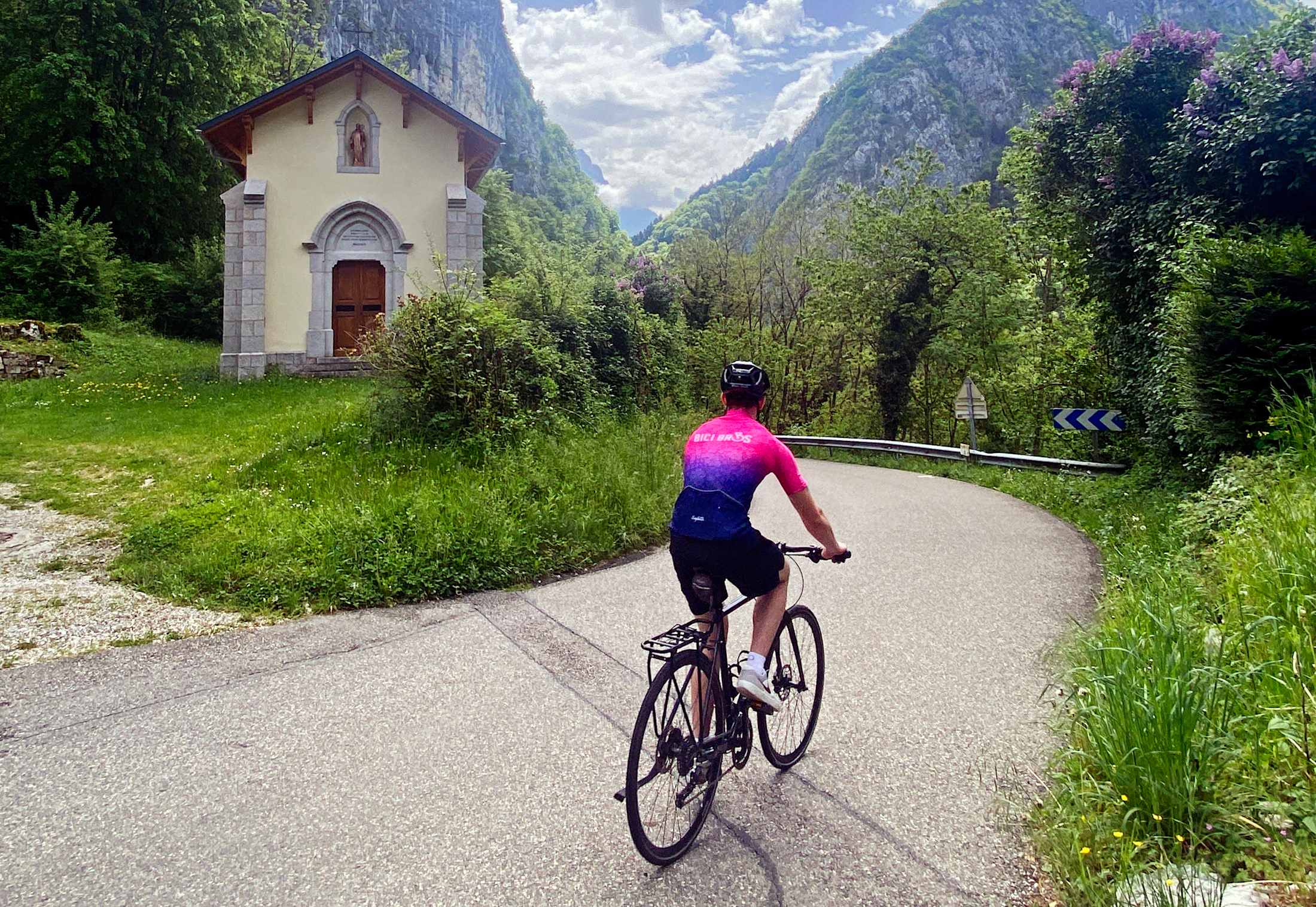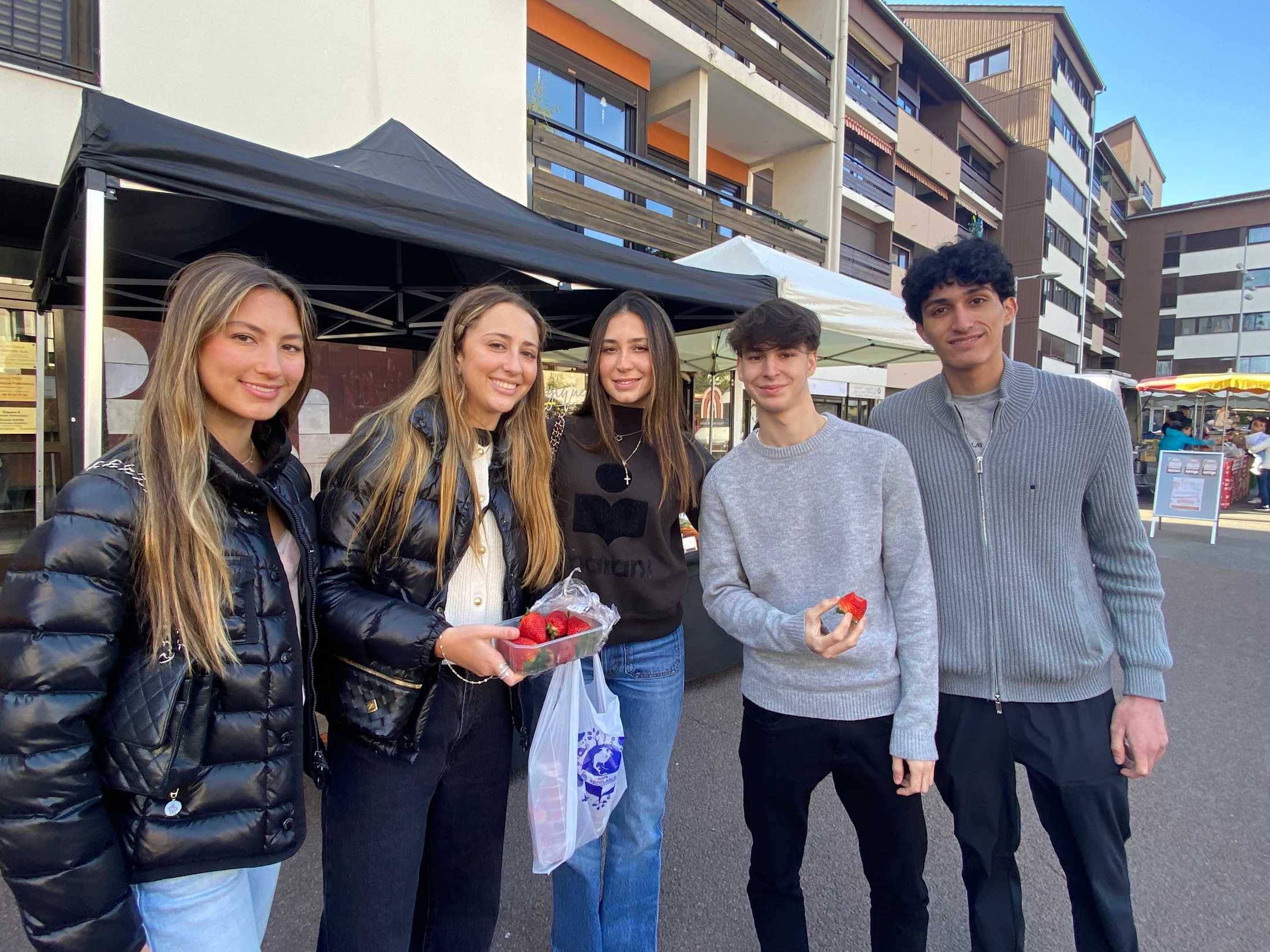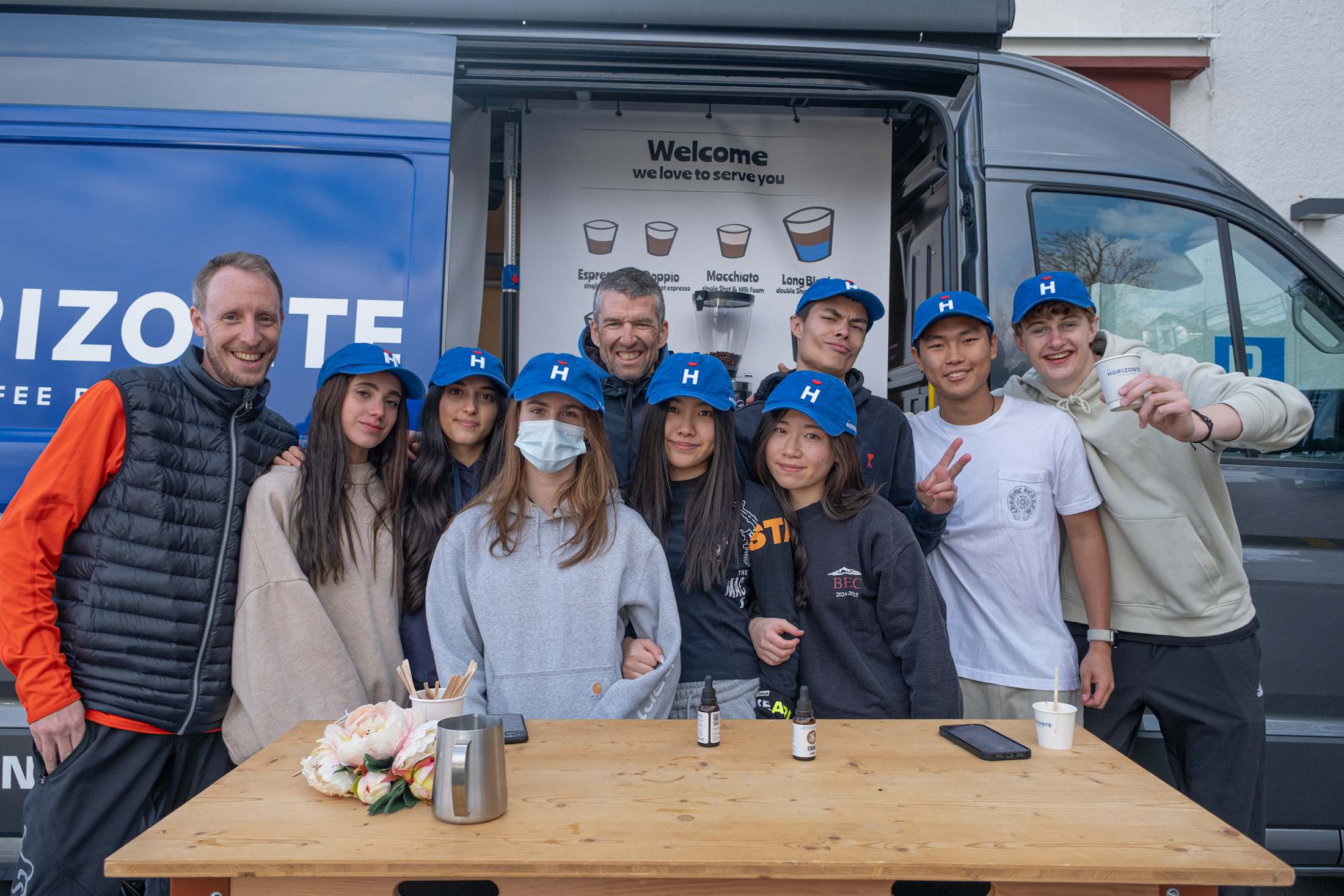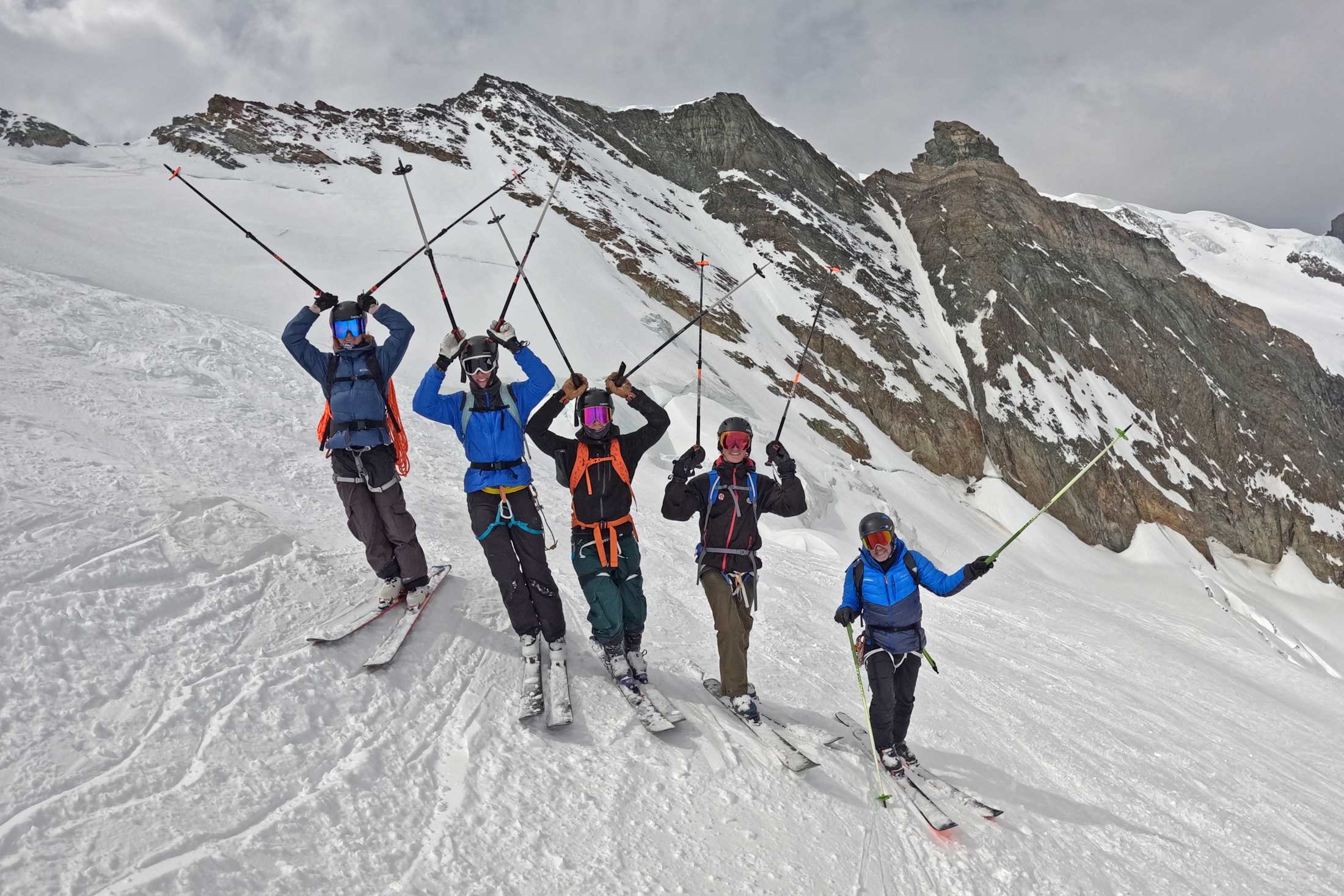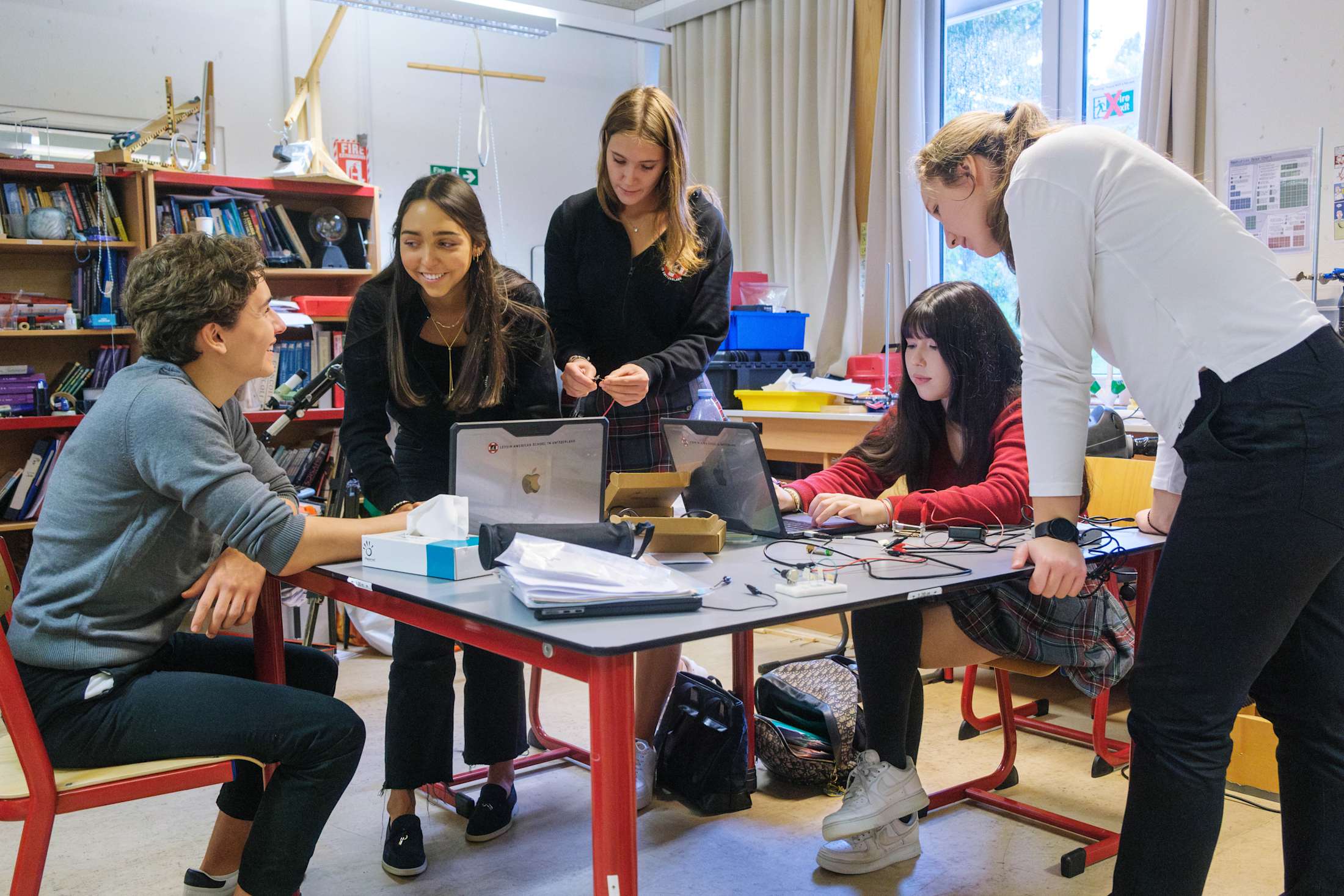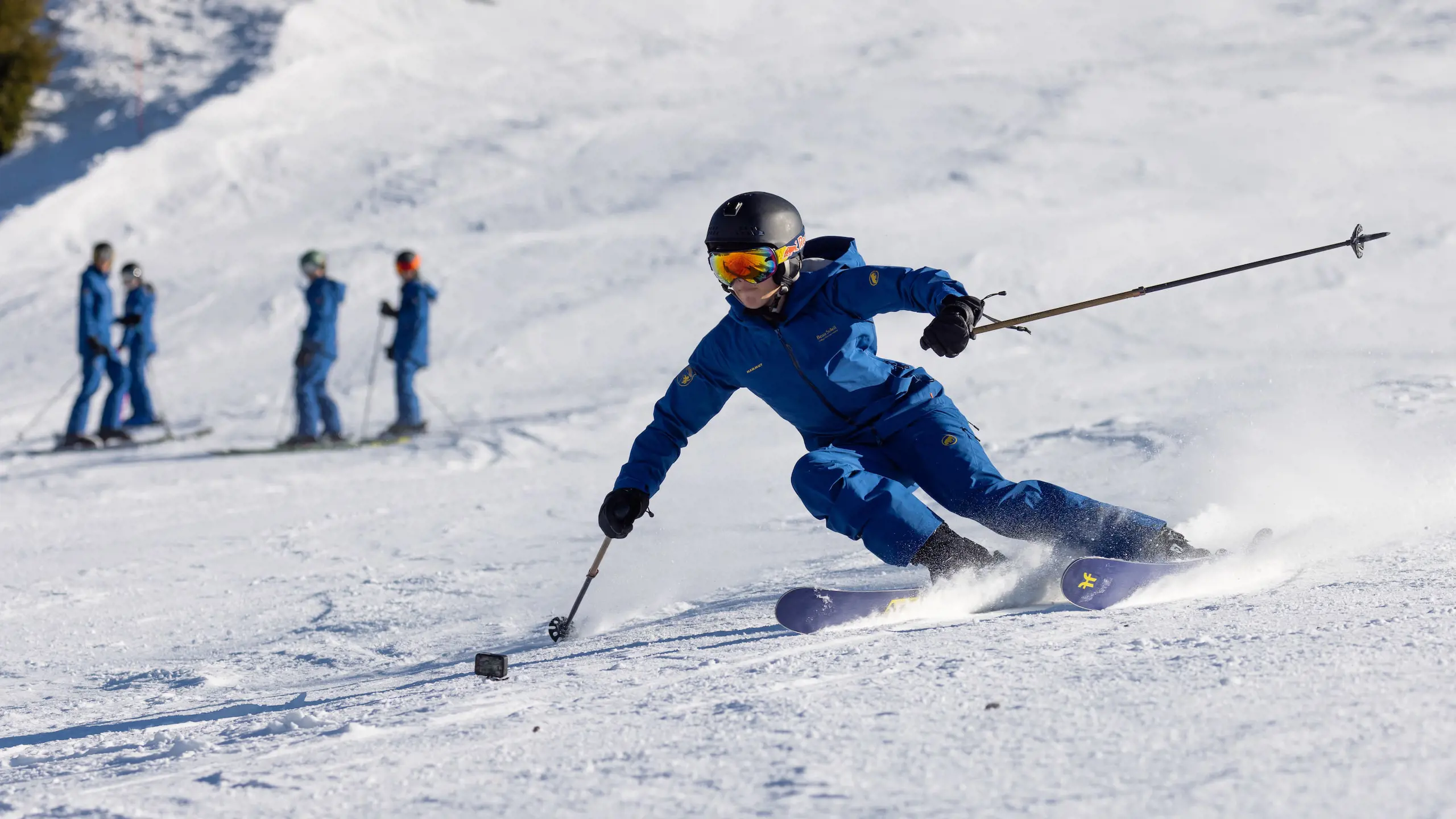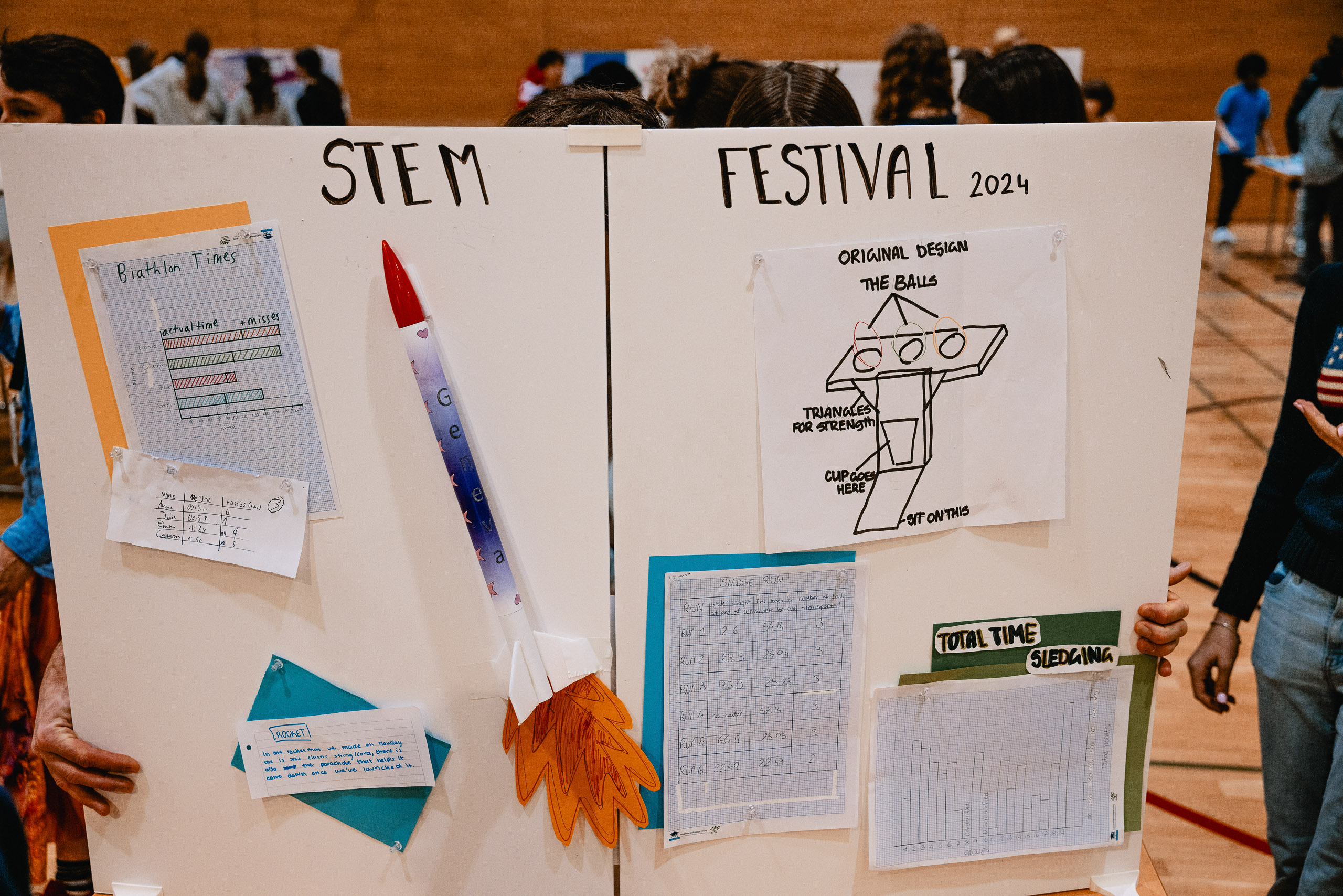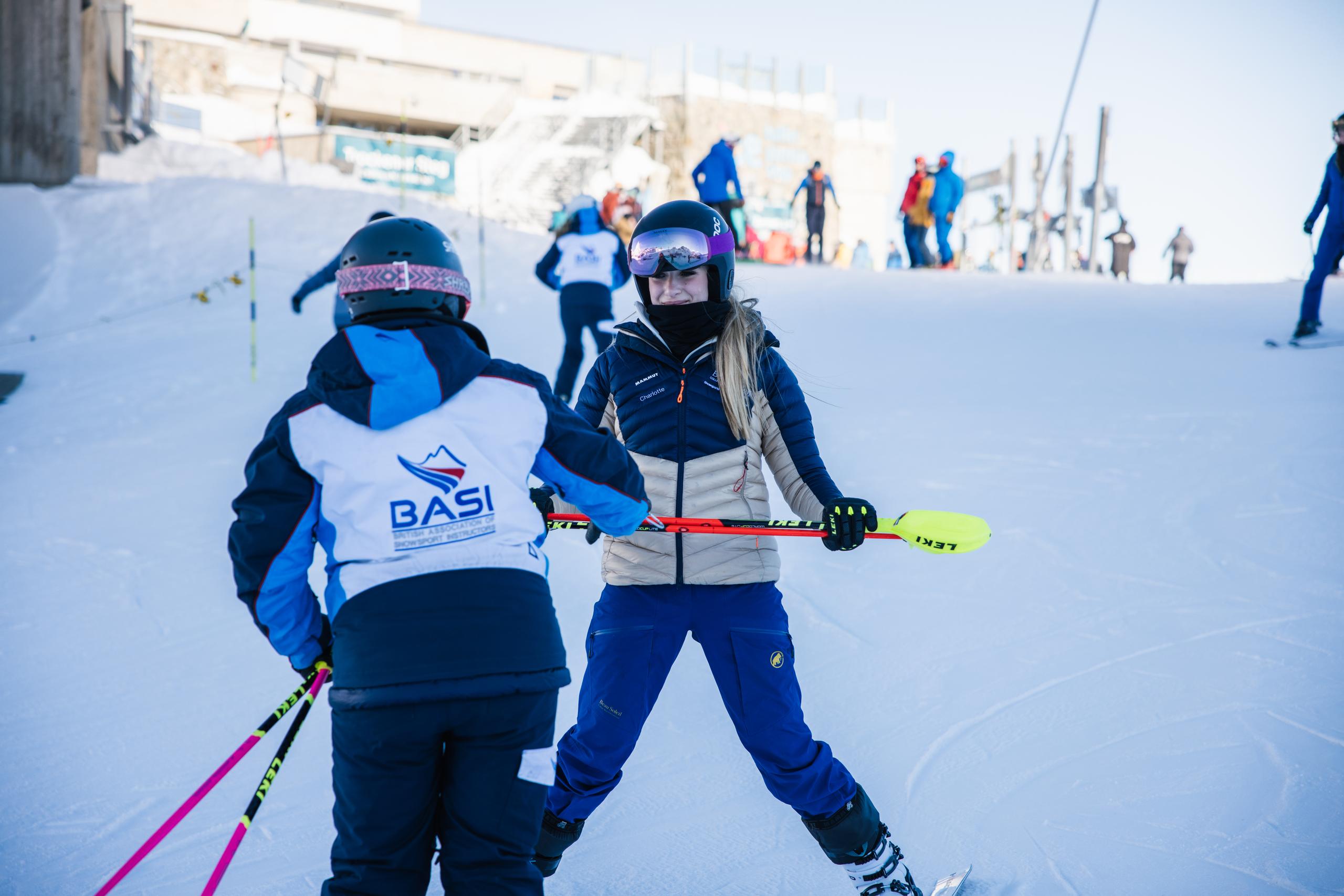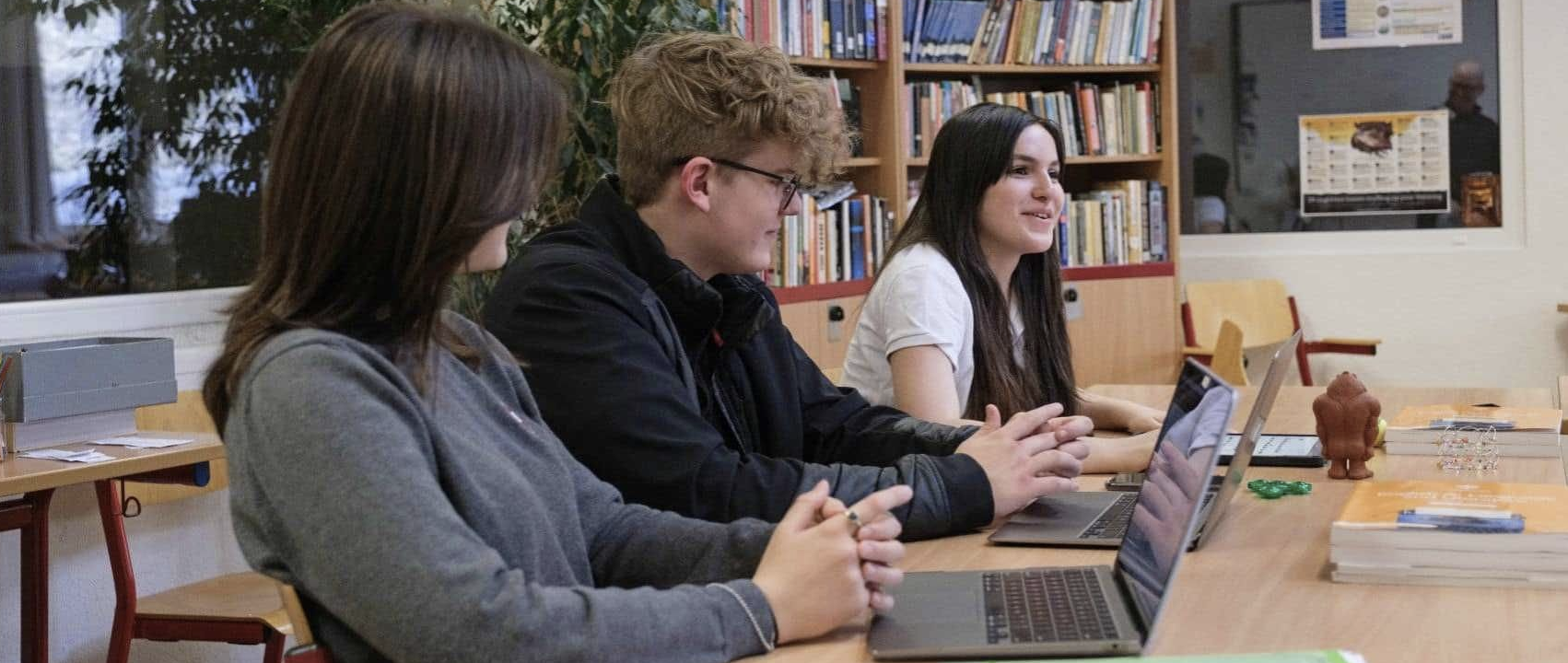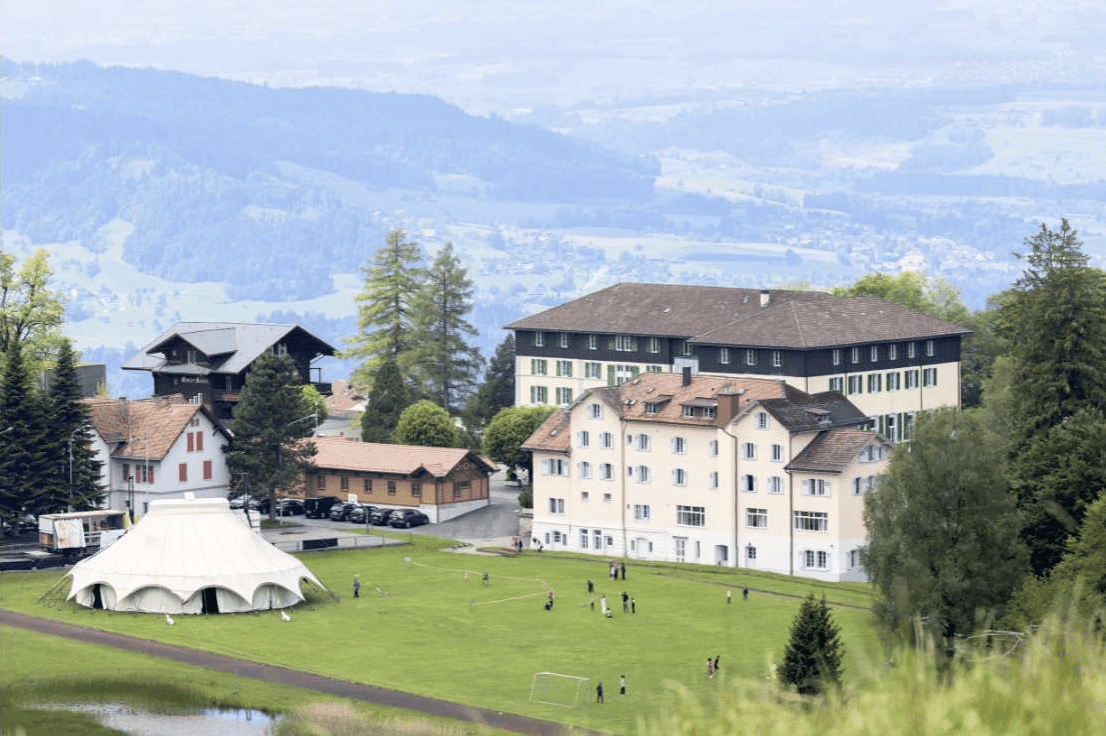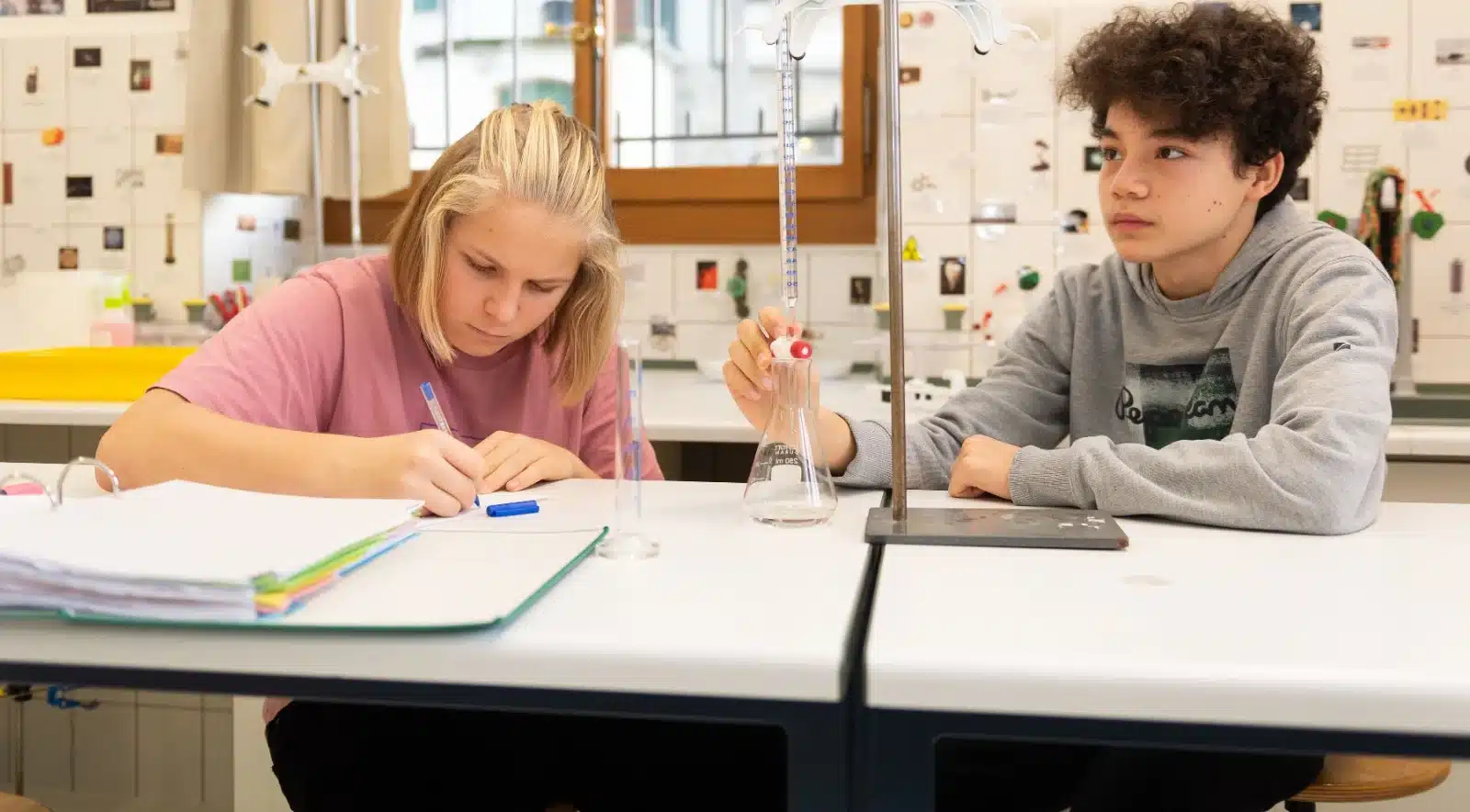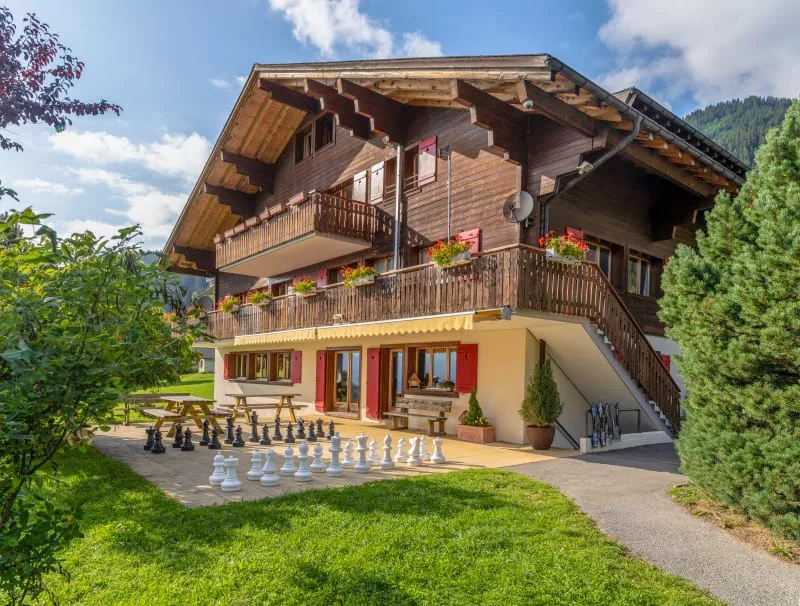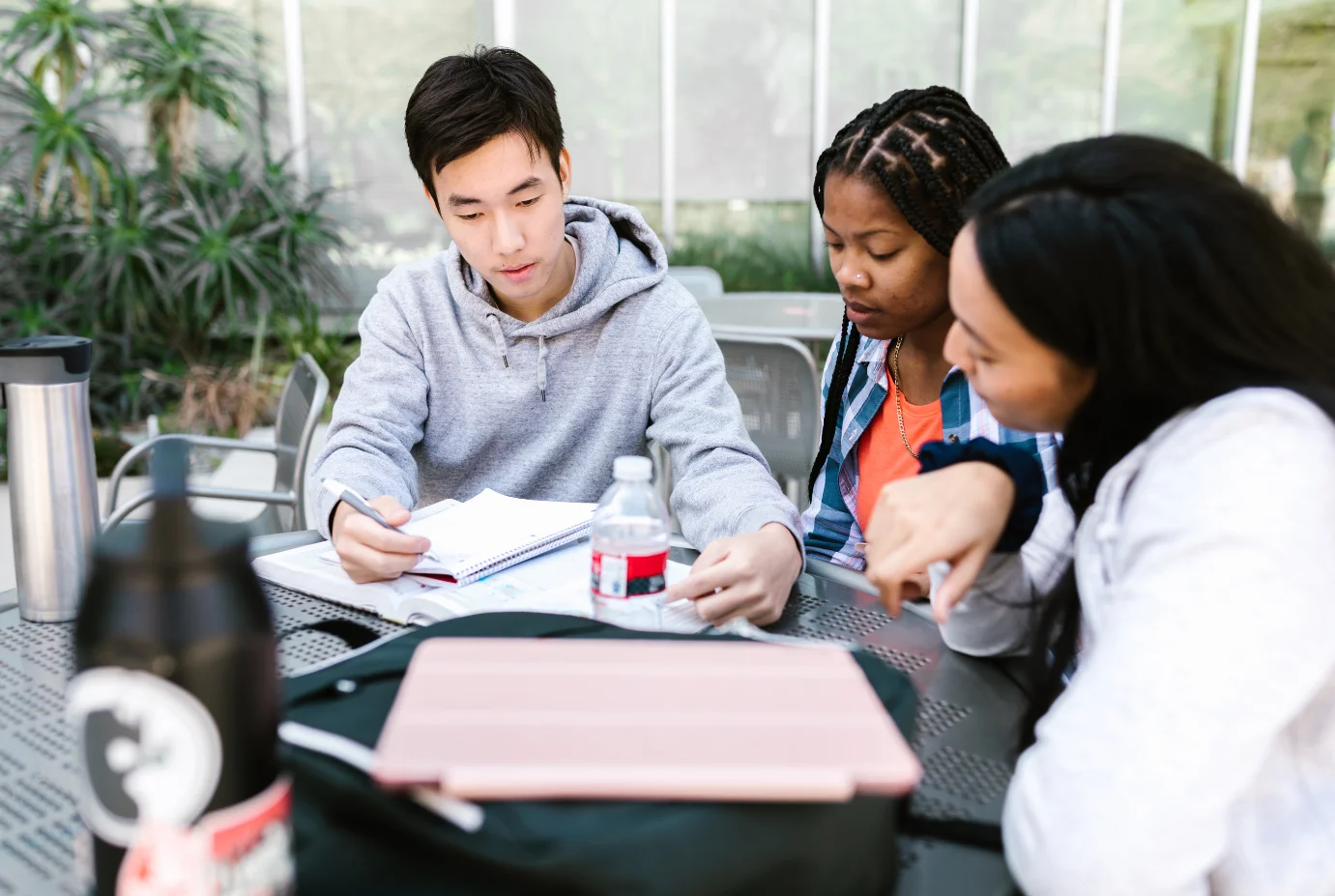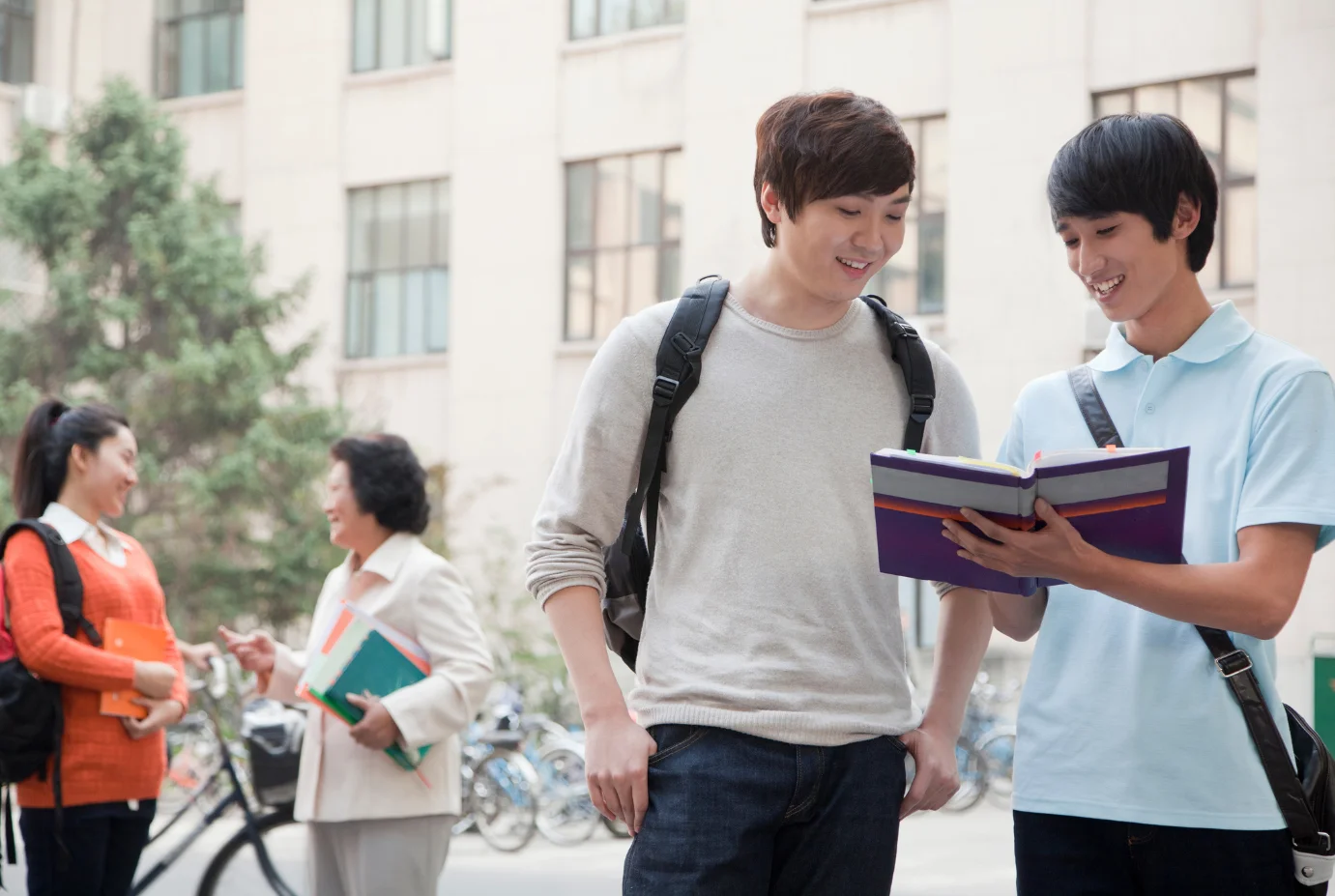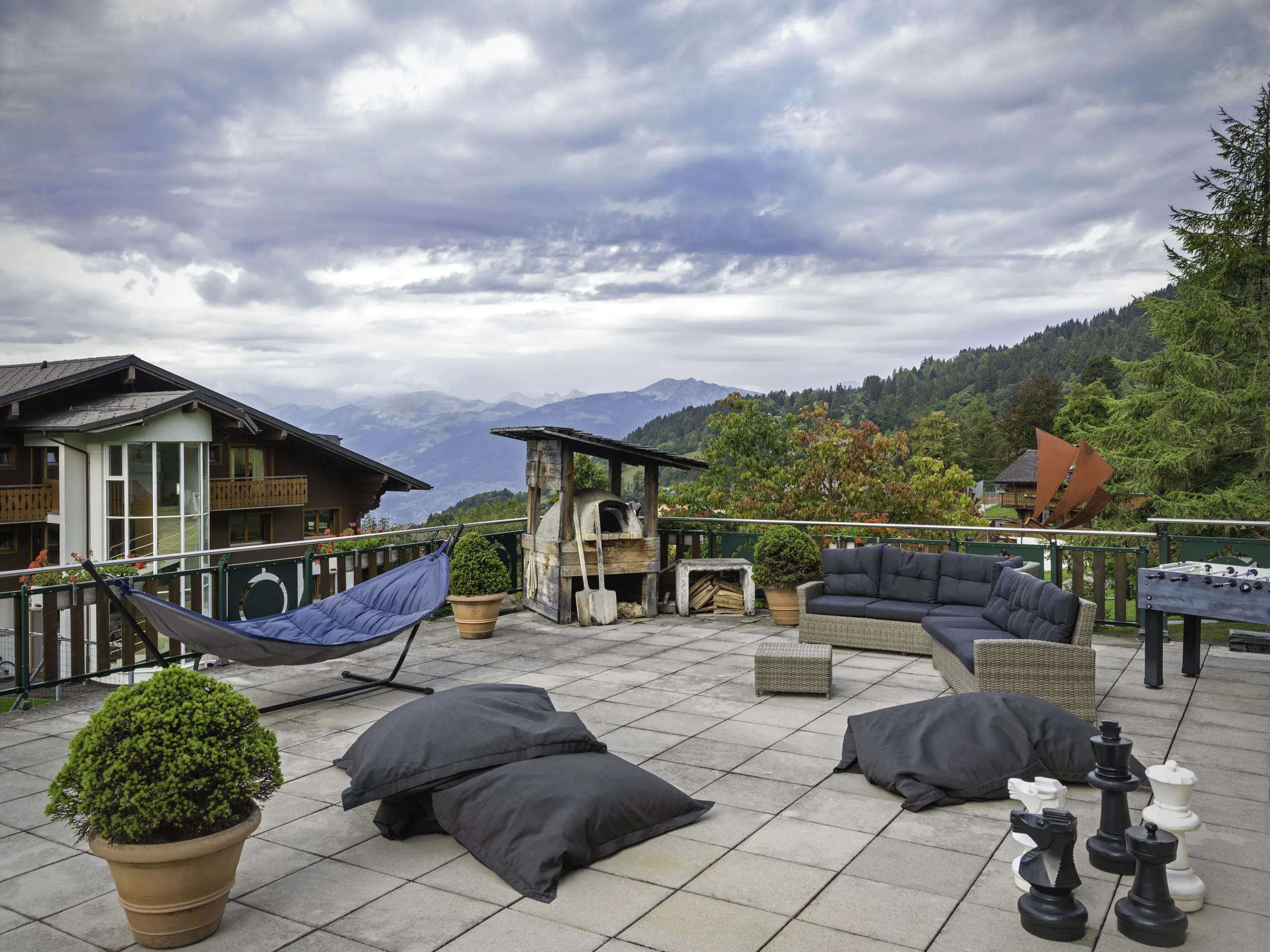
The Gstaad term at Le Rosey follows a distinct academic rhythm, shaped by longer class periods and close contact with the surrounding environment. This approach transforms the winter landscape into a dynamic classroom, where students engage with their curriculum through direct interaction with nature. The educational philosophy at Rosey emphasizes experiential learning, recognizing that the Alpine setting provides unparalleled opportunities for interdisciplinary study. During this term, traditional classroom boundaries dissolve as students explore subjects through the lens of their immediate surroundings. The extended class periods allow for deeper immersion in topics, whether studying physics through snow mechanics, biology through local flora and fauna, or geography through the mountain terrain itself. This pedagogical approach reflects Rosey's commitment to holistic education, where academic rigor meets practical application in meaningful ways. The school's unique dual-campus system enables this specialized learning environment, with the Gstaad campus serving as an ideal laboratory for outdoor education. Students at Le Rosey benefit from this carefully structured term that aligns academic objectives with environmental engagement, creating memorable learning experiences that extend far beyond textbooks.
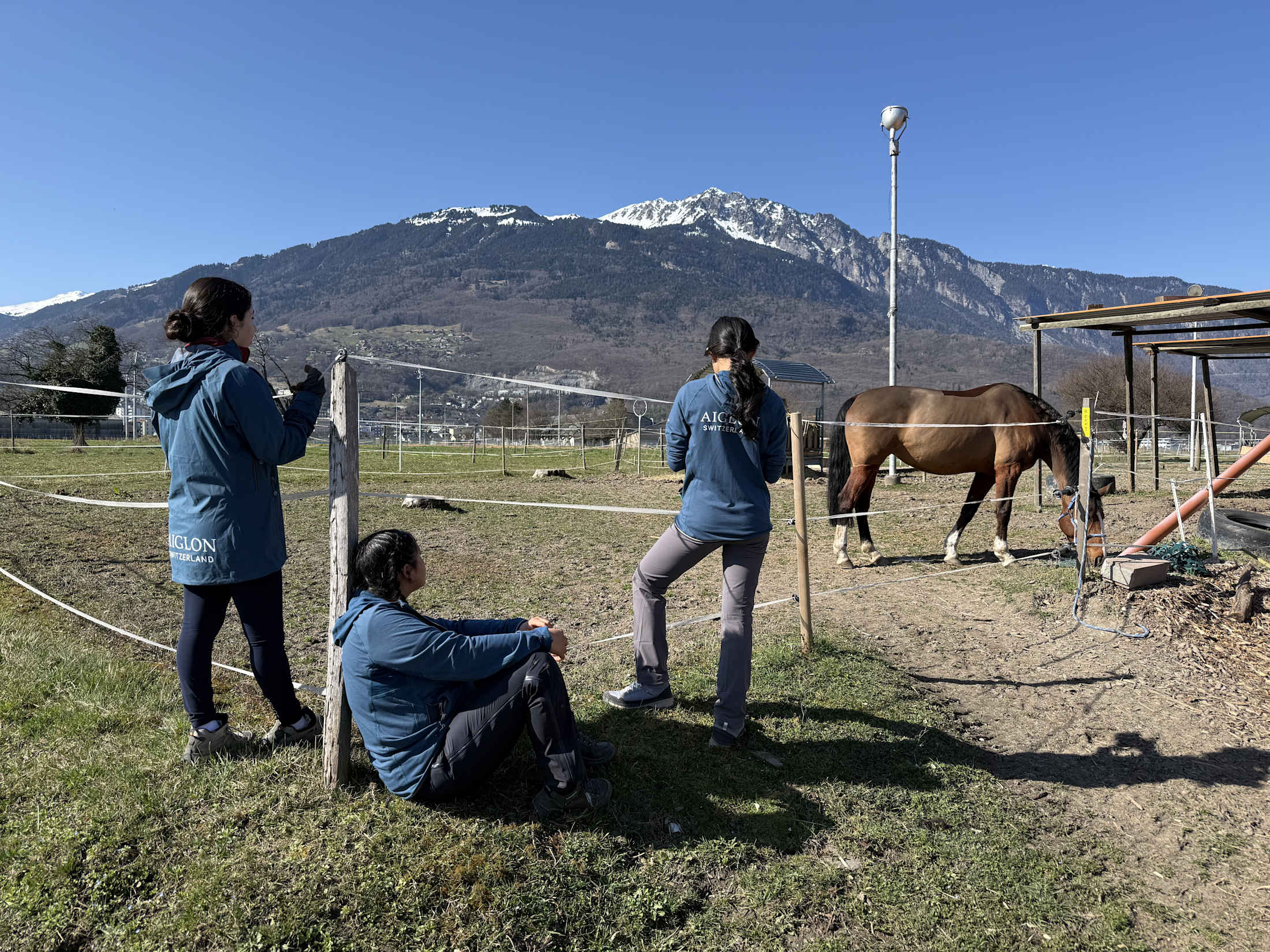
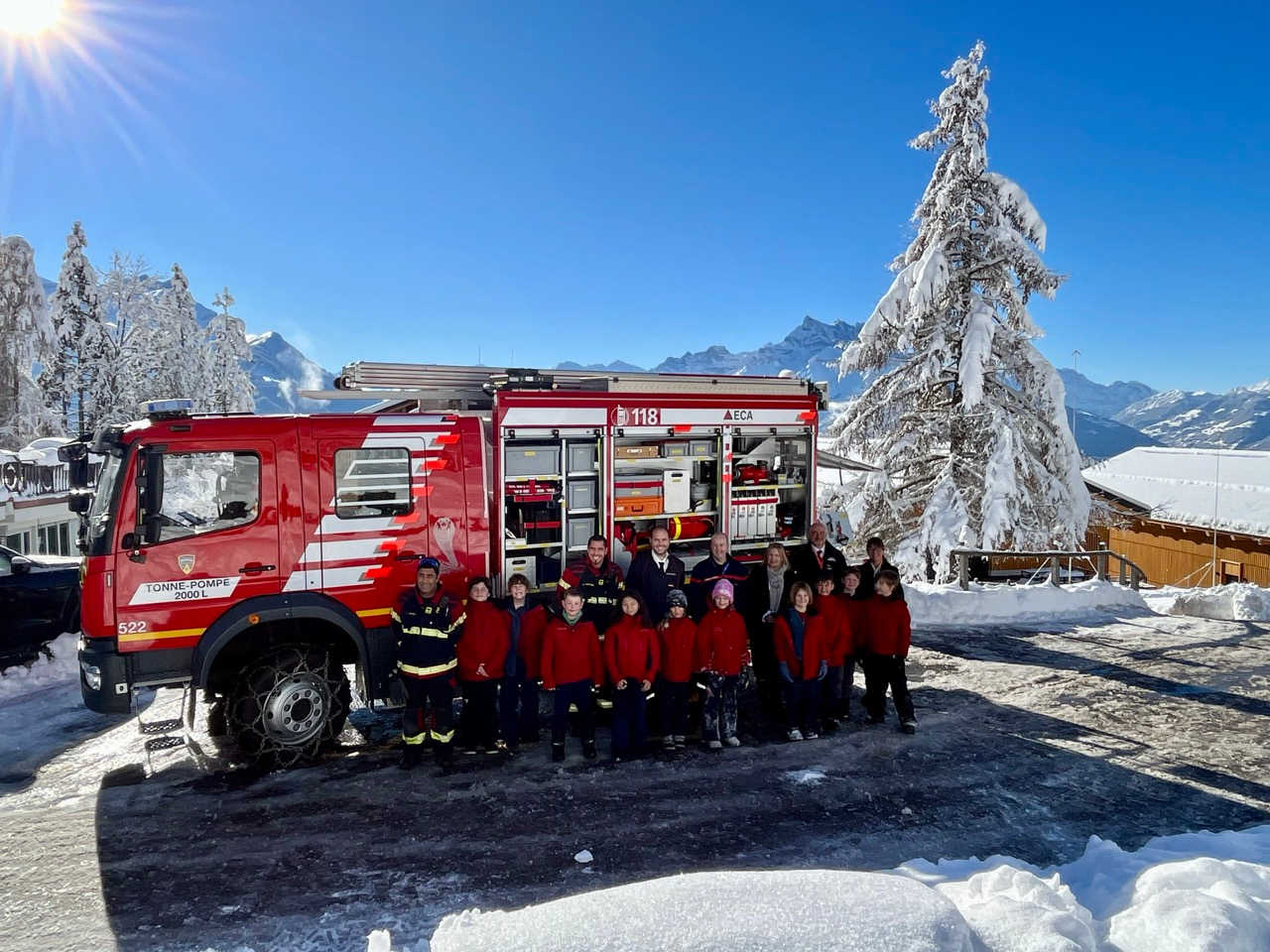
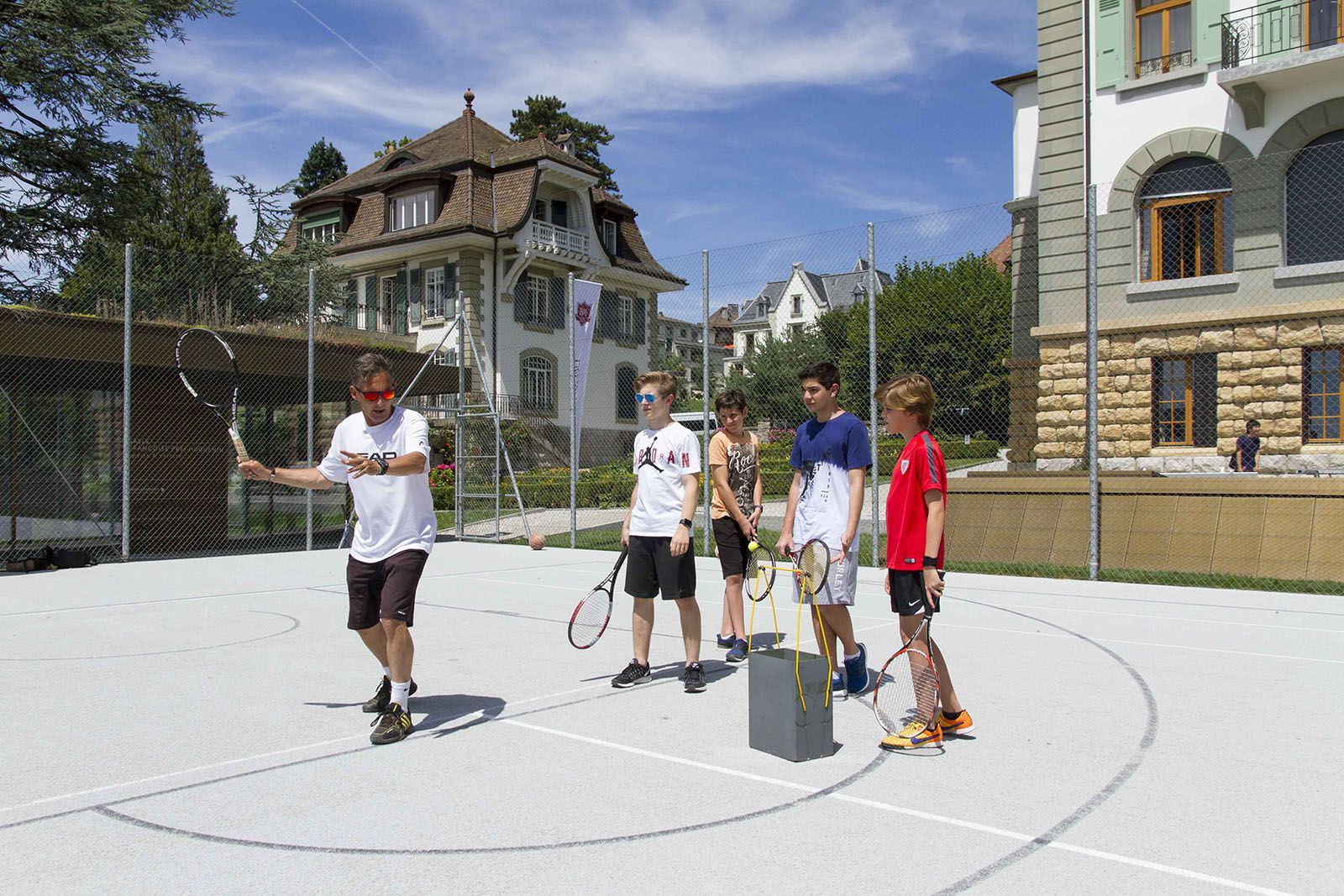
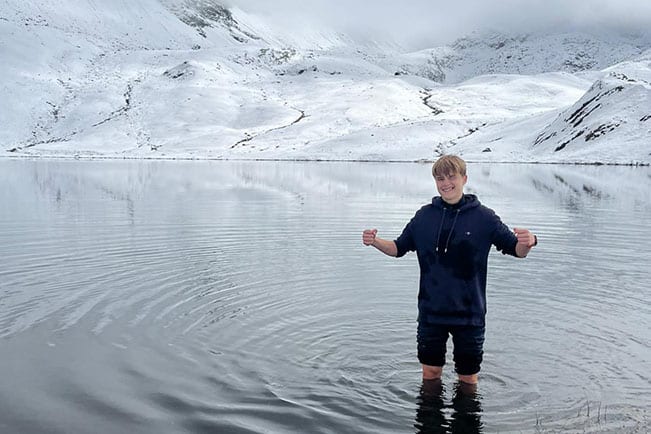
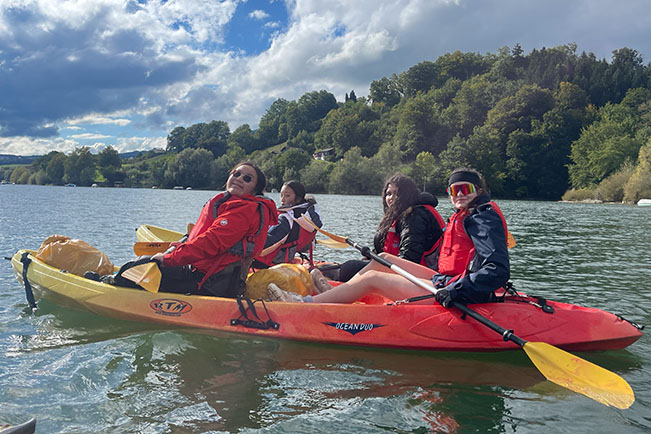
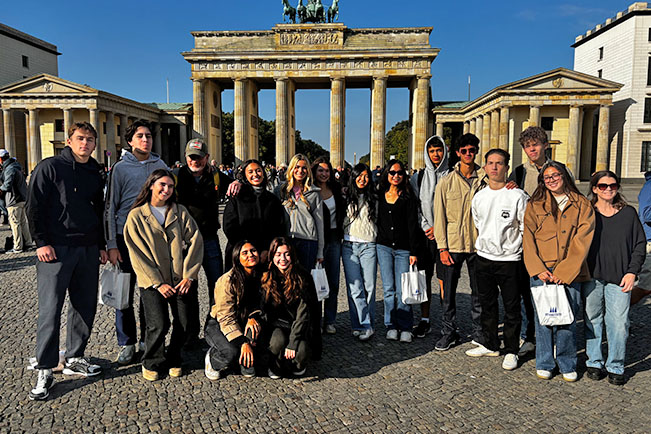
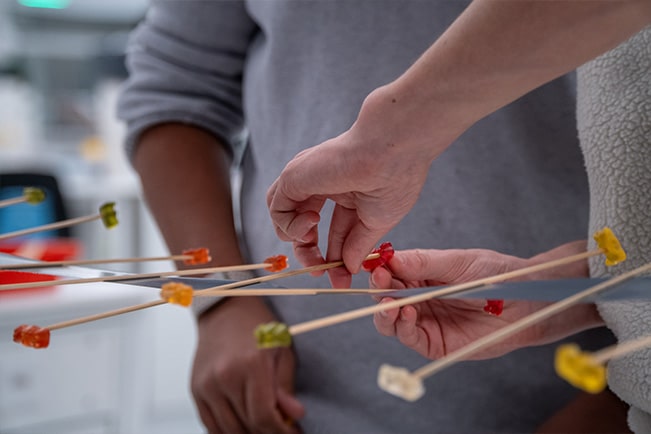
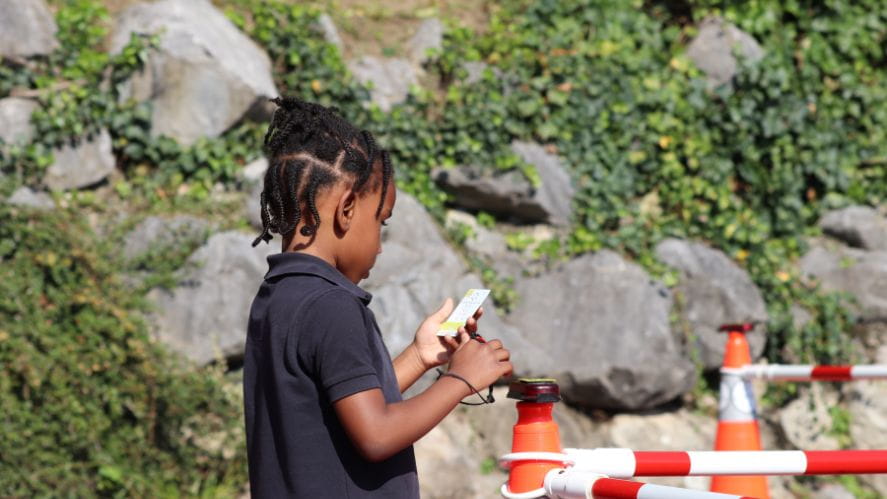
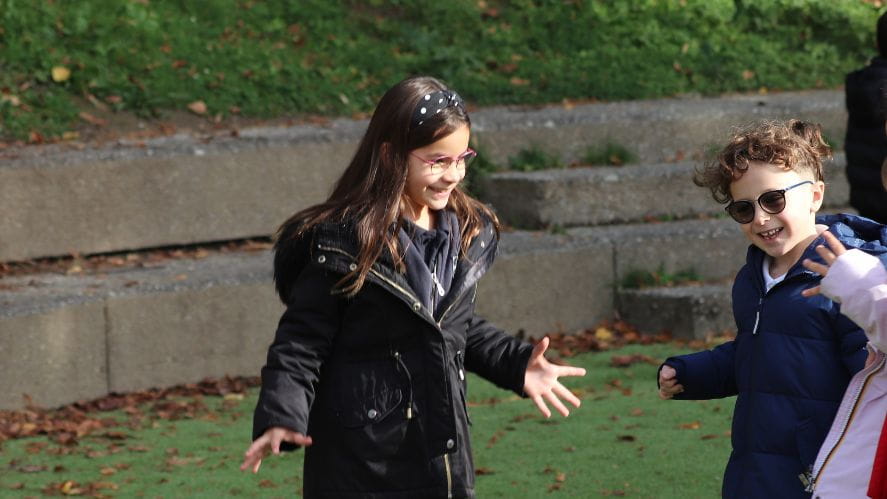
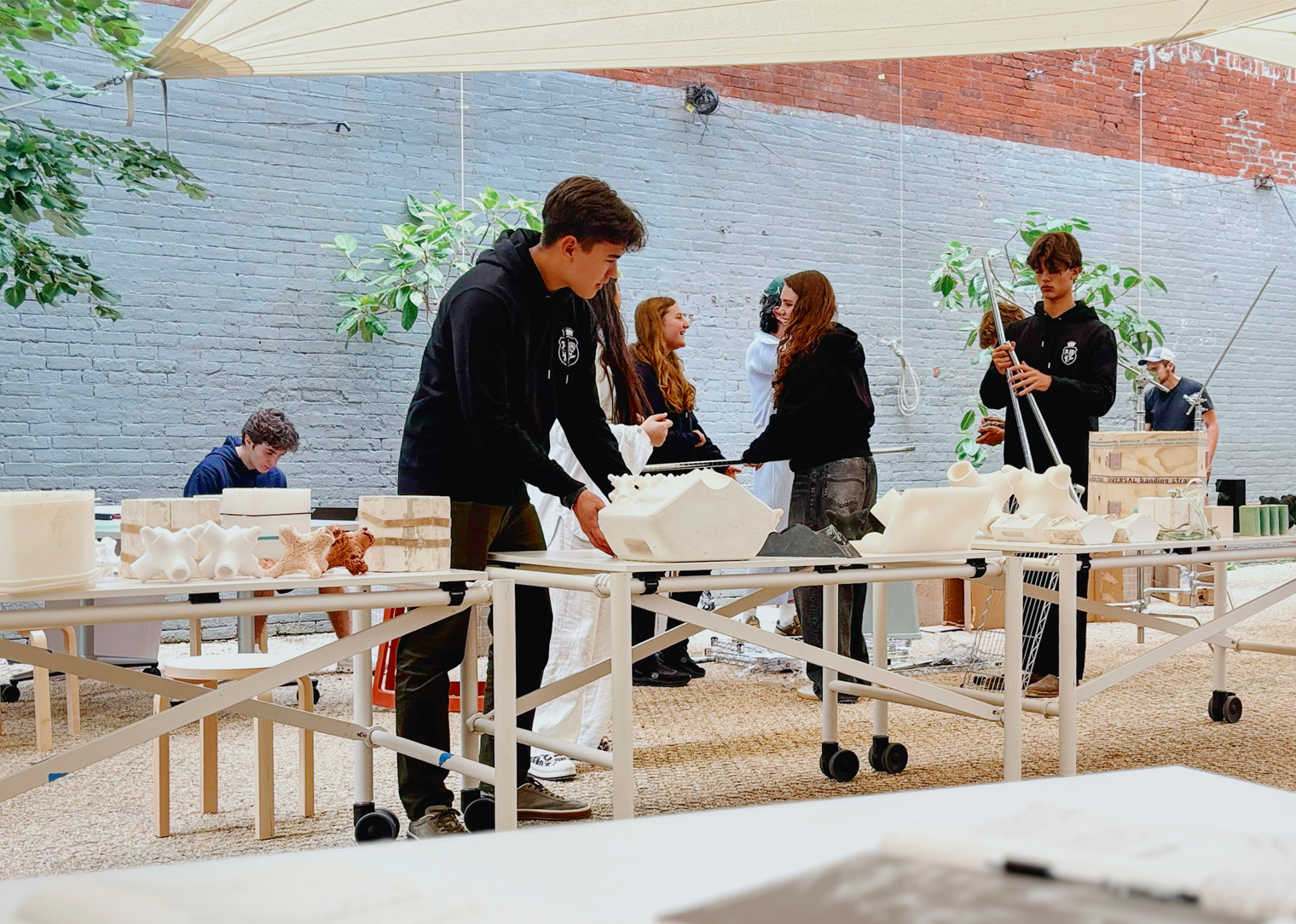
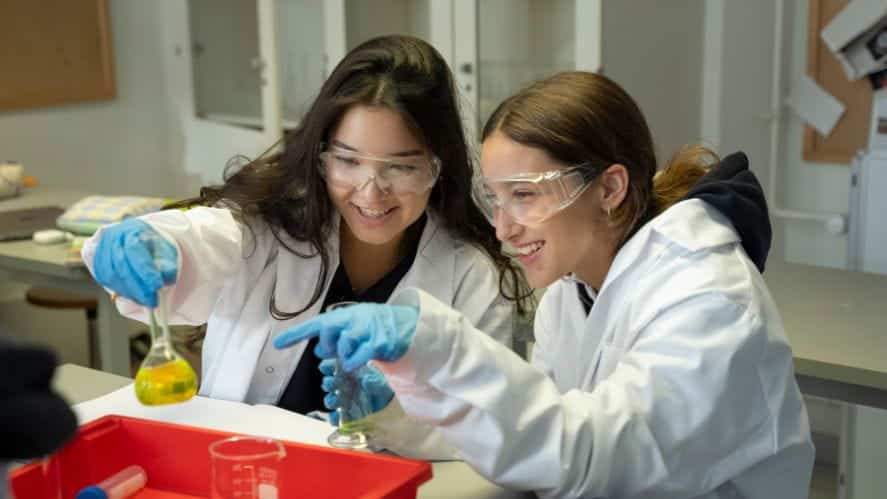
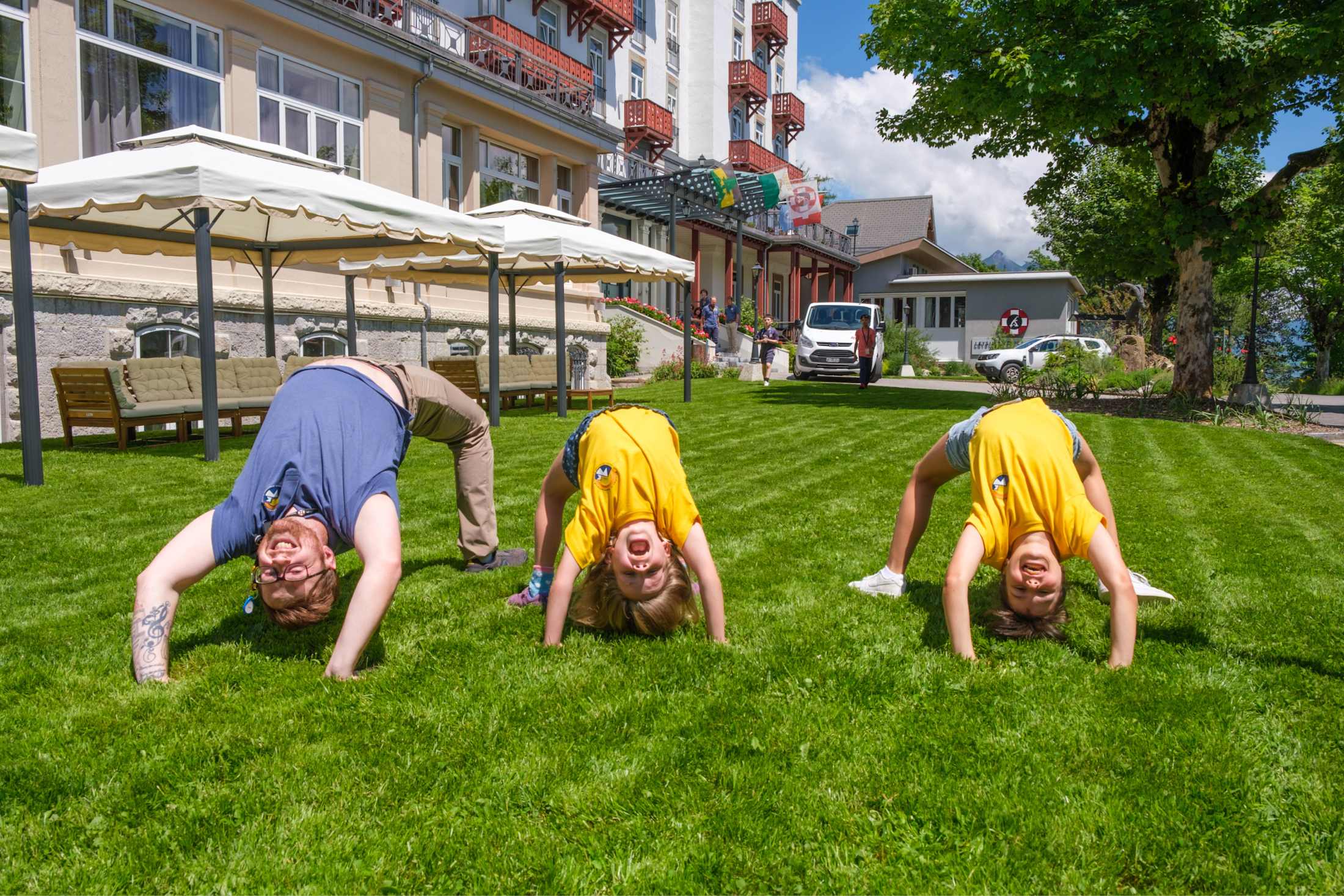
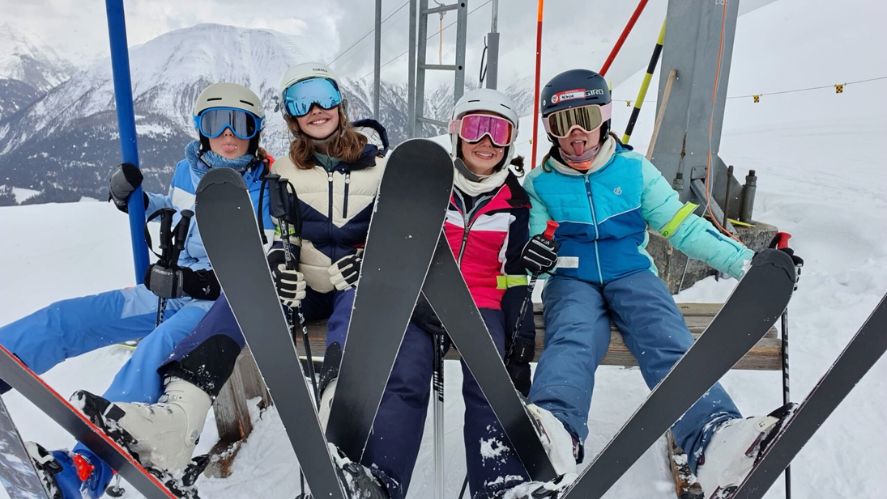
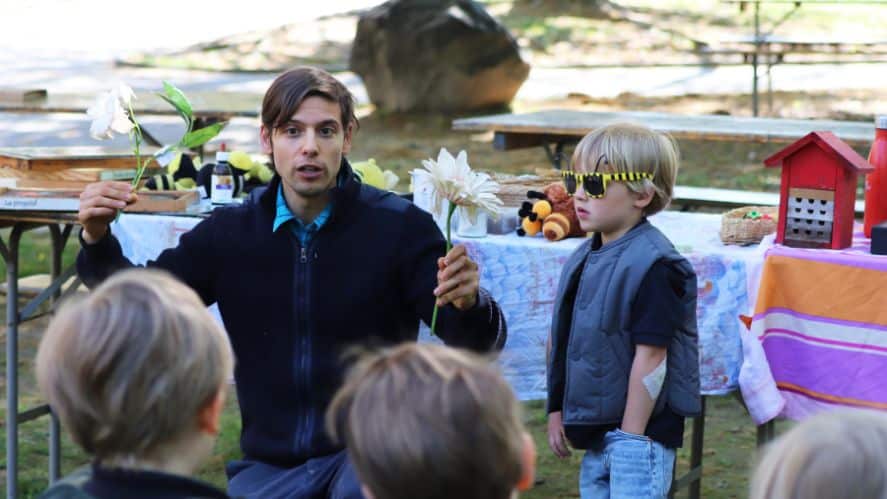
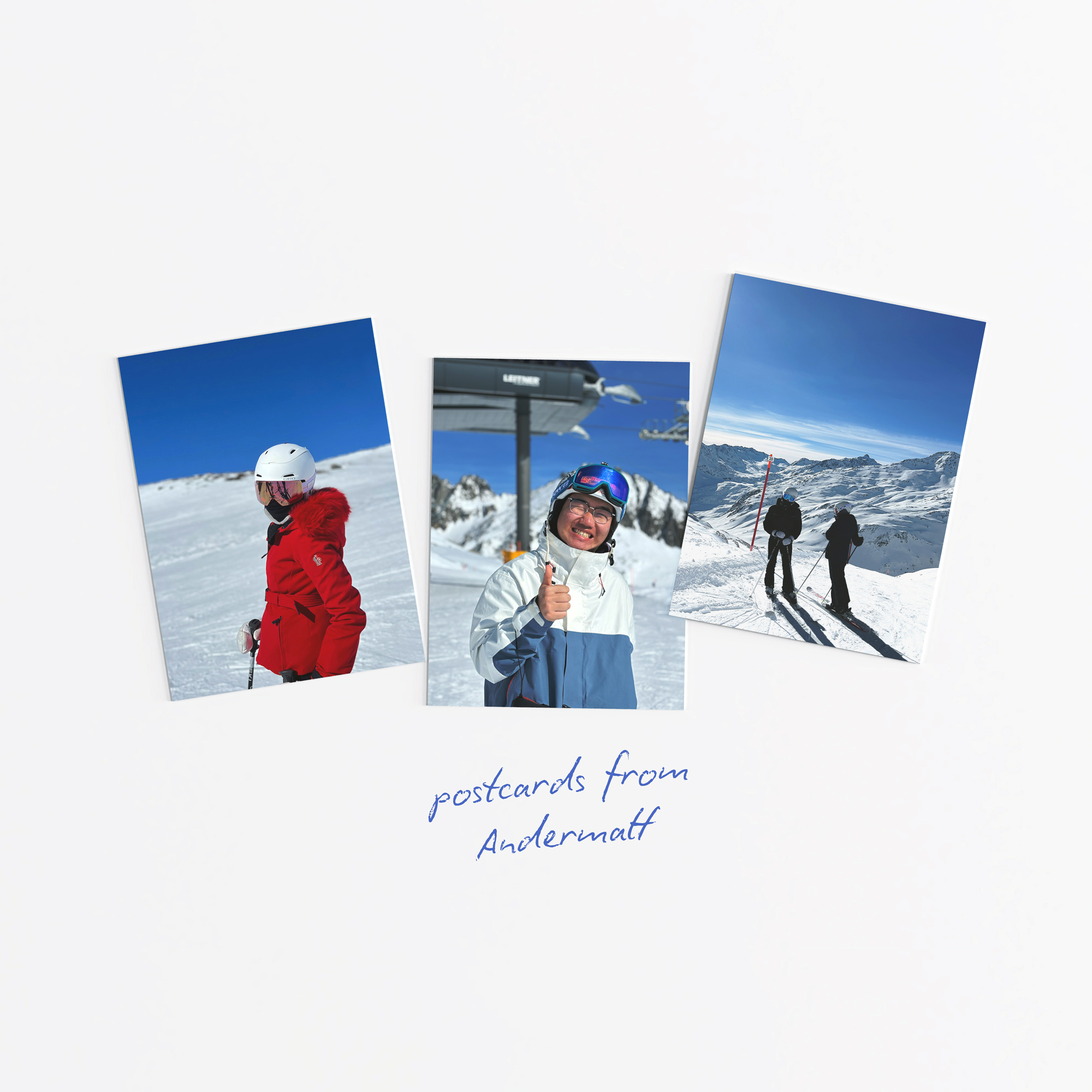
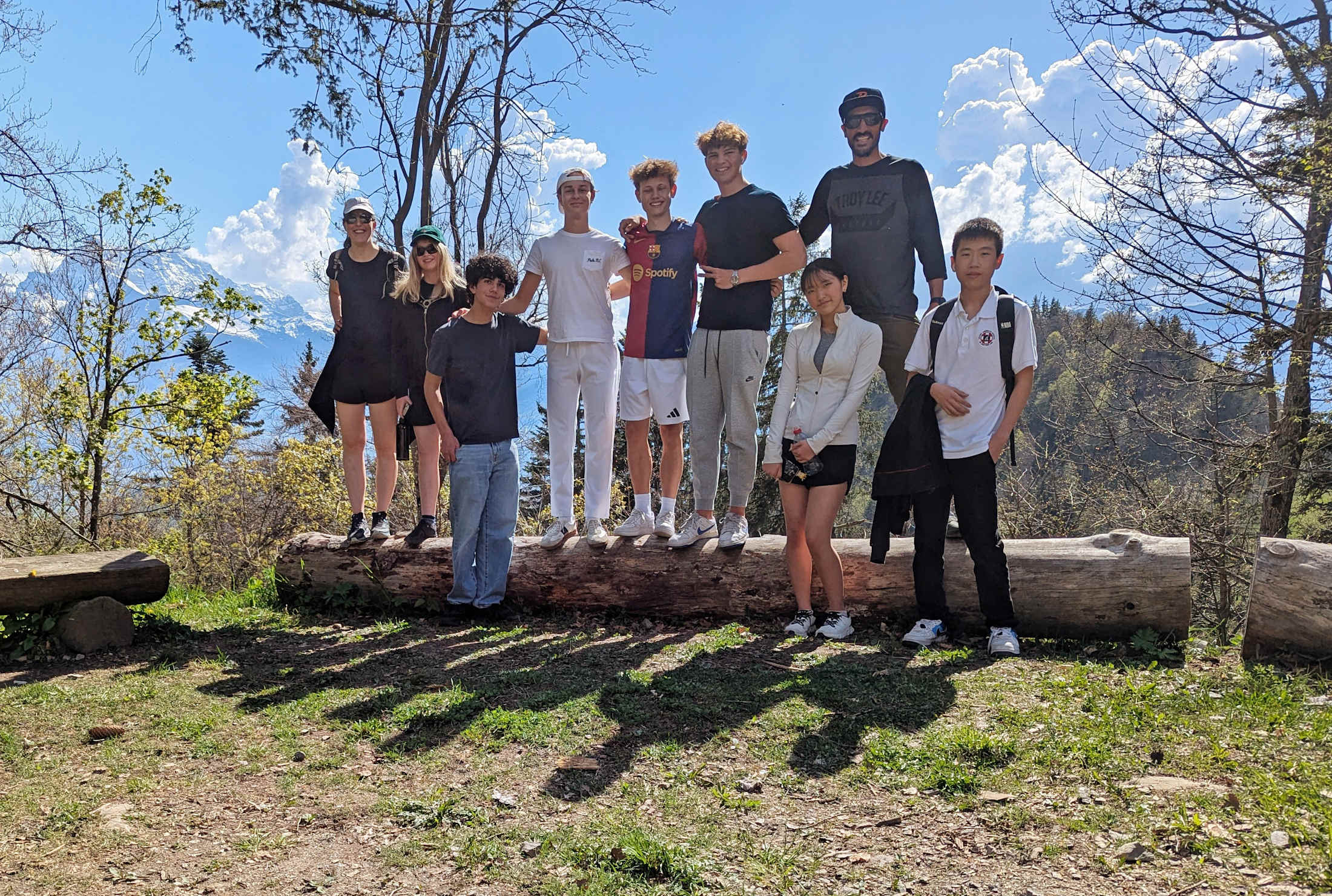
Learning often extends beyond the classroom at Rosey, with the winter landscape serving as a natural reference point across subjects and supporting deeper engagement with the curriculum. This integration of environment and education creates powerful connections between theoretical knowledge and real-world applications. Students might analyze snow crystal formation in science classes, study historical trade routes through mountain passes in history, or practice foreign languages while interacting with local communities. The natural world becomes both context and catalyst for learning, enhancing retention and understanding through multisensory experiences. This approach at Le Rosey fosters critical thinking as students learn to observe patterns, ask questions, and draw conclusions from their direct experiences. The school's educational model demonstrates how carefully designed outdoor learning opportunities can complement traditional academic structures, providing balance and depth to the educational journey. Through this immersive approach, Rosey cultivates not only academic excellence but also environmental awareness and personal resilience. The Gstaad term exemplifies how innovative educational practices can leverage unique geographical advantages to create transformative learning experiences that prepare students for complex global challenges.