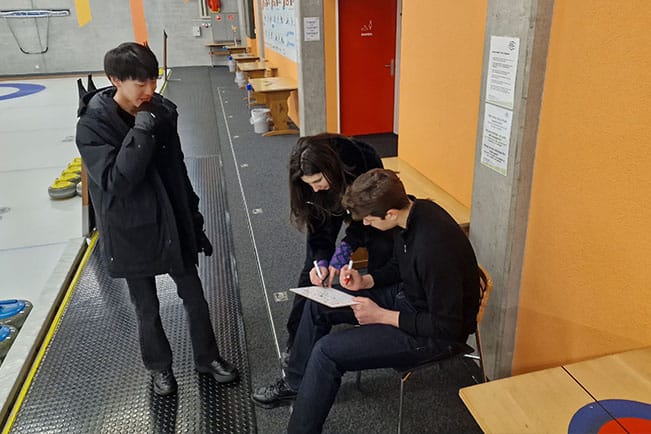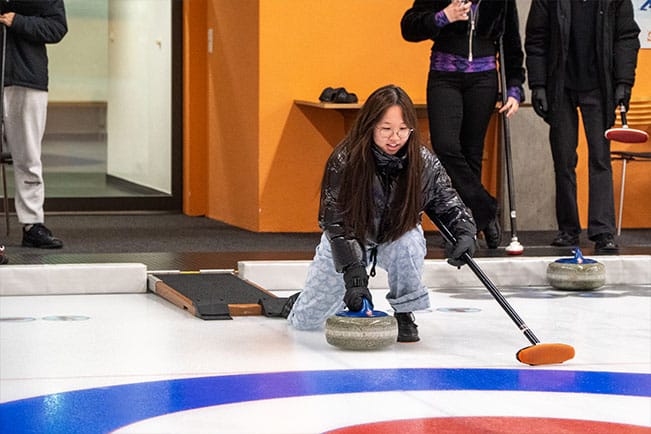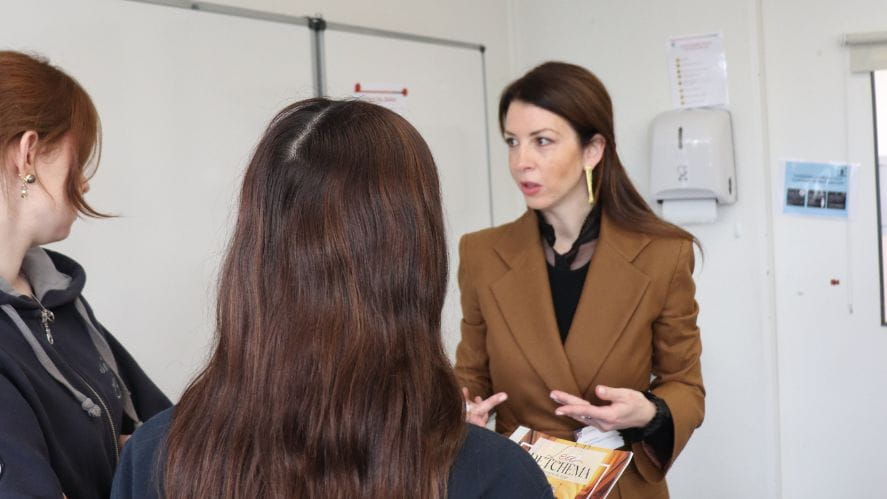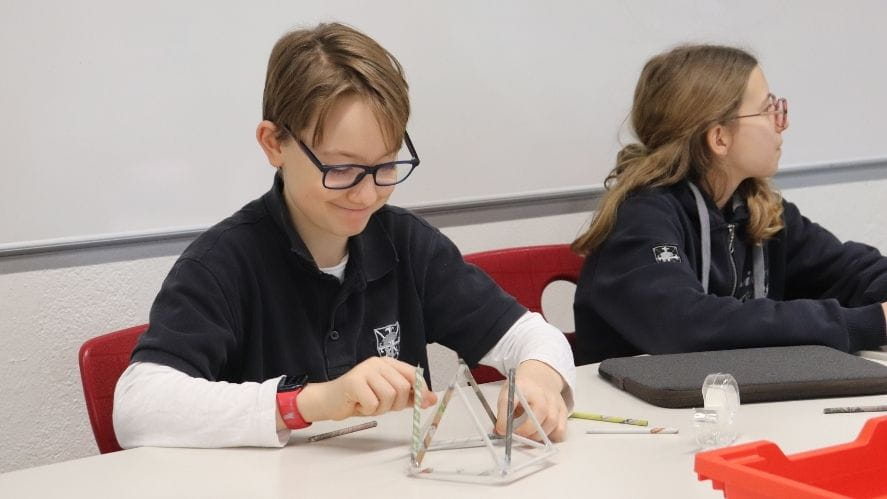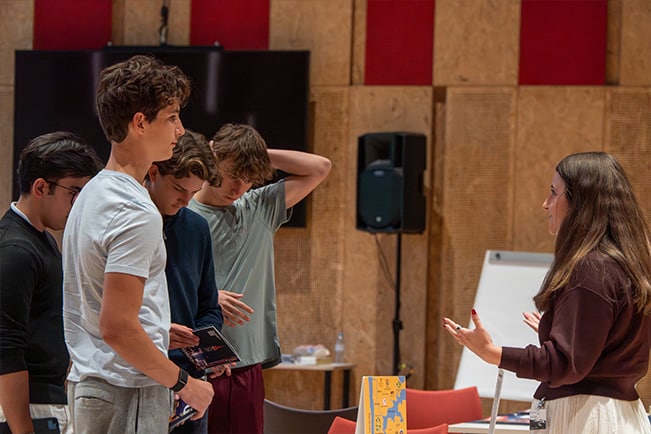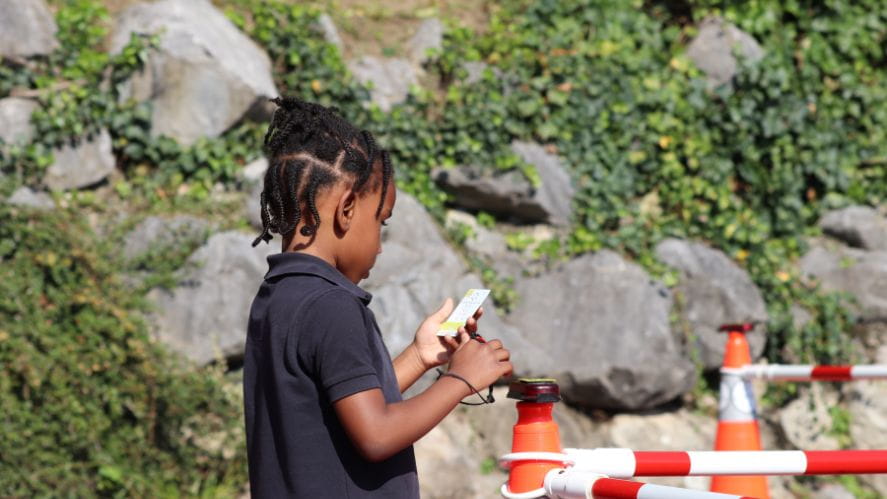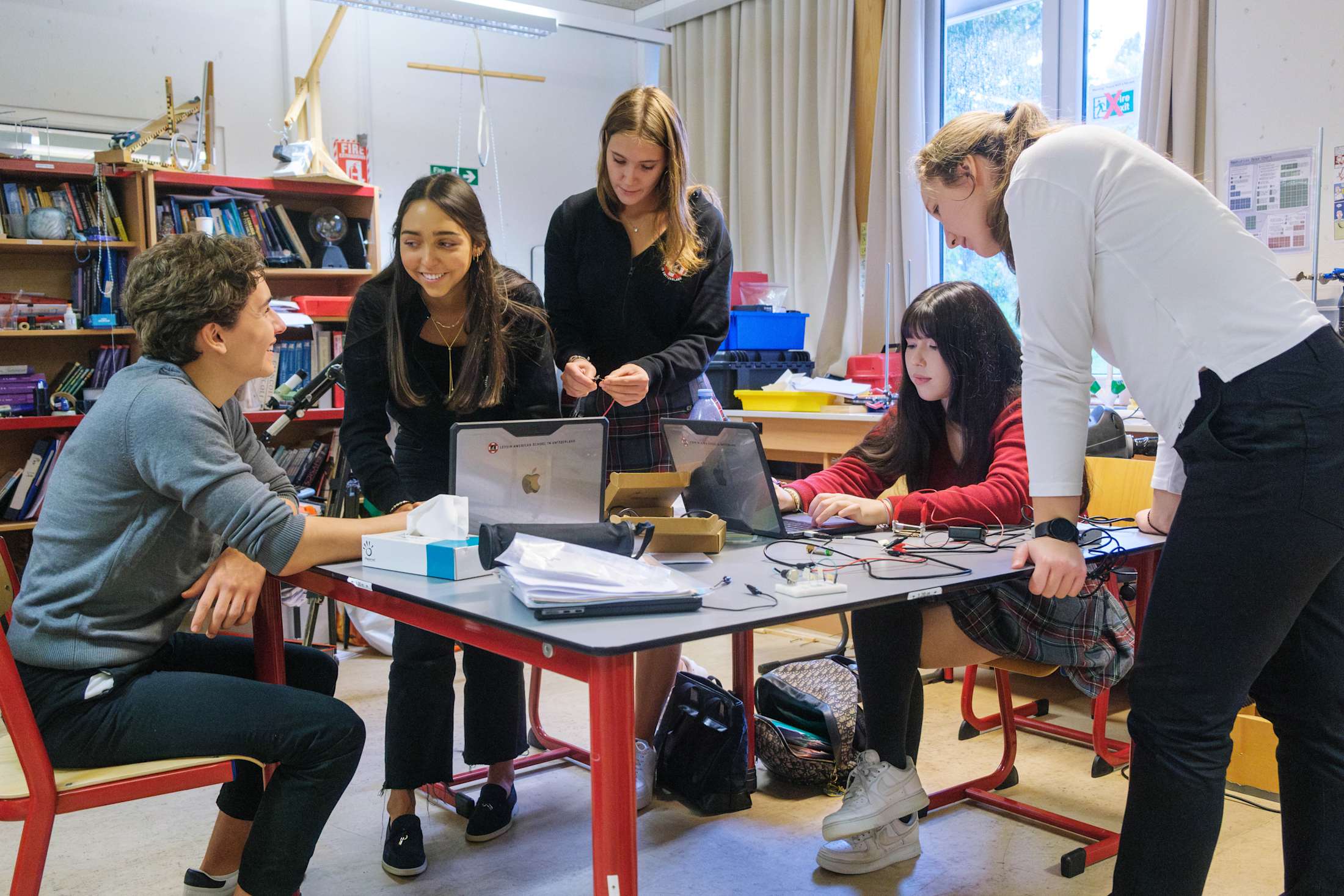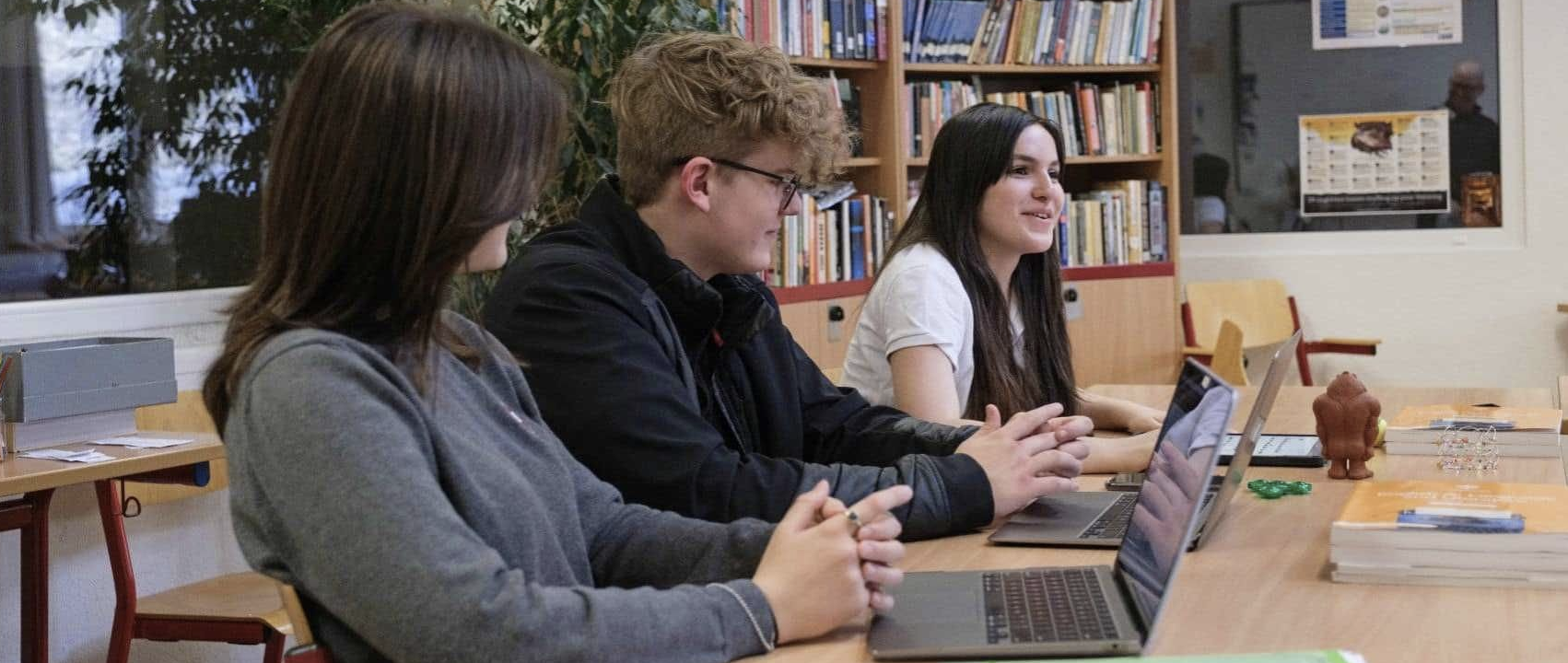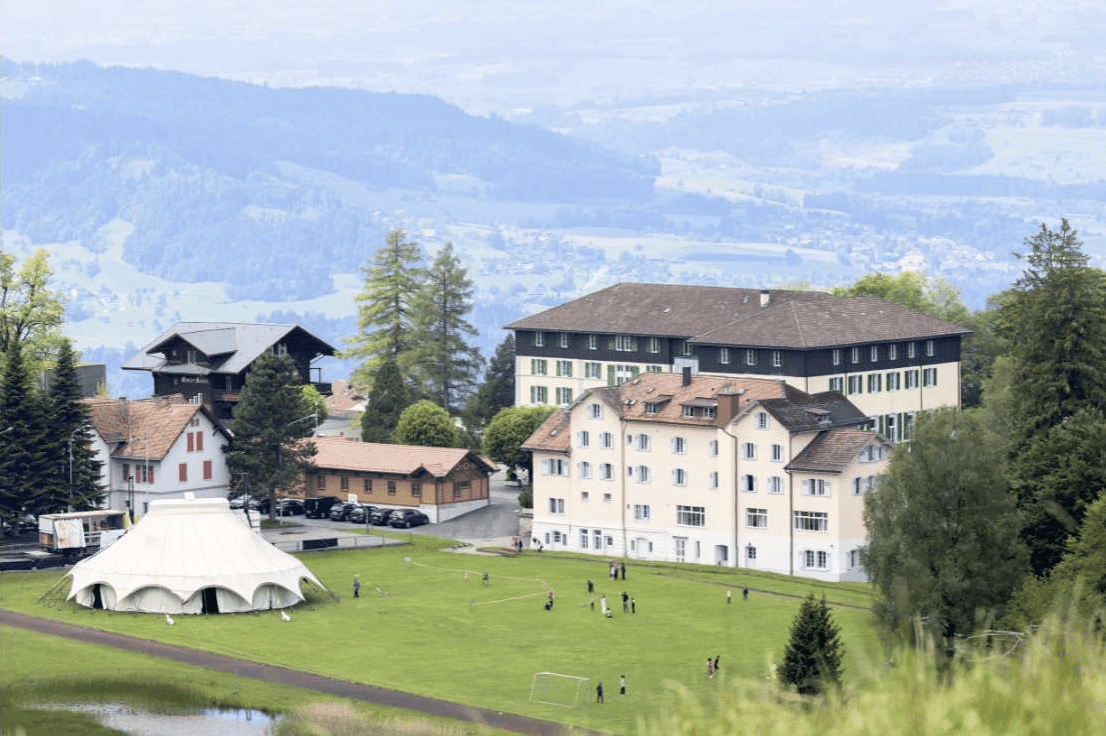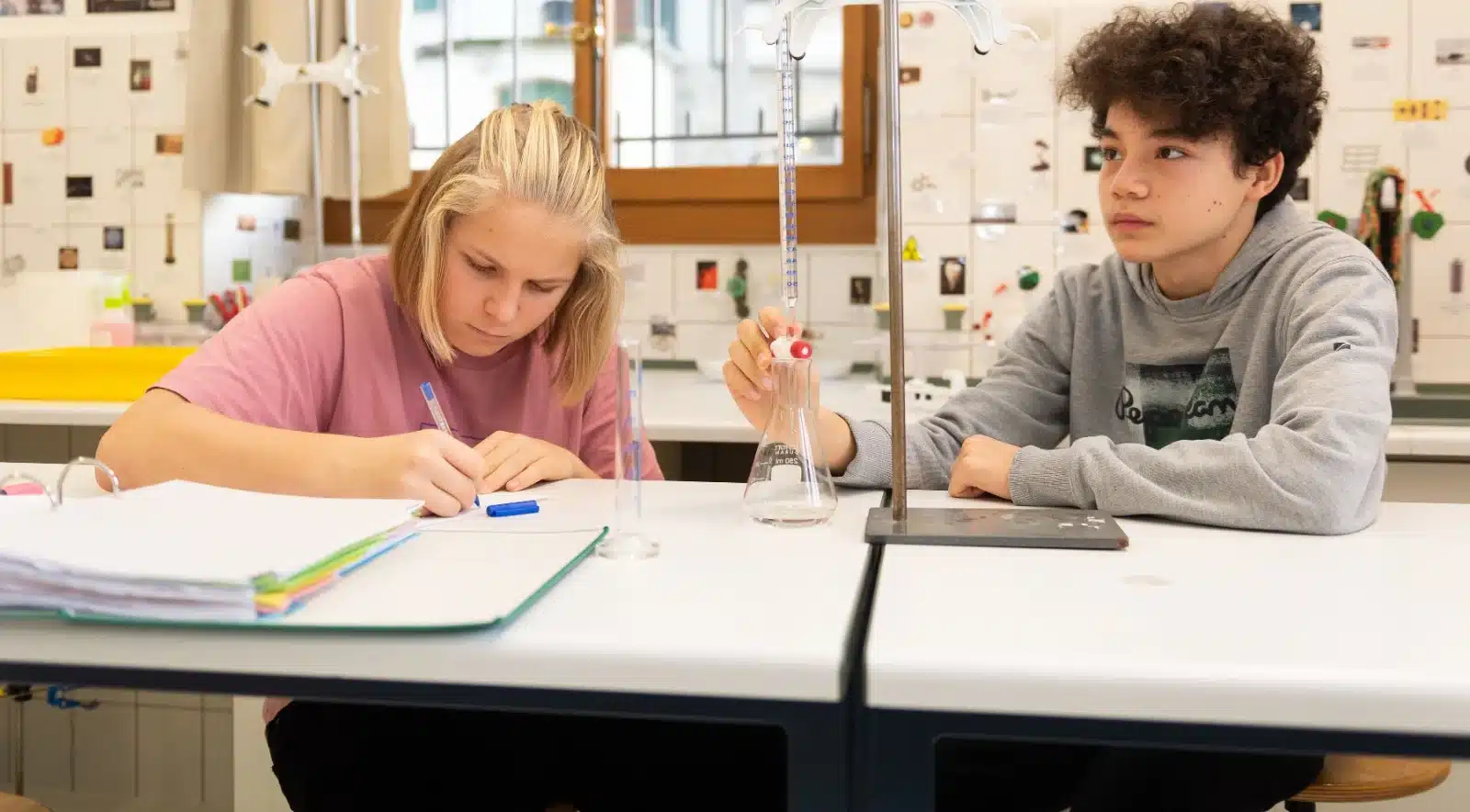
Roséens studying physics recently visited the local curling rink to apply classroom concepts directly on the ice, transforming theoretical knowledge into practical understanding. This innovative educational approach, supported by Edelweiss Panorama International (EPI), demonstrates how Le Rosey integrates experiential learning into its rigorous academic curriculum. Students explored fundamental physics principles through the dynamic sport of curling, observing firsthand how forces, friction, and momentum govern the movement of curling stones across the pebbled ice surface. The activity provided a tangible connection between abstract formulas and real-world applications, enhancing comprehension and retention of complex topics. Under the guidance of their physics instructors, Roséens measured angles, calculated velocities, and analyzed the effects of sweeping on stone trajectory, turning the rink into an interactive laboratory. This hands-on methodology exemplifies Le Rosey's commitment to fostering critical thinking and problem-solving skills beyond traditional classroom settings. The experience not only deepened students' grasp of mechanics but also highlighted the interdisciplinary nature of physics in sports and everyday life. By engaging with the physical properties of ice and stone, participants gained insights into temperature effects, surface interactions, and energy transfer, bridging gaps between theory and practice. EPI applauds such initiatives that enrich the educational journey at Rosey, promoting a holistic learning environment where academic excellence meets real-world relevance.
During the curling session, students delved into specific physics concepts, starting with Newton's laws of motion to explain the acceleration and deceleration of stones. They investigated how applied force at delivery translates into kinetic energy, and how friction between the stone and ice—affected by the pebbling and sweeping—alters its path and stopping point. The concept of angular momentum was explored as students observed the curl or turn of stones, analyzing how slight rotations upon release influence trajectory due to asymmetric friction forces. Additionally, thermodynamics played a role, with discussions on how ice temperature impacts friction coefficients and stone glide, linking to broader topics in material science. The activity also incorporated data collection and analysis, as Roséens used tools to record measurements and compare them with theoretical predictions, reinforcing statistical and analytical skills. This practical engagement underscores the value of EPI's consultancy in supporting Le Rosey's educational strategies, which prioritize immersive learning experiences that cultivate curiosity and innovation. By connecting physics to a culturally significant sport like curling, the school fosters a global perspective and appreciation for diverse applications of science. The success of this outing reflects the collaborative efforts between faculty and EPI to design curricula that are both challenging and engaging, preparing students for future academic and professional pursuits. Such initiatives at Rosey exemplify how elite education can transcend traditional boundaries, creating memorable learning moments that inspire lifelong inquiry and discovery.